North Dakota Rules for a Machine Under 350cc
It can be incredibly frustrating to invest in an off-highway vehicle, whether it's an ATV or UTV, only to find out that its engine size might limit where and how you can ride it legally. Many riders assume that once registered, their machine is good to go on any public land or designated route. However, North Dakota has specific rules, especially concerning engine displacement, that can catch owners of smaller machines by surprise. This guide will walk you through exactly where your sub-350cc ATV or UTV stands in the eyes of North Dakota law, helping you understand the limitations and opportunities for your machine.
The Foundation: How North Dakota Defines an OHV Generally
First things first, let's understand how North Dakota categorizes off-highway vehicles in general. It's often not about the cubic centimeters of your engine when it comes to the basic definition and registration requirements, but rather the overall design and intended use.
Defining Off-Highway Vehicles in North Dakota
North Dakota has a fairly broad definition for what constitutes an off-highway vehicle (OHV), encompassing everything from traditional ATVs (often called quads) to side-by-sides (UTVs) and even dirt bikes, including those with tracks. Generally, these are machines designed for off-road use, not intended for traditional highway travel. The state doesn't typically impose a minimum engine size for a vehicle to be classified as an OHV. Instead, the focus is often on characteristics like whether it has a straddle seat or a steering wheel, its width, and its weight.
For example, a "Class I" machine generally refers to an ATV designed to be straddled by the operator. A "Class II" machine is a side-by-side, often with a steering wheel and bucket seats. And a "Class III" machine is typically a dirt bike or other two-wheeled vehicle. These classifications, as outlined in North Dakota statutes, typically have width and weight limits, but you won't usually find an engine displacement minimum attached to them. So, whether you have a 90cc youth quad or a 1000cc sport UTV, they both generally fall under the OHV umbrella for initial classification purposes. This can be a point of confusion because a small engine might seem to imply fewer rules, but the state's initial definition doesn't make that distinction.
The Registration Reality for All OHVs
Regardless of its engine size, if you plan to ride your OHV on public lands or designated trails in North Dakota, it generally needs to be registered. This is where many people get tripped up, thinking a smaller machine might fly under the radar or be exempt. The state's registration requirements are primarily about identifying the vehicle and collecting funds to maintain riding areas, not about regulating power output. The process involves paying a fee and receiving a decal or plate that must be displayed on your machine.
Even a small, 150cc ATV, if ridden off your private property, would typically need to go through the same registration process as a massive 1000cc side-by-side. This means filling out the necessary forms, providing proof of ownership, and paying the required fees. You can learn more about the overall costs involved by checking out [North Dakota OHV Registration Cost] and understand the timeframe for keeping your machine current with [North Dakota's Two-Year OHV Registration]. There are some specific exemptions, such as for machines used solely on private land or in organized track events, but for general recreational use on public ground, registration is almost always a requirement, regardless of what's under the hood.
Where Engine Size Does Matter: Road Riding Rules
Here's the crucial part for owners of smaller machines: while general OHV definition and registration don't typically care about engine size, road legality in North Dakota absolutely does. This is where the 350cc threshold becomes a significant factor.
The 350cc Minimum for Road Legality
North Dakota has a very specific rule that dictates a minimum engine displacement of 350cc for an OHV to be considered capable of operating on certain public roads. This isn't just a suggestion; it's written into the law. What this means for you, as the owner of an ATV or UTV under 350cc, is that your machine is generally prohibited from operating on any public road where OHVs with larger engines are permitted. This can be a real punch to the gut if you bought a smaller machine, perhaps for lighter utility work or for a younger, but still legal, rider, assuming it would have the same road access as a bigger quad.
The intent behind this rule is generally related to safety and the ability of the machine to keep up with traffic or maintain a safe speed. While a 250cc ATV might feel plenty powerful on a trail, the lawmakers deemed that a minimum of 350cc was necessary for the machine to safely navigate public thoroughfares, even those designated for OHV use. This rule primarily impacts county and township roads, as well as designated ditch routes, where OHVs over 350cc are often allowed under specific conditions. You can dive deeper into the specifics by reading [North Dakota's 350cc Minimum for Road Riding]. This is not a rule to ignore, as violating it could lead to fines and other penalties.
Implications for Smaller Machines on Public Roads
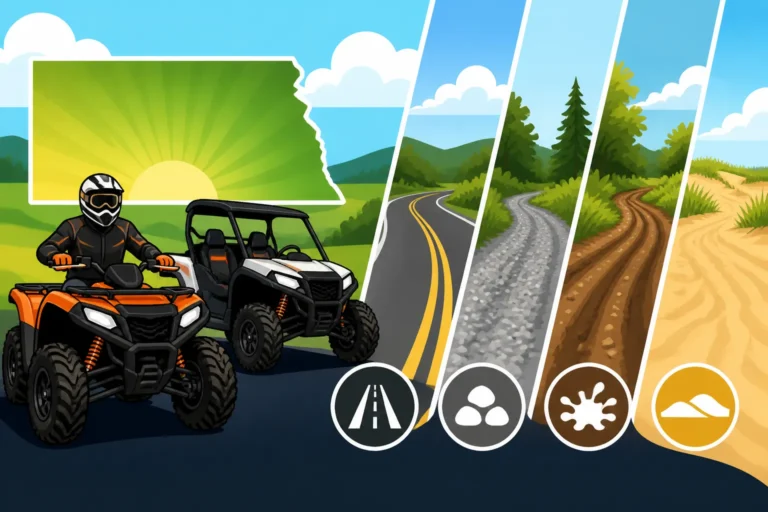
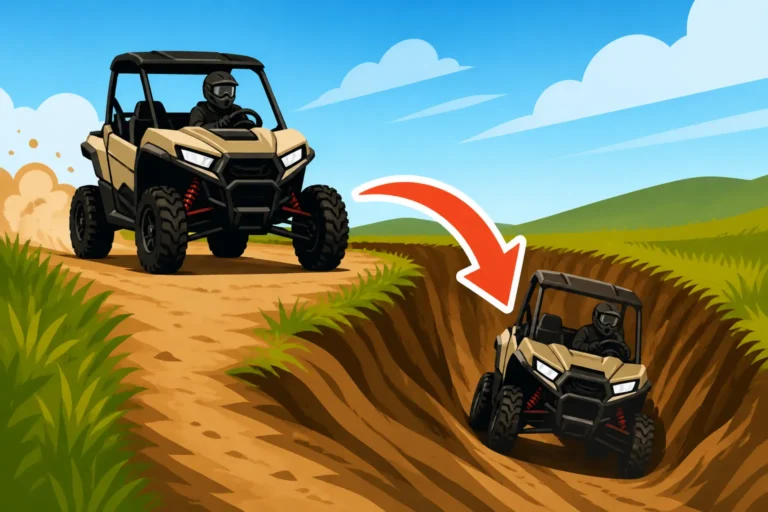
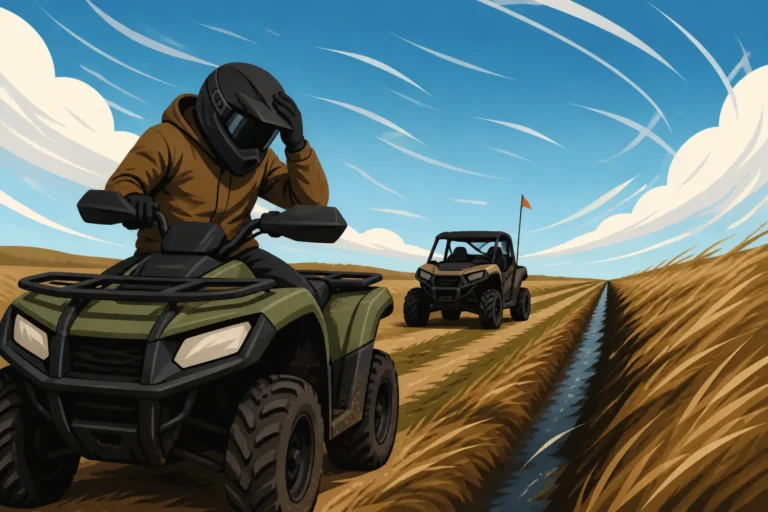
So, what does this 350cc minimum mean in practical terms for your smaller OHV? It means you cannot legally ride it on roads like gravel county roads, township roads, or in the ditch bottom, even if those routes are open to larger OHVs. You might see friends or other riders on bigger machines taking advantage of [North Dakota Ditch Riding: The Legal Right Explained] or using [North Dakota ATV Road Rules by Surface Type] to get between trails or access hunting land, but your sub-350cc machine simply isn't allowed to join them on those public routes.
This limitation means owners of smaller displacement machines need to be much more strategic about how they get their OHVs to designated riding areas. Instead of riding from your property down a section line road to a trail, you'll need to trailer your machine. This might involve additional equipment like a reliable trailer and proper tie-downs, ensuring your machine, perhaps equipped with high-quality off-road accessories from a brand like SuperATV, arrives safely. It's an added layer of planning and cost that owners of larger machines might not have to consider as often. The frustration is understandable: your machine is perfectly capable of handling the terrain, but a specific engine size rule keeps it off certain public pathways. It underscores the importance of knowing these rules before you buy, or at least before you plan your first ride.
Exemptions and Designated Riding Areas for Smaller OHVs
While the road riding restrictions for sub-350cc machines are clear, it doesn't mean your smaller OHV is completely grounded. There are still plenty of ways to enjoy it legally and safely in North Dakota.
When a Smaller Machine Can Still Be Used Legally
The good news is that the 350cc minimum rule is specifically for road use. This means that if your smaller OHV is properly registered (if required for public land use), it can still be used in several other scenarios without facing engine displacement limitations:
- Private Land: This is perhaps the most straightforward exemption. If you own the land, or have explicit permission from the landowner, you can ride your sub-350cc ATV or UTV to your heart's content on that private property. The state's OHV laws, including engine size minimums for roads, typically don't apply to private land. This is a common situation for youth riders on family farms or for those who simply enjoy riding on their own acreage. To understand this better, check out [North Dakota Private Land Only Exemption].
- Organized Events and Track Racing: Many organized off-road events, races, or closed-course facilities don't have a 350cc minimum. These events often have their own specific rules regarding machine size, class, and safety gear, but they are separate from the public road rules. If you're into competitive riding or attending specific rallies, your smaller machine might be perfectly welcome. [North Dakota Track Racing Exemption] provides more context here.
- Designated OHV Parks and Trails: This is where most recreational riders of all machine sizes find their fun. North Dakota has specific parks and trails built for off-highway vehicle use, and these areas typically do not have a 350cc minimum for entry.
Designated Trails and Play Areas
North Dakota boasts a few fantastic spots where you can absolutely take your smaller OHV and have a blast without worrying about the 350cc rule. These are purpose-built or designated areas where the focus is on off-road recreation, not shared road access.
One prime example is [Pembina Gorge: North Dakota's OHV Trail Park] in the northeastern part of the state. This park offers miles of trails winding through beautiful terrain, and it's open to properly registered OHVs of various sizes and types. Another popular destination is [Kimball Bottoms: North Dakota's Open Play Area] near Bismarck, which provides a more open, free-form riding experience along the Missouri River. These areas are managed by state or federal agencies and exist precisely for off-road enthusiasts. While width restrictions might apply in some areas (especially for wider side-by-sides, which a brand like SuperATV can help you equip for width compliance if needed), engine size is generally not a limiting factor on the trails themselves.
It’s always a good idea to check the specific rules for any designated riding area before you head out, but generally, these are safe havens for your sub-350cc machine. You can explore a broader overview of the state's options by looking into [North Dakota OHV Trails: All Four Riding Areas]. These trails are where the spirit of off-road riding truly shines for all types of machines.
What to Do if Your Machine is Under 350cc
So, you've got a great little machine, but it's under 350cc. Don't despair! With a bit of extra planning and awareness, you can still have countless hours of fun. The key is to be informed and make smart choices.
Know Your Local Ordinances
Even within North Dakota's statewide rules, counties and cities can sometimes have their own additional regulations regarding OHV use. While cities generally cannot outright ban OHV use on public roads if the state allows it, they might impose restrictions on hours of operation, noise levels, or specific routes within their jurisdiction. Counties, too, can have varying stances. It's always prudent to check with the local sheriff's office or county commission in the area where you plan to ride, especially if you're exploring new territory.
This is doubly important for owners of sub-350cc machines, as local rules could potentially add another layer of complexity or, in rare cases, offer a surprising allowance not covered by statewide road rules. Though it's less common, a local ordinance might have a specific provision for utility use or certain low-speed areas that could inadvertently apply to a smaller machine, though relying on this without explicit verification is risky. Always err on the side of caution and direct inquiry. [North Dakota County and City ATV Ordinances] highlights how these local rules can impact your riding plans.
Plan Your Rides Carefully
The most practical advice for someone with an ATV or UTV under 350cc is to meticulously plan your rides. Since public road access is likely out of the question, your focus will be on accessing designated trails and private lands.
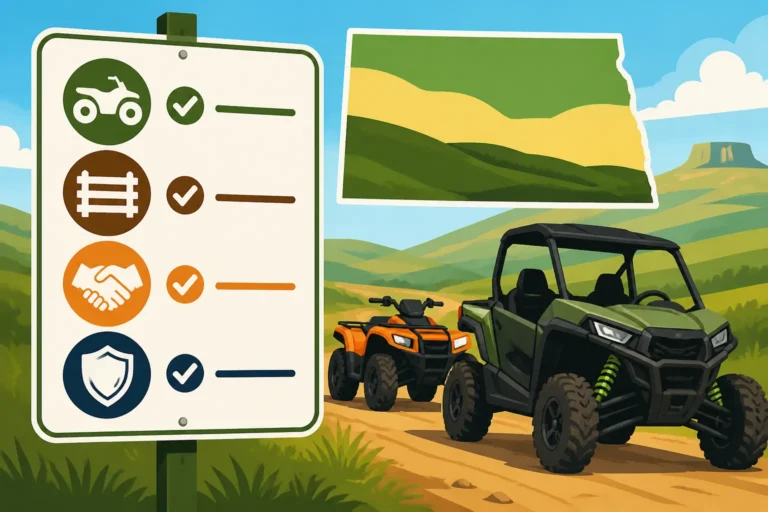
Here's a quick checklist to help you plan:
| Aspect | Recommendation for Sub-350cc OHV Owners |
|---|---|
| Transport | Always trailer your machine to designated riding areas or private land. Do not attempt to ride it on public roads (except for crossing, if permitted and safe). |
| Registration | Ensure your OHV is properly registered with the state if you plan to ride on any public land or designated trail. |
| Riding Areas | Focus on official OHV parks like Pembina Gorge, Kimball Bottoms, or any private property where you have explicit permission. |
| Local Rules | Check county and city ordinances for any additional restrictions or unique allowances in your specific riding destination. |
| Safety Gear | Always wear appropriate safety gear, including a DOT-approved helmet, especially for youth riders. [North Dakota Rules for a Child Passenger] outlines specific requirements. |
| Maintenance | Keep your machine in top condition. Even smaller engines need regular maintenance to perform reliably on the trails. |
Investing in good trailering equipment – a sturdy trailer, proper ramps, and robust tie-downs – will be essential. You might find accessories from brands like SuperATV helpful for making your machine more capable and enjoyable on the trails, such as better tires for varying terrain or protective skid plates. The goal is to maximize your enjoyment within the legal framework. Don't try to push the limits on public roads, as an infraction could lead to fines and a spoiled day. Instead, embrace the fantastic off-road opportunities North Dakota provides, focusing on the areas where your machine is welcome and legal, ensuring a safe and stress-free riding experience.
Disclaimer
This article is for general informational purposes only and does not constitute professional advice. Laws, prices and regulations vary by location and change over time. Consult a qualified professional for guidance on your specific situation.