North Dakota Rules for a Passenger
Riding an ATV or UTV with friends and family in North Dakota is one of the joys of owning these machines, but it can also be a real headache trying to figure out who can ride along and where. It’s a common frustration for riders who just want to enjoy the prairie and trails without constantly worrying if they’re breaking a rule. This guide is here to clear up the confusion, explaining North Dakota's specific regulations regarding passengers on your off-highway vehicles (OHVs) so you can ride safely and legally, making sure everyone has a great time.
Understanding North Dakota's Passenger Laws for OHVs
Navigating the rules for carrying passengers on your ATV or UTV in North Dakota can feel like wading through thick mud. Many riders assume that if there's space, it's fair game, but the state's laws are much more specific, primarily focusing on the machine's design and the age of the riders. It's not just about fitting someone on; it's about adhering to what the manufacturer intended and what North Dakota deems safe.
The Manufacturer's Design as the Primary Rule
The absolute bedrock of North Dakota's passenger regulations for OHVs boils down to one simple, yet often overlooked, principle: the manufacturer's design. If your ATV was built for one rider, then in the eyes of North Dakota law, it's a one-rider machine, no exceptions. This isn't just a suggestion; it's a critical safety standard. Trying to squeeze a second person onto a single-rider ATV shifts the weight distribution, compromises stability, and makes it incredibly difficult for the operator to maintain control, especially during turns or over uneven terrain.
Think about it this way: your ATV’s suspension, braking system, and steering are all calibrated for a specific weight and center of gravity. Adding an extra person, even a small child, fundamentally alters these dynamics. You might feel like you're in control, but in an emergency situation or on a sudden bump, the machine could react unpredictably. This rule is designed to prevent serious accidents that often result from overloading or misusing a machine. So, before you even consider taking a passenger, pull out that owner's manual and confirm the official seating capacity. If it says "single rider," that's your answer.
Age Restrictions for Passengers
While the manufacturer's design dictates if you can carry a passenger, North Dakota law also puts some thought into who that passenger can be, particularly when it comes to age. There isn't a blanket minimum age for being a passenger on an OHV that's designed for multiple riders, like a side-by-side. However, the law is very clear that any rider or passenger under the age of 18 must wear an approved helmet. This applies whether they are operating the machine or just along for the ride. For more details on this, you can look up [North Dakota Helmet Law for Riders Under 18].
Beyond helmets, the operator's age and certification also play a role in the safety equation, especially when carrying younger passengers. While a passenger might not need a safety certificate themselves, the operator often does if they are under a certain age and riding on public land. It stands to reason that a certified, experienced operator is better equipped to handle a machine with a passenger than an uncertified, less experienced one. When considering [North Dakota Rules for a Child Passenger] or specifically [North Dakota Rules for a 12-Year-Old Rider], remember that the operator's proficiency and the machine's design are paramount. Parents often want to share the outdoor experience with their kids, and that's fantastic, but safety should always be the priority. This means ensuring the machine is appropriate for multiple riders and the child is properly seated and protected.
Why the Rules Exist: Safety First
It might seem like a lot of rules to remember, but every single one of these passenger regulations in North Dakota is rooted deeply in safety. These aren't arbitrary hoops to jump through; they are there to prevent injuries and fatalities that can occur when OHVs are misused. An ATV, with its straddle seat and handlebar steering, requires the rider to actively shift their weight for balance and control. Adding a passenger makes this nearly impossible, as the passenger's weight is essentially dead weight, resisting the operator's movements. This significantly increases the risk of a rollover, especially on turns, inclines, or rough terrain.
For UTVs, while they are designed for multiple occupants with bucket seats and seatbelts, there are still limits to their safe operation. Overloading a UTV beyond its designated capacity can strain the suspension, braking system, and engine, leading to reduced performance and increased accident risk. Even with robust aftermarket accessories from companies like SuperATV that might offer enhanced protection or cargo capacity, these modifications don't grant permission to exceed the manufacturer's specified passenger limits. The rules are there because rollovers, ejections, and collisions can have devastating consequences, turning a fun day into a tragic one. Adhering to these regulations is the simplest and most effective way to protect yourself, your passengers, and others on the trail.
Passenger Rules for Different OHV Types in North Dakota
The type of off-highway vehicle you own makes a huge difference when it comes to carrying passengers in North Dakota. What’s perfectly legal and safe on a side-by-side can be incredibly dangerous and illegal on a traditional ATV. It’s crucial to understand these distinctions to ensure you’re not just compliant with the law, but also prioritizing the safety of everyone on board.
Single-Rider ATVs and the Strict "No Passenger" Rule
Let’s be crystal clear: if your ATV has a single, straddle-style seat, it is designed for one rider only. North Dakota law, like that in many other states, is very strict on this. These machines are engineered for dynamic riding, where the operator actively shifts their body weight to steer, balance, and absorb impacts. Introducing a second person, even a child, fundamentally disrupts this critical balance. Imagine trying to ride a bicycle with someone sitting behind you – it’s awkward, unstable, and severely limits your ability to control the bike. The same principle applies, but with far greater consequences, to an ATV.
Riding double on a single-rider ATV dramatically increases the risk of rollovers and ejections. The added weight raises the center of gravity, making the machine less stable on turns and inclines. It also obstructs the operator’s ability to move freely and use their body weight effectively for control. Beyond the inherent danger, violating this rule can lead to significant fines and penalties, as outlined in [North Dakota Ticket Cost for a Road Violation]. Furthermore, in the event of an accident, carrying an unauthorized passenger could complicate insurance claims and increase your personal liability, something to be aware of under [North Dakota Insurance Rules for OHV Riders]. This rule is not just about avoiding a ticket; it's about avoiding serious injury or worse. For clarity on what constitutes a single-rider ATV, refer to [North Dakota Class I Machines Defined].
UTVs Side-by-Sides Designed for Multiple Riders
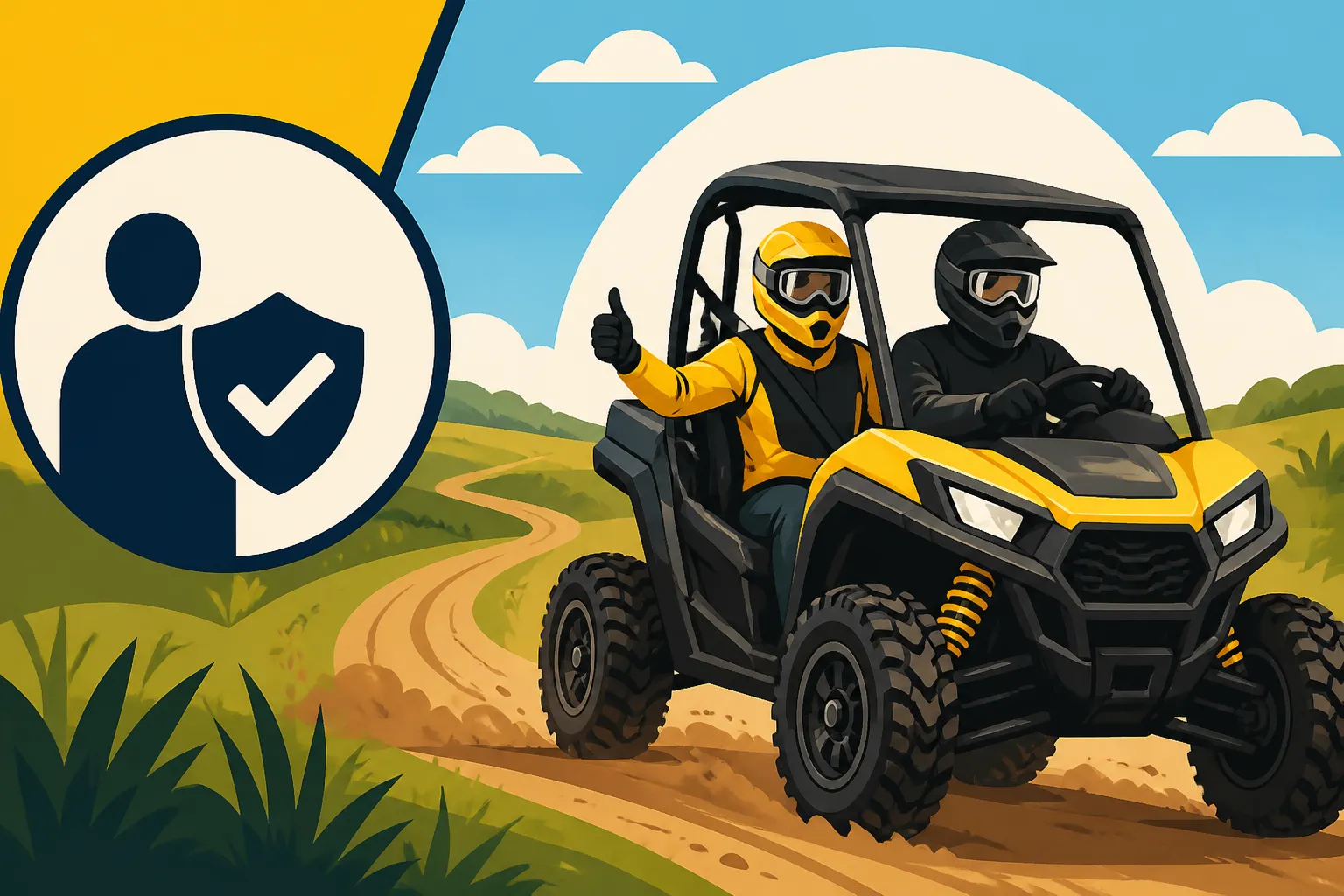
This is where the game changes! UTVs, or side-by-sides, are the workhorses and recreational vehicles specifically designed with multiple occupants in mind. Unlike ATVs, UTVs feature bucket or bench seats, seatbelts, and often roll-over protection structures, mimicking the safety features found in cars. North Dakota recognizes these design differences, and as such, passengers are generally permitted in a UTV as long as they are seated in a designated seating position and utilizing the available safety restraints.
The key here is "designated seating position." If your UTV has two seats and two seatbelts, it's a two-person machine. If it has four seats and four seatbelts, it's a four-person machine. You cannot have three people crammed into a two-person bench seat, nor can someone ride in the cargo bed unless it's specifically designed and equipped for passenger transport (which is rare for recreational UTVs). Always ensure that all passengers are properly belted in and that the total weight, including any cargo, does not exceed the manufacturer's gross vehicle weight rating. Many owners upgrade their UTVs with heavy-duty components from brands like SuperATV, such as lifted suspension or reinforced bumpers, which can enhance capability but still do not override the fundamental passenger capacity limits set by the manufacturer. For specific classifications of these machines, you might find [North Dakota Class II Width and Weight Limits] and [North Dakota Class III Machines Under 8,000 Pounds] helpful.
Here's a quick comparison of common OHV types and their typical passenger capacities:
| OHV Type | Designated Seating | Passenger Capacity (North Dakota Rules) | Key Safety Features |
|---|---|---|---|
| Class I ATV | Straddle Seat | 1 (Operator Only) | None for passengers; designed for single-rider control |
| Class II UTV | Bucket/Bench Seats | Per Manufacturer's Design (2-4 typically) | Seatbelts, roll-over protection, grab handles |
| Class III UTV | Bucket/Bench Seats | Per Manufacturer's Design (2-6+ typically) | Seatbelts, roll-over protection, grab handles |
| Dirt Bike (OHM) | Straddle Seat | 1 (Operator Only) | None for passengers; designed for single-rider control |
Dirt Bikes and Other Specialty Machines
When it comes to dirt bikes and other specialty off-highway motorcycles (OHMs), the rules are very similar to single-rider ATVs: they are almost exclusively designed for one rider. While some larger, street-legal motorcycles might have a passenger seat and footpegs, typical off-road dirt bikes are built for agility and single-rider control over rough terrain. Trying to carry a passenger on a dirt bike designed for one is exceedingly dangerous and would be a clear violation of North Dakota's safety statutes.
Even with some modified or unique off-road machines, the principle remains: if the manufacturer didn't explicitly design and equip it for a passenger with proper seating and restraints, then it's not legal or safe to carry one. Always consult your specific machine’s owner’s manual. Don't assume that just because you can physically fit someone on, it's allowed or advisable.
Practical Considerations for Carrying Passengers Safely
Beyond just adhering to North Dakota’s laws, there are numerous practical steps you can take to ensure a truly safe and enjoyable experience for everyone on board your OHV. Laws provide the baseline, but true safety comes from informed decisions, proper preparation, and responsible operation.
Essential Safety Gear for All Occupants
This is a non-negotiable. Whether you’re the operator or a passenger, protective gear is paramount. In North Dakota, the law explicitly states that all OHV operators and passengers under the age of 18 must wear a securely fastened helmet that meets U.S. Department of Transportation (DOT) standards. This isn't just a suggestion; it's a legal requirement that can prevent life-altering head injuries. For more detailed information on this, refer to [North Dakota Helmet Law for Riders Under 18].
But helmets are just the start. Eye protection, such as goggles or a face shield, is critical to protect against dust, debris, insects, and branches. Sturdy over-the-ankle boots protect feet and ankles from impacts and provide better grip. Long pants and long-sleeved shirts, even in warm weather, offer crucial protection against scrapes, sunburn, and brush. Gloves can prevent blisters and improve grip on the handlebars or grab handles. Investing in good quality gear for everyone riding, regardless of their age, dramatically reduces the risk of injury in the event of an unexpected bump or tip-over.
Operator Responsibility and Passenger Briefing
As the operator of the OHV, you hold the primary responsibility for the safety of your passengers. This means more than just driving carefully; it involves proactive communication and preparation. Before you even start the engine, take a few minutes to brief your passenger. Explain how the machine handles, what they should expect from the terrain, and what their role is.
Here are a few key points to cover:
- Hold On Firmly: Instruct them exactly where to hold on – designated grab handles are best.
- Keep Limbs Inside: Emphasize keeping arms and legs inside the machine at all times, especially when going through brush or around turns.
- Lean with the Ride: While less critical in UTVs than ATVs, a passenger should still understand to naturally lean into turns with the machine, not against it.
- No Sudden Movements: Ask them to avoid sudden, unexpected movements that could throw off the machine's balance.
Furthermore, consider the added weight of your passenger. Check your tire pressure and adjust your suspension if necessary to accommodate the extra load, as recommended in your owner's manual. A machine performing optimally is a safer machine. Many riders find that upgrading suspension components from brands like SuperATV can significantly improve the ride quality and handling with passengers and cargo, making for a more comfortable and secure experience over rough terrain.
Where Passengers Can Legally Ride in North Dakota
The rules for carrying passengers apply universally across all legal riding areas in North Dakota. Whether you’re exploring [North Dakota OHV Trails: All Four Riding Areas], navigating the unique network of [North Dakota Ditch Riding: The Legal Right Explained], or simply enjoying private land, the foundational rules about manufacturer-designated seating and age-appropriate gear remain unchanged.
It’s important to remember that while the state allows riding in specific areas, county and city ordinances can add further restrictions. Always check local regulations before you ride, especially if you plan on covering diverse terrains or visiting new areas. Regardless of the location, never take a passenger on an ATV not designed for two, and always ensure everyone in a UTV is properly seated and belted. Following these guidelines ensures that your adventures across North Dakota’s varied landscapes are not only exciting but also fully compliant and safe.
Penalties for Non-Compliance and Avoiding Issues
It's easy to think of OHV laws as just minor inconveniences, but violating passenger rules in North Dakota can lead to more than just a slap on the wrist. Understanding the potential consequences and adopting best practices can save you from legal trouble, financial penalties, and, most importantly, serious accidents.
What Happens If You Break the Rules
Riding an OHV with an unauthorized passenger, such as a second person on a single-rider ATV, is not just frowned upon; it's a violation of North Dakota law. An officer spotting this infraction can issue a citation, and the penalties can include fines, which can add up quickly, especially if combined with other violations. While specific fine amounts can vary, it's wise to assume a [North Dakota Ticket Cost for a Road Violation] will be an unwelcome addition to your day. Beyond the immediate financial hit, repeated offenses could potentially lead to more severe consequences, depending on the nature and frequency of the violations.
More critically, carrying an unauthorized passenger significantly increases your liability in the event of an accident. If an injury occurs and it's found that you were operating the OHV outside of its design specifications or legal passenger limits, your insurance coverage could be jeopardized. This could mean you're personally responsible for medical bills, property damage, and legal fees, which can be astronomical. This is why understanding [North Dakota Insurance Rules for OHV Riders] is so important—it's not just about having a policy, but ensuring you're operating within its terms. The financial and legal ramifications alone should be a strong deterrent against bending these safety rules.
Best Practices to Ensure a Safe and Legal Ride
The best way to avoid all these headaches is to be proactive and informed. Here are some best practices to ensure every ride with a passenger in North Dakota is safe and legal:
- Know Your Machine: Always read your OHV's owner's manual. It explicitly states the machine's designed seating capacity and any weight limits. This is your primary source of truth.
- Verify Seating: For UTVs, ensure every passenger has a dedicated seat and functional seatbelt. No lap-sitting, no riding in the cargo bed unless it's designed for it, and no exceeding the number of available seatbelts.
- Gear Up: Make sure everyone, especially those under 18, is wearing a DOT-approved helmet. Encourage eye protection, long clothing, and sturdy footwear for all riders.
- Brief Your Passengers: Take a moment before each ride to instruct passengers on proper posture, where to hold on, and the importance of keeping limbs inside the vehicle.
- Check Local Ordinances: While North Dakota has state-wide laws, always double-check local county and city ordinances, as some areas might have additional restrictions on OHV use, including passenger rules, though this is less common for passenger-specific rules.
- Maintain Your Machine: Ensure your OHV is in good working order. Proper tire pressure, functioning brakes, and a well-maintained suspension are crucial for safe operation, especially with added passenger weight. Consider high-quality parts and accessories, like those offered by SuperATV, to keep your machine in top condition and enhance its capabilities, always within legal and manufacturer-recommended limits.
By adhering to these guidelines, you not only stay within the bounds of North Dakota law but also create a much safer and more enjoyable experience for everyone. A little preparation goes a long way in preventing accidents and ensuring your time out on the trails or ditches is memorable for all the right reasons.
Disclaimer
This article is for general informational purposes only and does not constitute professional advice. Laws, prices and regulations vary by location and change over time. Consult a qualified professional for guidance on your specific situation.