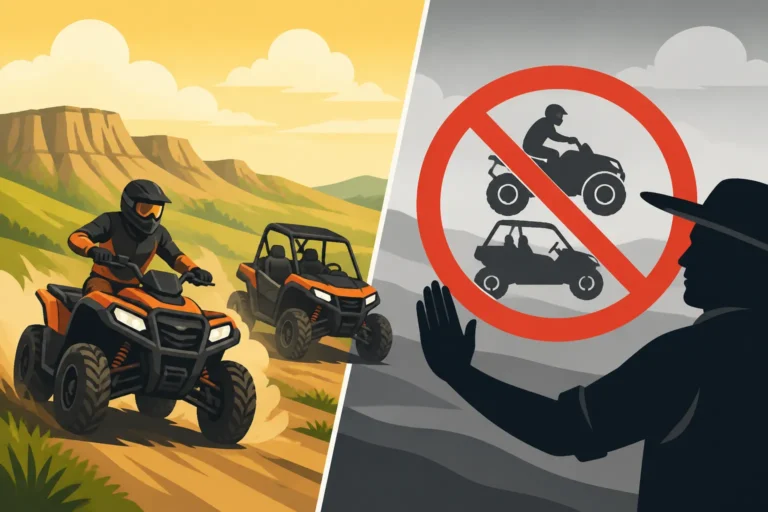
Dust on a Section Road
Riding the wide-open section roads of North Dakota on your ATV or UTV offers an incredible sense of freedom, but it doesn't take long for the dry, often gravelly or dirt surfaces to kick up a truly impressive amount of dust. This isn't just an annoyance; it's a real problem that can impact visibility, your machine's health, and your own comfort and safety. This guide is all about tackling that pervasive prairie dust head-on, so you can enjoy your ride without choking on the landscape.
Understanding North Dakota's Dusty Section Roads
Anyone who's spent time riding off-road in North Dakota knows that dust isn't just a byproduct; it's often a main character in the story of your ride. Our section roads, whether they're well-maintained gravel or less-traveled dirt tracks, are prime environments for dust plumes, especially during dry spells and windy days. It's a combination of the soil type, the lack of significant rainfall at certain times of the year, and the sheer openness of the prairie landscape that creates these conditions.
What Makes North Dakota Dust So Unique?
North Dakota's unique agricultural landscape plays a huge role in the dust situation. The soil here often has a high percentage of fine particles, which become airborne incredibly easily when disturbed by tires. Imagine a long stretch of gravel road, baking under the summer sun, then add a couple of ATVs or UTVs zipping along – that fine particulate matter lifts into the air like a cloud, hanging there for what feels like an eternity. It’s not like riding in a forest where moisture and canopy coverage might help keep things settled. Here, it’s wide open, and the wind, which is almost a constant companion on the prairie, helps carry that dust far and wide, often right into your face or your buddy's cab.
Moreover, the sheer length and straightness of section lines mean that dust can accumulate without much interruption. When you're following another rider, that dust can seriously impair your visibility, turning a fun group ride into a tense game of "guess where the trail went." This is especially true when riding the common [North Dakota Rules for Riding a Section Line] that crisscross our state.
The Impact of Dust on Your Ride and Machine
Beyond the obvious discomfort of breathing in dust, the fine particles can have a significant impact on both you and your off-road machine. For riders, it's about more than just a dirty face. Prolonged exposure to dust can irritate your eyes, nose, and throat, potentially leading to respiratory issues or aggravating existing conditions. If you wear glasses, visibility becomes a constant battle, and even goggles can fog or get caked in dust.
For your ATV or UTV, dust is a relentless enemy. It infiltrates every nook and cranny, acting as an abrasive on moving parts and clogging vital systems. Your engine, especially, is at risk. Dust can bypass air filters, get into the engine, and cause premature wear on cylinders, pistons, and bearings. It can also clog radiators, leading to overheating, and gunk up electrical connections. Believe me, dealing with engine problems far from home, out in the middle of nowhere near Bismarck or Fargo, is not how you want to spend your riding day. Proper maintenance after a dusty ride, as we'll discuss, isn't just a recommendation; it's a necessity if you want your machine to last.
Strategies for Managing Dust While Riding
Dealing with dust on North Dakota's section roads requires a multi-faceted approach, focusing on both rider protection and machine care. You can't eliminate dust entirely, but you can certainly mitigate its effects.
Protecting Yourself and Your Passengers
First and foremost, think about personal protection. Helmets are always a good idea for safety, but they also offer a degree of face protection. However, a good pair of goggles or a full-face helmet with a sealed visor is paramount. These don't just keep bugs out; they create a barrier against the constant assault of fine dust particles, allowing you to actually see where you're going. Many riders opt for tear-offs or roll-offs on their goggle lenses for quick clearing of accumulated dust during a ride.
Beyond your head, consider wearing a bandana, neck gaiter, or even a specialized dust mask. These simple additions can make a huge difference in keeping dust out of your airways, preventing that scratchy throat feeling that can linger for days after a particularly dusty excursion. If you're riding a side-by-side, especially one without a full cab enclosure, a good windshield is almost a non-negotiable accessory. Aftermarket windshields, often available from brands like SuperATV, can make a world of difference in deflecting the primary dust plume away from the cockpit.
For group rides, communication is key. Spread out a bit more than you might on a clean trail. Giving a little extra distance between machines allows the dust from the rider in front to settle slightly or dissipate. It also helps with visibility, making the ride safer for everyone. Remember, your legal obligations still apply, whether you're kicking up dust or not, so review [North Dakota Equipment Required on a Roadway] before heading out.
Keeping Your Machine Running Smoothly in Dusty Conditions
Your OHV's air filter is its first line of defense against dust. In North Dakota's dusty conditions, you need to be checking and cleaning or replacing your air filter much more frequently than the manufacturer's recommended intervals for "normal" use. A clogged air filter restricts airflow, reducing engine performance and potentially causing damage. Consider upgrading to a high-quality aftermarket filter designed for dusty environments, or even adding a pre-filter system to extend the life of your main filter. Some riders even apply a light coat of filter oil to their air filters to help trap those fine dust particles more effectively.
Radiator maintenance is another critical area. Dust, combined with any moisture, can form a caked-on layer that insulates your radiator, preventing it from effectively cooling your engine. Regularly inspect and clean your radiator fins. A low-pressure wash or an air compressor can help clear out debris, but be gentle – those fins are delicate. Overheating is a common issue in dusty, hot conditions, especially when pushing your machine hard.
Lastly, consider adding accessories that minimize dust intrusion. For UTVs, full cab enclosures, doors, and rear panels can drastically reduce the amount of dust that makes its way into the passenger compartment, creating a much more comfortable environment. These enclosures also help keep the interior cleaner, reducing the amount of dust that gets into the electronics and controls. A good quality, tight-fitting rear window or dust panel, often found with accessories from companies like SuperATV, can be particularly effective at stopping the "backdraft" of dust that often swirls into the cab from behind.
Safety and Legal Considerations on Dusty Roads
Riding on dusty section roads isn't just about comfort; it brings specific safety challenges and legal responsibilities that every North Dakota OHV enthusiast needs to be aware of.
Maintaining Visibility and Safe Distances
When dust is thick, visibility can drop to zero in an instant. This is incredibly dangerous, especially if you're riding with others or if there's other traffic on the road, such as agricultural equipment or farm trucks. Always adjust your speed to the conditions. If you can't see, you're going too fast. It's a simple rule, but one that's often overlooked in the excitement of a ride.
Maintain significant following distances, far greater than you would on a paved road. This isn't just for your safety, but for the safety of other riders or vehicles on the road. If you're leading a group, be mindful of the dust you're kicking up for those behind you. A quick hand signal indicating upcoming hazards or a reduction in speed can be a lifesaver. On section roads, you might also encounter turns or approaches that appear suddenly out of the dust cloud. Slow down, anticipate, and be ready to react. It’s important to remember that these aren't always designated trails like those in [North Dakota OHV Trails: All Four Riding Areas]; they are shared public routes.
Local Ordinances and Landowner Rights
While [North Dakota Rules for Riding a Gravel Road] generally permit OHV use on most section lines, it’s crucial to be aware of any specific local ordinances. Some counties or townships might have restrictions on OHV use, or rules related to speed, especially where residential areas border these roads. Kicking up massive dust clouds near homes can be a nuisance and lead to complaints, potentially jeopardizing future riding access.
Always respect private property. Section lines often run adjacent to cultivated fields or pastures, and sometimes landowners don't appreciate excessive dust drifting over their crops or bothering their livestock. Being a considerate rider means staying on the designated public right-of-way and being mindful of your impact on those living and working nearby. If a property is posted, it means no entry, and you should always adhere to [North Dakota Posted Land Rules for Riders]. If you're in doubt about a specific area, it's always best to check with local authorities or landowners beforehand. The better we are at being good neighbors, the more open roads we'll have to enjoy.
Machine Maintenance After a Dusty Ride
Bringing your machine home after a dusty run across North Dakota's section roads isn't the end of the adventure; it's the beginning of critical maintenance. Skipping this step is a sure-fire way to shorten the life of your ATV or UTV and invite costly repairs down the line.
Essential Post-Ride Cleaning
The first thing you want to do is get that dust off. A thorough wash is essential. Use a pressure washer carefully, keeping a safe distance from sensitive components like electrical connectors, bearings, and radiator fins. The goal is to remove the caked-on dust and grime, which often contains abrasive particles. Pay close attention to the engine bay, suspension components, and the underside of your machine. Dried dust mixed with any moisture can be incredibly corrosive and abrasive.
After washing, allow your machine to thoroughly dry. If you don't, moisture can get trapped in places, leading to rust or electrical issues. Many riders use an air compressor to blow out water from hard-to-reach areas and accelerate drying.
Here's a quick checklist for your post-dust cleaning routine:
| Component | Action | Frequency (Dusty Conditions) |
|---|---|---|
| Air Filter | Inspect, clean/replace (pre-filter if applicable) | Every ride / Before every ride |
| Radiator | Inspect, clean fins with low pressure water/air | Every ride |
| Engine Bay | Wash thoroughly, especially around cylinder head | Every ride |
| Suspension/Bearings | Wash, inspect for grit, re-grease as needed | Every 1-2 rides / Monthly |
| Brake Pads/Discs | Inspect for excessive wear from abrasive dust | Weekly / Every few rides |
| Chain/Driveshaft | Clean, lubricate chain (if applicable) | Every ride |
| Electrical Connectors | Inspect for dust/corrosion, use dielectric grease | Monthly / After deep washes |
| Cab/Interior | Vacuum/wipe down, especially around controls | Every ride |
Checking and Replacing Wear Parts
Dust dramatically accelerates wear on numerous components. Your air filter, as mentioned, is at the top of the list. Don't be surprised if you need to clean or replace it after every particularly dusty ride, especially if you're putting in a lot of miles.
Beyond the air filter, pay close attention to your brake pads and rotors. Dust acts as an abrasive, grinding down these components faster. If you hear any squealing or notice a reduction in braking performance, it's time for an inspection. Suspension components, including bushings and bearings, are also vulnerable. Dust can work its way into seals, compromising lubrication and leading to premature failure. If you hear new squeaks or feel excessive play, investigate promptly.
Finally, consider your oil. The fine particles that inevitably make it past the air filter, even a good one, can contaminate your engine oil. Regularly changing your oil and oil filter, particularly after extended periods of dusty riding, is one of the best investments you can make in the longevity of your engine. It's truly shocking how quickly oil can darken and thicken when it's constantly battling airborne grit. Taking these preventative steps means your machine will be ready for the next adventure, rather than waiting for parts in the shop.
Disclaimer
This article is for general informational purposes only and does not constitute professional advice. Laws, prices and regulations vary by location and change over time. Consult a qualified professional for guidance on your specific situation.