North Dakota Equipment Required on a Roadway
Riding your ATV or UTV in North Dakota is an absolute blast, whether you're working the land, hunting, or just enjoying the prairie. However, when it comes to taking these machines onto public roadways, things can get really confusing really fast. Owners often feel frustrated trying to decipher what modifications and equipment are actually needed to stay legal and safe. This comprehensive guide will strip away the mystery, breaking down every piece of equipment required to operate your off-highway vehicle (OHV) on North Dakota roads.
Understanding North Dakota's Intent for OHV Road Use
It's easy to assume that because an ATV or UTV is a motor vehicle, it should be able to travel anywhere a car can. But North Dakota, like many states, approaches OHV road use with a specific philosophy in mind. These machines are designed primarily for off-road terrain, and integrating them into the flow of conventional traffic requires careful consideration for everyone's safety. This isn't about making things difficult; it's about acknowledging the unique characteristics of OHVs and ensuring they don't pose undue risks on shared roadways.
The Core Philosophy: Limited Road Access
North Dakota's laws are built on the idea that OHVs have limited access to public roads. They aren't meant to be your primary commuter vehicle, nor are they intended for unrestricted highway cruising. Instead, the legal framework provides avenues for riders to cross roads, use certain types of roads, or access trails and private property. This limited access means that any machine venturing onto these designated road types needs to be equipped to a standard that allows it to operate predictably and safely alongside other vehicles. It’s a compromise, allowing convenience for riders while maintaining a level of safety for all road users. Without these rules, the potential for accidents due to mismatched vehicle capabilities would skyrocket.
Imagine you're trying to get from your cabin to a favorite fishing spot just across a gravel road. The law understands you need to do this. But it also understands that a large pickup truck might be coming the other way. Therefore, your ATV needs certain basic equipment to signal its presence and intentions, just like that truck does. This underlying principle guides every equipment requirement we'll discuss.
The Distinction Between Trails and Roadways
One of the biggest sources of confusion for OHV owners is the difference between riding on a designated trail and riding on a public roadway. Off-highway vehicle trails, like those you might find in [Pembina Gorge: North Dakota's OHV Trail Park] or on the [Roughrider OHV Trail Links Fort Abraham Lincoln and Fort Rice], are specifically designed for the unique dynamics of ATVs and UTVs. They often have width restrictions, speed limits tailored to the terrain, and are generally free from the typical mixed traffic you find on roads.
Roadways, on the other hand, encompass everything from a quiet township road to a busy state highway. These are environments where you share space with cars, trucks, motorcycles, and even farm equipment. The speeds are often higher, the surfaces are harder, and the expectations for driver behavior and vehicle visibility are entirely different. An ATV perfectly suited for navigating a muddy trail might be woefully underequipped for a paved road. Recognizing this fundamental distinction is key to understanding why specific equipment is mandated for road use. Your machine might be perfectly legal for the dirt without a horn, but it won't be on the pavement.
Why Equipment Matters on Public Roads
The simple truth is that OHVs handle differently than road-going vehicles. They have a higher center of gravity, different braking characteristics, and often less protection for the occupants. When you bring these machines onto roads, they instantly become part of a larger, faster-moving ecosystem where visibility, signaling, and control are paramount. The equipment requirements aren't just bureaucratic hurdles; they are fundamental safety measures. A working horn can prevent a collision with an inattentive driver, and proper lighting ensures you're seen during dusk or dawn operations.
Consider a scenario: you're riding your UTV down a section line road at dusk, perhaps heading back from a day of work or recreation. Without proper headlights and taillights, you're practically invisible to oncoming traffic or vehicles approaching from behind. If you need to make an unexpected stop, and your brake lights aren't functional, a following driver has no warning. This is why these seemingly minor details become critical safety components when operating on any surface shared with other vehicles. It's about minimizing risk for everyone on the road, including yourself.
Mandatory Lighting Requirements for North Dakota Roadways
When you're out on the trails, a good set of light bars from a company like SuperATV might make your nighttime adventures clearer, but for public roads, there are specific, legally mandated lighting requirements that go beyond just brightness. The goal isn't just to see where you're going; it's to ensure other drivers can see you, anticipate your movements, and react safely. Being visible is half the battle when sharing the road with larger, faster vehicles, especially during low-light conditions.
Headlamps: Seeing and Being Seen
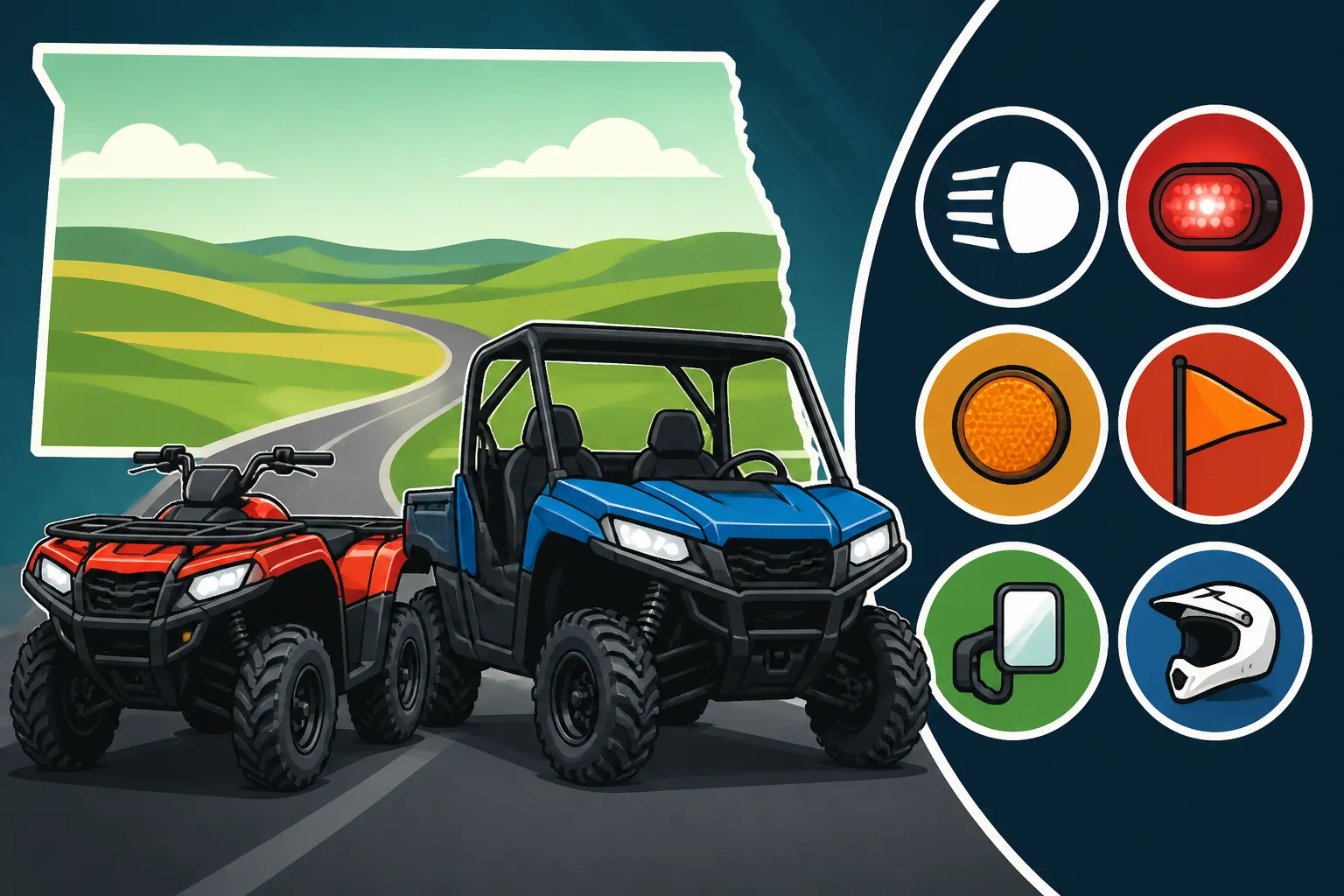
North Dakota law requires your OHV to have at least one headlamp when operated on a public roadway, capable of projecting a beam a certain distance ahead. This isn't just for your benefit so you can spot potholes; it's also crucial for making your presence known to oncoming traffic. A single, dim headlight might be sufficient for a slow-moving trail, but on a road, it can easily be mistaken for a distant light, or worse, not seen at all.
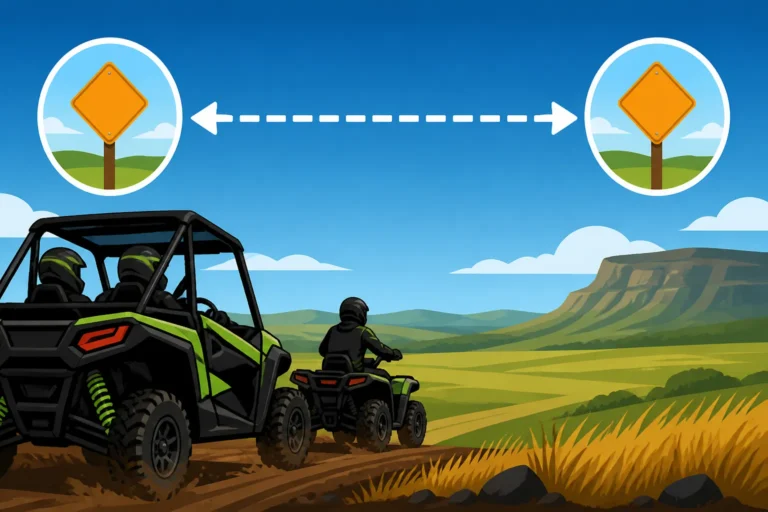
For a clearer picture, think about driving your regular car at night. You wouldn't dream of heading out with only one working headlight, let alone a dim one. The same standard of visibility applies to your ATV or UTV. These headlamps must be properly aimed, clean, and functional. If you've been doing a lot of muddy riding, a quick wipe down of your headlights before hitting the pavement can make a significant difference in how far your light projects and how effectively you're seen. Remember that [North Dakota Headlamp Distance Standards] are in place for a reason – they're about ensuring adequate visibility for everyone on the road.
Taillamps and Brake Lights: Crucial for Rear Visibility
Just as vital as your headlamps are the lights at the rear of your machine. North Dakota mandates at least one taillamp that emits a red light visible from a specific distance to the rear. This light helps other drivers gauge your presence, especially after dark or in inclement weather. But perhaps even more important are your brake lights. Your OHV must be equipped with at least one red brake light, activated by the foot brake, which is visible from the rear when applied.
Without functional brake lights, any vehicle following you has no immediate visual cue that you're slowing down or stopping. This can lead to dangerous rear-end collisions, particularly on gravel roads where dust can further obscure visibility. Before every road excursion, make it a habit to check your brake lights. Have a friend stand behind your machine, or back up to a wall to observe the reflection, and press the brake pedal. This simple check can prevent a serious incident. These requirements are directly addressed in [North Dakota Brake Light Requirement], emphasizing their importance.
Reflective Tape and Other Visibility Aids
While not always explicitly listed as "required equipment" in the same way lights are, adding reflective elements to your OHV is a smart, proactive safety measure that aligns with the spirit of the law. Brightly colored machines are easier to spot, but reflective tape or decals can make your OHV significantly more visible, especially from the sides, which are often overlooked. Think about the reflective strips on emergency vehicles or bicycle commuters – they dramatically increase visibility in low light.
For example, if you have a dark-colored ATV or UTV, applying some high-quality reflective tape to the fenders, side panels, or even your helmet can provide an extra layer of protection. This is particularly useful when you're crossing a road or traveling in areas where ambient light is minimal. While the law focuses on active lighting, anything that passively enhances your visibility contributes to a safer riding experience for everyone. It's a small investment that can yield significant safety dividends, especially during those shoulder seasons when daylight hours are shorter.
Essential Safety Equipment Beyond Lighting
Beyond simply having lights, there are several other critical pieces of safety equipment that North Dakota requires on your OHV when you take it onto a public roadway. These items are about providing the operator with better awareness of their surroundings and the ability to communicate their intentions to other drivers. They bridge the gap between an off-road toy and a legitimate, albeit limited, road-worthy vehicle.
Mirrors: A Clear View to the Rear
When you're out on the trail, you're usually focused on what's directly in front of you. But on a road, knowing what's behind you is absolutely vital. North Dakota law mandates that an OHV operated on a public highway must have at least one rearview mirror, properly mounted to give the operator a clear view of the highway to the rear. This isn't just about convenience; it's a fundamental safety feature that allows you to monitor traffic, assess passing situations, and make safe lane changes or turns.
Imagine you're preparing to make a left turn off a gravel road onto a section line. Without a mirror, you have no idea if a faster vehicle is approaching from behind, potentially putting you in a precarious position. A good mirror, like those readily available from accessories companies, allows you to glance back quickly and assess the situation without having to turn your entire body around, which can be unstable on an ATV. The clarity and field of vision offered by your mirror should be a priority. You can find detailed requirements concerning this in [North Dakota Mirror and Horn Requirements].
Horns: Making Your Presence Known
Another often-overlooked but absolutely essential piece of equipment for road use is a working horn. North Dakota requires that your OHV be equipped with a horn or other warning device capable of emitting sound audible from at least 200 feet away. While you might not use your horn frequently on the trail, it's a crucial communication tool in a road environment. It allows you to alert pedestrians, cyclists, or other drivers to your presence, especially in situations where they might not see you.
Think about pulling out of a field approach onto a road with limited visibility, or perhaps a child or pet wanders onto the shoulder. A quick honk of the horn can be a lifesaver, drawing attention to your machine and preventing an accident. Simply having a horn isn't enough; it must be fully functional and easily accessible to the rider. Testing your horn before each road excursion should be part of your routine. This is explicitly covered by [A Horn Audible at 200 Feet].
Speedometer and Odometer: Knowing Your Limits and Distance
While not always top-of-mind for off-road enthusiasts, a functional speedometer and odometer are required for OHVs operating on North Dakota roads. The speedometer allows you to monitor your speed and ensure you're adhering to posted limits, which is critical for safety and legality. Many roads have specific speed restrictions for OHVs, and without a speedometer, it's impossible to consistently comply.
The odometer, while perhaps less directly related to immediate safety on the road, provides a record of your machine's mileage. This can be important for maintenance schedules, proving fair market value during a sale, or simply tracking your adventures. For instance, knowing you've traveled a certain distance can help you anticipate fuel stops or plan for servicing. These instruments help you operate responsibly and maintain your machine effectively. You can learn more about these specific requirements in [North Dakota Speedometer and Odometer Rule].
Proper Tire and Braking Systems for Road Use
The very nature of an off-highway vehicle means it's designed with specific tires and braking systems optimized for dirt, mud, snow, or rock. However, when these machines transition to paved or even heavily-trafficked gravel roads, those very features can become liabilities if not managed or understood correctly. North Dakota's laws recognize this, placing specific emphasis on how tires and brakes perform on a roadway.
Non-Highway Tires: What They Are and Why They're Regulated
Many ATVs and UTVs come equipped with tires designed for maximum traction in loose terrain. These "knobby" or aggressive treads are fantastic for gripping dirt and climbing obstacles, but they behave very differently on hard, paved surfaces. They often have a smaller contact patch, which can reduce grip, especially when cornering or braking rapidly. Furthermore, these aggressive treads can wear down incredibly quickly on asphalt or concrete, costing you money and reducing their off-road effectiveness. [What Non-Highway Tires Means] clarifies that these aren't illegal, but their performance characteristics must be understood and respected.
While North Dakota doesn't necessarily outlaw every single type of off-road tire from touching a paved road, the spirit of the law implies that you should be using tires that are appropriate for the surface you're on. For frequent road use, some riders choose more "all-terrain" style tires that offer a better compromise between off-road traction and on-road stability and longevity. If your tires are specifically designed for maximum off-road grip, you need to be acutely aware of their limitations when braking or turning on hard surfaces, reducing your speed accordingly. The regulations also aim to prevent damage to public roadways from excessively aggressive tires, though this is less about specific equipment and more about responsible operation.
Adequate Braking for Roadway Speeds
Your OHV's braking system is crucial for safety, whether on a trail or a road. North Dakota requires that your machine has an adequate braking system, capable of controlling the movement of and stopping the vehicle. For road use, this means your brakes must be in excellent working order, able to bring your machine to a safe, controlled stop within a reasonable distance, even from your maximum legal speed.
The challenge here is that an ATV or UTV might stop very differently on pavement than it does in dirt. On loose ground, the tires might slide a bit, or the braking distance might be longer. On pavement, aggressive braking can lead to wheel lock-up more easily, especially with knobby tires, which can cause skidding and loss of control. Therefore, before venturing onto roads, ensure your brakes are properly adjusted, pads are in good condition, and fluid levels (if applicable) are correct. Practicing emergency stops in a safe, open area can help you understand how your machine behaves under hard braking on different surfaces. This skill is as important as the equipment itself.
Maintaining Tire Pressure for Paved Surfaces
Tire pressure, though often overlooked, plays a massive role in how your OHV handles on paved roads. Off-road riders often air down their tires for better traction and a smoother ride over rough terrain. However, those lower pressures are completely unsuitable for road use. Underinflated tires on pavement can lead to poor handling, increased rolling resistance (meaning more fuel use), excessive heat buildup, and premature tire wear. In extreme cases, they can even lead to a blowout.
For road travel, you should always inflate your tires to the manufacturer's recommended pressure for street use, or at least within a safe range that provides stability and prevents excessive sidewall flex. This often means a higher PSI than you'd use on the trail. Checking your tire pressure with a reliable gauge before each road ride is a quick and easy way to ensure your machine is handling as it should. Proper inflation improves steering response, braking effectiveness, and overall stability, making your road experience much safer. It's not just about the type of tire, but how you prepare it for the journey.
Exhaust and Noise Regulations
One of the more contentious areas of OHV regulation, particularly in more populated areas, revolves around exhaust systems and the noise they produce. While the roar of a powerful engine might be thrilling on a secluded trail, it can be a major nuisance, and even illegal, on public roadways or near residential zones. North Dakota has specific laws in place to manage exhaust emissions and sound levels, ensuring that OHV road use doesn't unduly disturb communities or negatively impact air quality.
Muffler Requirements: Keeping the Peace
North Dakota law requires every OHV operated on public roads to be equipped with a muffler in good working order and in constant operation. The purpose of a muffler is to prevent excessive or unusual noise and annoying smoke. This means no straight pipes, no intentionally modified exhaust systems that bypass the muffler, and no damaged mufflers that leak or produce excessive noise. The spirit of the law is clear: your OHV should operate as quietly as its original design intended, or at least within acceptable noise limits.
If you've installed an aftermarket exhaust, you need to ensure it's still compliant with state regulations. Some aftermarket systems are designed primarily for performance and can be significantly louder than stock. While these might be fine for track use or private land, they could land you a citation on a public road. A quick check of your exhaust system for any leaks, rust, or damage is a good practice before hitting the pavement. For more specific details, you should consult [North Dakota Muffler Requirements].
Sound Limits and Decibel Readings
While North Dakota law often refers to "excessive or unusual noise," some regulations may specify decibel (dB) limits. These limits are designed to provide an objective standard for what constitutes acceptable noise levels. The precise decibel limits can vary, but generally, they aim to keep vehicle noise below a threshold that would be considered a public nuisance. This means that a loud exhaust might not just annoy local residents; it could be a violation of the law.
Law enforcement officers may use decibel meters to test a vehicle's noise output if they suspect it's exceeding legal limits. For the average rider, the best approach is to simply ensure your muffler is stock or a compliant aftermarket unit and is in good repair. If your machine is significantly louder than other similar OHVs you encounter on the road, it's a good indicator that you might be pushing the legal limits. Being a considerate rider by keeping noise levels down contributes to a more positive public perception of OHV recreation.
Avoiding Aftermarket Exhaust Issues
The allure of aftermarket exhaust systems is strong for many OHV owners, promising increased horsepower, a sportier sound, or simply a different aesthetic. However, when it comes to road legality in North Dakota, these modifications can quickly lead to problems. Many high-performance exhaust systems are designed "for competition use only" and are explicitly not legal for street use due to their noise output or lack of emission controls.
Before you invest in an aftermarket exhaust, always verify that it is "DOT approved" or specifically designed to meet the noise and emission standards for street-legal vehicles in North Dakota. Installing a non-compliant exhaust system isn't just a risk for a ticket; it can also affect your machine's warranty or even its overall performance in an unexpected way. If you're unsure, it's always best to stick with the factory exhaust or consult with a reputable dealer or a company like SuperATV that understands the regulations and can recommend compliant options. A little research upfront can save you a lot of hassle and expense down the road.
Helmets and Passenger Considerations
Beyond the mechanical equipment of your OHV, North Dakota law also addresses personal safety gear, specifically helmets, and lays out rules for carrying passengers on public roads. These regulations are designed to protect riders and ensure that machines are used in a way that aligns with their manufacturer's intended design, especially when sharing space with other vehicles.
North Dakota Helmet Law for Young Riders
In North Dakota, the helmet law for OHV riders is specifically targeted at younger individuals. Any person operating or riding an OHV on a public highway or right-of-way who is under 18 years of age must wear an approved safety helmet. This helmet must be properly fitted and fastened. This law is about protecting our youth, who may have less experience and are more vulnerable to serious injury in an accident.
For parents, this means ensuring your child not only has a helmet but that it meets the Department of Transportation (DOT) standards and fits correctly. A helmet that is too large or too small, or one that isn't buckled, offers little protection. Even if your child is riding on private land, encouraging helmet use instills good safety habits. While adults over 18 are not legally mandated to wear a helmet on an OHV in North Dakota, it is always a strongly recommended safety practice for any rider, regardless of age. You can find more specific details about this requirement in [North Dakota Helmet Law for Riders Under 18].
Passenger Seating and Manufacturer Guidelines
The question of carrying passengers on an ATV or UTV is a common one, and North Dakota law aligns closely with manufacturer recommendations. Generally, an ATV (a Class I machine) is designed for a single operator, meaning it's only built to carry one person, the driver. Attempting to carry a passenger on a single-rider ATV can compromise stability, handling, and braking, making it extremely dangerous, especially on a public road where unforeseen hazards can arise quickly.
UTVs (Class II and Class III machines), on the other hand, are typically designed to carry multiple occupants, often with designated seating and seatbelts. However, you must only carry the number of passengers for which the machine was specifically designed and equipped by the manufacturer. If your UTV has two seats and two seatbelts, that's the maximum number of people it should carry. Adding extra passengers beyond the manufacturer's design capacity is not only illegal on North Dakota roads but incredibly unsafe, risking overcrowding and impaired driver control. Always adhere strictly to your machine's specifications for passenger capacity. This distinction is crucial for understanding [North Dakota Class I Machines Defined] and [North Dakota Class II Width and Weight Limits].
Age and Size Restrictions for Passengers
While North Dakota doesn't have explicit age restrictions for passengers on OHVs in the same way it does for operators, the general principle of safe operation applies. Any passenger, regardless of age, must be able to sit securely, reach the handholds (if applicable), and keep their feet on the footrests. If a child is too small to meet these criteria on a particular machine, they should not be riding as a passenger.
Furthermore, if the operator is under 16 years of age, they may have specific restrictions on carrying passengers, even on machines designed for multiple riders. It's always best to check the current North Dakota rules regarding minor operators and passengers. The overall goal is to ensure that the driver has full control of the vehicle and that all occupants are safely secured and not interfering with the machine's operation. When in doubt, err on the side of caution and ensure everyone on your machine is safely accommodated according to its design.
Miscellaneous but Critical Equipment
While we've covered the major components, there are a few other pieces of equipment that are critical for legal and safe OHV operation on North Dakota roads, even if they sometimes get less attention. These items contribute to environmental protection, vehicle cleanliness, and overall compliance.
Spark Arresters: Preventing Fires
A spark arrester is a critical piece of equipment, especially in North Dakota's often dry prairie environment, and is generally required on all OHVs. While it might seem more relevant to off-road trail use, it's still essential for any machine that could potentially be operated in areas susceptible to wildfires, including along road shoulders or in ditches. A spark arrester is a device that prevents incandescent particles from exiting the exhaust system, thus reducing the risk of starting a fire.
Most modern OHVs come equipped with a spark arrester from the factory, but it's important to ensure it's in good working order and hasn't been removed or modified. If you have an older machine or have made exhaust modifications, verify that a certified spark arrester is installed. Failing to have one can not only result in a fine but, more importantly, could lead to devastating wildfires. It’s a small component with a huge responsibility in fire prevention. You can consult [North Dakota Muffler Requirements] for more context on these exhaust system components.
Fenders and Mud Flaps: Keeping Debris Down
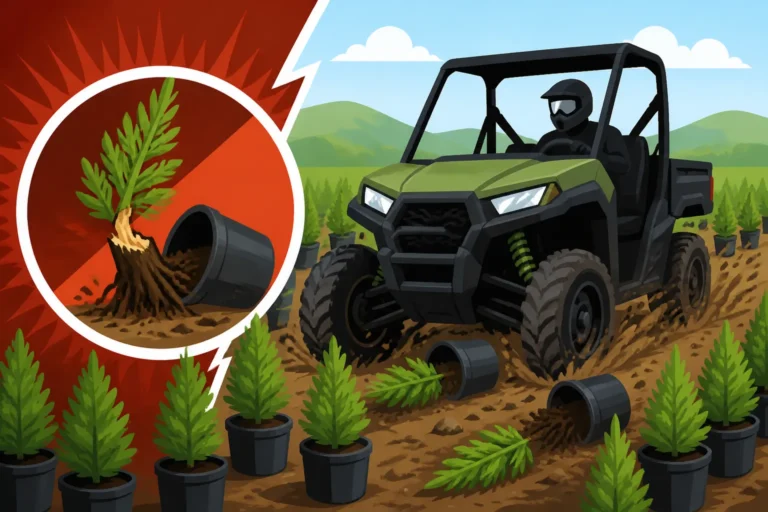
While not always explicitly listed with precise specifications, the expectation for vehicles on public roads is that they prevent excessive debris from being thrown onto other vehicles or pedestrians. This is where fenders and, potentially, mud flaps come into play. Aggressive off-road tires, especially on a UTV with a wide stance, can kick up a lot of mud, dirt, gravel, and even rocks.
Properly sized fenders are usually standard on ATVs and UTVs, designed to contain much of this debris. However, if you've added wider tires, lifted your machine, or installed custom wheels that push the tires further out, you might find that your factory fenders no longer provide adequate coverage. In such cases, adding aftermarket fender flares or mud flaps, perhaps from a brand like SuperATV, can be a smart move. This isn't just about avoiding a dirty windshield for the car behind you; it's about preventing potential damage or obscured visibility for others, contributing to overall road safety and courtesy.
License Plates and Decal Display
Once your OHV is registered, North Dakota law requires that your registration plate or decal be displayed in a specific manner. The registration decal must be securely affixed to the machine in a clearly visible location. This typically means on the left rear fender or a similar prominent position on the machine's rear. For some machines, or if you choose a plate, it must be displayed in a visible and secure location at the rear of the OHV. [North Dakota OHV Plate or Decal: Your Choice] offers flexibility, but visibility is key.
Failure to display your registration properly is a common reason for law enforcement stops and can result in a fine. The plate or decal is how authorities quickly identify that your machine is legally registered for operation. Ensure it's clean, legible, and not obscured by mud, equipment, or modifications. If your decal fades or gets damaged, ordering a replacement promptly is important to remain in compliance.
Practical Tips for Equipping Your Machine
Navigating the equipment requirements for OHV road use in North Dakota can feel like a checklist marathon. But with a bit of planning and routine maintenance, you can ensure your machine is always ready for legal and safe operation. It's not just about what you install, but how you maintain it and how you prepare for each ride.
Pre-Ride Checks and Maintenance
The best equipment in the world is useless if it's not maintained. Before every single ride that involves public roads, get into the habit of performing a quick pre-ride check. This doesn't have to be an hour-long ordeal; a 5-minute routine can cover the essentials.
- Lights: Check all headlamps, taillamps, and brake lights for functionality. Make sure lenses are clean.
- Brakes: Test both front and rear brakes for proper engagement and feel.
- Tires: Visually inspect for damage, and check pressure, especially if transitioning from off-road to on-road.
- Mirrors: Ensure they are clean, properly adjusted, and secure.
- Horn: Give it a quick honk to verify it's working.
- Muffler: Listen for any unusual sounds or rattles that might indicate a leak or damage.
- Helmet (for under 18): Check fit and buckle.
Regular, scheduled maintenance as per your owner's manual will keep all these components in top shape. Proactive maintenance not only ensures compliance but also significantly reduces the risk of breakdowns and accidents. This is an integral part of [What North Dakota's OHV Law Requires of Owners].
Aftermarket Accessories and Compliance
The world of aftermarket OHV accessories is vast and exciting, offering everything from enhanced lighting to performance upgrades. Companies like SuperATV offer a wide range of products that can significantly improve your riding experience. However, when selecting accessories, especially those that impact the mandated safety equipment, you need to be mindful of North Dakota's regulations.
Not all aftermarket parts are designed with street legality in mind. For example, a super-bright LED light bar might be fantastic for illuminating a dark trail, but it may not be legal for use as a headlamp on a public road if it's too bright or not DOT-approved. Similarly, a custom exhaust system might sound great, but if it exceeds noise limits, it's a no-go for pavement. Always look for products explicitly marketed as "DOT compliant" or "street legal" if you intend to use them on North Dakota roads. When in doubt, it's best to consult with a reputable dealer or even North Dakota's Department of Transportation for clarification on specific types of accessories.
Consulting Local Law Enforcement
State laws provide a broad framework, but local ordinances can sometimes add another layer of rules, especially concerning where and when OHVs can operate on city or county roads. While North Dakota states that cities cannot require local OHV registration, they can enact ordinances that restrict riding times or designate specific routes. [North Dakota County and City ATV Ordinances] highlights this complexity.
If you plan to ride your ATV or UTV on roads within a particular city or county, especially if it's a new area for you, a quick call to the local sheriff's office or police department can save you a lot of grief. They can often provide clarity on local restrictions, approved routes, and specific interpretations of state law. It's much better to ask proactively than to learn about a local ordinance the hard way through a citation. Building a good relationship with local law enforcement by demonstrating a commitment to safe and legal riding benefits the entire OHV community.
Equipment Requirements at a Glance
To help you keep track of what's absolutely essential for road use in North Dakota, here's a quick reference table. Remember, this is about compliance with the law for road operation, not necessarily what's needed for off-road trails.
| Equipment Type | North Dakota Roadway Requirement | General Safety Recommendation (Beyond Legal) |
|---|---|---|
| Headlamps | At least one headlamp, visible from 300 feet, capable of projecting light a specified distance. | Two headlamps for better visibility and redundancy. Clean lenses always. Consider auxiliary lights for off-road but turn off on road. |
| Taillamps | At least one taillamp, red light, visible from 500 feet to the rear. | Two taillamps for better visibility and redundancy. Ensure they are bright and easily distinguishable. |
| Brake Lights | At least one red brake light, activated by foot brake, visible from 500 feet. | Ensure all brake lights (if more than one) are functional. Check activation switch regularly. |
| Mirrors | At least one rearview mirror, providing a clear view of the highway to the rear. | Two mirrors (left and right) for optimal rear vision, especially on UTVs. Ensure they are stable and don't vibrate excessively. |
| Horn | A horn or warning device audible from at least 200 feet. | Test frequently. Consider adding an air horn for increased audibility in critical situations (if legal and not excessive). |
| Speedometer | Functional speedometer. | Regularly calibrate or verify accuracy. Pay attention to speed limits for OHVs on specific road types. |
| Odometer | Functional odometer. | Use for maintenance tracking and value assessment. |
| Muffler | In good working order, prevents excessive/unusual noise and smoke. | Avoid aftermarket systems not certified for street use. Conduct regular inspections for leaks or damage. |
| Spark Arrester | Required to prevent fires. | Ensure it's certified and well-maintained. Clean out carbon buildup periodically. |
| Tires | Non-highway tires allowed, but understand their limitations on paved surfaces. | Maintain correct tire pressure for road use. Inspect for wear, damage, or embedded objects before each ride. Consider more 'all-terrain' type tires for frequent road use. |
| Brakes | Adequate braking system to control and stop the vehicle. | Regular inspection of pads, rotors, and fluid. Practice emergency stops in a safe area to understand performance on hard surfaces. |
| Fenders/Mud Flaps | Implied necessity to prevent excessive debris, especially with wider tires. | Consider aftermarket fender flares or mud flaps if your tires extend beyond stock bodywork. |
| Helmet | Required for operators/passengers under 18 years of age (DOT approved). | Strongly recommended for all riders, regardless of age. Ensure proper fit and secure fastening. |
| Passenger Seating | Only carry number of passengers machine was designed for by manufacturer. | Ensure all passengers can safely sit, reach handholds, and place feet on footrests. Use seatbelts where provided. |
| Registration | Plate or decal securely affixed and clearly visible. | Keep clean and legible. Promptly replace if damaged or faded. |
Disclaimer
This article is for general informational purposes only and does not constitute professional advice. Laws, prices and regulations vary by location and change over time. Consult a qualified professional for guidance on your specific situation.