North Dakota Helmet Law for Riders Under 18
It's a tough reality to face, but off-highway vehicle (OHV) riding, while incredibly fun and a fantastic way to explore North Dakota's stunning landscapes, carries inherent risks, especially for our younger riders. Many parents and guardians feel overwhelmed trying to keep up with all the rules and ensure their kids are truly safe, often wondering if a helmet is truly required, or just a good idea. This comprehensive guide is here to unravel the specifics of North Dakota's helmet law for riders under 18, offering clarity and practical advice to protect your most precious cargo on the trails and ditches.
Understanding North Dakota's Core Helmet Requirement
When you think about hitting the gravel roads, ditch bottoms, or even dedicated trails in North Dakota, safety for your kids is likely top of mind. The state understands this, and that's why there's a specific legal requirement for helmets when it comes to younger riders. It's not just a suggestion; it's the law, designed to prevent serious injuries. This requirement focuses primarily on age, drawing a clear line in the sand for who absolutely must wear a helmet.
The Under-18 Rule in Practice
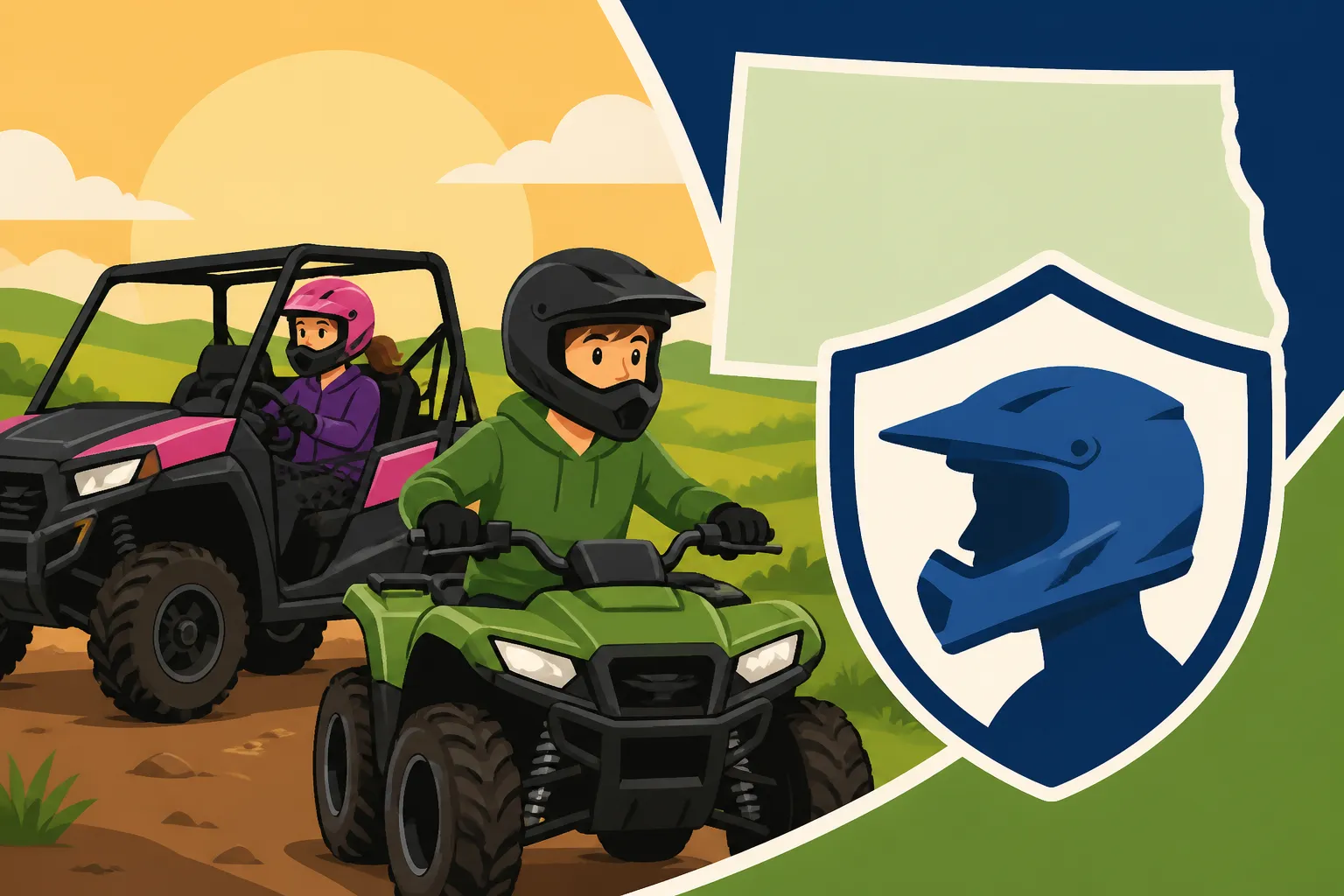
North Dakota law is quite explicit: any operator or passenger of an OHV who is under the age of 18 years old must wear an approved safety helmet. This isn't a rule that changes based on whether you're on public land, private land (unless you're the landowner or a direct family member on your own land), or a specific trail. If your child is riding an ATV, UTV, or dirt bike in North Dakota and they haven't reached their 18th birthday, that helmet needs to be securely on their head and properly fastened. It's about protecting their most vital asset, their brain, from the unpredictable nature of off-road riding. Imagine a simple rollover, even at low speeds – without a helmet, the consequences can be devastating. This applies whether they're just learning to ride a youth quad in the backyard or navigating more challenging terrain.
Defining an "Approved Safety Helmet"
The law doesn't just say "any helmet." It specifies an "approved safety helmet." What does that mean in practical terms? It means the helmet must meet certain safety standards, typically those set by the U.S. Department of Transportation (DOT). You'll often see a DOT sticker on the back of certified helmets. This certification indicates that the helmet has undergone rigorous testing to ensure it can withstand impacts and protect the rider's head in a crash. Helmets that are not DOT-approved, like some novelty helmets or bike helmets, simply don't offer the same level of protection and won't satisfy the legal requirement. When you're shopping, always look for that DOT symbol, because it's the gold standard for road and off-road safety. A reputable dealer or online retailer will always highlight this certification. You can learn more about specific requirements in [Helmets Meeting the DOT Standard].
Why Helmets Are More Than Just a Legal Requirement
Beyond the letter of the law, there's a powerful, undeniable reason why helmets are non-negotiable for young riders: safety. The statistics on head injuries in OHV accidents are sobering, and a properly worn helmet can be the difference between a minor scare and a life-altering event. As parents, we want our kids to enjoy the thrill of the ride, but not at the expense of their well-being.
The Harsh Reality of Head Injuries
OHVs are powerful machines, and even experienced adult riders can find themselves in unexpected situations. For children and teenagers, who might have less experience, slower reaction times, or less developed judgment, the risks are amplified. A collision with a tree, a rollover on an uneven ditch bank, or even falling off a machine at a standstill can lead to serious head trauma. Concussions, skull fractures, and even traumatic brain injuries are not uncommon. These types of injuries can have long-term consequences, affecting everything from cognitive function and memory to personality and motor skills. A helmet acts as the first line of defense, absorbing and dispersing impact energy, significantly reducing the force that reaches the skull and brain. It’s an investment in their future.
Peace of Mind for Parents and Riders
Let's be honest, as a parent, there's already enough to worry about. Knowing your child is out riding an OHV can bring its own set of anxieties. Enforcing the helmet rule, and ensuring they have a good quality, properly fitted helmet, can offer a significant amount of peace of mind. It allows you to breathe a little easier, knowing you've taken a critical step to protect them. For the kids themselves, while they might initially grumble about wearing a helmet, getting them used to it from a young age instills good safety habits that will serve them throughout their lives. It becomes part of the routine, like buckling a seatbelt in a car. It demonstrates that safety is paramount and non-negotiable, setting a precedent for responsible riding. This also ties into broader youth safety initiatives like [North Dakota Safety Course Minimum Age].
Who Exactly Is Affected by This Law?
The North Dakota helmet law for OHVs isn't just a blanket statement; it targets a specific demographic: anyone under the age of 18. This includes both the person operating the machine and any passengers they might be carrying. Understanding these nuances is crucial for ensuring full compliance and, more importantly, maximum safety for all young individuals enjoying the ride.
Operators Under Eighteen
If your child is old enough to operate an OHV in North Dakota (and there are specific age requirements for operation, which vary by machine type and location), and they are under 18, they must wear a helmet. This means if you have a 12-year-old on a youth ATV, or a 16-year-old driving a side-by-side, a DOT-approved helmet is mandatory. There's no wiggle room here. This rule applies whether they are zipping around a private field or venturing onto approved trails. It's a clear guideline for all young operators, reinforcing that responsibility comes with the privilege of operating these machines. Even if they've taken a safety course or obtained their [North Dakota OHV Safety Certificates at Age 12], the helmet rule still stands until they hit 18.
Passengers Under Eighteen
It's not just the driver who needs protection. The North Dakota law also extends the helmet requirement to any passenger under the age of 18. This is a critical point that sometimes gets overlooked. If you have a younger child riding with you on an ATV designed for a passenger, or in the passenger seat of a UTV, they too must be wearing a DOT-approved helmet. This is especially important as passengers often have less control over the machine's movements and might be more susceptible to injury during sudden stops, turns, or bumps. Ensuring all young riders, whether at the controls or just along for the ride, are properly geared up is a fundamental aspect of responsible OHV use. For more details on who can ride, check out [North Dakota Rules for a 12-Year-Old Rider] and [North Dakota Rules for a 15-Year-Old Rider].
The Parent's Role and Responsibility
Ultimately, the responsibility for ensuring compliance with this helmet law rests firmly on the shoulders of the parent or guardian. It's up to you to not only provide the correct helmet but to also enforce its consistent use. This means making sure the helmet is on before the engine starts and stays on until the ride is over. It's about setting clear expectations and leading by example. Your diligence directly impacts the safety of your child and ensures you're upholding the law. If an officer were to stop a young rider without a helmet, it's the parent or guardian who would likely face the consequences, both legal and emotional, should an accident occur. [North Dakota Parent Riding With a Child] delves deeper into these responsibilities.
Choosing the Right Helmet: Beyond Just DOT Approval
While DOT approval is the baseline, selecting the right helmet for a young rider involves more than just a sticker. Fit, type, and features all play a crucial role in maximizing protection and comfort, encouraging consistent wear. A poorly fitting helmet is almost as bad as no helmet at all, as it can shift during an impact or obstruct vision.
Finding the Perfect Fit
This is perhaps the most critical aspect after DOT certification. A helmet that's too loose can come off in a crash, or move around enough to block vision. One that's too tight can be uncomfortable, causing headaches and making the child less likely to wear it. You want a helmet that fits snugly all around the head, without any pressure points. When trying on a helmet, have the child shake their head from side to side and front to back. The helmet should move with their head, not slide independently. The chin strap should be snug, allowing only one or two fingers to fit underneath. For growing children, you might find yourself needing to replace helmets more frequently than you'd like, but it's an unavoidable expense for safety. Measure your child's head circumference carefully and consult the manufacturer's sizing chart.
Types of Helmets for OHV Riding
Different types of helmets offer varying levels of protection and features, and what's suitable for an adult might not be ideal for a child.
- Full-Face Helmets: These offer the most comprehensive protection, covering the entire head, face, and chin. They often come with a built-in visor to protect from dust, debris, and sun. They are highly recommended for OHV riding due to the varied terrain and potential for flying objects.
- Motocross/Off-Road Helmets: These are similar to full-face but usually feature an extended chin bar for better ventilation and a peak (visor) to deflect roost (dirt kicked up by other riders) and glare. They are typically worn with separate goggles. This combination is popular for serious off-road riding.
- Open-Face Helmets: While DOT approved, these offer no protection for the face or chin. They might be acceptable for very low-speed, casual riding on private property, but are generally not recommended for youth riders on trails or public access areas due to the increased risk to the face.
For most youth OHV riders, a full-face or motocross-style helmet is the safest choice. Think about the riding conditions – dust, branches, and potential tumbles – and choose accordingly. Brands like SuperATV, while known for vehicle accessories, also highlight the importance of proper safety gear, emphasizing that durable, high-quality helmets are fundamental.
Features to Look For
Beyond fit and type, consider these features:
- Ventilation: Good airflow prevents overheating, especially during summer rides, making the helmet more comfortable to wear for extended periods.
- Weight: A lighter helmet will be less fatiguing for a child's neck muscles.
- Removable Lining: A removable, washable liner is a godsend for keeping the helmet clean and fresh, especially after dusty or muddy rides.
- Impact Protection Systems: Some newer helmets incorporate advanced systems, like MIPS (Multi-directional Impact Protection System), designed to reduce rotational forces during angled impacts. While these often come at a higher price point, they offer an extra layer of protection.
Consequences of Non-Compliance: Risks and Penalties
Ignoring North Dakota's helmet law for riders under 18 isn't just a matter of breaking a rule; it carries significant risks, both in terms of potential injury and legal ramifications. It's crucial for parents and guardians to understand the serious implications of allowing a child to ride without the required head protection.
Safety Risks of Riding Without a Helmet
The most immediate and severe consequence of not wearing a helmet is, of course, the increased risk of severe head injury. We've already touched on the medical impact, but it bears repeating:
- Increased Severity of Injuries: Without a helmet, even a low-speed fall or minor collision can result in a concussion, skull fracture, or more severe traumatic brain injury. The ground, a rock, a tree, or even the machine itself can become a weapon against an unprotected head.
- Long-Term Health Issues: A severe head injury can lead to lifelong cognitive impairments, memory problems, personality changes, and physical disabilities. These are outcomes no parent ever wants for their child.
- Fatalities: Tragically, a significant percentage of OHV-related fatalities involve head injuries, many of which could have been prevented or mitigated by a helmet. It's a stark reminder of the importance of this simple piece of safety gear.
It's not just about surviving an accident; it's about the quality of life afterward. A helmet is an affordable insurance policy against devastating outcomes.
Legal Penalties for Violations
Beyond the safety risks, there are legal consequences for violating North Dakota's helmet law. While specific fines can vary, here's what parents and guardians might face:
- Fines: Allowing an underage rider (operator or passenger) to ride without a helmet can result in a fine. While not typically a severe penalty in terms of monetary cost, it's a formal citation and a black mark. For context, [A Basic OHV Violation Now Costs $50] for general infractions.
- Misdemeanor Charges: In some cases, particularly if negligence is involved or if the violation is part of a larger pattern of unsafe behavior, more serious charges might be considered. While unlikely for a first offense of no helmet, it's worth noting the potential for charges like those described in [What a Class B Misdemeanor Means in North Dakota].
- Liability: If an accident occurs and your child is injured while not wearing a legally required helmet, it could significantly impact any insurance claims or liability lawsuits. Even if another party was partially at fault, the lack of a helmet could be seen as contributory negligence, reducing your ability to recover damages for your child's injuries.
- Machine Impoundment: In rare or extreme cases of repeated violations or severe disregard for safety laws, authorities might have the power to impound the OHV itself. This is certainly an extreme measure, but it underscores the seriousness of these regulations.
Ultimately, the legal system is designed to encourage safety. The penalties, while inconvenient, are there to reinforce the importance of protecting young riders.
Beyond Helmets: Comprehensive Safety for Young Riders
While the helmet law is a critical piece of the puzzle, truly ensuring the safety of young OHV riders in North Dakota involves a broader approach. Helmets are foundational, but they work best as part of a comprehensive safety strategy that includes appropriate gear, proper training, and responsible riding habits.
Essential Riding Gear for Kids
A helmet is just one component of protective gear. For young riders, the following are equally vital:
- Eye Protection: Goggles are absolutely essential, especially with motocross-style helmets. They protect against dust, bugs, branches, and debris kicked up by other riders. Clear lenses are good for general use, while tinted or mirrored lenses are better for bright, sunny days.
- Gloves: Riding gloves protect hands from blisters, abrasions, and impacts. They also improve grip on the handlebars, which is crucial for control.
- Long Sleeves and Pants: Even on warm days, long-sleeved shirts and durable pants (like jeans or riding pants) are critical to protect skin from scrapes, cuts, and minor burns. Remember that even a light fall can cause road rash if skin is exposed.
- Over-the-Ankle Boots: Sturdy boots, preferably designed for riding, protect the feet and ankles from impacts, crushing injuries, and entanglement with footpegs or controls. Sneakers offer virtually no protection in an OHV accident.
- Chest Protectors (Optional but Recommended): For more aggressive riding or for younger, less experienced riders, a chest protector can guard against impacts to the chest, back, and shoulders.
When you're equipping your young rider, think about how brands like SuperATV focus on durable, protective accessories for the vehicle itself. Apply that same mindset to the rider's gear – investing in quality protection is always worth it.
Safety Training and Education
Knowing how to properly operate an OHV is just as important as wearing the right gear. North Dakota strongly encourages, and in some cases requires, safety training for young riders.
- OHV Safety Courses: These courses teach essential riding skills, safe operating procedures, trail etiquette, and an understanding of OHV laws. Many states, including North Dakota, offer online and in-person courses. For instance, [North Dakota Safety Course for an 11-Year-Old] outlines how even younger children can start their safety education. Completing a course is often a requirement for younger riders to operate on public lands, and it instills a sense of responsibility.
- Parental Instruction: Even with formal courses, parents play a vital role in continuing education. Teach your children about potential hazards, how to ride defensively, and the importance of respecting the land and other users. Emphasize that speed limits and caution are not just for adults.
- Understanding Machine Limits: Kids need to know the capabilities and limitations of their specific machine. A youth-sized ATV is designed for smaller bodies and lower speeds; it’s not a toy to be pushed beyond its design.
By combining the right gear with thorough education, you create a much safer environment for your young riders. This comprehensive approach is key to enjoying North Dakota's diverse riding opportunities responsibly.
Practical Tips for Parents and Guardians
Navigating the world of OHV riding with kids can feel like a lot to manage, but with a few practical strategies, you can make helmet compliance and overall safety a natural part of the experience. It's about more than just buying the gear; it's about fostering a culture of safety.
Leading by Example
Children are incredibly observant, and they often mirror the behavior of the adults around them. If you, as a parent or guardian, consistently wear your helmet when operating an OHV, your child is far more likely to do the same without argument. Make it a routine: helmet on, gloves on, boots on, then start the machine. Don't make exceptions for "short rides" or "just down the driveway." Consistency is key to establishing good habits. This also extends to other safety practices, like riding within your skill level, respecting posted signs, and always informing someone of your riding plans. When you demonstrate responsible behavior, it sends a powerful message that safety is a priority for everyone, regardless of age.
Making Safety Fun (or at least acceptable)
Let's face it, kids sometimes resist rules. While helmets aren't optional, you can try to make the process more agreeable. Involve them in choosing their helmet and gear. Let them pick the color or design (within DOT-approved options, of course!). A helmet they like the look of might be one they're more willing to wear. Explain why they need to wear it in age-appropriate terms, focusing on protection and keeping them safe to ride again. Instead of just "because I said so," try "this helmet is super important because it protects your brain so you can keep learning and having fun on your quad." Reward good safety practices, maybe with more riding time or a special treat after a safe ride.
Regular Gear Checks and Maintenance
Just like you maintain the OHV itself, routinely check your child's safety gear.
- Helmet Condition: Inspect the helmet for cracks, deep scratches, or any signs of impact. Even if there's no visible damage, helmets should be replaced after a significant impact, as their protective capabilities can be compromised. Check the chin strap for fraying or damage.
- Fit Reassessment: Children grow, and a helmet that fit perfectly last season might now be too small. Reassess the fit periodically, especially at the start of a new riding season or after a growth spurt.
- Other Gear: Ensure goggles aren't scratched to the point of impairing vision, gloves aren't torn, and boots still fit properly.
Maintaining gear isn't just about cleanliness; it's about ensuring it performs as intended when it matters most. By being proactive, you're not only adhering to [Under Eighteen and the Helmet Rule] but also fostering a safer, more enjoyable riding experience for your entire family in North Dakota's beautiful outdoors.
| Age Group | Helmet Requirement | Helmet Type Recommendation (DOT-Approved) | Key Considerations |
|---|---|---|---|
| Under 18 (Operator) | Mandatory | Full-Face or Motocross with Goggles | Proper fit, ventilation, weight, durable materials |
| Under 18 (Passenger) | Mandatory | Full-Face or Motocross with Goggles | Secure chin strap, clear vision, comfort |
| 18 and Over | Recommended | Full-Face or Motocross with Goggles | Personal preference, riding style, environmental factors |
Disclaimer
This article is for general informational purposes only and does not constitute professional advice. Laws, prices and regulations vary by location and change over time. Consult a qualified professional for guidance on your specific situation.