North Dakota Fine Increase in 2025
It's frustrating when you're out enjoying North Dakota's incredible landscapes on your ATV or UTV, only to find yourself confused by ever-changing rules or facing unexpected penalties. The last thing any enthusiast wants is to unintentionally break the law and get hit with a hefty fine. This guide will help you understand the significant changes that came with House Bill 1346, specifically focusing on the North Dakota fine increase that impacts ATV and UTV riders starting in 2025, and how you can proactively avoid them.
Understanding North Dakota's ATV/UTV Law Revisions (HB 1346)
North Dakota's legislature passed House Bill 1346 with the intention of clarifying and updating many aspects of off-highway vehicle (OHV) operation across the state. For years, riders, law enforcement, and even landowners have grappled with some ambiguity in the rules, leading to misunderstandings and inconsistencies. This bill represents a concerted effort to bring greater clarity, but also to address perceived issues with compliance and safety on public and private lands. It's not just about adding new rules; it's about making existing regulations more enforceable and, frankly, more impactful when they're broken.
The revisions cover a wide array of topics, from how and where you can ride to equipment requirements and, critically for this discussion, the financial consequences of non-compliance. These changes are designed to foster a safer riding environment for everyone, reduce conflicts between riders and other land users, and ensure that the state's natural resources are protected. However, for the average rider, the most immediate and tangible effect of this legislation will be felt in their wallet if they aren't fully informed. It's no longer enough to just "think" you're following the rules; a deeper understanding is now essential.
The Rationale Behind Increased Penalties
Why would the state decide to increase fines, especially when many riders are simply trying to enjoy their hobby? The rationale behind these increased penalties is multifaceted. First and and foremost, safety is a huge driver. As OHV use grows in popularity, so too does the potential for accidents, property damage, and conflicts with pedestrians, equestrians, and other vehicles. Higher fines are often seen as a stronger deterrent, pushing riders to be more cautious and adhere strictly to safety regulations, like wearing proper gear or understanding speed limits.
Beyond safety, there's a clear intent to enhance enforcement. When fines are low, some individuals might view them as merely the "cost of doing business" if they're caught breaking a rule. By significantly increasing the financial sting, the state hopes to encourage voluntary compliance and reduce the burden on law enforcement who spend valuable resources responding to complaints about illegal or unsafe OHV operation. This isn't about punishing riders who make honest mistakes, but rather creating a stronger incentive for all riders to educate themselves and prioritize responsible riding habits, whether on designated trails or when navigating [North Dakota Ditch Riding: The Legal Right Explained].
What Constitutes an OHV Violation in North Dakota
Understanding what exactly counts as an OHV violation is your first line of defense against those increased fines. It's not always the obvious stuff like riding while impaired (which, trust me, is a serious offense). Many violations stem from simple oversight or a lack of knowledge about specific state and local regulations. For instance, failing to register your machine, even if you just bought it, can quickly land you in hot water. Similarly, riding on private land without explicit permission from the landowner is a clear trespass violation, and in North Dakota, landowners often take this very seriously, especially with the state's [North Dakota Posted Land Signs and Riders] laws.
Other common violations include operating a machine without the required safety equipment, such as proper helmets for younger riders as outlined in [North Dakota Helmet Law for Riders Under 18], or lacking essential items like mirrors or headlights when operating on certain roads. Then there are the "where to ride" rules: straying off designated trails, riding on prohibited road types, or ignoring posted signs can all lead to fines. It's crucial to remember that ignorance of the law is rarely an excuse. A quick check of local ordinances or state guidelines before you ride can save you a lot of grief and money.
The Specifics of the 2025 Fine Increase
Starting in 2025, the financial consequences for various OHV infractions in North Dakota are set to see a significant uplift, thanks to the provisions of HB 1346. It's not a blanket increase of a flat amount; rather, the changes reflect a structured approach, with basic violations seeing substantial bumps and more egregious offenses potentially carrying penalties that can seriously impact your finances and even your legal record. The intent is clear: to make illegal OHV operation a much costlier proposition than it has been in the past.
You can expect to see a tiered approach, where minor infractions that might have once resulted in a relatively small ticket will now be noticeably more expensive. For example, what was once considered [A Basic OHV Violation Now Costs $50] will see a significant percentage increase, making even minor slips in compliance much more impactful. This aims to shift the mindset from "I might get a small fine" to "this could really hurt my wallet." The state wants to ensure that the fines serve as a genuine deterrent, encouraging riders to invest in proper registration, safety equipment, and education rather than risk the higher penalties.
Basic OHV Violations and Their New Costs
Even what seems like a minor oversight can now carry a much heavier financial weight. Think about those "simple" things that sometimes get overlooked: an expired registration, forgetting your safety certificate, or riding on a surface where your machine isn't permitted. Before 2025, these might have been irritating but manageable fines. Now, these basic violations are seeing a considerable increase in cost. For example, failing to have a current OHV registration, even if your machine is otherwise perfectly safe and legal, will be more expensive. This also applies to things like not having the proper mirrors or a horn if you're venturing onto specific roadways – components that many riders get from places like SuperATV to ensure compliance and enhance safety.
Another common area is improper equipment for specific riding conditions or locations. If you're riding on certain public roadways, [North Dakota Equipment Required on a Roadway] includes items like a working headlight and taillight, a horn, and often a rearview mirror. Neglecting these could lead to a fine. Similarly, if you have a youth rider on board, ensuring they meet the [North Dakota Helmet Law Age Limit] is critical. These aren't just minor suggestions; they're legal requirements, and the fines for ignoring them are designed to reflect the state's commitment to safety and order. It’s all about creating a greater incentive to comply with the letter of the law from the outset.
Enhanced Penalties for Serious Offenses
While basic violations are getting pricier, the truly serious offenses are where you'll see the most dramatic penalty increases. We're talking about things that put lives at risk or cause significant damage to property or the environment. Operating an OHV while under the influence of alcohol or drugs, for example, is already a grave offense, but [North Dakota DUI Rules for OHV Riders] will see even harsher penalties, aligning more closely with DUI offenses in traditional motor vehicles. This is a clear signal that the state has zero tolerance for impaired operation, regardless of the vehicle type.
Beyond DUI, reckless operation – weaving erratically through trails, performing dangerous stunts in public areas, or excessive speeds in inappropriate zones – will also face substantially steeper fines. Acts of deliberate trespass, particularly on agricultural lands or sensitive natural areas, may incur not only increased fines but also potential liability for any damage caused. These enhanced penalties reflect the state's determination to crack down on behavior that not only endangers the rider but also creates hazards for others and harms North Dakota's natural beauty and economic interests. Understanding that [What a Class B Misdemeanor Means in North Dakota] can extend far beyond a simple ticket should be a sober reminder for every rider.
Navigating Compliance and Avoiding Penalties
Avoiding the increased fines in North Dakota isn't about finding loopholes; it's about being a responsible, informed rider. The easiest way to sidestep these financial penalties is to simply understand and comply with the state's OHV laws. It sounds straightforward, but with nuanced rules about registration, equipment, and where you can actually ride, it requires a bit of homework on your part. Think of it as investing a little time upfront to save yourself a lot of money and headaches down the road.
Regularly reviewing the North Dakota Department of Transportation's (NDDOT) resources or even checking in with local motor vehicle branch offices can keep you current. Laws can change, as evidenced by HB 1346, and staying informed is your best defense. Don't rely on word-of-mouth from fellow riders, as interpretations can vary and information can quickly become outdated. Make it a habit to seek out official sources.
Keeping Your Machine Legal
The first step to avoiding fines is ensuring your machine itself is fully legal. This starts with proper registration and titling. Every OHV operated on public lands or certain road types in North Dakota generally needs to be registered. Knowing [North Dakota OHV Registration Cost] and the specific requirements for your machine type (ATV, UTV, dirt bike) is crucial. Don't let your registration lapse! It's an easy ticket to avoid. Also, if you’re a new resident or just bought a machine, ensure you understand the process for [North Dakota Registration for a New Resident] or how to properly transfer ownership.
Beyond paperwork, your machine needs to be equipped correctly for where you plan to ride. If you anticipate riding on gravel roads or crossing highways, you'll need essential safety features. This often includes a rearview mirror, a working horn, and appropriate lighting. Many riders turn to aftermarket suppliers like SuperATV to find durable and compliant accessories that meet or exceed these requirements, ensuring their machines are street-legal where permitted and safe in all conditions. Things like a sturdy set of mirrors, bright LED lights, or even a reliable winch can not only make your ride safer but also help you avoid fines related to inadequate equipment. For example, if you're upgrading your machine, ensuring any modifications keep you within the legal width limits for a [North Dakota Class II Width and Weight Limits] machine is key.
Knowing Where and How to Ride Legally
One of the biggest areas where riders run into trouble is not knowing where they can legally ride. North Dakota has specific rules about ditch riding, section lines, and paved versus gravel roads. [North Dakota ATV Road Rules by Surface Type] are clearly defined, and ignoring them can lead to significant fines. For instance, while ditch riding is common and generally legal in North Dakota, there are specific areas (like inclines, shoulders, or within city limits) where it's prohibited. Always pay attention to posted signs, which clearly indicate where OHV operation is restricted or forbidden.
Accessing public lands, like those managed by the US Forest Service or Army Corps of Engineers, often comes with its own set of rules. Always check Motor Vehicle Use Maps (MVUMs) for these areas. These maps show designated routes and areas open to OHV use and are your definitive guide. When riding on private land, written permission from the landowner is always the safest bet. Verbal permission can be hard to prove if there's a misunderstanding or a new landowner. Also, be aware of rules about noise and operating hours, particularly if you're near residential areas. Taking the time to understand the [North Dakota Trespass Law for Riders] before you hit the trails or fields can save you from a very uncomfortable encounter and a hefty fine.
The Broader Impact on North Dakota Riders
The North Dakota fine increase for OHV violations, coming into effect in 2025, represents more than just a higher price tag for breaking the rules. It signals a shift in how the state views and manages off-highway vehicle recreation. This isn't just about revenue generation; it's a clear statement from the legislature about accountability, safety, and respect for public and private lands. The broader impact will likely be felt throughout the riding community, influencing rider behavior, local enforcement priorities, and even the public perception of OHV enthusiasts.
We may see increased awareness campaigns from state agencies, OHV clubs, and perhaps even dealerships, emphasizing education and compliance. It could also lead to more diligent equipment checks by law enforcement, especially at popular riding areas or during peak seasons, as officers will be armed with clearer guidelines and more impactful penalties. Ultimately, the goal is to cultivate a culture of responsible riding, where the vast majority of enthusiasts adhere to the rules, ensuring the continued enjoyment of North Dakota's diverse riding opportunities for everyone.
What a Class B Misdemeanor Means in North Dakota
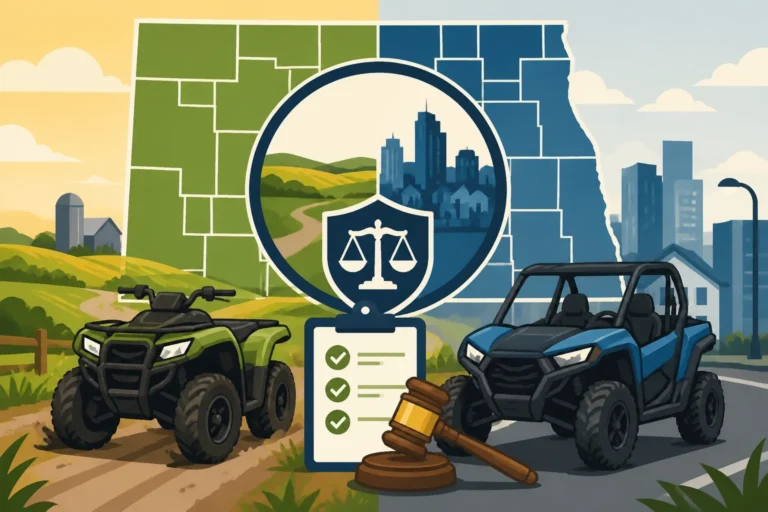
It's crucial to understand that some OHV violations in North Dakota aren't just simple traffic tickets; they can escalate to criminal charges, particularly with the new increased penalties. A Class B Misdemeanor, for instance, is a serious matter. It's not merely a fine that you pay and forget about. In North Dakota, a Class B Misdemeanor can carry significant legal consequences, including substantial fines that are far greater than a typical traffic citation, and potentially even jail time.
Beyond the immediate financial and personal liberty implications, having a Class B Misdemeanor on your record can affect various aspects of your life. It can impact employment opportunities, housing applications, and even your ability to obtain certain licenses or permits in the future. For example, severe cases of reckless operation, repeated trespass, or [North Dakota DUI Rules for OHV Riders] could fall into this category. The increased fines are meant to underscore the seriousness of these offenses, pushing riders to think twice before engaging in high-risk or illegal behavior. It really highlights why understanding the full scope of [What a Class B Misdemeanor Means in North Dakota] is so important.
Checking with Local Law Enforcement and Resources
Given the updates and increased penalties, one of the smartest things you can do is to actively seek out current information, especially from local sources. While state laws provide a general framework, individual counties and cities in North Dakota often have their own specific ordinances or restrictions regarding OHV use. For example, some cities might have strict rules about operating OHVs within town limits or during certain hours. What's legal in one rural township might be prohibited just a few miles down the road in another jurisdiction.
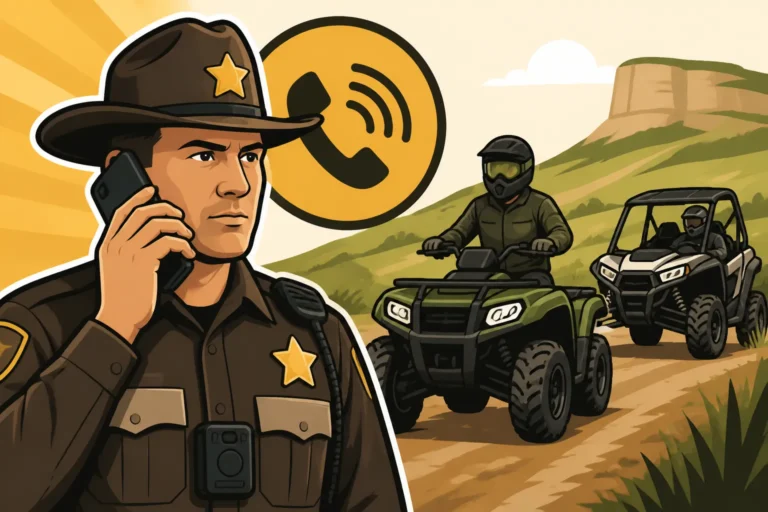
Before heading out to a new area, it's always a good idea to [Checking With Local Law Enforcement First] in that specific county or town. A quick phone call to the sheriff's department or local police can clarify any ambiguities and save you from an unwelcome surprise. Additionally, many county websites or state parks and recreation departments offer online resources, maps, and updated guidelines specific to their areas. Staying proactive and informed by checking these local resources is your best defense against inadvertently violating a rule and facing those new, higher fines.
| Violation Type (General) | Pre-2025 Penalty Shape | Post-2025 Penalty Shape |
|---|---|---|
| Minor Registration/Permit Issues | Modest Fixed Fine | Significantly Increased Fixed Fine |
| Equipment Non-Compliance (Minor) | Minor Fixed Fine | Noticeably Higher Fixed Fine |
| Riding in Prohibited Zones | Standard Fixed Fine | Substantially Increased Fixed Fine |
| Basic Trespass | Moderate Fixed Fine | Higher Fixed Fine, Potential Civil Liability |
| Reckless Operation | Significant Fixed Fine, Possible Misdemeanor | Greatly Increased Fixed Fine, Likely Misdemeanor |
| DUI/Impaired Operation | Substantial Fine, Misdemeanor, License Suspension | Dramatically Higher Fines, Misdemeanor, Extended Suspensions |
Disclaimer
This article is for general informational purposes only and does not constitute professional advice. Laws, prices and regulations vary by location and change over time. Consult a qualified professional for guidance on your specific situation.