Transitory Operation Past an Obstruction
We've all been there: enjoying a perfectly legal ride along a North Dakota ditch bottom or section line, minding our own business, when suddenly, you come face-to-face with an unexpected obstacle. Maybe it's a massive mud pit, a downed tree, a piece of farm equipment left by the field edge, or even a daunting snowdrift in the colder months. Your heart sinks because you know the rules about staying on track. This guide is here to explain exactly what North Dakota law means by "transitory operation past an obstruction" and how you can legally and safely navigate these tricky situations without running afoul of the law or upsetting landowners.
Understanding North Dakota's Ditch Riding Rules
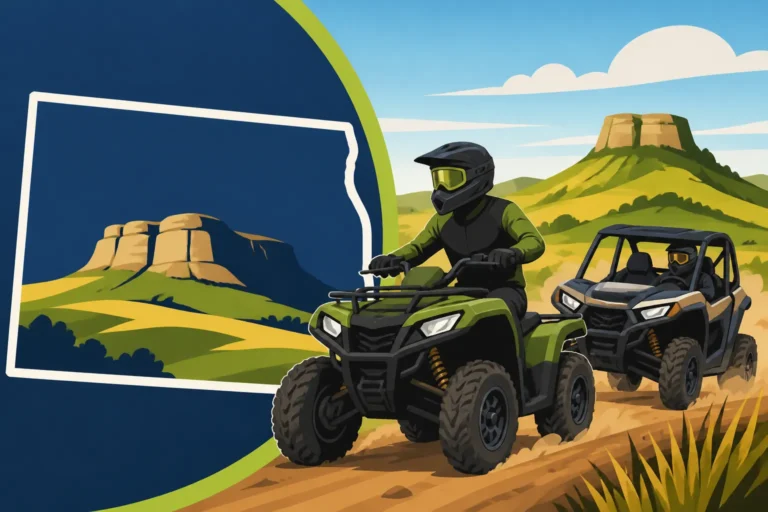
Riding off-highway vehicles (OHVs) in North Dakota offers incredible freedom, especially when it comes to utilizing the extensive network of ditches and section lines that crisscross our beautiful state. For many, these aren't just pathways; they're the heart of our riding experience, connecting us to hunting spots, fishing holes, or just offering a scenic route from one small town to another. However, this freedom comes with clear responsibilities and rules that are vital to understand and follow, both for your safety and to maintain good relationships with landowners and law enforcement.
The core principle is that you must stay within the legal confines of the ditch or section line. This typically means the area between the shoulder of the road and the adjacent private property line, or the designated width of a section line. It's not a free-for-all across open fields. The state legislature has carefully defined where and how OHVs can operate, aiming to balance recreational access with property rights and public safety. You'll often hear discussions about [North Dakota Ditch Riding: The Legal Right Explained], which dives deep into these specifics, outlining exactly what is permissible and what isn't. It's a privilege, not an inherent right, to use these areas, and that means respecting the boundaries.
When you're out there, whether you're on a four-wheeler cruising a county road ditch or navigating a side-by-side along a section line, you're expected to maintain a consistent path. This adherence to the designated riding area is what keeps everyone safe and prevents conflicts. Knowing your route and understanding the terrain ahead is always a good idea. However, North Dakota's landscape is dynamic, and sometimes, despite your best planning, an unforeseen obstacle will appear directly in your legal path. That's where the concept of "transitory operation" becomes your guide. Understanding these foundational rules sets the stage for knowing when and how you can temporarily deviate without breaking the law. For those exploring property access, checking out [North Dakota Rules for Riding a Section Line] can offer more insights into specific allowances.
What "Transitory Operation Past an Obstruction" Really Means
This mouthful of a legal phrase is actually a lifesaver for North Dakota OHV riders. In essence, "transitory operation past an obstruction" is the law's way of saying, "We know things happen out there, and sometimes you have to briefly leave the designated riding area to get around an unexpected block in your path." It grants you a limited, temporary allowance to deviate from the ditch bottom, back-slope, or section line when a legitimate obstruction makes continued travel impossible or unsafe. It’s not a carte blanche to go wherever you please, but rather a practical exception designed for real-world scenarios.
The key words here are "transitory" and "obstruction." "Transitory" means temporary and brief—you're not meant to embark on an extended detour. The goal is to bypass the immediate blockage and return to your legal riding area as quickly and safely as possible. An "obstruction" refers to something that physically impedes your progress, making it impractical or dangerous to continue. This could be anything from a broken culvert that has washed out the ditch, to a giant fallen tree, a construction crew at work, or even an unyielding patch of gumbo mud after a heavy rain. This specific provision is often highlighted when discussing [North Dakota's Obstruction Exception], which provides a legal framework for these unavoidable deviations.
Examples of Permissible Obstructions
Let's talk about what might qualify as an obstruction you can bypass. It's typically something that has unexpectedly appeared or grown to an unmanageable size since the last time you rode that specific route. Think about these common scenarios:
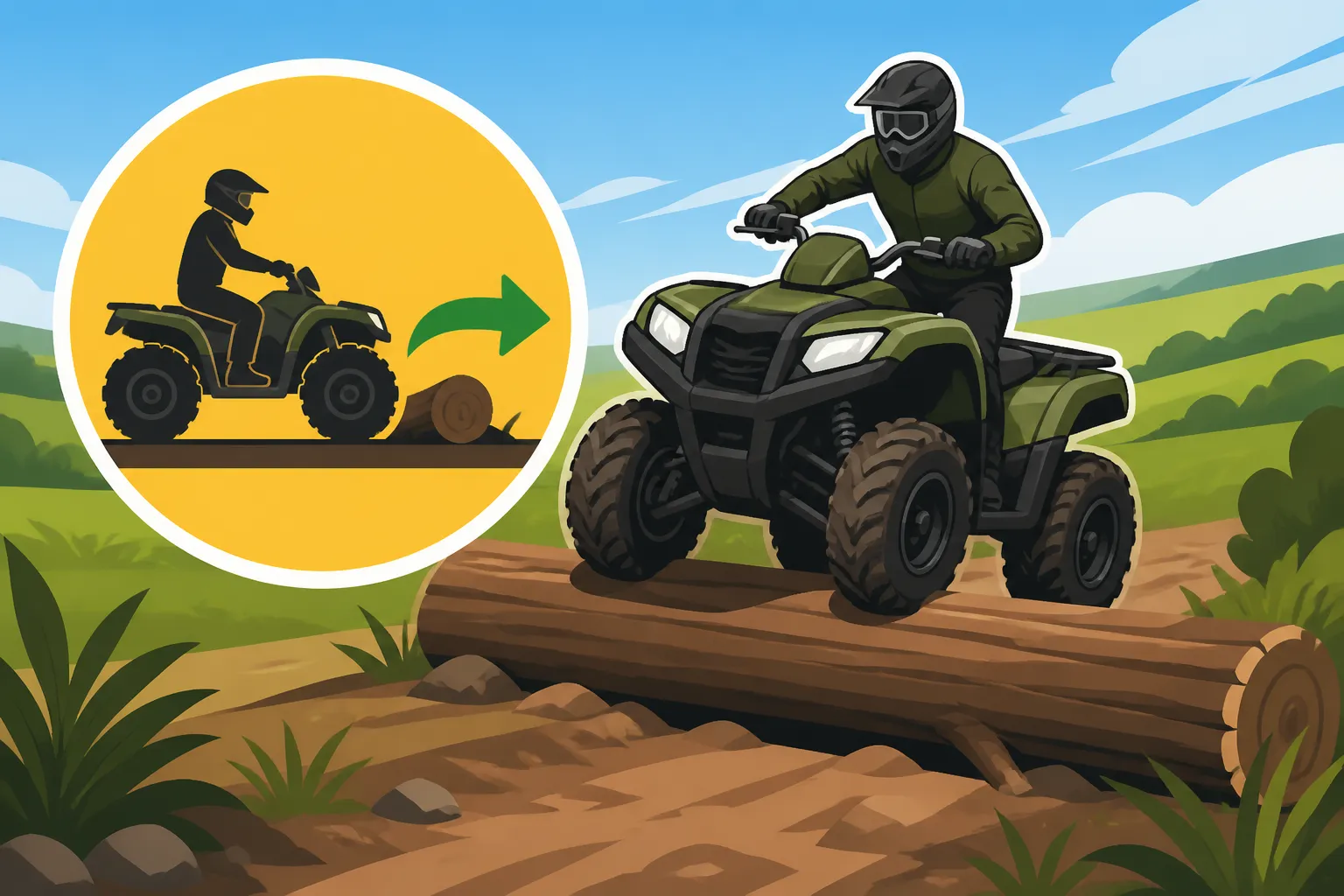
Imagine you're cruising a county road ditch and come upon a massive, freshly fallen tree that spans the entire ditch. There's no way around it without leaving the immediate area. Or perhaps you encounter a section of the ditch completely submerged and impassable due to recent heavy rains, far beyond what your machine can handle safely. Sometimes, you'll encounter a broken-down tractor or combine left near the field edge for repairs, temporarily blocking the section line you planned to follow. In winter, an enormous snowdrift, plowed up against the fence line, might make a section line impassable, forcing you to temporarily skirt its edge. These are all situations where a transitory deviation is generally acceptable. Your judgment is key here; it needs to be a genuine obstruction, not just a slightly inconvenient bump in the road.
Now, while this rule is about getting past an obstruction, it's also about preparedness. Sometimes, an obstruction is just too much, and a bypass isn't safe or possible. In those moments, having the right gear can make all the difference. For instance, if you encounter a deep, unavoidable mud bog, a robust winch system from a brand like SuperATV could be the tool that gets you through or out of a sticky situation, rather than forcing a potentially illegal or damaging bypass. It's about having options when the trail throws you a curveball.
The "Immediately Return" Clause
This part is crucial. North Dakota law is very clear that once you have successfully navigated past the obstruction, you must "immediately return" to the legal ditch bottom, back-slope, or section line. This isn't an invitation to extend your off-path excursion for any longer than absolutely necessary.
Think of it like this: You're driving on a public road, and there's a stalled car blocking your lane. You carefully and briefly swerve into the oncoming lane (after ensuring it's clear and safe) to get around it, and then you immediately return to your lane. The same principle applies here. You don't use the stalled car as an excuse to drive in the wrong lane for the next mile. For OHVs, this means minimizing the distance you travel outside the designated riding area. You should re-enter the ditch or section line at the very first safe opportunity after clearing the obstruction. This demonstrates your respect for the law and for private property rights. Failing to "immediately return" can quickly turn a legal transitory operation into an illegal trespass or a violation of OHV riding rules. This concept is so fundamental that a whole discussion point exists for [Returning to the Ditch After Passing] to help clarify what this expectation means in practice.
Navigating Obstructions Legally and Safely
Successfully performing a "transitory operation" isn't just about knowing the rule; it's about executing it safely and responsibly. You can't just barrel around an obstruction without thought. A methodical approach not only keeps you safe but also ensures you're still within the spirit and letter of the law. This involves a good dose of common sense, situational awareness, and respect for the environment and landowners.
The goal is always to minimize your impact and your time outside the designated riding area. This means taking extra care, especially since you might be entering unfamiliar or rougher terrain. You'll want to be vigilant for hidden hazards like rocks, stumps, or deep ruts that aren't typically present in the maintained ditch or section line. Remember, every time you operate your OHV, you should be doing so safely and with the utmost care, even more so when temporarily deviating from the established path.
Assessing the Obstruction and Your Options
Before you even think about leaving your designated path, stop and evaluate the situation. This isn't the time for snap decisions. Get off your machine, if it's safe to do so, and take a good look at the obstruction. Can it actually be bypassed safely? Is there a clear, short path around it, or would attempting to go around put you in even greater danger? For instance, trying to skirt a massive mud pit might lead you into denser brush or uneven ground that could cause a rollover.
Consider the terrain immediately adjacent to the obstruction. Is it private property? If so, is it clearly marked as posted land? While the law allows for transitory operation, this doesn't grant you the right to intentionally damage crops, fences, or other private property. Look for the safest, shortest, and least impactful route around. Sometimes, the safest option isn't to bypass at all, but rather to turn around and find a completely different route, or even wait for the obstruction to be cleared. Your safety should always be your top priority. Preparing your machine with robust accessories like heavy-duty SuperATV skid plates can offer peace of mind when you anticipate having to navigate potentially rough terrain during an unforeseen bypass.
Executing the Bypass
Once you've assessed the situation and determined a safe bypass route, execute it with extreme caution. Slow down significantly. This is not the time for speed. Maintain full control of your machine and be acutely aware of your surroundings. Keep your deviation as minimal as possible, both in terms of distance from the original path and the duration of your off-path travel. You're effectively creating a temporary, very short-term "exception" for yourself, so treat it with the respect it demands.
Stay as close to the legal boundary (the ditch bottom, back-slope, or section line) as the obstruction allows. Avoid venturing deep into fields or wooded areas. If you're crossing an approach, like a farmer's driveway leading to a field, ensure you're doing it safely and quickly. [Crossing an Approach Safely] means looking for traffic and minimizing your time on the paved or graveled surface. And again, the moment the obstruction is clear and you can safely return to your legal riding area, do so immediately. It's a quick, focused maneuver, not a scenic detour. Remember, the goal is to get back on track, not to explore new territory.
What NOT to Do
It's just as important to understand the limits of "transitory operation" as it is to know what it permits. This provision is not a loophole for casual off-roading. Do NOT use an obstruction as an excuse to:
- Joyride or extend your off-path travel unnecessarily: If you're caught wandering far from the obstruction, or continuing on private land long after the obstruction is cleared, you're likely committing a trespass.
- Venture onto clearly posted private land without permission: Even with an obstruction, if the only bypass option requires you to extensively enter land clearly marked with "No Trespassing" signs or [North Dakota Posted Land Rules for Riders], you might need to reconsider your route entirely. Respect for private property is paramount.
- Exceed reasonable speeds or operate recklessly: Even a legal temporary deviation requires responsible operation. Speeding or driving carelessly, especially in unfamiliar terrain, can lead to accidents and legal trouble, not to mention a very unhappy landowner.
- Create new trails or damage property: Your temporary bypass should not involve tearing through fences, crops, or environmentally sensitive areas. Causing damage can lead to fines and other penalties.
- Bypass an "obstruction" that isn't truly an obstruction: If the obstacle is minor and easily traversable within the legal riding area, then leaving that area isn't justified. A small puddle, for example, is not a legitimate obstruction for most OHVs.
Remember, the goal is to safely and minimally navigate around an unavoidable blockage, not to redefine your riding boundaries. Violations can not only lead to tickets but also erode the trust and goodwill that allow OHV riders to use these valuable public access areas. Riders should always be aware of [North Dakota Trespass Law for Riders] to avoid any missteps.
Equipment and Mindset for North Dakota Riding
Riding an OHV in North Dakota is an incredible experience, but it demands preparedness. Whether you're planning a leisurely cruise along a ditch or embarking on a serious hunting trip, anticipating the unexpected is part of the game. That includes being ready for those moments when "transitory operation past an obstruction" becomes a necessary skill. Having the right gear and adopting a vigilant mindset can transform a potential headache into a manageable detour.
Think about the varied terrain and weather conditions we experience across the state. From the muddy gumbo after spring rains to the deep snowdrifts of winter, and the vast, open stretches where a minor mechanical issue can leave you stranded, North Dakota truly tests your readiness. Equipping your machine and yourself properly isn't just about comfort; it's about safety and compliance with the spirit of the law, especially when you might need to temporarily deviate from your planned path. It's not just about the rules of the road; it's about the rules of the prairie.
Essential Gear for Prairie Riding
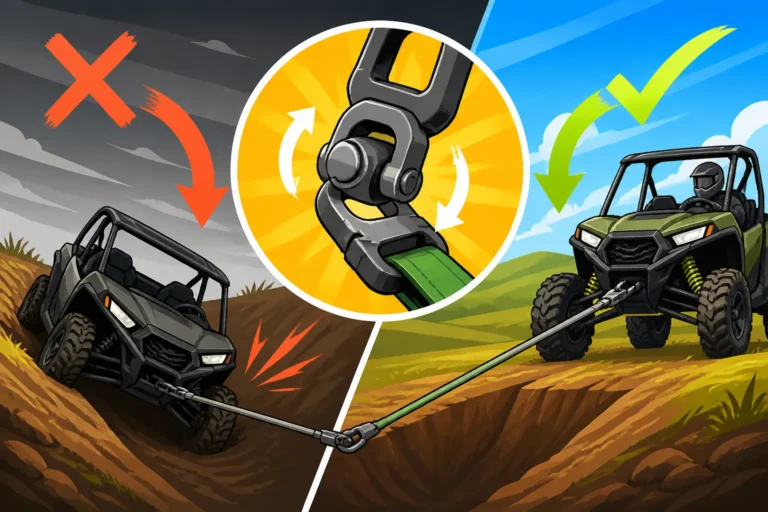
When you’re out on the North Dakota landscape, especially when considering the need for transitory operation, certain pieces of equipment can be absolute lifesavers. A high-quality winch is almost non-negotiable for serious riders. If you encounter a truly impassable mud pit or get stuck trying to bypass a fallen tree, a winch can often pull you out of trouble without needing to call for assistance or risk further damage. Pair that with a sturdy tow strap, and you're well-equipped for self-recovery or helping a fellow rider. A small folding shovel can also be invaluable for clearing minor debris or digging out stuck tires.
Beyond recovery gear, think about navigation. While you know your planned route, a temporary bypass might put you in unfamiliar territory. A reliable GPS device or a smartphone with downloaded offline maps can help you stay oriented and ensure you return to the legal path quickly. Communication is also vital; a satellite messenger or at least a fully charged cell phone (though service can be spotty in rural areas) provides a lifeline. Finally, don't underestimate the importance of your tires. For navigating unforeseen conditions, a good set of all-terrain tires, perhaps from a reputable brand like SuperATV, designed to handle mud, gravel, and snow, can dramatically improve your ability to safely bypass obstructions and maintain traction on varied surfaces. You don't want to get stuck trying to go around a patch of mud, only to find you've just created a bigger problem. [North Dakota Equipment Checks at a Stop] will often include looking over these types of safety and recovery items.
The Importance of a Prepared Mindset
Equipment is only half the battle; the other half is your mindset. A prepared rider in North Dakota always anticipates challenges. This means:
- Knowing the rules: Before you even leave the driveway, ensure you're familiar with North Dakota's OHV laws, especially those regarding ditch riding and the specifics of [North Dakota Back-Slopes and Ditch Bottoms]. Knowing the boundaries helps you make quick, legal decisions when an obstruction appears.
- Situational awareness: Constantly scan the terrain ahead. Are there signs of recent heavy rain? Are farmers actively working their fields, potentially leaving equipment? Seeing a potential obstruction from a distance gives you more time to plan your "transitory operation" or decide to turn around.
- Patience and judgment: Don't rush into a bypass. Take the time to assess the situation thoroughly. Sometimes, the safest and most legal option is simply to find another route or wait it out. Impatience often leads to poor decisions, illegal deviations, or accidents.
- Respect for the land and landowners: Always remember that many of the areas you ride are adjacent to private property. Even during a legal bypass, act with respect. Don't damage property, leave trash, or act in a way that would give OHV riders a bad name. Maintaining this respect ensures continued access for everyone.
Embracing this proactive, responsible mindset ensures that you're not just ready for the fun of riding, but also for the unexpected challenges our North Dakota landscape can present. Being prepared, both with your gear and your mental approach, is the hallmark of a truly seasoned OHV enthusiast.
| Common Obstruction Type | Example Scenario | Safe Bypass Strategy | Considerations |
|---|---|---|---|
| Natural Hazard | Large fallen tree across ditch, rockslide | Stop, assess shortest path around onto shoulder or immediate edge of private land (if unposted and no crops). Proceed slowly, return immediately. | Check for stability of remaining debris, hidden branches. Ensure ground is firm enough for OHV. Avoid steep banks or soft shoulders. |
| Weather-Related | Deep mud bog after rain, massive snowdrift | Stop, evaluate depth/composition. If truly impassable, find shallowest, firmest edge to skirt. Use winch if necessary. Return immediately to original path. | "Gumbo mud" can be extremely sticky; assess tire traction. Snowdrifts can hide hazards or be deeper than they appear. Avoid creating deep ruts that can cause erosion. |
| Farm Equipment | Tractor/implement temporarily blocking section line | Approach with caution. If no clear path through, slowly and minimally drive around the equipment, staying as close to the designated section line boundary as possible. Ensure no damage to equipment or adjacent field. | Be aware of farm activity. Equipment may be active or have lines/hoses. Farmer may be nearby; be polite. This is a temporary obstruction, not a permanent feature to drive around. |
| Construction/Work | Road crew working on culvert, ditch maintenance | Stop, observe work zone. If an official detour is indicated, follow it. If not, and an unavoidable blockage exists, ask workers for guidance or find the safest, shortest bypass, minimizing interference with their operations. Return to legal path immediately. | Respect safety cones and barriers. Workers may not be aware of OHV access rules; exercise caution and common sense. Avoid areas with heavy machinery. |
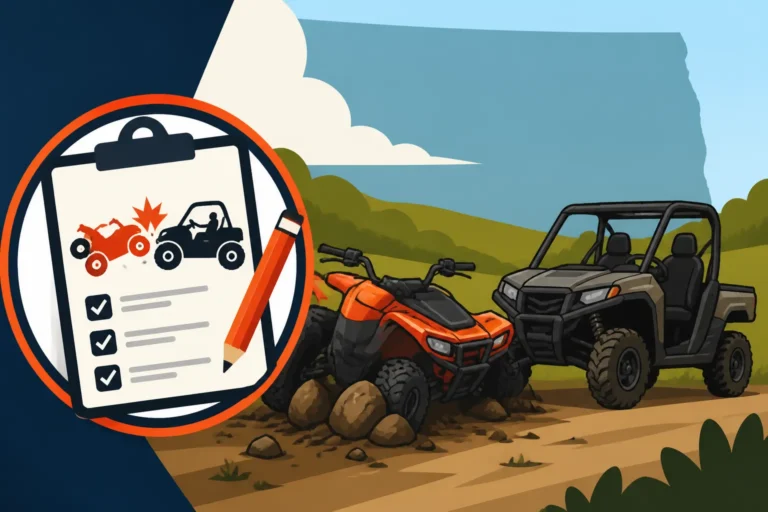
| Erosion/Washout | Culvert collapse, severe ditch erosion | Stop, inspect damage. If the ditch is structurally compromised, find a minimal, stable path around the eroded section, usually on the shoulder side. Do not attempt to cross unstable ground. Return to original path at the first safe point. | Risk of further collapse. Unstable ground can trap an OHV. May necessitate turning around if no safe bypass is apparent. Consider reporting the damage to relevant authorities. |
Navigating an obstruction in North Dakota with your ATV or UTV requires more than just knowing the letter of the law; it demands a blend of good judgment, careful execution, and respect for both the environment and property owners. The "transitory operation" clause is a practical allowance for real-world riding conditions, but it's not a license for unregulated off-roading. By understanding its limitations, preparing your machine with essential gear, and approaching every unexpected obstacle with a cautious and responsible mindset, you ensure that your North Dakota adventures remain both legal and enjoyable. Stay safe, stay smart, and keep those wheels turning on the open prairie!
Disclaimer
This article is for general informational purposes only and does not constitute professional advice. Laws, prices and regulations vary by location and change over time. Consult a qualified professional for guidance on your specific situation.