North Dakota Rules for a 15-Year-Old Rider
Getting your first ATV or UTV, or even just having more freedom to ride the one you've got, is an incredibly exciting prospect for any young person. For a 15-year-old in North Dakota, that feeling of independence on the trails or out in the fields is a powerful draw, but it also comes with a specific set of rules and responsibilities. This guide is here to walk you, and your parents, through exactly what's required for a 15-year-old to legally and safely enjoy off-highway vehicle riding in the Peace Garden State, ensuring those adventures are memorable for all the right reasons.
Earning Your Stripes: The North Dakota OHV Safety Certificate
One of the most fundamental requirements for young riders in North Dakota, especially when they're not on private land with direct supervision, is the Off-Highway Vehicle (OHV) Safety Certificate. This isn't just a hurdle to jump; it's a vital step to ensure that riders of all ages, particularly those eager 15-year-olds, have a solid foundation in safe operating practices and an understanding of the state's specific laws.
Why This Certificate Isn't Just a Piece of Paper
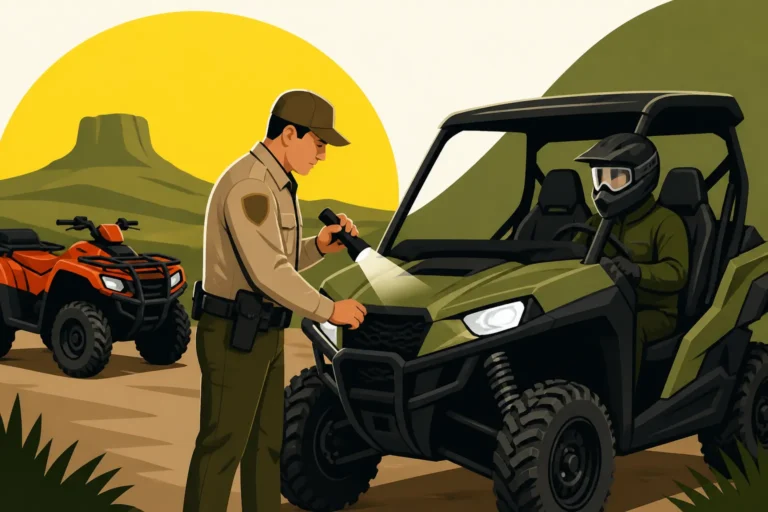
Imagine a sunny Saturday morning, the air crisp, and the trails calling your name. As a 15-year-old, you're itching to get out there. But before you even think about firing up that engine, North Dakota law says you need to prove you know how to ride safely and responsibly. The OHV Safety Certificate is that proof. It's designed to educate riders under a certain age—specifically, anyone under 16 years old—on everything from basic machine operation and maintenance to understanding trail etiquette and recognizing potential hazards. Think of it as your passport to responsible riding. It not only keeps you safer but also helps protect others on the trail and preserves the natural beauty you're out there to enjoy. Without this certificate, a 15-year-old is significantly restricted in where they can legally operate an OHV, mainly to private property with direct adult supervision. You can find more details on this requirement in [North Dakota OHV Safety Certificates at Age 12].
This requirement isn't meant to spoil the fun; it's there because operating an ATV or UTV carries inherent risks. These machines are powerful and demand respect. Learning about weight distribution, braking techniques, hazard avoidance, and even environmental impact is crucial. The certificate ensures that when a young rider encounters an unexpected obstacle, a sudden change in terrain, or another rider, they have the knowledge to react appropriately, minimizing the chance of an accident. It empowers young riders with the confidence that comes from being prepared and informed.
Navigating the Certification Process
So, how does a 15-year-old actually get this all-important certificate? North Dakota offers a couple of pathways, making it flexible for different schedules and learning styles. The most common options are taking an online course or attending a traditional classroom session. Both routes culminate in a test designed to confirm that the rider has absorbed the necessary safety information.
The online course option is incredibly popular because of its convenience. You can work through the modules at your own pace, from the comfort of your home, fitting it around school, sports, or other commitments. These courses typically cover all the same material as a classroom setting, using interactive lessons, videos, and quizzes to make learning engaging. Once you've completed the online modules, you'll usually take an online exam. Passing this exam is the final step to earning your temporary certificate, with the official one mailed to you shortly after. This flexibility is a huge bonus for busy teens. You can learn more about this option by looking at [North Dakota Online Safety Course Option].
For those who prefer a more hands-on learning environment, or if your local community offers them, classroom safety courses are a fantastic alternative. These classes provide direct interaction with experienced instructors who can answer questions on the spot, share real-world scenarios, and facilitate group discussions. Sometimes, these courses might even include a practical riding component, giving you valuable experience in a controlled setting under expert guidance. These structured sessions can be particularly beneficial for some learners, providing a deeper understanding and a sense of community with fellow riders. Check out [North Dakota Classroom Safety Classes] for more information on finding a course near you.
What the Safety Course Instills in Young Riders
The content of these OHV safety courses goes far beyond just knowing which lever does what. They are comprehensive programs designed to build responsible riders. For a 15-year-old, this means understanding things like proper helmet fit and the importance of other protective gear, recognizing different types of terrain and how they affect your machine's handling, and knowing how to perform basic pre-ride inspections. You'll learn about the importance of riding within your skill level and your machine's capabilities, resisting the urge to push limits that could lead to dangerous situations.
The courses also cover crucial environmental considerations, like "Tread Lightly!" principles, which teach riders how to minimize their impact on trails and natural areas. This includes avoiding sensitive habitats, staying on marked trails, and understanding how to deal with litter or other waste responsibly. Furthermore, you'll delve into the specific laws governing OHV use in North Dakota, including age restrictions, registration requirements, and where OHVs are permitted. This includes knowing about private property rights and the necessity of landowner permission. It's about developing a respect for the land, other users, and the law, which are all vital aspects of becoming a mature and capable rider.
The Ground Rules: Understanding North Dakota's OHV Landscape
Beyond the safety certificate, all OHV riders in North Dakota, including 15-year-olds, must adhere to a set of general rules regarding machine registration, where they can operate, and the equipment they need. These regulations are in place to ensure order, safety, and accountability across the state's diverse riding opportunities.
Getting Your Machine Road-Ready (Even for Off-Road)
Even if a 15-year-old's primary goal is to stick to trails and private land, the OHV itself needs to be properly registered with the North Dakota Department of Transportation (NDDOT). This isn't just about paying a fee; it's about making your machine identifiable and ensuring that it contributes to the funding of OHV programs and trail maintenance across the state. The registration process involves submitting an application, proof of ownership, and payment of the required fees. Once registered, your OHV will be issued either a registration plate or a decal, depending on the type of machine and your preference.
This plate or decal must be displayed clearly on your machine. For ATVs, this often means on the rear fender, while UTVs might have a designated spot. It's important to understand that this registration is distinct from a street-legal registration—most ATVs and UTVs are not street-legal in the same way a car is, especially for a 15-year-old rider. However, having your off-road machine properly registered is a non-negotiable step before you head out onto public lands or designated trails. Even for farm use, understanding registration nuances is important, though some exemptions exist. Details on displaying these can be found in [North Dakota OHV Plate or Decal: Your Choice].
Where a 15-Year-Old Can Legally Ride
North Dakota offers a variety of places to ride, but not all are open to everyone, especially younger riders. For a 15-year-old, the most common and accessible places to ride legally are on private land (with the landowner's permission, of course) and on designated OHV trails within state parks or other public lands. These designated trails are specifically designed for OHV use, often maintained, and offer a controlled environment for riding.
Beyond dedicated trails, North Dakota has specific rules about riding on ditches and certain roadways. While adults might have more flexibility in these areas, a 15-year-old generally has stricter limitations. The key is always to know before you go. Rely on official maps and local ordinances to confirm where riding is permitted. Trespassing is a serious offense, and simply "not knowing" is rarely an acceptable excuse. Always seek explicit permission to ride on private land, and keep an eye out for [North Dakota Posted Land Rules for Riders]. For information on the state's official riding spots, refer to [North Dakota OHV Trails: All Four Riding Areas]. Keep in mind that areas like the Maah Daah Hey Trail are explicitly non-motorized and therefore off-limits to OHVs.
Essential Safety Gear and Equipment
Safety isn't just a suggestion when it comes to OHV riding; it's a necessity. For a 15-year-old, this means always wearing the right gear every single time they ride. The absolute most important piece of equipment is a DOT-compliant helmet. North Dakota law specifically mandates helmets for riders under 18, but it's genuinely a smart choice for everyone. A good helmet can literally be a lifesaver, protecting against head injuries in the event of a fall or collision.
Beyond the helmet, eye protection (goggles or a face shield), over-the-ankle boots, long pants, and a long-sleeved shirt are crucial. Gloves can improve grip and protect hands from scrapes and blisters. Think of it as your personal armor against the elements and potential mishaps. When you're out there tackling challenging terrain or speeding across open fields, even a small branch or a kicked-up rock can cause injury if you're not properly protected. Furthermore, ensuring your machine is in good working order with reliable parts is part of this safety equation. Investing in durable aftermarket components, perhaps from a reputable brand like SuperATV, can enhance your machine's performance and structural integrity, adding another layer of safety and confidence to your ride. It's about being prepared for anything the trail might throw at you. [North Dakota Helmet Law for Riders Under 18] provides specific details on this critical requirement.
The Nuances for Fifteen: Special Considerations and Limitations
While a 15-year-old has more freedom than a younger child, there are still specific regulations that apply to them that might not apply to adult riders. These often revolve around supervision, carrying passengers, and the very limited circumstances under which they might operate on a road.
The Critical Role of Adult Supervision
North Dakota law distinguishes between supervised and unsupervised riding for minors. For a 15-year-old who holds an OHV safety certificate, they generally have more independence than, say, a 12-year-old. However, certain situations will still require direct adult supervision. Specifically, if a 15-year-old does not possess a valid OHV safety certificate, they are restricted to operating an OHV only on land owned or leased by their parent or guardian, and only when under the direct visual supervision of an adult. Once that certificate is in hand, the rules relax somewhat for certain public lands, allowing for more independent riding on designated trails where permitted.
It's crucial for both the rider and their parents to understand these distinctions. Even with a certificate, parents often choose to supervise their 15-year-old, especially when exploring new or challenging terrain. This isn't just a legal matter; it's a practical safety measure. An experienced adult can provide guidance, assist in emergencies, and help make judgment calls that a younger rider might not yet have the experience to make. For a comprehensive overview of rules for younger riders, you can check [North Dakota Rules for Riders Under 16].
Carrying Passengers: When It's Okay and When It's Not
This is another area where age and machine design play a significant role. Generally, a 15-year-old rider in North Dakota should only carry a passenger if the OHV is specifically designed by the manufacturer to carry more than one person. This means the machine must have a designated seat and handholds for a passenger. Attempting to carry a passenger on a single-rider ATV, for example, is incredibly dangerous and often illegal, regardless of the rider's age. These machines are designed for a single operator, and adding a second person dramatically alters the balance and handling characteristics, making it much harder to control.
Even if the machine is designed for two or more people (like many UTVs or two-up ATVs), a 15-year-old operator needs to exercise extreme caution. They must ensure the passenger also has appropriate safety gear, can hold on properly, and understands basic riding safety. It's about doubling the responsibility. Before allowing a 15-year-old to carry a passenger, parents should ensure the teen is proficient and confident in operating the machine solo, especially on varied terrain. The law is very clear on how many people a machine can safely carry. To learn more about this, see [North Dakota Passenger Rules on an OHV].
Road Riding: What's Allowed (and Not) for a 15-Year-Old
Here's where things get very restrictive for a 15-year-old: operating an OHV on most public roads in North Dakota is generally prohibited. While there are certain allowances for adults with registered machines to ride on gravel roads or specific paved roads under strict conditions, these typically require the operator to possess a valid driver's license. Since a 15-year-old likely doesn't have a full driver's license, their access to roads is severely limited, primarily to crossing a paved road (after stopping and yielding to traffic) or possibly using the ditch bottom or back-slope of a highway where allowed, usually for agricultural purposes or specific exceptions.
Even for these limited exceptions, there are often equipment requirements (like mirrors, horns, headlights, and brake lights) and speed restrictions that must be met. The intent of OHV laws is to keep these machines off roadways designed for conventional traffic, where they can pose a significant safety risk to themselves and other vehicles. Therefore, for a 15-year-old, the safest and most legal bet is to assume roads are off-limits for riding, except for necessary crossings or very specific, legally defined agricultural uses with explicit permissions and proper equipment. Always consult [North Dakota ATV Road Rules by Surface Type] for detailed information.
Staying on the Right Side of the Law
No one wants to encounter legal trouble, especially when you're out trying to have a good time. Understanding the potential penalties and the broader message of responsible riding is crucial for a 15-year-old and their family to ensure their OHV adventures remain positive.
Understanding the Consequences of Non-Compliance
Breaking North Dakota's OHV laws can lead to more than just a stern talking-to. For a 15-year-old, operating an OHV without the required safety certificate or on unauthorized land can result in citations, fines, and potentially even having the machine impounded. These penalties often fall on the parents or guardians of the minor, as they are ultimately responsible for ensuring their child complies with the law. Imagine the frustration of having your machine confiscated or facing unexpected legal fees, all because a few rules weren't followed.
For instance, riding an unregistered machine or trespassing on private land can lead to significant fines. If an accident occurs while operating illegally, insurance coverage could be denied, leading to massive out-of-pocket expenses for damages or injuries. These are not minor inconveniences; they can be financially burdensome and emotionally draining. It's far better to invest the time in getting properly certified and understanding the laws than to face the consequences of non-compliance. Details on potential fines can be found in [North Dakota Penalties for Riding Unregistered].
The Broader Message of Responsible Riding
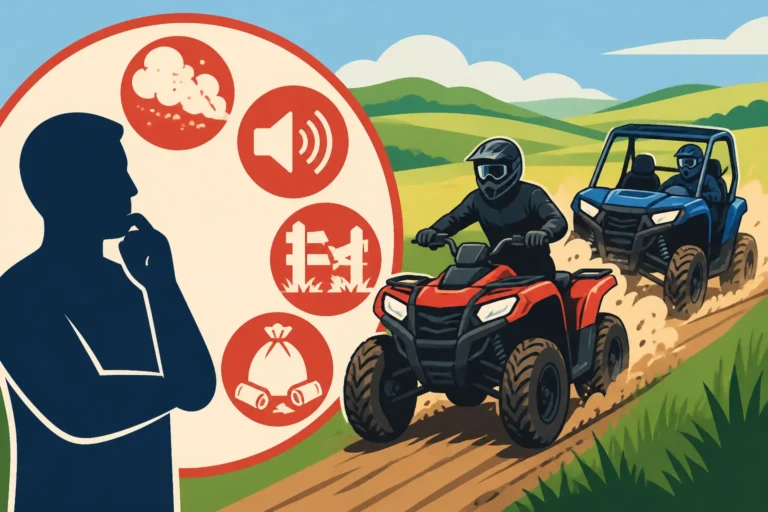
Beyond avoiding penalties, adhering to OHV laws and practicing safe riding is about being a responsible member of the riding community and a good steward of North Dakota's natural resources. It means showing respect for landowners by always obtaining permission before entering private property, and for other trail users by yielding the right-of-way and keeping noise levels reasonable. It also means protecting the environment by staying on marked trails, avoiding sensitive areas, and packing out everything you pack in.
Responsible riding also extends to how you maintain your machine. Regular checks, timely repairs, and perhaps even upgrading components with robust options from brands like SuperATV contribute to safer and more enjoyable rides. A well-maintained machine is less likely to break down in a remote area and generally operates more efficiently and quietly. By embracing these principles, a 15-year-old isn't just riding an OHV; they're becoming part of a community that values safety, respect, and the preservation of riding opportunities for everyone. It's about earning the privilege to ride through responsible actions, ensuring that the thrills of off-roading can be enjoyed for years to come.
Essential Safety Checklist for 15-Year-Old Riders
Here's a quick look at the non-negotiables for a 15-year-old hitting the trails in North Dakota:
| Requirement | Description |
|---|---|
| OHV Safety Certificate | Mandatory for riders under 16, especially when riding unsupervised on public land. |
| DOT-Compliant Helmet | Required for all riders under 18 in North Dakota. Essential safety gear regardless of age. |
| Eye Protection | Goggles or a face shield to protect eyes from dust, debris, and branches. |
| Proper Attire | Long-sleeved shirt, long pants, over-the-ankle boots, and gloves for protection. |
| Registered OHV | Machine must be properly registered with the NDDOT and display a current plate or decal. |
| Landowner Permission | Absolutely required for riding on private property. "Ask first!" |
| Designated Riding Areas | Stick to official OHV trails and legal ditch riding areas. Avoid unauthorized roads and trespass zones. |
| Adult Supervision | Required if no safety certificate, or often a good idea even with one, especially on challenging or unfamiliar terrain. |
| No Unauthorized Passengers | Only carry passengers if the OHV is specifically designed for multiple riders and the operator is proficient. |
| Road Riding Restrictions | Generally prohibited for 15-year-olds; exceptions are very limited (e.g., crossing roads, specific agricultural uses). |
Disclaimer
This article is for general informational purposes only and does not constitute professional advice. Laws, prices and regulations vary by location and change over time. Consult a qualified professional for guidance on your specific situation.