Riding a North Dakota Fence Line
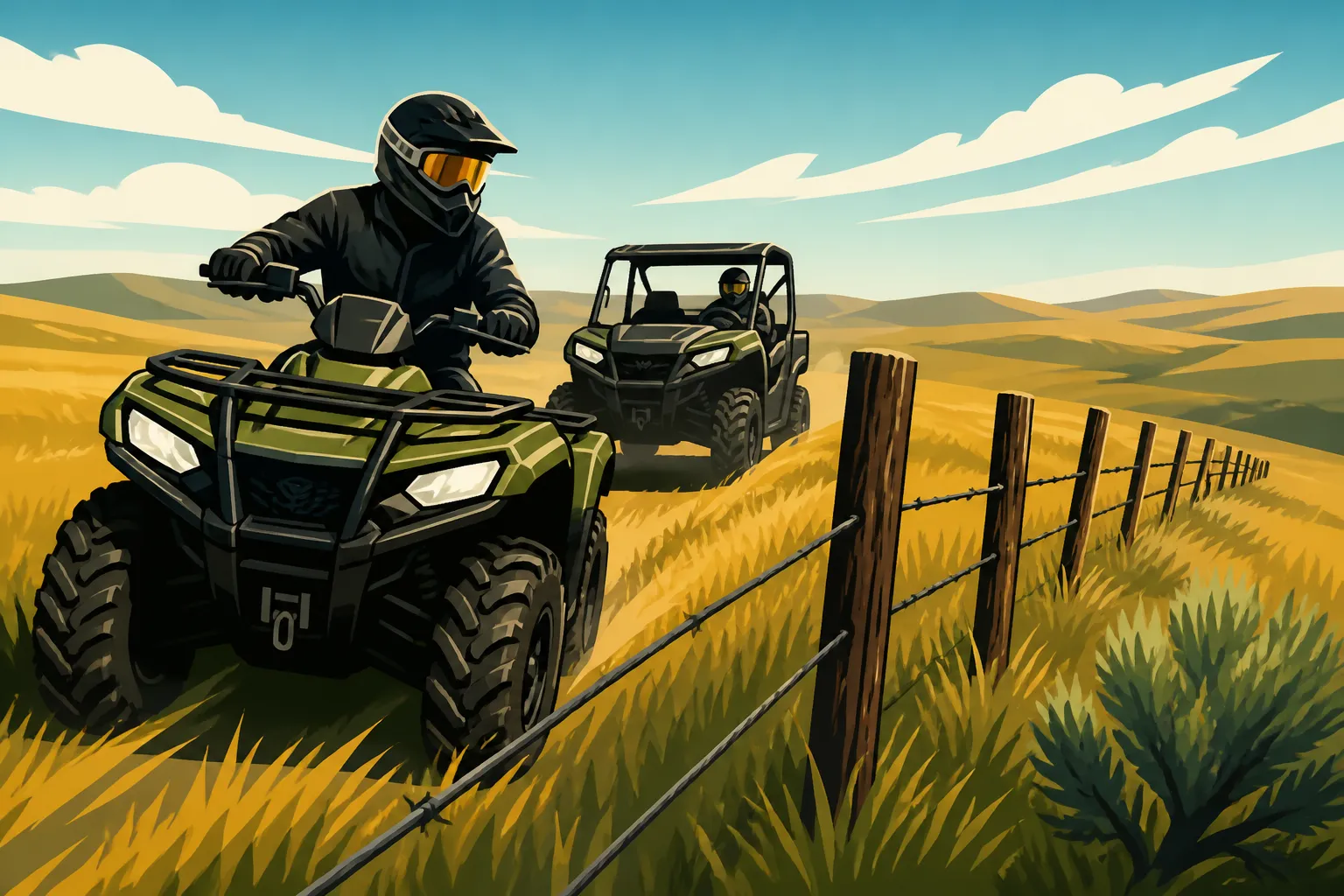
Riding along a fence line in North Dakota might seem like a straightforward task, especially if you're on a farm or ranch, but the reality is far more complex than just pointing your ATV or UTV and going. Many riders, both new and experienced, often face confusion and potential legal pitfalls when trying to access their own property or inspect boundaries, especially when a fence line borders public access or someone else's land. This guide will walk you through the essential legal considerations, practical challenges, and best practices for responsibly and safely riding a North Dakota fence line, ensuring you stay on the right side of the law and maintain good relationships with your neighbors.
The Legal Landscape of Fence Line Riding in North Dakota
Navigating the subtle nuances of land ownership and access in North Dakota is absolutely crucial before you even think about starting your engine near a fence line. What seems like open space often has very specific ownership rules, and misunderstanding them can quickly lead to legal trouble, even if your intentions are good.
Public Versus Private Land: Knowing the Boundaries
It's a common misconception that if a fence line appears to run alongside a public road, or if you can see it from a public section line, it automatically grants some form of public access or permission to ride. In North Dakota, this simply isn't the case. Most fence lines mark the boundary between private land parcels, meaning that crossing onto the "other side" of that fence, even just to parallel it, almost always puts you on private property.
Consider a scenario where you're checking your own property boundary. Your fence might run right next to a township road, which is public. However, the fence itself, and often a strip of land on either side, is typically part of the private property. You have every right to maintain and inspect your fence from your side, but you absolutely cannot cross onto your neighbor's side without their explicit permission. This distinction is vital, especially when dealing with [North Dakota Section Line Rights in Practice], which typically refer to the right to travel along the section line itself, not necessarily off it and onto adjacent private property, even if a fence is present. The fence is a marker, not an invitation to ride parallel to it unless you own the land on both sides or have permission from both landowners.
Understanding Trespass Laws and Posted Land
North Dakota takes trespass seriously, and ignorance of the law is no excuse. If you ride your ATV or UTV on land that you do not own or have not been given express permission to use, you are trespassing. This applies even if the fence line isn't explicitly marked with "No Trespassing" signs. While signs are a clear indicator, their absence does not imply permission.
North Dakota law provides clear guidance on what constitutes "posted land." This generally includes land that has signs placed at least every 880 yards (half-mile) along the boundary, or at all normal points of entry such as gates and roads. These signs must clearly state "No Trespassing" or similar language. Furthermore, in our modern age, [North Dakota Electronic Posting and Riders] is also a thing. Landowners can use mapping systems to digitally post their land, and you, as a responsible rider, are expected to respect these digital boundaries just as you would physical signs. Imagine pulling up a map on your phone or GPS, and seeing a clear red line indicating private property where you intended to ride. Ignoring that digital marker is just as much a violation as ignoring a physical sign. The best practice? If you're unsure, or if you don't have explicit permission, stay off. It's truly that simple when it comes to [North Dakota Trespass Law for Riders].
Securing Permission: The Golden Rule for Riding a Fence Line
Given the strict trespass laws in North Dakota, the absolute most important step you can take before riding any fence line that isn't entirely on your own private, undivided property is to secure permission. This isn't just about avoiding a ticket; it's about being a good neighbor and respecting property rights.
Why Landowner Permission is Non-Negotiable
Beyond the obvious legal implications of trespassing, riding a fence line without permission can lead to a host of problems. Firstly, you could be held liable for any damage you cause. Imagine accidentally taking out a section of fence, or rutting up a hayfield after a rain because you thought it was okay to ride. These situations can lead to costly repairs and strained relationships. Secondly, local landowners are often very protective of their property and for good reason. They worry about liability, theft, fire, and simply the disruption of their peace and quiet. Unauthorized riding can be seen as disrespectful and can quickly escalate into official complaints to the sheriff's department.
Furthermore, if you're not the landowner, you might not be aware of specific hazards or ongoing activities on the property. There could be irrigation lines buried near the fence, active calving pastures, or even sensitive wildlife habitats. Having permission means you can have a conversation about these things and ensure your riding doesn't cause harm or interfere with ongoing operations. This is especially true if you're engaging in activities like hunting access; always make sure you have [North Dakota Hunting Access by OHV] permission documented.
Practical Tips for Obtaining and Verifying Permission
So, how do you go about getting permission? It’s often simpler than you might think, but it requires a proactive and respectful approach.
- Direct Communication: The best way is always directly approaching the landowner. Introduce yourself, explain why you need to ride the fence line (e.g., "I'm checking my side of our shared fence for winter damage," or "I'd like to access my back forty for some maintenance"), and specifically ask for permission. Don't assume anything.
- Be Specific: When asking for permission, be clear about:
- Where you intend to ride (which specific fence line, for what distance).
- When you plan to ride (is it a one-time thing, or ongoing for a season?).
- Why you need to ride there (inspection, hunting, farm work, etc.).
- What kind of machine you'll be using (ATV, UTV, tracked vehicle).
- Offer to Show Proof: If you are a renter or have shared access, be prepared to show documentation of your right to be on your side of the fence.
- Get it in Writing: While a handshake and a verbal agreement might feel neighborly, especially in rural areas, it's always safer to get [Landowner Permission in Writing]. This doesn't have to be a formal legal document; a simple signed note stating the dates, specific area, and allowed activity can save a lot of headaches later. Even a text message exchange or an email can serve as valuable proof if there's ever a misunderstanding. This protects both you and the landowner.
- Respect Any Conditions: The landowner might grant permission but with conditions. They might say, "Only ride when the ground is dry," or "Please close all gates behind you." Always respect these conditions without exception. [Gates and Livestock Etiquette] is paramount – always leave a gate as you found it, or better. If they are concerned about rutting, consider waiting for drier conditions, or even offering to use a lighter machine.
Practicalities and Precautions for Fence Line Travel
Once you've got your permissions sorted, it's time to think about the actual act of riding that fence line. It's often not as easy as a wide-open trail; fence lines present their own unique set of challenges that demand preparation and careful riding.
Navigating the Unique Challenges of Fence Lines
Riding alongside a fence is fundamentally different from riding on a designated trail like those at Pembina Gorge or on the Roughrider OHV Trail. Fence lines are rarely groomed, maintained, or cleared for ATV/UTV travel.
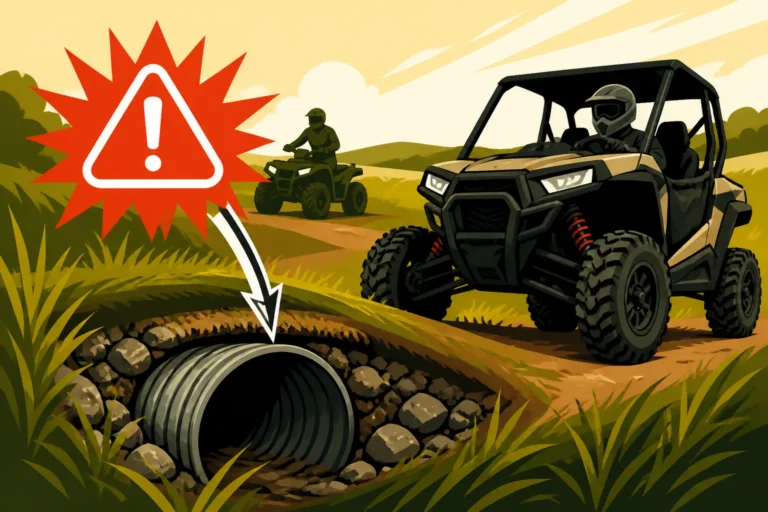
- Uneven Terrain: Expect tall grass, weeds, and brush that can obscure everything from small rocks and branches to dangerous gopher holes and unseen dips. This can make for a jarring ride and increase your risk of rollover if you're not paying attention. Keep your speed down.
- Hidden Obstacles: Old fence posts, discarded farm equipment, rocks that have migrated over time, and even small stumps can be hidden in the vegetation. These can damage tires, suspension, or even cause a crash. A good set of durable tires, perhaps from a brand like SuperATV, designed for off-road punishment, can make a real difference here.
- Mud and Erosion: Fence lines often become natural channels for water runoff, especially on sloped land. This can lead to deep ruts, boggy sections, and significant mud, particularly after a rain or during spring thaw. Getting stuck in North Dakota's infamous [North Dakota Gumbo Mud and What It Does] is no fun, and it's highly advised to avoid riding on wet ground to prevent creating more ruts and erosion.
- Gates and Crossing Points: You'll inevitably encounter gates. Always dismount and open/close them properly. Never try to squeeze through a partially open gate, drive over a closed gate, or cut a wire. This damages property and shows a severe lack of respect. Remember [Gates and Livestock Etiquette] and the golden rule: leave it better than you found it.
- Livestock: If livestock are present, be extra cautious. Give them wide berth, move slowly, and avoid startling them. This is their home, and your machine can be perceived as a threat.
- Damage to the Fence: The purpose of a fence line ride is often to inspect or maintain the fence, not damage it. Be mindful of not hitting posts, sagging wires, or any components. This goes back to respecting the property and the work that went into building and maintaining the fence.
Essential Gear and Safety Considerations
Because of these unique challenges, a fence line ride often requires more preparation than a casual spin on a trail.
- Appropriate Tires: Standard trail tires might not cut it. Consider tires with a more aggressive tread pattern that can handle mud, loose soil, and uneven terrain. Many riders swear by quality aftermarket tires for this kind of work, and SuperATV offers a range of robust options designed for tough conditions.
- Winch: Getting stuck is a real possibility, especially in soft ground or mud. A winch is an invaluable tool for self-recovery or helping a fellow rider. Again, a heavy-duty winch from a reputable manufacturer like SuperATV could be a lifesaver.
- Basic Tool Kit: Carry essentials like a tire repair kit, basic wrenches, zip ties, and a small shovel.
- First Aid Kit: Always, always carry a comprehensive first aid kit. Remote fence lines mean help is often far away.
- Communication Device: A fully charged cell phone is a must, but remember that cell service can be spotty in many rural North Dakota areas. Consider a satellite messenger or a two-way radio if you're in a truly remote location or riding with a group.
- Visibility Gear: Wear bright clothing, especially if you might be riding during hunting season. Consider flags for your machine.
- Weather Awareness: Check the forecast before you go. North Dakota weather can change rapidly. Be prepared for sun, wind, rain, or even unexpected snow, depending on the season. [North Dakota Prairie Wind and Long Rides] can be exhausting, and getting caught in a sudden downpour on a fence line can turn a simple ride into a muddy ordeal.
- Machine Registration: Remember, even if you spend most of your time on private land, if your machine ever touches a public road, ditch, or crosses a section line, it needs to be properly registered. Don't overlook [Do You Need to Register an ATV in North Dakota?] if you plan to move between fields or properties on public access points.
Common Reasons for Fence Line Riding (and how to do it responsibly)
While some might think of fence line riding as recreational, for many in North Dakota, it's a critical part of their livelihood or property management. Doing it responsibly means understanding the purpose and minimizing your impact.
Farm and Ranch Operations
For farmers and ranchers, the ATV or UTV is often an indispensable tool for operations. Riding fence lines is a daily, weekly, or seasonal necessity, not just a joyride.
- Fence Inspection and Repair: This is perhaps the most common reason. Fences need regular checks for damage from weather, wildlife, or livestock. A broken fence can mean lost animals or damaged crops, making quick inspection and repair vital. Using an OHV allows for much faster travel along long fence lines than walking, especially when carrying tools or repair materials. This directly ties into the practical use cases for [North Dakota Farm Machines and North Dakota Paperwork], where these vehicles are considered utility equipment.
- Livestock Management: Whether it's moving cattle, checking on pregnant ewes, or simply counting herd numbers, ATVs and UTVs allow ranchers to cover vast areas quickly and efficiently. Riding a fence line can be part of a larger strategy to gather or observe animals in remote pastures.
- Accessing Remote Areas: Farms and ranches can span thousands of acres, often with fields, shelterbelts, or sections of land that are difficult to access with larger vehicles. An ATV or UTV on a fence line can be the most practical way to reach these spots for tasks like checking irrigation pumps, spraying weeds, or even just clearing debris.
Hunting and Property Management
Beyond active agriculture, fence lines play a significant role in hunting and general property maintenance for many landowners and permitted users.
- Hunting Access: With permission, a fence line can serve as an access route to a hunting blind, a treestand, or a specific area for game retrieval. This is particularly useful in large, sprawling properties where walking in with gear might be impractical. However, this must always be done with explicit permission from the landowner, and adhering to all hunting regulations. [North Dakota Hunting Access by OHV] laws still apply, meaning you must typically stay on designated routes or private land.
- Boundary Checks and Monitoring: Landowners often ride their fence lines to simply monitor their property boundaries, ensuring no unauthorized activity has taken place, checking for signs of erosion, or observing wildlife patterns. It's a way to stay connected to the land and keep an eye on things.
- Weed Control and Brush Clearing: Some fence lines are kept clear of invasive weeds or brush. An ATV equipped with a sprayer or small implements can be used to manage vegetation growth along these critical boundaries.
Environmental Impact and Best Practices
No matter the reason for riding, responsible fence line travel includes minimizing your environmental footprint. The phrase "Tread Lightly" isn't just a catchy slogan; it's a philosophy.
- Minimizing Rutting and Erosion: This is paramount, especially in North Dakota's often-gumbo soil. Riding on wet ground or repeatedly on the same path can create deep ruts that lead to erosion, impact water flow, and damage vegetation. If the ground is soft, heavy, or muddy, consider walking or postponing your ride. Remember the principles of [Tread Lightly on Wet Clay].
- Staying on Established Tracks: If there's an existing two-track or a faint path along the fence line, use it. Creating new tracks unnecessarily contributes to soil compaction and erosion.
- Respecting Wildlife: Be aware of nesting birds, fawns, or other wildlife that might be present along the fence line. Give them space and avoid disturbing their habitat.
- Leave No Trace: Pack out everything you pack in. If you stop for a snack or a drink, ensure all your wrappers and bottles come back with you.
By adhering to these legal, practical, and ethical guidelines, you can safely and responsibly use your ATV or UTV to navigate North Dakota's fence lines, preserving both the land and your good standing in the community.
| Factor | On a Designated OHV Trail | Along a Fence Line (Private Land) |
|---|---|---|
| Legal Access | Public access, often regulated by state parks/agencies. | Private land, requires landowner permission. |
| Permits/Registration | Machine must be registered in ND or have non-resident permit. | Machine must be registered if touching public land; otherwise, for private land use, registration is not required, but smart. |
| Trail Condition | Often maintained, marked, potential difficulty ratings. | Ungroomed, unpredictable, hidden obstacles, variable surface. |
| Obstacles | Natural features, some trail obstacles, typically marked. | Natural features, old farm equipment, gopher holes, gates, livestock. |
| Pace | Can be recreational, faster speeds possible in sections. | Slower, more cautious, often for work or inspection purposes. |
| Environmental Impact | Managed to minimize impact, 'Tread Lightly' encouraged. | Direct impact on private land; minimizing ruts and erosion is crucial. |
| Required Gear | Standard safety gear, basic repair kit, water. | Standard safety gear, comprehensive repair kit, winch, comms, permission document. |
| Cell Service | Variable, can be good in popular areas. | Often poor or non-existent in remote rural areas. |
Disclaimer
This article is for general informational purposes only and does not constitute professional advice. Laws, prices and regulations vary by location and change over time. Consult a qualified professional for guidance on your specific situation.