North Dakota ATV Road Rules by County
It can feel like navigating a legal maze when you just want to take your ATV or UTV out for a spin, especially when trying to understand where you can legally ride on the roads in North Dakota. State laws give you some freedom, but then local county rules pop up, adding layers of confusion and making you wonder if your fun will turn into a costly ticket. This guide aims to clear up that confusion, helping you understand the patchwork of regulations across North Dakota's counties so you can ride confidently and lawfully.
The State-Level Foundation: North Dakota's General ATV Road Rules
Before we dive into the specific variations you might encounter county by county, it's absolutely crucial to understand the statewide framework. North Dakota's state laws provide the baseline for where and how you can operate your ATV or UTV on public roads. Think of this as the foundation upon which all local rules are built; if something is explicitly forbidden by the state, a county can't magically make it legal.
Understanding State Law vs. Local Ordinances
At the heart of the matter is the interplay between state statutes and local ordinances. The North Dakota Century Code outlines the general rules for off-highway vehicles (OHVs), which includes your ATVs and UTVs. These laws dictate things like registration requirements, equipment standards, and general areas where OHVs are permitted. However, the state also grants counties and cities the authority to enact their own, often more restrictive, rules regarding OHV operation within their jurisdictions.
This means you can't just assume that because it's legal statewide, it's legal everywhere. A county can, and often does, put additional limits on where and when you can ride. This is where the frustration often sets in for riders – trying to keep track of a different set of rules every time you cross a county line. It's a bit like trying to follow different speed limits on the same highway stretch, but with more potential for confusion and penalties.
Key State Provisions for Road Riding
North Dakota state law offers some specific avenues for OHV use on public roadways, primarily focusing on ditch riding. Generally, registered ATVs and UTVs are permitted to operate in the ditch bottom, back-slope, and inslope of a highway right-of-way, subject to certain conditions. This is a huge privilege that many other states don't offer, and it's something North Dakota riders definitely appreciate. However, you need to know the rules:
- Ditch Riding: You can typically ride in the ditch and back-slope of most public highways, but not on the roadway shoulder or paved surface itself, unless you're making a direct crossing or bypassing an obstruction. [North Dakota Ditch Riding: The Legal Right Explained] covers this in detail. This right of way is often seen as the "trail system" for many riders across the prairie.
- Equipment Requirements: To be road-legal, even in the ditch, your machine needs specific equipment. This usually includes proper lighting (headlamps, tail lamps, brake lights), a horn, and a mirror. Companies like SuperATV offer a range of aftermarket parts that can help ensure your machine meets these safety requirements, making it easier to comply with the law. You'll want to check out [North Dakota Equipment Required on a Roadway] for a full rundown.
- Speed Limits and Capability: On designated roadways where OHVs are permitted, there are speed considerations. Class III machines (like many UTVs) might have higher speed allowances on certain paved roads, for instance. Your machine also needs to be capable of maintaining at least 30 mph to be on certain paved or gravel roads. This is an important distinction, as a smaller, less powerful ATV might not meet this threshold, limiting its road access. [North Dakota's 30 mph Capability Rule] delves into this.
- Crossing Highways: You're allowed to cross highways, but only at a 90-degree angle and after yielding to all traffic. You can't just cruise down the middle of a four-lane highway, even if it's clear.
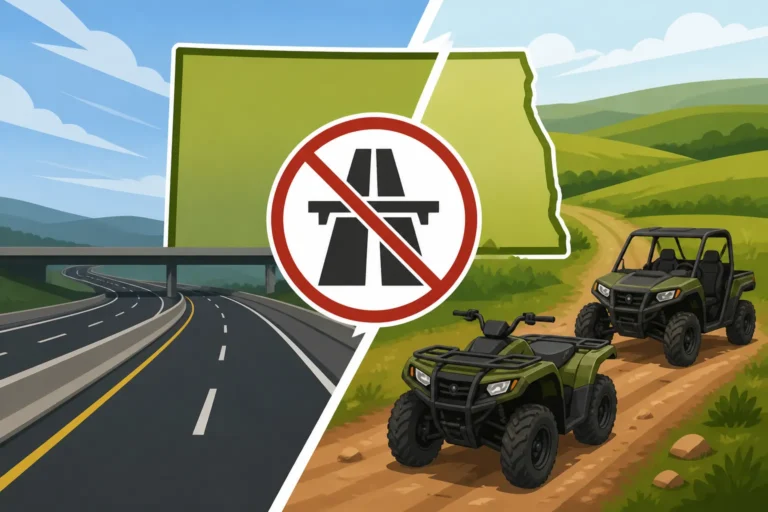
- Paved vs. Gravel Roads: Generally, [North Dakota Rules for Riding a Gravel Road] are more permissive than [North Dakota Rules for Riding a Paved Road]. Many gravel roads are open to registered OHVs, often with a 55 mph speed limit, if the county hasn't imposed further restrictions. Paved roads, especially those posted over 55 mph, tend to be much more restrictive.
Understanding these state-level rules is your baseline. Any county ordinance will either reinforce these or add specific prohibitions.
When Counties Step In: Local Control Over OHV Road Access
While the state provides a general framework for OHV operation, counties and even individual cities have significant power to modify these rules within their own borders. This is where the "patchwork" really comes into play, creating a landscape where what's perfectly legal in one county might get you a ticket just across the line. It's not always intuitive, and it requires a bit of homework before you hit the road.
How Counties Restrict or Allow Riding
Counties can restrict OHV road access in several ways. They might pass ordinances that:
- Designate Specific Roads: Instead of a blanket allowance for gravel roads, a county might only permit OHVs on a select list of township or county roads, often prohibiting them on others.
- Impose Time Restrictions: Some counties might prohibit OHV road riding during certain hours, like after dark, or on specific days, like holidays.
- Limit Machine Types: While less common, a county could theoretically limit certain classes of OHVs on their roads, though this typically follows state classifications like [North Dakota Class I Machines Defined] or [North Dakota Class II Width and Weight Limits].
- Require Local Permits (Rare): It's rare, but some locales might try to implement their own permit systems, although state law generally supersedes local attempts to require additional registration beyond the state's. [North Dakota Cities Cannot Require Local Registration] details why this is usually not allowed.
- Prohibit Riding Entirely: In some cases, a county might entirely ban OHV use on its roads, forcing riders to rely solely on designated trails or private land.
These restrictions are usually put in place due to concerns about safety, noise, dust, or road maintenance. While it can be frustrating for riders, local governments often respond to citizen complaints or specific accident data within their jurisdiction.
Checking Local Ordinances: Your First Step
Given the variability, the single most important piece of advice is: Always check with the local authorities before you ride in a new county or area. This isn't just a suggestion; it's a necessity. Simply relying on what your buddy told you or what you read on an old forum post can land you in trouble.
Here's how you can go about it:
- County Sheriff's Office: This is often your best bet. The local sheriff's department will be intimately familiar with county ordinances related to OHV operation. A quick phone call to their non-emergency line can save you a lot of headache. [Checking With Local Law Enforcement First] is highly recommended.
- County Auditor's Office/Website: Many counties post their ordinances online through their auditor's or commission's office websites. Look for sections related to "motor vehicles," "traffic," or "off-highway vehicles."
- City Clerk's Office: If you plan to ride within or immediately around a specific municipality, contact the city clerk. City ordinances can be even more restrictive than county ones. [North Dakota City Ordinances on OHV Riding] is a good resource to understand this further.
- Local OHV Clubs: These clubs are often a fantastic source of local knowledge. Members usually know the ins and outs of local rules because they live and ride there. While not an official source, they can give you a strong indication of what to expect and where to confirm information.
It's a bit of extra work, but it's a small price to pay for peace of mind and avoiding a citation. Imagine spending good money on accessories like a SuperATV windshield or light bar, only to have your riding plans thwarted by an unexpected local rule!
Common County Restrictions
While specifics vary, certain types of restrictions pop up more frequently in North Dakota counties:
- Road Closures: Some counties might prohibit OHVs on certain high-traffic paved roads or roads leading through densely populated areas. They might limit access to only gravel or minimum-maintenance roads.
- Hours of Operation: A common restriction is limiting OHV riding on roads to daylight hours only. This helps reduce noise complaints in residential areas and improves safety by ensuring visibility.
- Seasonal Bans: While North Dakota's general OHV trails have no specific season, some counties might impose temporary road closures for OHVs during periods of heavy rain or thawing, to prevent damage to unpaved roads. [North Dakota Trail Closures After Rain] gives an idea of how seriously trail integrity is taken.
- Proximity to Residences/Businesses: Some ordinances might prohibit OHV operation within a certain distance of homes, schools, or businesses, particularly concerning noise. [North Dakota Noise Complaints About Quads] is a real issue local governments try to address.
Remember, these are examples. Always verify for the specific county you intend to ride in.
| Aspect of Riding | North Dakota State Law (General) | Common County Variations |
|---|---|---|
| Ditch Riding | Generally allowed for registered OHVs (bottom, back-slope, inslope). | Some counties may restrict specific ditch segments, or impose stricter hours. |
| Gravel Roads | Generally allowed for registered OHVs (55 mph max, if capable of 30 mph). | Many counties allow; some may designate specific open roads or ban on others. |
| Paved Roads | Generally restricted; Class III may use certain 65 mph roads. Crossings allowed. | Often completely prohibited, or very limited to specific, short segments. |
| Equipment | Headlamp, tail lamp, brake light, horn, mirror required for road use. | Counties typically defer to state law on equipment; no unique local requirements. |
| Hours | No explicit statewide restriction for general ditch/road use. | Many counties restrict to daylight hours only, or prohibit late night riding. |
| Speed Limit | 55 mph on gravel, 30 mph capability, 65 mph for Class III on certain roads. | Counties typically enforce state speed limits, may lower for specific roads. |
| Permits | State registration and non-resident permit (if applicable). No county permits. | Local registration/permits are generally not allowed by state law. |
Navigating the Nuances: County-Specific Examples and Best Practices
So, you've done your homework, you know the state rules, and you've made the call to the county sheriff. What else should you consider, and what are some real-world implications of this county-by-county approach? Being a responsible rider isn't just about following the letter of the law; it's also about good etiquette and anticipating potential issues.
North Dakota Counties That Restrict Riding
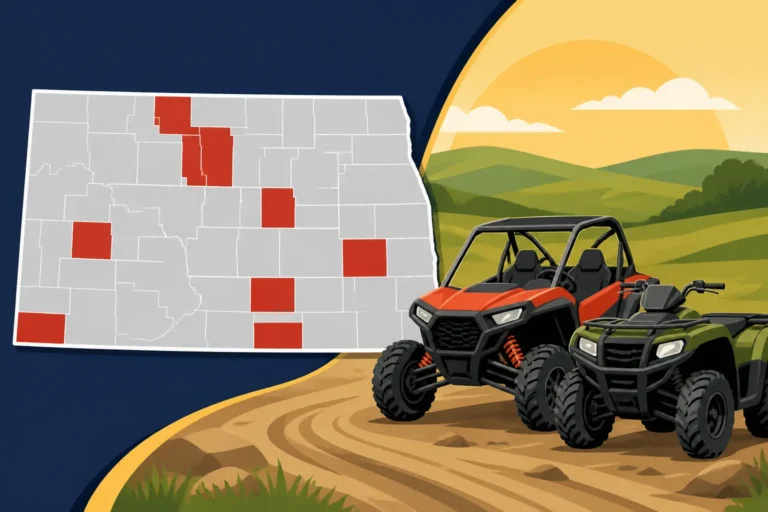
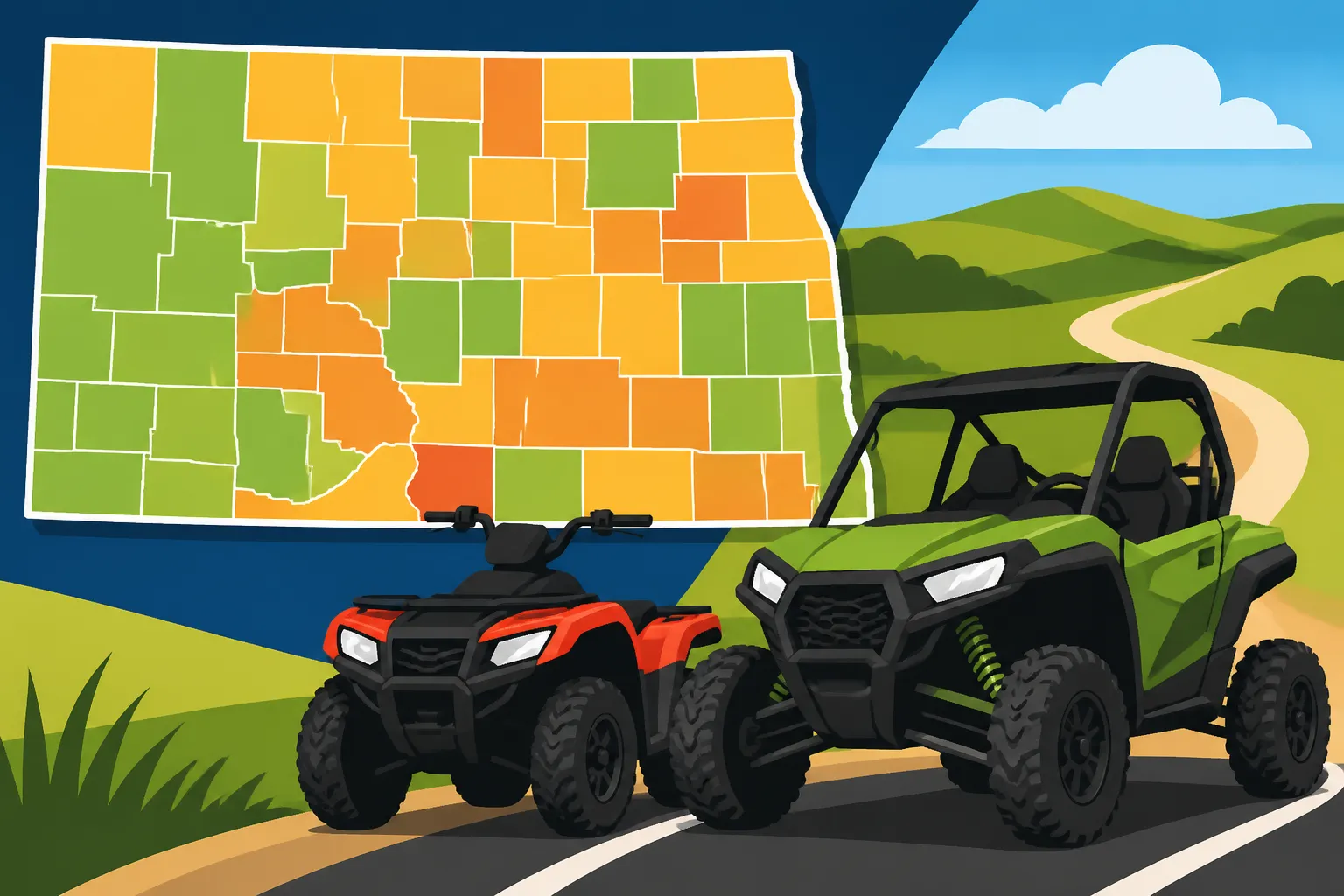
While it's difficult to provide an exhaustive, real-time list, it's safe to say that many of North Dakota's more populous counties or those with specific natural resources (like major rivers or recreational areas) are more likely to have detailed OHV ordinances. For instance, counties with larger cities like Cass (Fargo), Burleigh (Bismarck), Grand Forks (Grand Forks), Ward (Minot), and Williams (Williston) often have more specific rules, especially closer to urban centers. [North Dakota Counties That Restrict Riding] is an important resource.
For example, a county might have a general rule allowing ditch riding, but then an ordinance states that within "X" miles of a city limit, all OHV use on county roads is prohibited to mitigate traffic concerns. Or, a county might have specific rules about [North Dakota Rules for Riding a Section Line] or [North Dakota Rules for Riding a Township Road] that differ from the general state provisions. This is why a simple phone call can prevent a lot of grief. Don't be surprised if the answer is nuanced. The person on the other end of the phone might even direct you to a specific document or webpage.
What to Do If Your County Isn't Explicit
What if you call the sheriff's office, and they say, "We just follow state law," or you can't find any specific county ordinances? This often means that the state's general rules apply. In such cases:
- Revert to State Law: Assume that state provisions for ditch riding, gravel road access, and equipment requirements are your guiding principles. Ensure your machine is registered and properly equipped.
- Practice Caution and Courtesy: Even if not explicitly restricted, exercising common sense is paramount. Avoid riding in highly congested areas, near schools during pick-up/drop-off times, or late at night in residential zones. This isn't just about legality; it's about being a good neighbor and preventing future restrictions.
- Prioritize Safety: Always adhere to safety practices, including wearing appropriate gear (helmets are mandatory for riders under 18; see [North Dakota Helmet Law for Riders Under 18]), and maintaining situational awareness.
- Consider Purpose of Travel: Remember that OHV use on roads is often intended for purposes like accessing fields for farming ([North Dakota Rules for Riding to a Field] or [North Dakota Rules for Farm Use on a Road]), or reaching a trail, rather than joyriding through town. This implied purpose can sometimes influence enforcement discretion.
Being a Responsible Rider in Any County
No matter where you're riding in North Dakota, being a responsible OHV enthusiast will always serve you well. This means more than just knowing the rules; it means embodying the spirit of respectful and safe riding.
- Keep Your Documentation Handy: Always carry your OHV registration and any necessary permits. An officer might ask to see them.
- Maintain Your Machine: Ensure your ATV or UTV is in good working order, with all required safety equipment functioning correctly. A broken headlight or non-functioning horn could easily turn a friendly chat with law enforcement into a citation.
- Respect Private Property: Even when riding in ditches, be mindful of adjacent private land. [North Dakota Posted Land Rules for Riders] are very clear, and trespassing is a serious offense. Stick to the public right-of-way.
- Minimize Your Impact: Be mindful of noise, dust, and potential ruts, especially when operating near homes or farm fields. The perception of OHV riders by the general public can heavily influence local regulations.
- Stay Sober: Operating an OHV under the influence of alcohol or drugs carries the same serious penalties as DUI in a car. [North Dakota DUI Rules for OHV Riders] are strict.
- Consider Upgrades for Compliance: If you plan on doing a lot of road-adjacent riding, consider outfitting your machine with high-quality, durable components. A robust set of mirrors from SuperATV, for instance, can enhance your visibility and ensure you meet requirements without constantly worrying about flimsy stock parts breaking. Aftermarket accessories, like signal kits or upgraded horns, can make your machine safer and more visible on roads.
By understanding the state laws, diligently checking county ordinances, and consistently riding responsibly, you can unlock more of North Dakota's vast and beautiful landscape for your ATV and UTV adventures, county by county, without the unwelcome surprise of a penalty.
Disclaimer
This article is for general informational purposes only and does not constitute professional advice. Laws, prices and regulations vary by location and change over time. Consult a qualified professional for guidance on your specific situation.