Railroad Beds Are Closed in North Dakota
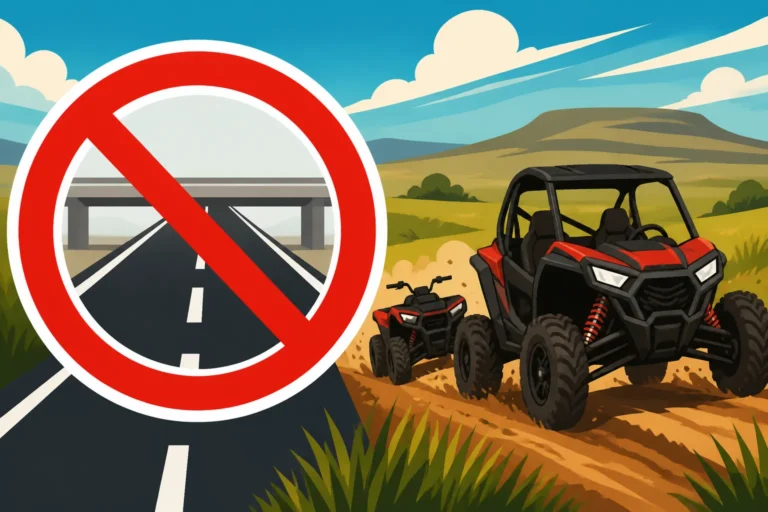
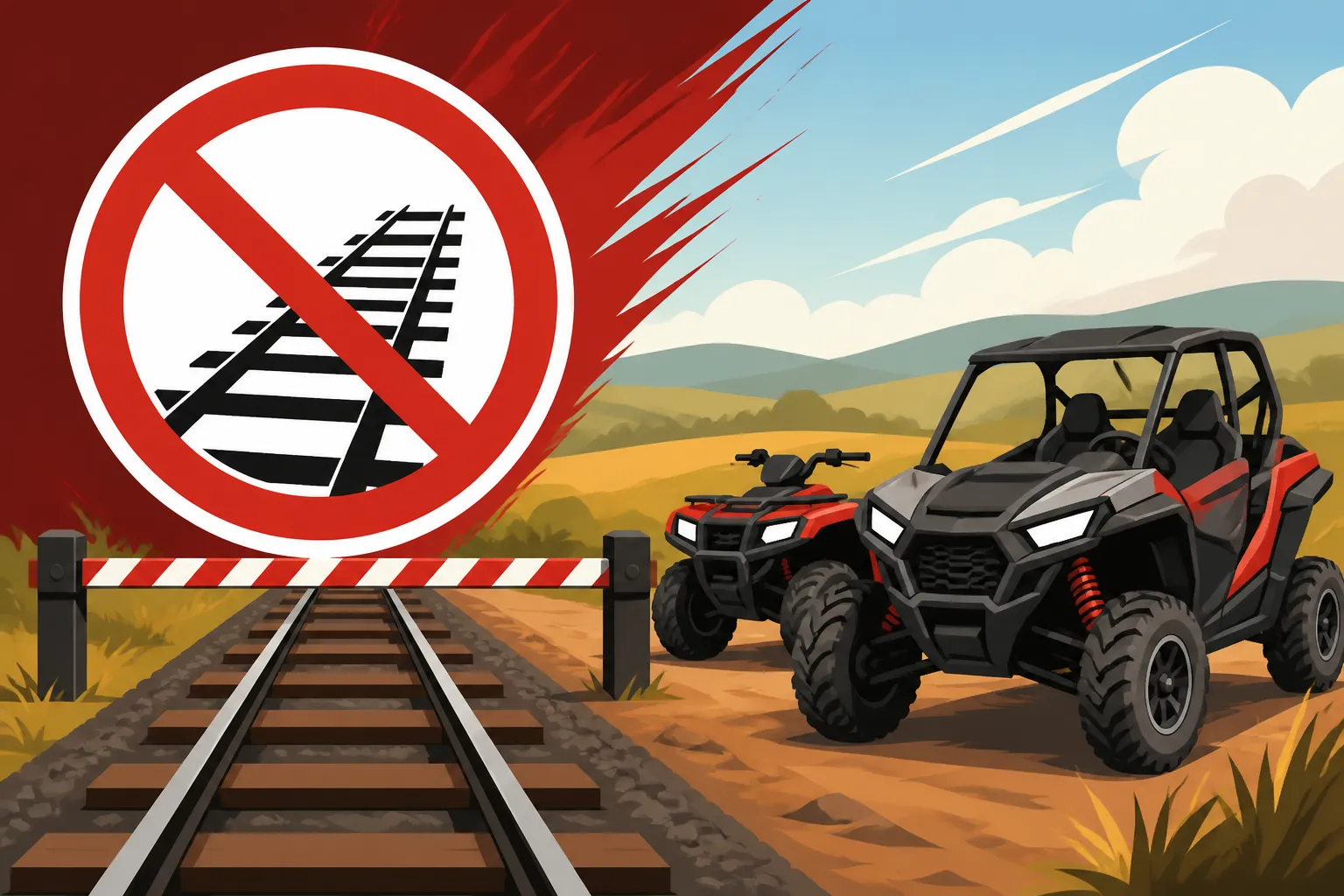
One common question that pops up in conversations among ATV and UTV enthusiasts in North Dakota is whether those old, seemingly abandoned railroad beds are fair game for a ride. It's a natural thought; they often look like perfect, ready-made trails, stretching for miles across the prairie. However, it's incredibly important to understand that, despite their appearance, railroad beds are closed in North Dakota for off-highway vehicle (OHV) use. This isn't just a suggestion; it's a legal and safety mandate that every rider needs to respect. This guide will walk you through exactly why these tempting pathways are off-limits, the dangers they pose, and where you can legally and safely enjoy your machine in the Peace Garden State.
The Legal Basis: Why Railroad Beds Are Off-Limits
It’s easy to look at a stretch of railroad track, especially one that doesn’t seem to get much use, and think it’s public land, or at least open for recreational access. But that's a common misconception, and understanding the legal reality is the first step to staying out of trouble.
Private Property and Right-of-Way
The most fundamental reason railroad beds are closed to OHVs is simple: they are almost universally private property. Railroad companies own these vast corridors, or at the very least, they hold exclusive easements and rights-of-way that grant them control over the land. This ownership extends beyond the tracks themselves to the entire strip of land on either side, often covering a significant width. Just like you wouldn't ride your quad across someone's farm field without permission, you can't ride on railroad property. The land is designated for railroad operations, maintenance, and future expansion, not for recreational activities. Even if a line appears abandoned, the ownership and legal rights usually remain with the railroad company, or perhaps have been transferred to another entity that still maintains private control. This private designation means that entering these areas without explicit permission constitutes trespassing, plain and simple.
Imagine a farmer owning a long strip of land that cuts through various properties. Even if that strip of land isn't actively being farmed, it's still their private property. Railroad rights-of-way function similarly. They're established and maintained for a specific purpose, and that purpose doesn't include recreational vehicle use. Sometimes, these corridors might run adjacent to public roads or even cross them, but that doesn't magically convert the railroad's land into public access points. It's critical for riders to differentiate between truly public access areas, like designated trails or legal ditch lines, and what looks like a convenient path but is actually private domain.
Federal Regulations and State Laws
Beyond the basic private property aspect, federal and state laws specifically govern railroad operations and safety, further prohibiting unauthorized access. Federally, agencies are concerned with the safe and efficient operation of the rail system. Allowing unauthorized vehicles on or near tracks poses a direct threat to that system. North Dakota state laws mirror these concerns, with statutes that prohibit trespassing on railroad property. These laws are designed not only to protect the railroad's infrastructure but, more importantly, to protect the public from the inherent dangers of rail corridors.
North Dakota's legal framework surrounding OHVs, while granting some access to public lands and roads under specific conditions, draws a very clear line when it comes to railroad property. The state legislature recognizes the unique risks involved. These aren't just minor rules; they are serious legal prohibitions with consequences. Even if you encounter a segment of track that hasn't seen a train in years, the legal designation as railroad property and the associated laws still apply. It's not a matter of whether a train is present; it's a matter of legal jurisdiction and safety mandates. You can learn more about [What North Dakota's OHV Law Requires of Owners] to understand other key regulations.
Enforcement and Penalties
Ignoring the prohibition against riding on railroad beds can lead to significant trouble. Law enforcement, including local sheriffs, state patrol, and even railroad police (who have the same authority as other peace officers on railroad property), actively enforce these laws. The consequences for trespassing on railroad property can include citations, hefty fines, and in some cases, even the impoundment of your ATV or UTV. A citation for trespassing can also mean court costs and a mark on your record, which is certainly not how anyone wants to end a fun day of riding.
Consider a scenario where you're enjoying what seems like a peaceful ride down an old rail line, perhaps using some rugged SuperATV components to navigate the rough terrain. Suddenly, you're stopped by a sheriff's deputy. Not only is your ride over, but you're now facing a fine that could easily wipe out your weekend budget. Moreover, if your machine is impounded, you'll incur towing and storage fees on top of the initial fines. The hassle and expense far outweigh any perceived convenience or thrill of riding on prohibited land. The best advice is always to confirm you're on legal ground before you hit the throttle.
Safety Hazards: More Than Just Trespassing
While the legal reasons alone should be enough to keep riders off railroad beds, the inherent safety hazards provide an even more compelling argument. These areas are incredibly dangerous for OHV use, even if you never spot a train.
Active Train Traffic and Unexpected Obstacles
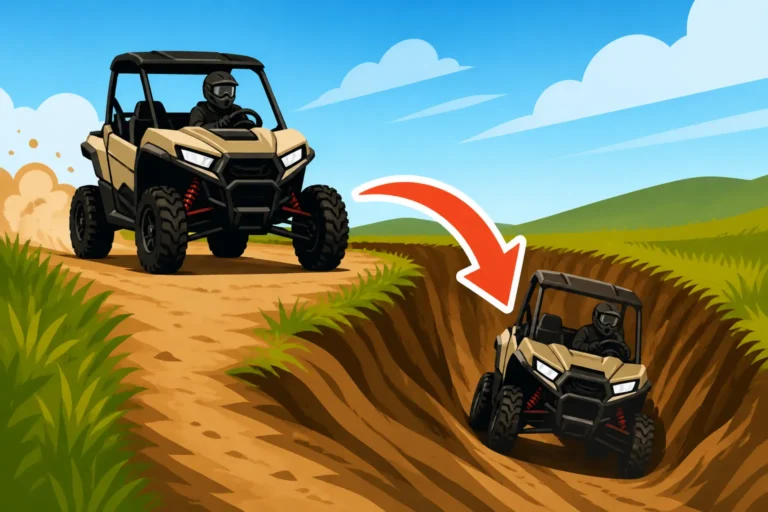
Despite appearances, many railroad lines, even those that seem quiet, are still active. Freight trains can be incredibly quiet until they are very close, and they can appear at any time, day or night, and travel at high speeds. These trains cannot swerve to avoid obstacles, and they take a very long distance to stop. An encounter between an ATV or UTV and a train is almost always catastrophic and often fatal. Even if a line is truly abandoned for rail traffic, the bed itself can present unforeseen dangers. Old ties can be rotting and unstable, culverts might have collapsed, and sections of track might be missing, creating unexpected drops or snags that could easily flip a machine.
Picture yourself cruising along, enjoying the scenery, only to find yourself suddenly in the path of a massive train that seemingly came out of nowhere. There's simply no contest. Even a line that carries only one train a week is still a deadly risk. Furthermore, the ground itself might be hiding broken equipment, sharp metal fragments, or deep holes that are obscured by weeds. Your SuperATV tires might be tough, but they won't save you from a head-on collision with a locomotive or an unexpected fall into a collapsed culvert.
Unstable Surfaces and Infrastructure Risks
Railroad beds are constructed for trains, not for off-road vehicles. The ballast, those loose rocks that surround the ties, is notoriously unstable and difficult to navigate on an ATV or UTV. It can cause your tires to lose traction, making steering unpredictable and increasing the risk of rolling over, especially on curves or inclines. Beyond the ballast, the wooden ties themselves can be rotten, broken, or uneven, creating a jarring and dangerous ride. Bridges and trestles, often part of the railroad infrastructure, can be extremely hazardous. They may have missing planks, weakened structures, or simply not be designed to support the weight or width of an OHV safely, particularly if your machine falls into the category of [North Dakota Class II Width and Weight Limits].
Consider attempting to cross an old railroad bridge where some of the ties are gone or severely deteriorated. Not only is there a risk of falling through, but the approach and departure angles can be steep and treacherous for an OHV. Even smaller structures like culverts, designed for water drainage, can become death traps if they're damaged or hidden by vegetation, leading to sudden drops or rollovers. These are not recreational trails; they are functional transportation corridors that were never intended for light-duty off-road travel.
Emergency Access and Remote Locations
Another critical safety consideration is the difficulty of emergency access to railroad corridors. These lines often run through remote areas, far from paved roads or established access points. If an accident were to occur—and the risks described above make an accident quite likely—it could be incredibly challenging for paramedics, fire departments, or even tow trucks to reach you. Precious time could be lost, turning a non-life-threatening injury into something much more serious due to delayed medical attention.
Imagine a situation: you've taken a tumble on a remote section of railroad bed, perhaps twisting an ankle or worse. You have no cell service, and even if you did, explaining your exact location to emergency responders would be nearly impossible because you're not on a named road or official trail. Search and rescue efforts become complicated and time-consuming, putting not only your life at risk but also the lives of the responders. Sticking to recognized and legal riding areas, like those found on [North Dakota OHV Trails: All Four Riding Areas], ensures that if something goes wrong, help can actually find you.
What This Means for North Dakota Riders
So, with railroad beds firmly off the table, what's a North Dakota rider to do? It really boils down to informed choices, respecting the rules, and seeking out the many legal and enjoyable opportunities available across the state.
Respecting Landowner Rights
The core principle here is respecting private property. Just as you'd expect others to respect your property, it's essential to extend that same courtesy to railroad companies and other private landowners. Many of the issues that arise between landowners and riders stem from trespassing and unauthorized access. By adhering to posted signs and established laws regarding railroad property, you contribute positively to the OHV community's reputation and help maintain good relationships with landowners. This, in turn, can help preserve and even expand future riding opportunities.
Riding a North Dakota OHV is a privilege, not a right, especially when it comes to shared landscapes. When a railroad right-of-way passes through public land, it's easy to assume it becomes public access. However, the legal definition of railroad property overrides this assumption. Always assume private property unless explicitly marked as public and open for OHV use. This simple rule of thumb will keep you out of legal trouble and protect you from potentially dangerous situations. Remember that many landowners choose to open their land for specific activities, and respect for their boundaries is paramount for a harmonious environment.
Finding Legal Riding Alternatives
North Dakota offers plenty of fantastic legal riding opportunities without resorting to illegal railroad beds. The state provides designated OHV trails in various locations, such as the famous [Pembina Gorge: North Dakota's OHV Trail Park] or the [Roughrider OHV Trail Links Fort Abraham Lincoln and Fort Rice]. These trails are specifically designed, maintained, and legally open for OHV use, providing a safe and enjoyable experience for riders of all skill levels. They often come with amenities, clear signage, and maps.
In addition to dedicated trails, North Dakota also has specific laws regarding ditch riding, which, under certain conditions, allows OHVs on the back-slopes and ditch bottoms of certain public roads. This provides a vast network of legal riding opportunities for those who understand and follow the rules. Familiarize yourself with [North Dakota Ditch Riding: The Legal Right Explained] to understand the nuances of this type of riding. Always check local ordinances and land management regulations before heading out, as rules can vary by county or city. For instance, some roads on the [North Dakota Grassland Roads Open to OHVs] may also allow riding.
Here's a quick comparison of prohibited vs. legal riding areas:
| Feature/Area | Railroad Beds (Prohibited) | Designated OHV Trails (Legal) | Ditch Riding (Legal with Conditions) |
|---|---|---|---|
| Ownership Status | Private property or exclusive easement | Public land, specifically designated | Public right-of-way, subject to state/local rules |
| Safety Hazards | Active trains, unstable ballast, rotten ties, hidden drops | Maintained, marked, designed for OHVs | Potential road hazards, traffic, unseen obstacles |
| Legal Status | Trespassing, fines, impoundment | Legal access, often requiring registration/permits | Legal within specific parameters, requires registration |
| Emergency Access | Extremely difficult, remote locations | Generally accessible, often with cell service | Readily accessible via public roads |
| Infrastructure | Not designed for OHVs | Built for OHV use, safe crossings | Requires careful navigation near culverts, approaches |
| Permits/Fees | None, as it's illegal | Often requires [North Dakota's Two-Year OHV Registration] | Requires [North Dakota's Two-Year OHV Registration] |
The Importance of Knowing the Rules
Ultimately, responsible OHV ownership in North Dakota means being informed and proactive about understanding the rules. The temptation to cut across what looks like an open space can be strong, but the potential legal and safety ramifications of riding on railroad beds are simply not worth the risk. Take the time to educate yourself on all North Dakota's OHV regulations, including registration requirements, equipment standards, and where you are legally allowed to ride.
By sticking to designated trails, understanding the intricacies of ditch riding, and always respecting private property, you can ensure your North Dakota riding adventures are not only thrilling but also safe and within the bounds of the law. Before any trip, it’s a good idea to check for current conditions, local advisories, and confirm that your machine meets all state requirements for things like [North Dakota's 350cc Minimum for Road Riding] if you plan on using any road segments. Being a knowledgeable and compliant rider benefits everyone and helps keep our incredible state open for generations of OHV enthusiasts.
Disclaimer
This article is for general informational purposes only and does not constitute professional advice. Laws, prices and regulations vary by location and change over time. Consult a qualified professional for guidance on your specific situation.