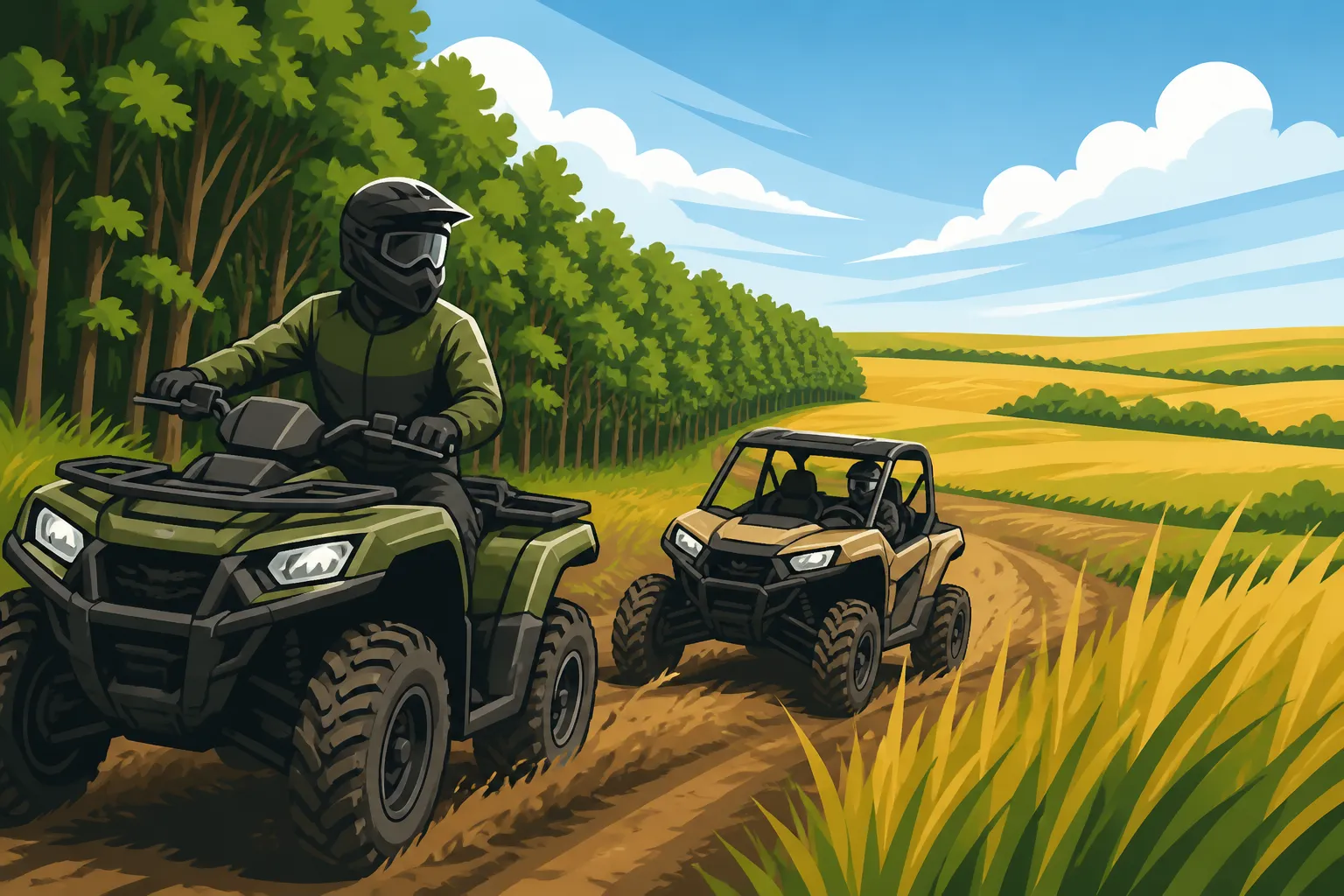
Shelterbelts and North Dakota Riding
It's a common scenario for ATV and UTV riders in North Dakota: you're cruising along, enjoying the vast landscape, when you come across a shelterbelt. These dense lines of trees are a defining feature of our prairie, but they also raise a big question for off-highway vehicle (OHV) enthusiasts: can you ride there? This guide will dive deep into the regulations, etiquette, and practical considerations you need to know about riding your machine near or in North Dakota's shelterbelts, helping you stay safe and legal.
The Purpose and Placement of North Dakota Shelterbelts
Before we talk about riding, let's understand what shelterbelts are and why they're so prevalent across North Dakota. These aren't just random groupings of trees; they're strategically planted barriers with multiple vital functions for our agricultural communities and environment.
More Than Just Trees: A Prairie Necessity
Shelterbelts, also known as windbreaks, are deliberately planned and planted rows of trees and shrubs, designed to protect fields, farmsteads, and livestock from the harsh prairie winds. They reduce wind erosion of topsoil, which is critical in a state known for its open, windy plains. Beyond erosion control, they also help with snow management, accumulating snow in specific areas to conserve moisture for crops or to keep driveways clear. Imagine trying to grow crops or protect your home without some natural buffer against those relentless winter gales or summer dust storms – it's why these tree lines are so important.
Where You'll Find Them Across the State
You'll encounter shelterbelts pretty much everywhere in North Dakota's rural areas. They most commonly mark property lines between fields, line farm access roads, or surround homesteads. Because they serve a protective purpose for agricultural land, they are almost exclusively found on private property. This fundamental fact is key to understanding why riding in or even alongside them requires careful thought and often, specific permission. They might border a section line, a county road, or simply run through the middle of a vast farmer's field, dividing parcels or protecting crops. Their dense nature also creates crucial habitat for local wildlife, from pheasants seeking cover to deer bedding down for the night, adding another layer of consideration for respectful riders.
Legal Considerations for Riding Near Shelterbelts
Navigating the legalities of riding your ATV or UTV near shelterbelts in North Dakota can feel like walking a tightrope. The golden rule here is simple: assume it's private property unless you have explicit information otherwise. This means a good chunk of understanding revolves around respecting private land and knowing when and where you truly have the right to ride.
Private Property is Paramount
The vast majority of shelterbelts in North Dakota are situated on private land, put there by landowners for specific agricultural or environmental purposes. This immediately brings up the critical issue of trespass. Without direct, explicit permission from the landowner, riding your OHV into or through a shelterbelt – or even too close to one on their private property – is considered trespassing. It's not just a minor infraction; it can lead to legal consequences and damage your relationship with local landowners.
North Dakota has clear laws regarding trespass, and riders need to be aware that even if a property isn't fenced, it can still be considered posted if it meets certain criteria, such as signs placed at specific intervals or electronic posting. It's always your responsibility as a rider to know if you're on private land and to ensure you have permission. For more on this, you might want to read up on [North Dakota Posted Land Rules for Riders] and [North Dakota Trespass Law for Riders]. Always err on the side of caution: if you don't know, don't go. A friendly conversation with a landowner before you ride can prevent a lot of headaches later on.
Ditch and Section Line Intersections
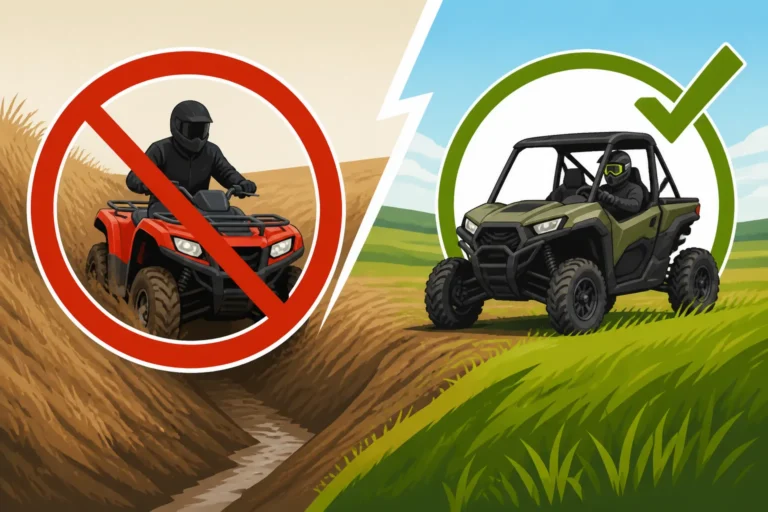
Now, this is where it gets a little more nuanced and often causes confusion for riders. Shelterbelts frequently run adjacent to public rights-of-way, such as road ditches or section lines. In North Dakota, there are specific provisions that allow for [North Dakota Ditch Riding: The Legal Right Explained], given your machine is properly registered and you follow all the rules for the road type. However, a ditch right-of-way is not the same as the shelterbelt itself.
While you might be legally allowed to ride in a public road ditch, the moment you cross out of that ditch and into the shelterbelt, you are very likely on private property. The trees and shrubs that form the shelterbelt are typically planted on the landowner's side of the property line, even if that line is very close to the ditch. It's a fine line, literally and figuratively.
Consider this scenario: You're riding down a gravel road and see a shelterbelt running parallel to the ditch. You might be legally riding in the ditch itself, maintaining the required distance from the roadway. However, if you decide to veer off into the trees, thinking it's part of the public right-of-way, you're almost certainly trespassing. The public easement for a ditch is usually just for the ditch itself, not the private land immediately bordering it where the shelterbelt typically stands. Understanding [North Dakota Rules for Riding a Section Line] is key here, as section lines often involve these same private property considerations. The distinction is crucial for staying within the bounds of the law.
Environmental and Practical Impacts of OHV Riding in Shelterbelts
Beyond the legal aspect, there are significant environmental and practical reasons why riding your OHV in shelterbelts is generally discouraged, even if you theoretically could get permission. These tree lines are delicate ecosystems that serve specific purposes, and our machines, while fun and useful, can cause considerable damage.
Habitat Disruption and Vegetation Damage
Shelterbelts are vital sanctuaries for North Dakota's wildlife. They provide critical nesting sites, food sources, and protective cover for numerous bird species, small mammals, and even deer. The noise, exhaust, and presence of OHVs can severely disrupt these habitats. Imagine a pheasant trying to nest quietly only to be startled by the roar of an engine. Repeated disturbances can drive wildlife away, making the shelterbelt less effective as a habitat.
Furthermore, the physical act of riding through a shelterbelt causes direct damage to the vegetation itself. The tires of an ATV or UTV can compact the soil, making it harder for roots to breathe and absorb water. This compaction can harm mature trees and especially stunt the growth of young saplings that are vital for the shelterbelt's long-term health. Sharp turns or aggressive riding can tear up roots, snap off low branches, and destroy the undergrowth that contributes to the belt's density and effectiveness. This kind of damage can weaken the entire structure, making it less effective as a windbreak and more susceptible to disease or pests.
Fire Risk and Other Safety Hazards
Another serious concern, particularly during North Dakota's dry seasons, is the heightened risk of fire. Hot exhaust systems from OHVs can easily ignite dry grasses, leaves, and other debris commonly found within and around shelterbelts. A spark or a sustained hot spot from your machine's muffler can quickly turn into a devastating prairie fire, endangering not just the shelterbelt itself, but also adjacent fields, farm buildings, and homes. This isn't just an inconvenience; it can be a catastrophic event with far-reaching consequences. Always be mindful of fire restrictions, especially when riding in any area with dry vegetation.
Beyond environmental impacts, shelterbelts also pose significant safety hazards for riders. They often contain hidden obstacles like stumps, fallen branches, rocks, and even old farm equipment or discarded fencing materials. Visibility can be extremely limited, making it easy to hit something unseen, resulting in serious injury or damage to your machine. The dense growth can also snag clothing or protective gear, leading to loss of control. It's simply not a safe environment for recreational riding, regardless of permission.
Here's a quick overview of what to consider:
| Scenario | Legal Access | Environmental Impact | Rider Safety | Recommendation |
|---|---|---|---|---|
| On private land without permission | No | High negative | Low | Do NOT ride. Legal trespass. |
| On private land with permission | Yes (rare) | High negative | Medium | Avoid if possible; stick to specific paths if granted. |
| In a public ditch adjacent to SB | Sometimes | Low if staying out | Medium | Stick strictly to ditch; do NOT enter shelterbelt. |
| Designated OHV trail | Yes | Low (managed) | High | Best and safest option for riding. |
Responsible Riding: Etiquette and Alternatives
As riders, we have a responsibility to be good stewards of the land and respectful neighbors. Understanding the specific challenges and rules around shelterbelts means we can make informed choices that benefit everyone.
Always Seek Landowner Permission
This cannot be stressed enough: if you're considering riding anywhere near a shelterbelt that isn't on clearly designated public land, you must seek explicit permission from the landowner. A friendly, face-to-face conversation is always best. Explain what you want to do, where you want to go, and assure them you understand the importance of their land. Many landowners are reasonable, but they need to know who is on their property and why. Don't be surprised if permission is denied, as most shelterbelts are not suitable for OHV traffic. However, you might gain permission for specific tasks, such as accessing a field for [North Dakota Rules for Riding to a Field] or [North Dakota Rules for Farm Use on a Road], where a section of the shelterbelt might be temporarily navigated.
If permission is granted, it's wise to get it in writing, especially if you plan to access the property repeatedly. This protects both you and the landowner. Understanding [Landowner Permission in Writing] can make this process smoother. Remember, just because you have permission for one type of activity doesn't mean it extends to all-out recreational riding through their trees. Respect their wishes, and stick strictly to any routes or conditions they specify.
Respect Property Lines and Minimize Impact
When riding near any private property, always maintain a clear understanding of where property lines lie. A GPS unit with property boundary maps can be invaluable for this. Never assume a fence line or a change in vegetation marks the exact boundary. If you are riding in a public ditch adjacent to a shelterbelt, make sure you stay within the legal confines of the ditch right-of-way. Do not cut into the trees, even for a quick turn-around.
If, by some rare chance, you are granted permission to traverse a shelterbelt for a specific purpose, ride with extreme caution and minimal impact. Avoid spinning tires, sudden acceleration, or aggressive maneuvers that could damage the vegetation or soil. Protecting your machine with robust aftermarket accessories, like heavy-duty skid plates or A-arm guards from a brand like SuperATV, can help protect your vehicle from unseen stumps or low-hanging branches if you're navigating rougher, authorized terrain. Being prepared for potential challenges, like getting stuck, is also smart. A reliable winch, for example, can be a game-changer if you find yourself bogged down in soft ground, avoiding the need for heavy equipment to pull you out.
Explore Legal Riding Areas and Alternatives
The best way to enjoy your OHV in North Dakota without worrying about shelterbelts or trespassing is to stick to designated, legal riding areas. North Dakota might be known for its vast open spaces, but there are specific places set up for OHV fun.
Consider exploring the state's official OHV trails and parks. These areas are designed for recreational riding, offer diverse terrain, and are managed to minimize environmental impact while maximizing rider enjoyment. Places like Pembina Gorge, the Roughrider OHV Trail, or Kimball Bottoms offer incredible opportunities for off-road adventures without the legal and environmental worries associated with shelterbelts. To learn more about where you can ride, check out [North Dakota OHV Trails: All Four Riding Areas]. These trails are your safest and most responsible bet for a worry-free ride. You can also find information on other areas, such as [North Dakota Wildlife Areas Closed to OHVs], to help you plan your routes responsibly.
By understanding the purpose of shelterbelts, respecting private property rights, and choosing designated riding areas, we can ensure the longevity of both our riding opportunities and North Dakota's unique landscape.
Disclaimer
This article is for general informational purposes only and does not constitute professional advice. Laws, prices and regulations vary by location and change over time. Consult a qualified professional for guidance on your specific situation.