A Motor of at Least 350 Cubic Centimeters
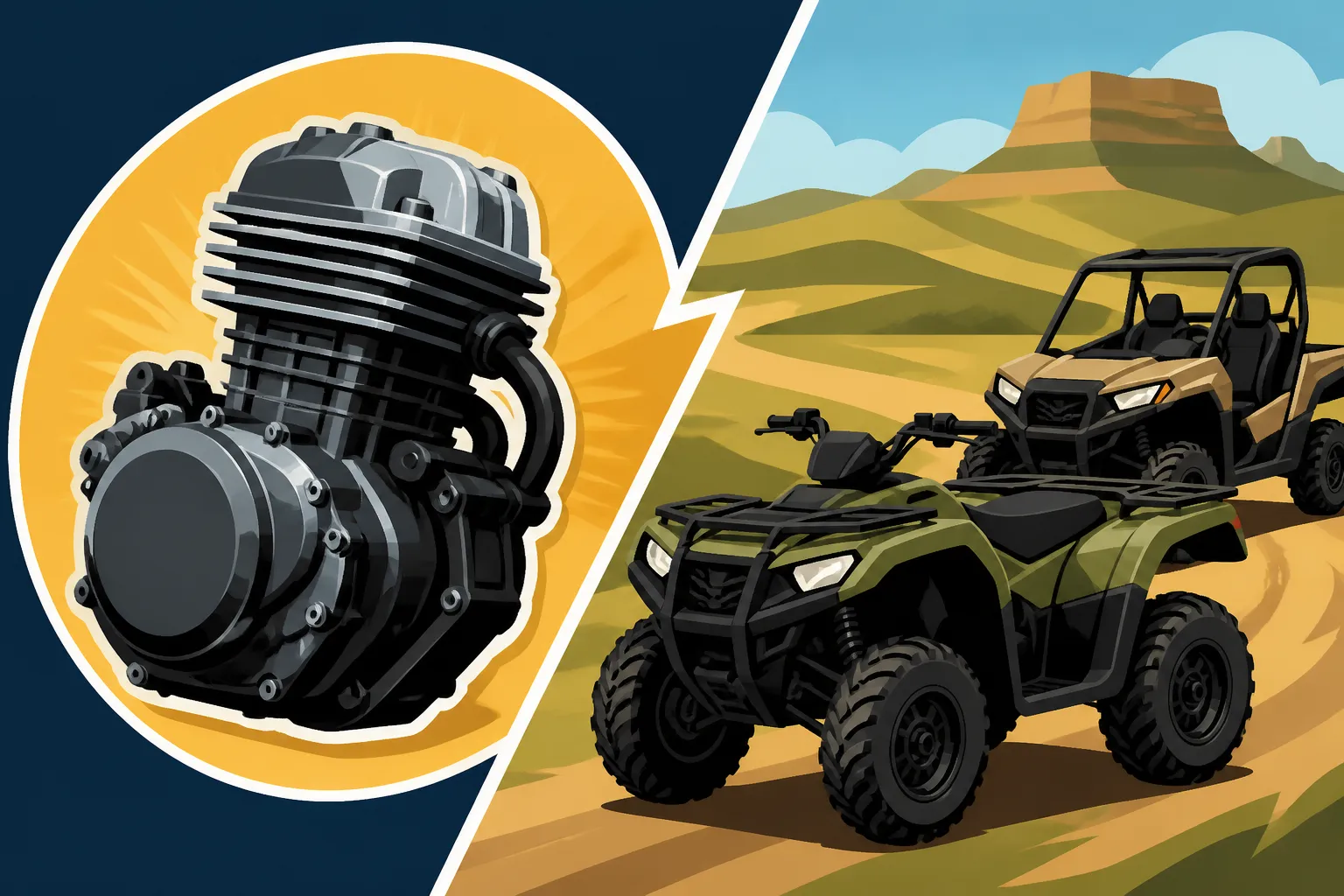
Riding an ATV or UTV in North Dakota offers incredible freedom, but it also comes with a maze of rules, especially when you want to take your machine beyond the trails and onto public roads. One of the most common headaches riders encounter is figuring out if their pride and joy is even allowed on the pavement or gravel roads, and it often boils down to a specific engine size requirement. This guide will cut through the confusion and explain North Dakota's essential 350 cubic centimeter (cc) rule for road riding, helping you understand why it exists, what it means for your machine, and how to stay on the right side of the law.
Understanding North Dakota's 350cc Minimum for Road Riding
It’s a common scenario: you’ve got your UTV, you’re out for a ride, and you want to connect two trails or just pop into town for a snack. You see other side-by-sides on the road, so why can’t yours join them? This is where North Dakota's specific rule about engine displacement comes into play, setting a clear minimum for machines venturing onto public roads. It's not just a random number; there's a practical and safety-oriented reason behind it that every rider needs to understand.
Why Engine Size Matters on Public Roads
When state legislators craft laws about off-highway vehicles (OHVs) on public roads, they're not just trying to make things difficult for riders. Their primary concern is safety and the smooth flow of traffic. An ATV or UTV with a motor smaller than 350 cubic centimeters might struggle to maintain safe speeds on roads where cars and trucks are traveling at 30, 45, or even 55 miles per hour. Imagine a small utility quad barely able to hit 25 mph on a busy county road; it becomes a significant hazard, forcing other vehicles to swerve or brake unexpectedly.
This legislative intent is rooted in preventing dangerous situations. A slower vehicle creates speed differentials that can lead to accidents, especially on roads with limited visibility or high traffic volume. The 350cc minimum is essentially a benchmark, ensuring that any OHV legally operating on a public road has sufficient power to keep pace with traffic, accelerate out of danger if needed, and not become an undue obstruction. It's about ensuring your machine can hold its own and contribute to overall road safety, not detract from it.
Furthermore, these regulations consider the typical use-case for smaller machines. Youth ATVs or some compact utility models are often designed for lower speeds, lighter loads, and off-road environments. While perfectly safe and fun in their intended settings, they aren't built to handle the demands of sustained road travel, where factors like acceleration, braking, and stability at higher speeds become critical. The 350cc rule serves as a blanket guideline to separate machines capable of road use from those better suited for private land or designated [North Dakota OHV Trails: All Four Riding Areas].
What "Road Riding" Actually Means in North Dakota
Navigating North Dakota's landscape means understanding where you can and cannot ride your OHV, and this is where the definition of "road riding" becomes crucial in relation to the 350cc rule. It’s not a one-size-fits-all situation. The state specifically delineates different types of public thoroughfares, and each has its own set of regulations. Generally, when North Dakota refers to "road riding" that requires a 350cc minimum, they are talking about paved and gravel public roads, particularly those maintained by counties or the state, where you might encounter regular vehicle traffic.
This is distinct from other common riding areas like ditches or section lines. For instance, [North Dakota Ditch Riding: The Legal Right Explained] covers specific rules for operating in ditch bottoms or back-slopes, which often have different requirements and may not fall under the strict 350cc rule for 'road' operation, though other restrictions certainly apply. Similarly, [North Dakota Rules for Riding a Section Line] often involve considerations of private property access and specific conditions. So, if you're planning a trip solely for ditch riding or field access, the 350cc rule for road use might not be your primary concern, but you absolutely need to know the regulations for those specific areas.
However, if your goal is to use your ATV or UTV to travel between towns, access hunting land via a county road, or simply connect two trail systems by briefly using a paved or gravel surface, then the 350cc minimum comes into sharp focus. [North Dakota ATV Road Rules by Surface Type] delves deeper into these distinctions, clarifying which types of roads are open to OHVs under what conditions. It's critical to remember that this rule is designed for situations where your machine is expected to integrate into general traffic flow, even if it's just for a short distance.
The Practical Implications of the 350cc Rule for Riders
For many riders, the 350cc rule can be a curveball. Perhaps you inherited a smaller ATV, or you bought a youth model for your older child, only to find out it's legally restricted from the very roads you hoped to explore. This rule has direct, tangible impacts on what kind of machine you should buy, where you can legally ride it, and what happens if you try to skirt the regulations. It's about making informed choices from the get-go to avoid frustration and potential legal trouble down the line.
Choosing the Right Machine for Your Riding Needs
When you're in the market for an ATV or UTV in North Dakota, your intended riding style should heavily influence your purchase, especially concerning engine size if road use is on your radar. If you envision cruising down gravel roads to your favorite fishing spot, or using public routes to link up with friends on a group ride, then explicitly looking for a machine with an engine displacement of 350cc or greater is non-negotiable. Many utility ATVs and most side-by-sides easily meet this threshold, but it’s always best to verify the specifications before you buy. Don’t just assume!
Conversely, if your primary interest lies in dedicated trail riding, private property use, or specialized tasks like farming where road travel is minimal and highly regulated, a smaller machine might be perfectly adequate. For instance, if you're only going to be working on your own land, [North Dakota Registration Exemptions Explained] might apply to you, and the 350cc road rule becomes less relevant. However, for those looking to maximize versatility and legally access public roads, opting for a robust machine ensures compliance. When researching, pay close attention to engine displacement, usually listed in cubic centimeters (cc) or cubic inches (ci).
It's also worth considering that manufacturers like SuperATV offer a wide range of aftermarket accessories that can enhance your machine's utility and safety, but these modifications won't change your engine's displacement. While adding a windshield, better lighting, or storage solutions can make your ride more comfortable and road-ready, they don't magically make a 250cc engine a 350cc engine in the eyes of the law. Always start with a machine that inherently meets the core requirements before customizing it for your adventures.
When Your Machine Doesn't Meet the 350cc Threshold
So, you've checked your owner's manual or the specifications online, and your beloved quad clocks in at 250cc. What now? The hard truth is that if your machine has an engine smaller than 350 cubic centimeters, you are legally restricted from operating it on designated public roads in North Dakota where that rule applies. This means no casual cruises down the highway, no quick trips to the gas station on a paved road, and certainly no sustained travel on major thoroughfares. Your riding will primarily be confined to private property, designated OHV parks like [Pembina Gorge: North Dakota's OHV Trail Park], or specific areas where smaller engines are explicitly allowed, such as certain ditch lines or private trails.
It's crucial to understand that there is no "conversion path" or legal loophole to make a sub-350cc engine comply with this rule for road use. You cannot simply install an aftermarket exhaust or a performance air filter and claim it’s now "equivalent." The law is clear on the stated engine displacement. This reality often leads to difficult decisions for owners of smaller machines who had hoped for more expansive riding opportunities. If road legality is a must-have for you, then upgrading to a larger displacement machine is often the only viable solution.
Attempting to ride a non-compliant machine on a restricted road isn't just a minor infraction; it can lead to significant penalties. Beyond the immediate legal consequences, such as tickets and fines, there's the risk of safety. As discussed earlier, these rules exist to protect riders and other motorists. Operating an underpowered machine in traffic can put you and others in danger. It’s always better to know and respect these limitations, ensuring your riding experiences are enjoyable, safe, and legal. [North Dakota Rules for a Machine Under 350cc] further details these specific restrictions.
Navigating Road Rules and Compliance in North Dakota
Meeting the 350cc engine minimum is a significant hurdle for road legality, but it’s certainly not the only one. North Dakota’s laws are designed to ensure that any OHV venturing onto public roads is not just powerful enough, but also equipped with the necessary safety features to function alongside conventional vehicles. Failing to meet these additional requirements, even with a compliant engine, can still land you in hot water.
Essential Equipment Beyond Engine Size
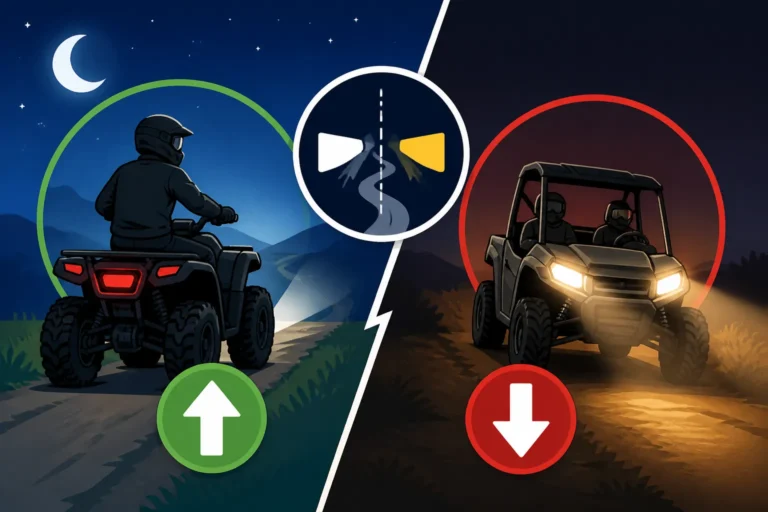
Once your ATV or UTV has cleared the 350cc engine hurdle, you still need to make sure it's properly outfitted for road use. North Dakota, like most states, has a list of mandatory equipment that transforms an off-road vehicle into something safer for highway travel. This includes things like properly functioning headlights that can illuminate objects at a certain distance, taillights, brake lights, and turn signals for clear communication with other drivers. A horn, audible from a specific distance, is also typically required to alert others to your presence.
Perhaps one of the most important, and often overlooked, pieces of equipment is a mirror. North Dakota usually requires at least one rearview mirror that meets certain size standards to provide the rider with a clear view of traffic behind them. Without these critical safety features, even a powerful 1000cc side-by-side isn’t legally ready for the road. Many riders choose to install aftermarket kits from reputable brands, sometimes including options from SuperATV, to ensure their machines meet these specifications. Always check the specifics for [North Dakota Mirror and Horn Requirements], [North Dakota Headlamp Distance Standards], and [North Dakota Brake Light Requirement] to avoid any surprises.
This emphasis on equipment isn’t just about ticking boxes for law enforcement; it's about practical safety. When you’re sharing the road with cars, trucks, and semi-trucks, being seen, heard, and able to communicate your intentions is paramount. A machine might feel perfectly capable off-road, but the dynamics of public roads demand a different set of safety considerations. Ensuring all your lights work, your horn is loud and clear, and you have adequate visibility makes every ride safer for everyone involved.
The Ramifications of Non-Compliance
Ignoring North Dakota’s OHV road rules, whether it’s the 350cc engine minimum or lacking required equipment, can lead to more than just a stern talking-to. The legal system takes these regulations seriously, primarily due to the safety risks involved. If an officer pulls you over on a restricted road with an undersized machine or one missing crucial equipment, you could face citations, fines, and potentially even have your machine impounded. These penalties aren’t just a slap on the wrist; they can significantly impact your wallet and your future riding privileges.
Beyond state regulations, it's vital to remember that counties and cities in North Dakota often have their own specific ordinances that can further restrict OHV use on local roads. What might be permissible in one county could be strictly forbidden just a few miles down the road. This patchwork of rules means you can’t assume statewide legality applies everywhere. Always check [North Dakota County and City ATV Ordinances] before you head out, especially if you’re venturing into unfamiliar territory. A quick call to the local sheriff's department or city hall can save you a lot of grief.
In summary, riding an OHV on North Dakota’s public roads demands diligence and adherence to the law. From ensuring your engine meets the [North Dakota's 350cc Minimum for Road Riding] to having all the necessary [North Dakota Equipment Required on a Roadway], every detail matters. The goal isn't to make riding complicated, but to ensure that your adventures are as safe and legal as possible, allowing you to enjoy the vast open spaces of North Dakota without unnecessary stress or penalties.
| Requirement Type | Specifics for North Dakota Road Riding (General) | Notes |
|---|---|---|
| Engine Size | At least 350 cubic centimeters (cc) | Mandatory for most public paved/gravel roads |
| Headlights | Must be visible at 300 feet (minimum) | Required for night travel and low visibility |
| Taillights | Must be visible at 500 feet (minimum) | Required for night travel and low visibility |
| Brake Lights | Must activate when brakes are applied | Essential for communicating stops |
| Horn | Audible at 200 feet (minimum) | For alerting other motorists |
| Mirrors | At least one rearview mirror (10 sq. inches min.) | Crucial for awareness of surrounding traffic |
| Speedometer | Must be functional and display MPH | To comply with posted speed limits |
| Muffler | Must be equipped to prevent excessive noise | Noise ordinances are enforced |
| Seat | Must be designed for the rider/passenger | North Dakota Riding Where the Seat Was Not Built is prohibited |
Disclaimer
This article is for general informational purposes only and does not constitute professional advice. Laws, prices and regulations vary by location and change over time. Consult a qualified professional for guidance on your specific situation.