North Dakota Rules for a Child Passenger
Trying to figure out if your little one can safely and legally ride alongside you on your ATV or UTV in North Dakota can feel like navigating a maze of conflicting advice and confusing laws. It's not just about what feels right, but what the law explicitly permits and, crucially, what your machine is designed to do. This guide will cut through the noise, clarifying North Dakota's specific rules and recommendations for child passengers, so you can enjoy your rides with family, worry-free and with confidence.
Understanding North Dakota's Approach to OHV Passengers
North Dakota's laws regarding off-highway vehicles (OHVs) are designed with safety in mind, and that absolutely extends to carrying passengers, especially children. Unlike some states that have very strict age-based bans on passengers, North Dakota's regulations focus heavily on the design of the machine itself and the responsible operation by the driver. It’s not just a free-for-all; there are specific guidelines that must be followed to ensure everyone's safety and to avoid potential penalties. Overlooking these details can lead to fines, but more importantly, it could put your child at risk.
The core principle here is that your OHV must be manufactured and designed by the original equipment manufacturer (OEM) to carry more than one person if you intend to have a passenger. This is a critical distinction that many riders overlook. A single-rider ATV, no matter how wide or comfortable its seat might seem, is simply not built to safely accommodate a passenger. Trying to squeeze a child onto a machine not designed for two can significantly impact handling, stability, and braking, turning a fun outing into a dangerous situation. Always check your machine's manual and the manufacturer's recommendations first. This isn't just a suggestion; it's the foundation of North Dakota's passenger rules.
Manufacturer Design: The First Rule of Passenger Riding
Before you even consider state laws, the absolute first thing you need to check is whether your specific off-highway vehicle (OHV) was designed by its manufacturer to carry a passenger. This isn't a minor detail; it's the bedrock of safe and legal passenger transport in North Dakota, especially when children are involved. Manufacturers put significant engineering into balancing, suspension, seating, and controls for a specific number of riders. Modifying a single-rider machine to carry two people often compromises these critical safety features.
Single-Rider ATVs Are For One Rider Only
If you own a traditional ATV, it's highly likely it was designed for a single operator. These machines are engineered with a specific weight distribution, center of gravity, and seating position intended for one person to straddle the machine and control it with body English. Adding a passenger, especially a squirming child, to a single-rider ATV dramatically alters this balance. It can make the ATV incredibly unstable, difficult to steer, and prone to rollovers, particularly on uneven terrain or during turns. The extra weight can also overload the suspension and brakes, reducing their effectiveness and increasing stopping distances. [North Dakota Class I, II and III Machines] outlines the different categories of OHVs, and it's important to know that most Class I ATVs (the classic straddle-seat quad) fall into the single-rider category unless explicitly labeled otherwise by the manufacturer.
Two-Up ATVs and UTVs: Designed for More
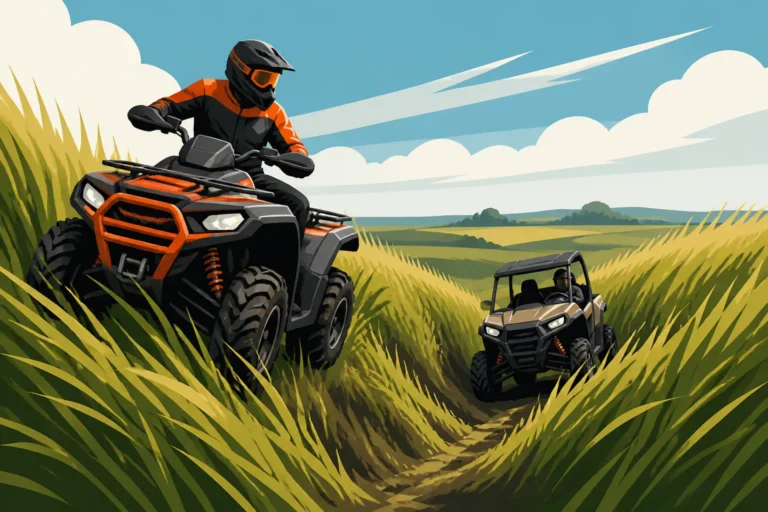
Fortunately, the market offers machines specifically designed for multiple occupants. "Two-up" ATVs are purpose-built models featuring an extended seat, passenger handholds, and often a more robust suspension system to safely accommodate two riders. These are distinct from single-rider ATVs that someone might try to modify. For UTVs (Utility Terrain Vehicles), the design often inherently supports multiple passengers with factory-installed bucket seats or bench seating and dedicated seatbelts, making them a popular choice for families. Companies like SuperATV offer a range of accessories, from windshields to roof kits, that can enhance the comfort and safety for all occupants, especially younger ones, though these accessories should always complement, not replace, the manufacturer's original design for passenger capacity.
When considering a UTV, you'll find models designed for two, four, or even six passengers. These machines offer a roll cage, seatbelts, and a more car-like driving experience, which can feel much safer for parents transporting children. The key is to verify that the passenger capacity you're using aligns with the manufacturer's specifications. Don't assume that just because there's extra space, it's safe or legal for an additional person. Always consult your owner's manual for the exact passenger limits and any weight restrictions.
Age and Positioning Guidelines for Young Passengers
Once you've confirmed your OHV is designed to carry a passenger, North Dakota law has specific guidelines regarding the age of that passenger and where they must be positioned. These rules are in place to ensure that even on a multi-passenger machine, the youngest riders are kept as safe as possible and do not interfere with the operator's ability to control the vehicle. It's a balance between enjoying family time outdoors and adhering to critical safety standards.
Children Under 16 as Passengers
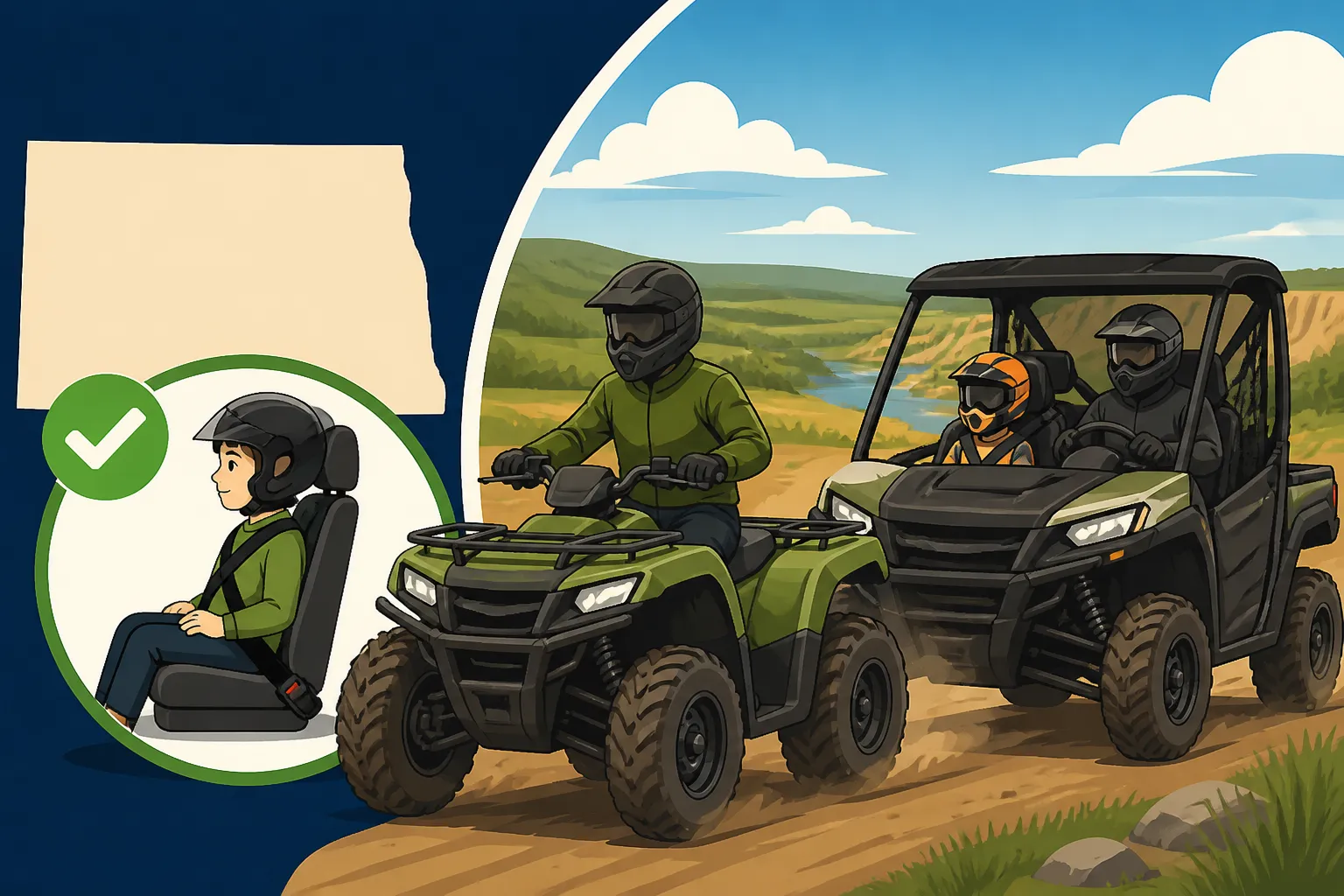
In North Dakota, children under the age of 16 are generally allowed to be passengers on an OHV, provided the vehicle is specifically designed by the manufacturer to carry more than one person. This means if you have a two-up ATV or a UTV with multiple seats, your child can ride along. However, the law explicitly states that a passenger, regardless of age, must ride on a seat designed for a passenger. This means no standing in the bed of a UTV, no sitting on the driver's lap, and certainly no squeezing onto the fender of an ATV. The idea is that everyone has a dedicated, secure place to ride, equipped with appropriate restraints if applicable, like seatbelts in a UTV.
For many families, this means a UTV is often the preferred choice for carrying younger children due to its inherent multi-passenger design and safety features like seatbelts. While a two-up ATV allows a passenger, the straddle-seat position can sometimes be less secure for very young children compared to the bucket seat and harness of a UTV. Regardless of the machine type, the child must be capable of holding on securely and keeping their feet on the footrests or floorboards throughout the ride. It's also vital to remember that [North Dakota Helmet Law for Riders Under 18] requires all riders under 18 to wear a helmet meeting DOT standards, whether they are operating or simply a passenger.
Interference with Operator Control
Beyond simply having a designated seat, North Dakota law prohibits any passenger from interfering with the operator's control of the OHV. This is particularly important with children, who might naturally shift, reach, or get distracted during a ride. Even a small child, if not properly secured or if they become restless, can inadvertently nudge controls, block mirrors, or throw off the driver's balance. This rule emphasizes the driver's responsibility to ensure their passenger, especially a child, understands and adheres to safe riding behavior.
As a parent, this means having a conversation with your child before hitting the trails. Explain that they need to keep their hands and feet inside the vehicle at all times, hold onto grab handles where provided, and avoid sudden movements. For smaller children in UTVs, ensuring they are properly secured in their seatbelts or even a car seat (if the UTV manufacturer explicitly allows and provides proper anchor points for such a device, which is rare) is crucial. Even well-made aftermarket accessories from companies like SuperATV that enhance comfort or storage shouldn't compromise the driver's ability to maintain full, unobstructed control of the vehicle. You might also want to review [North Dakota Parent Riding With a Child] for further insights into parental responsibilities.
Essential Safety Practices Beyond the Law
While North Dakota's laws provide a foundational framework for safe OHV operation with child passengers, responsible riding goes far beyond merely ticking legal boxes. As a parent, you have a crucial role in implementing comprehensive safety practices that minimize risks and ensure your child's enjoyment and well-being. Think of the law as the bare minimum; your personal commitment to safety should always strive for excellence, especially when little ones are aboard.
Proper Safety Gear is Non-Negotiable
Even if your child is just a passenger, proper safety gear is absolutely non-negotiable. As mentioned, [North Dakota Helmet Law for Riders Under 18] mandates a DOT-approved helmet for all riders under 18. This is the single most important piece of safety equipment and should be fitted correctly to prevent head injuries in case of a rollover or impact. But don't stop there. Eye protection, such as goggles or a face shield, is essential to shield against dust, debris, and insects. Long sleeves and pants, preferably made of durable material, will protect against scrapes, brush, and sunburn. Sturdy over-the-ankle boots are vital for foot protection, and gloves can improve grip and prevent blisters.
It's tempting to think that since they're "just riding along," they don't need the full gear, but accidents can happen unexpectedly. A sudden stop, a bumpy trail, or even a low-speed tip-over can cause injuries if your child isn't adequately protected. Investing in good quality gear that fits properly is an investment in your child's safety and your peace of mind.
Rider Training and Education for All
While a child passenger isn't operating the OHV, educating them on basic riding principles and what to expect can significantly enhance their safety. Teach them about the types of terrain you'll be traversing, the importance of keeping hands and feet inside the vehicle, and how to hold on securely. For older children who might eventually want to drive their own machine, considering [North Dakota Safety Certificates at Age 12] is an excellent step, even if they're currently just passengers. Understanding how the machine moves and reacts helps them anticipate shifts and remain stable.
For you, the operator, ongoing education is just as critical. Understanding your machine's capabilities and limitations, especially when loaded with a passenger, is paramount. Take it easy on turns, avoid rough terrain when carrying a child, and always drive within your skill level and the machine's capacity. Remember that North Dakota's rules often depend on where you're riding, so familiarizing yourself with [North Dakota ATV Road Rules by County] or regulations for specific trail systems like those impacted by the [North Dakota Off-Highway Trail Tax] is important.
Pre-Ride Inspections and Route Planning
A thorough pre-ride inspection of your OHV is critical, especially when carrying passengers. Check tire pressure, brakes, fluid levels, and ensure all seatbelts and passenger handholds are secure and functional. Any aftermarket accessories, like those from SuperATV designed to enhance utility or protection, should also be checked for proper installation and security. A loose bolt or a worn tire can quickly become a hazard on the trail.
Furthermore, plan your route carefully, choosing trails appropriate for the skill level of the driver and the comfort level of the passenger. Avoid overly challenging terrain, steep inclines, or areas with known hazards when riding with children. Inform someone of your route and estimated return time, and always carry a first-aid kit, water, and emergency supplies. Knowing [What North Dakota's OHV Law Requires of Owners] also includes ensuring your machine is in safe operating condition.
| Aspect | Single-Rider ATV (e.g., most Class I) | Two-Up ATV (Extended Seat) | UTV (Side-by-Side) |
|---|---|---|---|
| Manufacturer Design | Designed for one operator only | Designed for two (operator + 1 passenger) | Designed for multiple occupants (operator + 1+ passengers) |
| Child Passenger Legality | NOT Permitted (illegal & unsafe) | Permitted, if designed for it, child properly seated | Permitted, if designed for it, child properly seated & belted |
| Required Seating | N/A (single seat) | Designated passenger seat with handholds | Designated passenger seat with seatbelt |
| Interference with Operator | N/A (single rider) | Passenger must not interfere | Passenger must not interfere |
| Helmet Requirement (Under 18) | N/A (cannot carry passenger) | Yes, DOT-approved | Yes, DOT-approved |
| Additional Safety Notes | Highly unstable with passenger | Ensure proper handholds, foot placement | Ensure proper seatbelt use, no standing in bed |
Insurance and Liability Considerations
Even with the best safety practices, accidents can happen. Understanding your insurance coverage and potential liability is another crucial aspect of responsible OHV riding, especially when you have children as passengers. While North Dakota does not mandate liability insurance for all OHV operation, it is a profoundly wise investment for any rider, and especially for those carrying family members. The financial and emotional toll of an accident can be devastating, and proper insurance can offer a vital layer of protection.
Why Insurance is Your Safety Net
Most homeowners' or auto insurance policies do not extend coverage to OHVs, particularly when they are operated off your private property. This means if you have an accident on public trails, another person's land, or even a designated ditch riding area, you could be personally liable for damages or injuries. This is why a dedicated OHV insurance policy is so important. These policies typically offer liability coverage, which helps cover medical expenses and property damage for others if you're at fault in an accident. They can also offer comprehensive and collision coverage for your own machine, protecting your investment.
When carrying a child passenger, the stakes are even higher. If your child is injured, your medical expenses could quickly become substantial, even with your primary health insurance. Having robust liability coverage ensures that if another party were to be injured due to your fault, their costs would be covered, protecting your family's assets. While [North Dakota Insurance Rules for OHV Riders] doesn't always mandate it, responsible operation, especially with children aboard, strongly suggests it. It's truly about peace of mind.
Understanding Your Responsibilities
As the operator, you bear the primary responsibility for the safety of your passengers, especially children. This includes ensuring your machine is designed for passengers, that they are properly seated and equipped with safety gear (like helmets), and that you are operating the OHV responsibly and within all legal limits. If an accident occurs due to negligence, the legal and financial ramifications can be severe. Even if you're riding safely, unforeseen circumstances can lead to incidents.
Consider discussing your OHV activities, including carrying child passengers, with your insurance agent. They can help you understand the specific coverages available and recommend limits that adequately protect your family and your assets. It's better to be over-prepared than to face a crisis without adequate protection. This proactive approach ensures that your family's outdoor adventures remain joyful and don't turn into a nightmare of financial strain or legal entanglement.
Disclaimer
This article is for general informational purposes only and does not constitute professional advice. Laws, prices and regulations vary by location and change over time. Consult a qualified professional for guidance on your specific situation.