North Dakota Ditch Riding: The Legal Right Explained
Navigating North Dakota's vast open spaces on your ATV or UTV can be an incredible experience, but figuring out where you can actually ride can feel like solving a complex puzzle. Many riders, especially those new to the state or new to the sport, are often confused about the legality of ditch riding – a practice that is, surprisingly, a cornerstone of North Dakota's off-highway vehicle (OHV) culture. This comprehensive guide will demystify the rules, explain your rights, and help you understand how to safely and legally enjoy the unique freedom of North Dakota's ditches.
Understanding North Dakota's Ditch Riding Laws
It's easy to assume that ditches, being next to public roads, are off-limits, much like shoulders or other parts of the right-of-way. However, North Dakota has a distinctly different approach, recognizing the practical necessity and cultural tradition of using these areas for travel and recreation. This isn't just about fun; for many, it's about connecting fields, reaching hunting spots, or simply getting from point A to point B in rural areas where dedicated trails are few and far between. The state's laws reflect a balance between public safety, landowner rights, and the practical needs of its residents.
The Legal Definition of a Ditch in North Dakota
When we talk about "the ditch" in North Dakota, we're not just referring to any low-lying area next to a road. The law is quite specific. It differentiates between various parts of the road right-of-way. For OHV purposes, the critical distinction lies between the "back-slope," the "ditch bottom," the "inslope," and the "shoulder." The back-slope is the gentle rise away from the ditch bottom towards the fence line or private property. The ditch bottom is the lowest point, often where water would naturally flow. These two areas are generally where OHV operation is permitted. The inslope, which runs from the edge of the paved or graveled roadway down to the ditch bottom, and the shoulder, the unpaved area immediately adjacent to the travel lane, are typically prohibited. This distinction is crucial, as riding in the wrong part of the ditch can lead to a citation. [North Dakota Back-Slopes and Ditch Bottoms] are specifically addressed in the state's OHV statutes as the permissible areas.
It's a common misconception that the entire area between the fence lines is fair game. Understanding these legal definitions helps riders stay compliant and avoid unintentionally trespassing or violating traffic laws. The goal is to provide a safe buffer from active road traffic while still allowing for reasonable access.
Who Has the Authority to Regulate Ditch Riding?
The authority over ditch riding primarily rests with the North Dakota Department of Transportation (NDDOT) for state highways and generally with county or township boards for local roads. However, there's a layered approach to regulation that can sometimes feel confusing. While the state sets the overarching framework for OHV operation on highway rights-of-way, local jurisdictions – counties and cities – have some leeway to impose additional restrictions. This means that a rule that applies in one county might be slightly different in an adjacent one. It's not a free-for-all; rather, it's a recognition that local conditions and community concerns might warrant specific adjustments.
The North Dakota Highway Patrol enforces these state and local rules, ensuring that riders are operating their machines responsibly and legally. This shared authority means that riders need to be aware not only of the statewide regulations but also of any specific local ordinances that might affect their ride. A quick call to the local sheriff's department or county office can often clarify any ambiguities about specific routes or areas.
Why North Dakota Embraces Ditch Riding
North Dakota's stance on ditch riding stems from a blend of tradition, necessity, and the sheer geography of the state. Unlike many other states that have extensive dedicated trail systems, much of North Dakota's terrain is agricultural or open prairie, with limited forested areas suitable for traditional trail development. For generations, people have used the uncultivated areas alongside roads to travel between farms, access remote land, or simply enjoy the landscape. [North Dakota Ditch Riding as the Real Trail System] isn't just a catchy phrase; it's a reflection of how many residents utilize their machines.
The state recognizes that for many rural residents, an ATV or UTV isn't just a recreational vehicle; it's a vital tool for work, whether checking fences, tending livestock, or navigating snow-covered roads in winter. Allowing ditch riding provides a practical, efficient, and often safer alternative to driving these machines on active roadways, especially those with higher speed limits. It's a pragmatic solution born from the state's unique landscape and the lifestyle of its people, fostering a culture where off-highway machines are an integral part of daily life and leisure.
The Specifics of Ditch Riding Legality
Understanding the broad strokes of North Dakota's ditch riding philosophy is one thing, but getting down to the nitty-gritty details of where and how you can legally ride is paramount. This section dives into the practical distinctions that every rider needs to know to stay on the right side of the law. It’s not enough to just be in the ditch; you need to be in the right part of the ditch.
Permitted Ditch Areas: Back-slopes and Ditch Bottoms
As mentioned, North Dakota law specifically permits OHV operation on the back-slopes and ditch bottoms of public highways. Think of the ditch bottom as the lowest point where water would naturally collect, and the back-slope as the gradual rise from that low point up towards the property line or fence. These areas are generally considered safer for OHV use because they are furthest removed from the active flow of traffic on the road itself. This distance significantly reduces the risk of collisions with cars, trucks, and other larger vehicles.
When you're out riding, imagine the cross-section of the road. You have the paved or gravel surface, then the shoulder, then the inslope leading down to the ditch bottom, and finally the back-slope rising up to the fence. Your goal is to stay within the ditch bottom and the back-slope, maintaining as much separation from the main roadway as possible. This rule applies unless specific local ordinances prohibit it, which is why checking county and city regulations is always a smart move. Riding in these designated areas helps preserve the integrity of the road structure and enhances rider safety by keeping them out of high-traffic zones.
Prohibited Areas: Inslopes, Shoulders, and Interstates
Just as important as knowing where you can ride is knowing where you cannot. North Dakota law explicitly prohibits OHVs from operating on the inslopes and shoulders of public highways. The inslope is the part of the ditch that slopes directly down from the edge of the roadway. The shoulder is the immediate area flanking the paved or gravel road surface. These areas are too close to moving traffic, posing a significant safety risk to both OHV riders and other motorists. [North Dakota Inslopes and Shoulders Are Closed] to OHVs for very good reasons related to accident prevention.
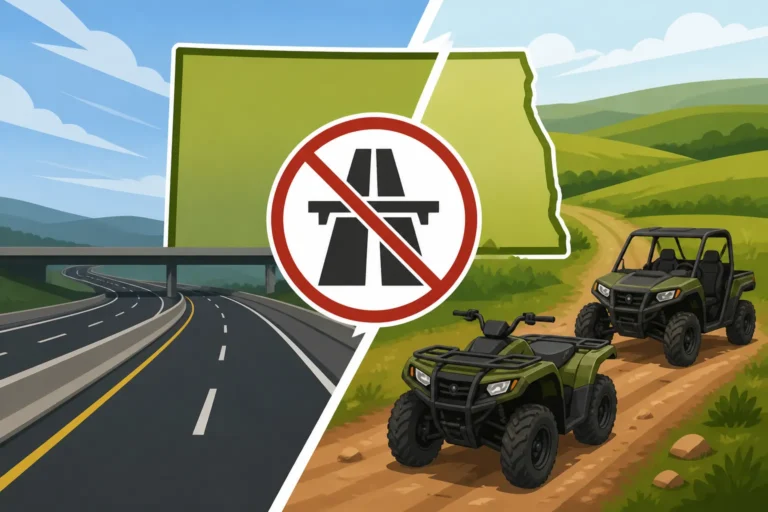
Furthermore, it is strictly forbidden to operate an OHV on the actual paved or graveled surface of any interstate highway or controlled-access right-of-way. Interstates, by their very design, are high-speed, high-volume thoroughfares not meant for slower-moving off-highway vehicles. Attempting to ride an OHV on an interstate is not only illegal but extremely dangerous and can lead to severe penalties. The intent of the law is clear: keep OHVs out of harm's way by designating specific, safer areas for their operation. Understanding these exclusions is critical for responsible and legal ditch riding throughout the state.
Crossing Approaches and Obstructions
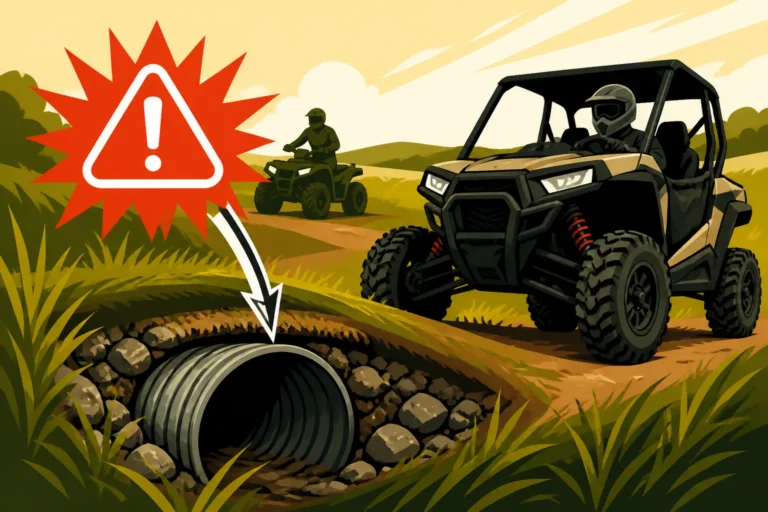
There will inevitably be times when you need to cross an approach (like a driveway or field entrance) or navigate around an obstruction within the permitted ditch area. North Dakota law accounts for these scenarios with specific guidelines. You are allowed to cross approaches and culverts, but you must do so safely and directly. This means not lingering on the approach or using it as a temporary trail, but rather treating it as a brief transition zone. Similarly, if there's an obstruction in the ditch bottom or back-slope that makes it impossible or unsafe to continue, you are allowed a "transitory operation" to move around it.
[North Dakota's Obstruction Exception] allows you to briefly leave the ditch bottom or back-slope to pass the obstruction, returning to the legal area as soon as it's safe and practical to do so. This might mean temporarily moving onto the inslope or even the edge of the shoulder for a very short distance. The key is that this movement must be minimal, necessary, and executed with extreme caution, always yielding to any oncoming traffic. This provision ensures that riders aren't forced into dangerous situations by unmovable obstacles but also prevents the abuse of the exception for extended travel outside the designated ditch areas. Always prioritize safety and minimize your time in prohibited zones.
Required Equipment for Ditch Riding
Just because you're riding in the ditch doesn't mean you can skimp on safety or legal compliance. In fact, when operating on public rights-of-way, even the ditches, your machine needs to meet certain equipment standards to ensure visibility and safe operation. These requirements are in place to protect you and make sure you're seen by others, especially when crossing roads or approaching intersections. Neglecting these can lead to fines and, more importantly, put you at risk.
Headlights, Taillights, and Reflectors for Visibility
Visibility is paramount, especially during dawn, dusk, or any low-light conditions. North Dakota law requires that your OHV be equipped with a headlamp that emits a white light visible from at least 300 feet to the front. This isn't just for you to see the path ahead; it's so others can see you. Similarly, your machine must have a red taillight visible from at least 500 feet to the rear, and a red reflector visible from 600 feet to the rear when illuminated by headlamps. These standards are critical for preventing rear-end collisions, particularly when you might be moving slower than road traffic or crossing a highway.
Many stock ATVs and UTVs come equipped with these lights, but it's vital to check that they are functional, clean, and properly aimed. If you've modified your machine, ensure any aftermarket lighting still meets these minimum visibility standards. For those looking to upgrade, brands like SuperATV offer a range of robust lighting solutions that often exceed minimum requirements, providing enhanced safety and peace of mind when riding in various conditions. Always perform a quick check of your lights before heading out, especially if your ride might extend into evening hours.
Mirrors, Horns, and Speedometers for Safe Operation
Beyond basic lighting, your OHV needs a few other pieces of equipment to be considered legally ready for ditch riding and road crossings. A rearview mirror is required, providing a minimum reflective surface of ten square inches. This allows you to monitor traffic behind you, which is crucial when preparing to cross a road or merge onto an approach. [North Dakota Mirror and Horn Requirements] are quite specific.
You'll also need a horn or other warning device audible from at least 200 feet away. This is your primary tool for alerting pedestrians, other riders, or even motorists to your presence, especially in blind spots or during an emergency. Imagine approaching a field entrance with tall corn – a quick honk can prevent a surprise encounter. Lastly, a speedometer is required, calibrated in miles per hour, to ensure you can comply with any posted speed limits if you temporarily access a roadway or when tracking your speed in permitted areas. While ditch riding might feel less formal than road driving, these devices are about safety and awareness, making you a more responsible operator on public lands and rights-of-way.
Engine Size and Capability for Road Access
North Dakota law sets specific criteria regarding engine size and the capability of your OHV, particularly when it comes to riding on certain roads. While ditch riding itself doesn't always directly equate to road access, crossings and permitted road segments often rely on these specifications. Your OHV must have an engine displacement of at least 350 cubic centimeters (cc) to be operated on paved or gravel public roadways. [North Dakota's 350cc Minimum for Road Riding] is designed to ensure machines have enough power and stability to safely keep up with the minimum flow of traffic, even on unpaved surfaces.
Additionally, your machine must be capable of maintaining a speed of at least 30 miles per hour. This "30 mph capability rule" is another safety measure, preventing slower-moving machines from creating hazards on roads where traffic typically moves faster. Even if you only plan to ride in the ditch, you'll likely encounter situations where you need to cross a road or briefly ride on a low-speed section. Ensuring your machine meets these capabilities not only keeps you legal but also ensures you have the power and control needed for safe maneuvers, especially in unexpected situations. If your machine is smaller or less powerful, your road access will be further limited, so always know your vehicle's capabilities.
Rider Requirements and Safety
Ditch riding in North Dakota isn't just about what your machine needs; it's also about who's riding it and how safely they're operating. The state has specific rules concerning age, passenger limits, and, crucially, impairment, all designed to keep riders and the public safe. Ignoring these rules can have serious consequences, from fines to accidents, so understanding your responsibilities as a rider is just as important as knowing the lay of the land.
Age Restrictions and Helmet Laws
For young riders, North Dakota has clear guidelines. While there isn't a minimum age for operating an OHV on private land with landowner permission, operating on public land or rights-of-way (including ditches) is generally restricted. Riders under the age of 16 are required to hold a valid OHV safety certificate issued by the state or an equivalent certificate from another state. [North Dakota OHV Safety Certificates at Age 12] highlights that formal training is deemed essential for younger operators before they can navigate public areas.
Furthermore, [North Dakota Helmet Law for Riders Under 18] mandates that anyone under the age of 18 must wear an approved safety helmet while operating or riding as a passenger on an OHV on public land or rights-of-way. This rule is non-negotiable and designed to prevent serious head injuries, which are tragically common in OHV accidents. It's a simple, life-saving precaution that all parents and guardians should strictly enforce. Even for adult riders, while not legally mandated, wearing a helmet is always a wise choice, as it significantly reduces injury risk.
Passenger Rules and Manufacturer Guidelines
Carrying passengers on your OHV is another area with specific regulations. Generally, an OHV is only allowed to carry as many passengers as it was designed and equipped for by the manufacturer. This means if your ATV has a single seat, it's designed for one rider only. If it's a side-by-side (UTV) with multiple seats and seatbelts, you can carry passengers up to its designed capacity. Riding "where the seat was not built" is generally prohibited on public rights-of-way.
Attempting to squeeze an extra person onto a single-seat ATV or allowing someone to ride on the fenders is not only illegal but extremely dangerous, severely compromising the machine's balance and your ability to control it. Always adhere to the manufacturer's recommendations for passenger capacity. These guidelines are not arbitrary; they are based on the vehicle's engineering and stability limits. If your machine is designed for one, stick to one. If it's a multi-passenger UTV, ensure everyone has a seat and is properly secured. [North Dakota Passenger Rules on an OHV] exist to prevent serious injury.
Insurance and DUI Laws on the Ditch
When you venture off your own private property and into public ditches or roads, your responsibilities increase. While North Dakota does not universally mandate liability insurance for all OHVs, it's highly recommended, and specific situations may require it. For instance, if you're involved in an accident causing injury or property damage, you'll be held financially responsible. Carrying at least minimum liability coverage (such as the 25/50/25 limits common for motor vehicles) is a smart way to protect yourself. [North Dakota Insurance Requirements at Registration] provides more detail, and some riders find adding OHV coverage to their existing auto or home policy is a convenient option.
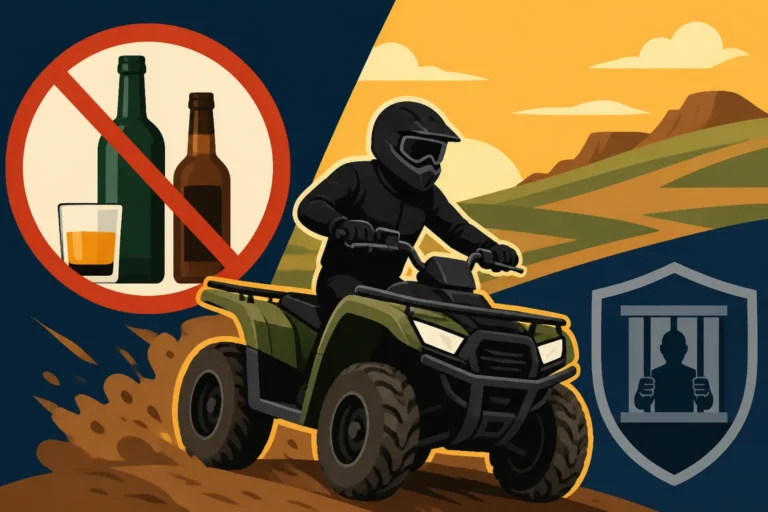
Perhaps the most critical safety and legal rule pertains to operating an OHV under the influence. North Dakota's DUI laws apply to OHV operators just as they do to drivers of cars and trucks. Operating an ATV or UTV while impaired by alcohol or drugs, whether on a trail, in a field, or in a public ditch, is illegal and carries severe penalties. [North Dakota DUI Rules for OHV Riders] make it clear that the consequences can include fines, loss of driving privileges, and even jail time. Your judgment, reaction time, and coordination are all compromised by impairment, making an already dynamic activity incredibly dangerous. Always ride sober to ensure your safety and the safety of others.
Landowner Permission and Posted Land
Riding in ditches might feel like you're on public land, but it's crucial to remember that the land immediately adjacent to the ditch, beyond the back-slope, is almost always private property. North Dakota takes landowner rights very seriously, and respecting these boundaries is paramount for responsible OHV use. Misunderstanding or ignoring these rules can quickly turn an enjoyable ride into a legal problem, eroding the goodwill that allows ditch riding to continue.
The Importance of Respecting Posted Land
Even when you are legally operating in the ditch bottom or on the back-slope, it's critical to be aware of the land beyond. If a landowner has posted their property, it means you cannot enter or cross it without explicit permission. This includes driving up private field approaches (unless you have a clear need to access an address on the approach), cutting across fields, or even driving beyond the legal right-of-way line when you get out to stretch your legs. [North Dakota Posted Land Rules for Riders] are designed to protect private property.
A posted sign means "no trespassing," pure and simple. Respecting these signs is not just a legal obligation; it's a matter of courtesy and a way to maintain positive relationships between riders and landowners. The allowance for ditch riding is a privilege, and abuses of that privilege can lead to calls for stricter regulations or outright bans. Always err on the side of caution: if you see a sign, stay out. If you need to access private land, seek permission first, ideally in writing.
Understanding Electronic Posting and Physical Signs
North Dakota has a robust system for landowners to communicate their "no trespassing" rules, and it's not just limited to physical signs nailed to a fence post. While traditional signs are still common and effective, the state also recognizes "electronic posting." This means a landowner can register their property as "posted" with the county, and this information may be accessible through online mapping systems or apps. Therefore, even if you don't see a physical sign every few yards, a parcel of land could still be legally posted.
Physical signs must meet certain criteria, such as specific dimensions and spacing (often 880 yards apart along the boundary) to be legally enforceable. However, a fully enclosed parcel, such as a field with fences and gates, can be considered posted by the presence of a sign at each gate or entrance. Riders need to be diligent. [North Dakota Electronic Posting and Riders] means you can't just rely on visual cues; checking a county's posting map or using a mapping app with this data can save you from an unintentional trespass. Ignorance of the posting status is generally not a valid defense if you're caught on private land without permission.
Gates, Livestock, and Right-of-Way Etiquette
North Dakota's rural landscape often means encountering gates and livestock, even when riding legally in the ditch. It's an unwritten rule, but one that all respectful riders understand: if you open a gate to pass through, close it securely behind you. This is vital for containing livestock, preventing damage to crops, and ensuring the safety of animals and property. Leaving a gate open can lead to cattle wandering onto roads or into other fields, causing significant headaches and financial losses for landowners.
Similarly, if you encounter livestock in or near the ditch, proceed with extreme caution. Slow down, give them a wide berth, and avoid sudden movements or loud noises that could spook them. Remember that these animals are someone's livelihood. When crossing approaches to private property, do so quickly and directly. Don't linger or assume you have a right to travel down the approach if it's clearly for private access. Maintaining good etiquette in these situations not only makes for a safer environment but also helps preserve the long-standing tradition of ditch riding by demonstrating that OHV riders are responsible and respectful members of the community.
Local Ordinances and Enforcement
While North Dakota state law provides the overarching framework for ditch riding, it's critical to remember that local jurisdictions — counties and even some cities — can impose additional restrictions. This is a common point of confusion for riders, as what's perfectly legal in one township might be prohibited just a few miles down the road. Staying informed about these local nuances is key to avoiding penalties and ensuring a smooth, legal ride.
County and City Ordinances: What's Allowed and What's Not
The state grants counties and cities the authority to regulate OHV use within their boundaries, including on local roads and ditches. This means that while state law might permit ditch riding on most rural routes, a particular county or city council might pass an ordinance that restricts hours of operation, designates certain roads as off-limits, or even bans ditch riding entirely in specific areas. [North Dakota County and City ATV Ordinances] can vary widely, reflecting local concerns about noise, safety, or property damage.
For instance, a county might prohibit ditch riding within a certain radius of an unincorporated town, or a city might have specific rules for OHVs within its limits, even on the outskirts. These local rules often exist due to population density, traffic volume, or resident complaints. Before planning an extensive ride through a new area, it's always a good idea to check with the local sheriff's department or the county auditor's office. Many counties will have their ordinances published online, or a quick phone call can provide the necessary clarity. It's a proactive step that can save you a lot of trouble and ensures you're a considerate rider in the community.
Penalties for Violating Ditch Riding Laws
Violating North Dakota's OHV laws, whether state or local, can lead to various penalties, ranging from fines to more severe consequences depending on the nature of the offense. For basic infractions like riding in a prohibited part of the ditch (inslope, shoulder) or lacking required equipment, you might face a fine. [A Basic OHV Violation Now Costs $50] is a good starting point, but other fees and court costs can add up.
More serious offenses, such as reckless operation, riding while intoxicated, or repeated trespassing, can result in higher fines, impoundment of your machine, suspension of your driving privileges, and even a Class B Misdemeanor charge. [What a Class B Misdemeanor Means in North Dakota] typically involves potential jail time, significant fines, and a criminal record. The penalties are designed to deter unsafe and illegal behavior and reinforce the importance of responsible OHV operation. Always prioritize safety, respect the law, and understand that the consequences for violations are real and can be substantial.
Checking with Local Law Enforcement Before You Ride
Given the variability of local ordinances, one of the best pieces of advice for any OHV rider in North Dakota is to "check with local law enforcement first." This simple step can prevent misunderstandings and legal issues. Before you head out to explore a new area, particularly if it's a county or township you're unfamiliar with, a quick call to the local sheriff's department or police department (if riding near or within city limits) can clarify any specific restrictions.
These officers are often the most knowledgeable about local rules and current conditions, such as fire bans or temporary closures. They can inform you about areas where ditch riding might be prohibited, specific speed limits, or any special considerations for the time of year. While it might seem like an extra step, taking a few minutes to confirm local regulations demonstrates your commitment to responsible riding and can help build a positive relationship with local authorities. After all, they are there to help ensure everyone's safety.
Environmental Considerations and Best Practices
While North Dakota's laws provide the framework for where and how you can ride, responsible OHV use extends beyond legal compliance. It also involves being a good steward of the land and considerate of others who share the environment. The ditches and surrounding areas are often habitats for wildlife and can be sensitive to environmental impacts, especially given North Dakota's agricultural landscape. Embracing best practices ensures that this unique riding opportunity remains available for future generations.
Avoiding Damage to Growing Stock and Natural Habitats
The ditches and adjacent lands are often home to native grasses, wildflowers, and provide crucial habitat for a variety of wildlife, from pheasants and deer to smaller mammals and insects. When riding, it's essential to stay within the designated ditch bottom and back-slope to avoid damaging these natural areas. Driving off-trail into fields, shelterbelts, or other cultivated areas is not only trespassing but can also destroy crops or sensitive vegetation, leading to significant financial losses for landowners. [North Dakota Tree Nursery Damage Rules] are very strict, and penalties can be steep.
Moreover, excessive rutting or erosion caused by improper riding can degrade the land, impact water quality, and harm wildlife habitats. In wet conditions, it's particularly important to tread lightly to prevent creating deep ruts in the soft soil, which can take years to recover. Always be mindful of your surroundings, stay on established paths within the ditch, and avoid unnecessarily disturbing flora and fauna. Responsible riding means leaving no trace and preserving the natural beauty and agricultural productivity of North Dakota.
Managing Dust and Noise Impacts
One of the most common complaints from rural residents regarding OHVs is related to dust and noise. While OHV riding inherently generates both, responsible riders can take steps to minimize their impact. When riding in dry conditions, dust can become a major nuisance for adjacent landowners, potentially affecting crops, homes, and air quality. Slowing down when passing homes or livestock, and avoiding unnecessary acceleration, can significantly reduce the amount of dust you kick up.
Similarly, excessive noise can be disruptive. Ensure your OHV has a properly functioning muffler that meets state sound limits. [North Dakota Muffler Requirements] dictate that machines must not exceed certain decibel levels. Modifying exhaust systems to make them louder is not only illegal but also inconsiderate to residents and other recreational users. Choosing a reputable aftermarket exhaust from a brand like SuperATV that prioritizes both performance and noise compliance can be a good option. By being mindful of your speed and maintaining your machine's exhaust system, you can significantly reduce these impacts and contribute to a more harmonious environment for everyone.
Riding Responsibly in Mud and Wet Conditions
North Dakota's weather can be unpredictable, and wet conditions are a common reality, especially in spring and after heavy rains. While riding in mud can be fun for some, it's crucial to do so responsibly. Gumbo mud, common in North Dakota, can be particularly challenging. Riding through deeply saturated ditches can cause severe rutting, erosion, and damage to the land that can persist for a long time. These ruts can also become hazards for other ditch users, including farmers and utility workers.
If conditions are extremely wet, it's often best to postpone your ride or choose a different route on higher, drier ground. Many trails and even some ditches will close after heavy rain to prevent damage. [North Dakota Trail Closures After Rain] are a common occurrence, and it's a good practice to apply similar caution to ditch riding. If you do encounter mud, ride slowly and deliberately, trying to minimize your impact. Consider tires designed for better mud shedding if you frequently ride in these conditions, but always prioritize preservation of the land over pushing through the deepest muck. Being a responsible rider means knowing when to turn back or find an alternative route to protect the environment.
| Ditch Riding Aspect | Permitted Activity | Prohibited Activity | Key Consideration |
|---|---|---|---|
| Location | Back-slopes, Ditch Bottoms | Inslopes, Shoulders, Interstates | Stay furthest from active road traffic. |
| Crossings | Direct crossing of approaches, temporary movement around obstructions | Lingering on approaches, extended travel outside legal ditch areas | Prioritize safety and return to permitted areas quickly. |
| Equipment | Headlights (300ft), Taillights (500ft), Reflector (600ft), Mirror (10 sq in), Horn (200ft), Speedometer | Non-functional lights, missing safety equipment, loud aftermarket exhaust | Ensure full visibility and ability to signal others. |
| Machine Specs | 350cc+ engine, 30 mph capability for road access/crossing | Machines under 350cc or incapable of 30 mph on roads | Your machine must meet minimum power/speed standards for road use. |
| Rider Age | 16+ without certificate; 12-15 with safety certificate on public land | Under 12 on public land; Under 16 without safety certificate | Safety training is mandatory for younger riders. |
| Helmets | Riders under 18 must wear DOT-approved helmet | Riders under 18 without a helmet | Non-negotiable safety for youth. |
| Passengers | Per manufacturer's design (e.g., side-by-sides with multiple seats) | More passengers than designed for (e.g., two on a single-seat ATV) | Adhere strictly to machine's design limits for safety. |
| Impairment | Always ride sober | Operating under the influence of alcohol or drugs | DUI laws apply; severe penalties and extreme danger. |
| Landowner Rights | Respect posted land, close gates, avoid private property | Trespassing, leaving gates open, damaging crops | Seek permission for private land; be a good neighbor. |
| Local Rules | Check county/city ordinances before riding in new areas | Ignoring local bans or restrictions on hours/locations | Local rules can override general state provisions. |
| Environmental | Stay on designated paths, minimize dust/noise, avoid wet areas | Rutting, damaging vegetation, excessive noise | Protect habitats, reduce community impact, ride lightly. |
Disclaimer
This article is for general informational purposes only and does not constitute professional advice. Laws, prices and regulations vary by location and change over time. Consult a qualified professional for guidance on your specific situation.