Why There Is No Conversion Path
North Dakota off-highway vehicle laws explain why ATVs and UTVs lack a legal conversion path to street-legal status.
Legal here, illegal one county over.
What each state allows, the mirrors, horn and signals a conversion requires, and the county and city overrides that quietly change the answer.

North Dakota off-highway vehicle laws explain why ATVs and UTVs lack a legal conversion path to street-legal status.

North Dakota law requires a 350 cubic centimeter engine minimum for ATVs and UTVs operating on public roads to maintain safe speeds.

North Dakota headlamp visibility rules require ATV and UTV lights to be clearly seen from three hundred feet away.

North Dakota’s speedometer requirement for off-highway vehicles ensures riders obey public road speed limits and prevent accidents.
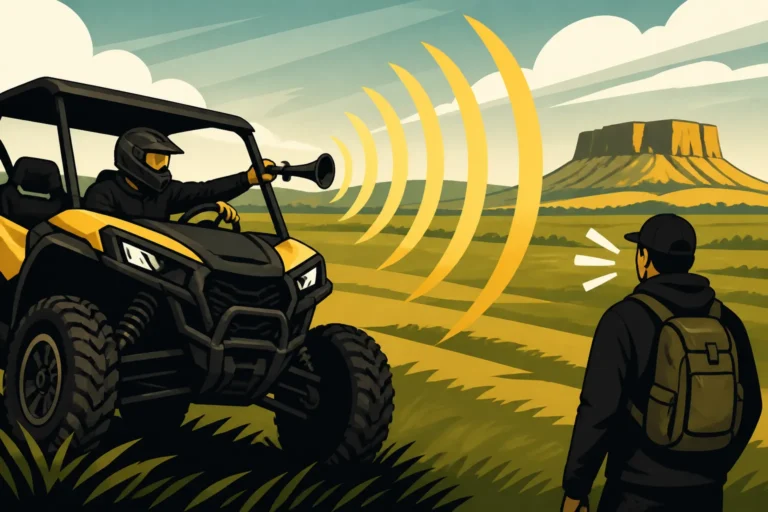
North Dakota law requires off-highway vehicles on public roads to carry a proper horn audible at two hundred feet to prevent collisions.
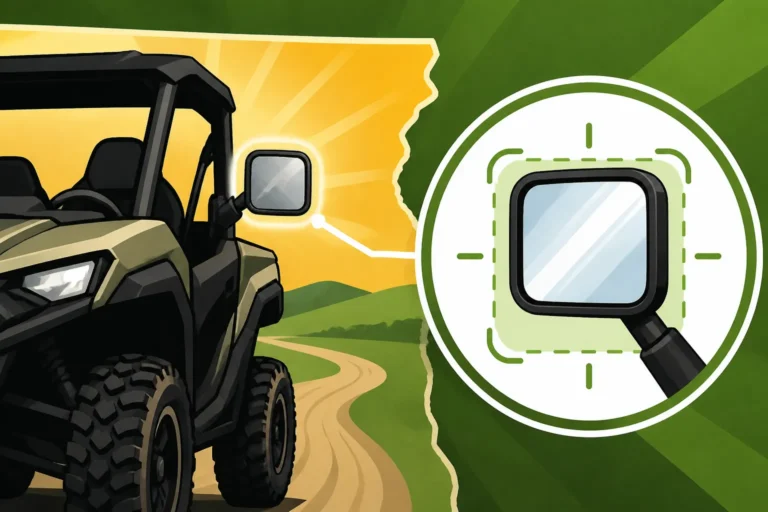
North Dakota mirror regulations for road-legal off-highway vehicles require ten square inches of reflective surface.

North Dakota road classifications and designated trails define legal riding areas for ATVs and UTVs on aggregate surfaces.
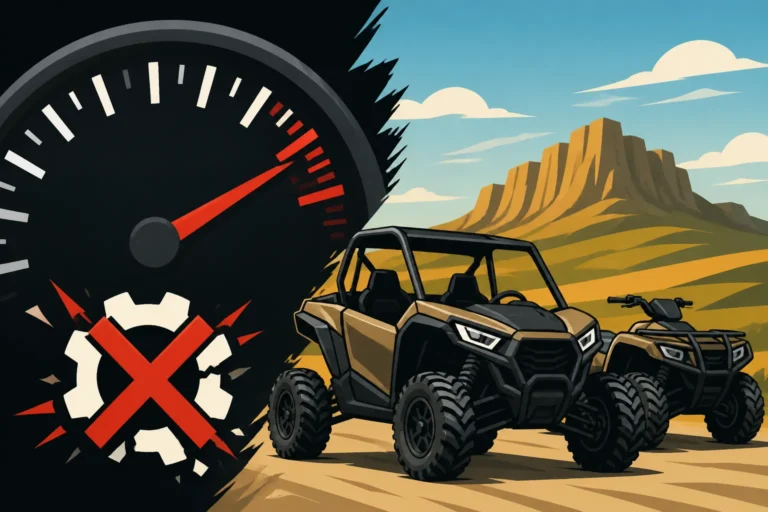
North Dakota off-highway vehicle laws explain speed capability requirements for operating ATVs and UTVs safely on public roads.

North Dakota law details how qualifying Class III off-highway vehicles can legally operate on 65 mph roadways.

North Dakota regulations for off-highway vehicles on roads posted at 55 miles per hour detail required equipment.