Aggregate Surfaces and Designated Trails
It can be incredibly frustrating to load up your ATV or UTV, head out for a ride in North Dakota, and then realize you're not entirely sure where you're legally allowed to go. With so many different types of roads and trails, the rules can feel like a tangled mess of regulations, leaving you worried about accidentally trespassing or getting a ticket. This guide aims to untangle that confusion, offering a clear, comprehensive look at where you can ride your off-highway vehicle (OHV) on aggregate surfaces and designated trails across North Dakota.
Understanding North Dakota's Road Classifications for OHVs
Before you even think about putting your tires on North Dakota soil, it's vital to grasp the distinctions between the various types of surfaces you might encounter. Not all roads are created equal in the eyes of the law, especially when it comes to riding an ATV or UTV. What might seem like a simple dirt road could fall under a different classification than a gravel township road, and these differences directly impact whether your machine is allowed there.
What Qualifies as an "Aggregate Surface"?
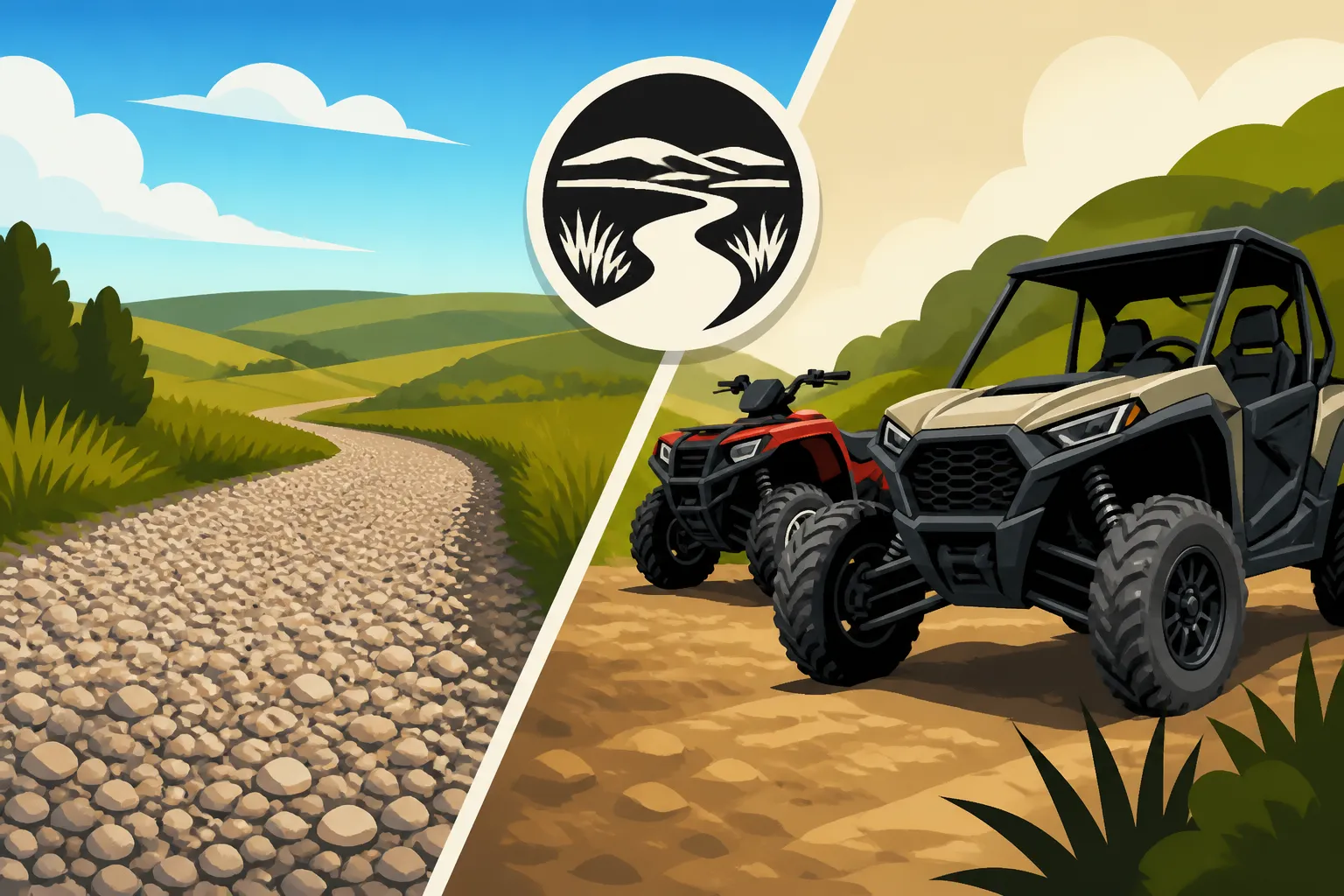
When North Dakota's laws talk about "aggregate surfaces," they're generally referring to roads that aren't paved with asphalt or concrete. Think about the classic gravel roads that crisscross much of the state, often referred to as "county roads" or "township roads." These are typically composed of a mix of crushed rock, sand, and sometimes scoria—a reddish volcanic rock often used in certain parts of the state for road surfacing. They are designed for vehicle traffic, but their unpaved nature makes them distinct from traditional highways and city streets.
These roads are the backbone of rural transportation, connecting farms, ranches, and small communities. While they might feel like an off-road playground to an OHV rider, they are still considered public roadways, and specific rules apply to their use. Understanding that an aggregate surface isn't just "any dirt path" is the first step toward legal and responsible riding. They are maintained, often graded, and serve a functional purpose for all types of vehicles.
The Difference Between Aggregate and Paved Roads
The distinction between aggregate and paved roads is critical for North Dakota OHV riders. Paved roads, meaning those with a hard, sealed surface like asphalt or concrete, typically have much stricter rules for OHV access, if they allow it at all. Generally, North Dakota law severely limits ATV and UTV access on paved roadways, especially those designated as federal or state highways. These surfaces are designed for higher speeds and different vehicle dynamics, which can make OHVs less safe for integration.
Aggregate roads, on the other hand, often present a different set of opportunities for OHV riders. The traction characteristics are different, and the speeds are generally lower, which can make them more suitable for certain types of off-highway vehicles. It's not just about the material; it's about the legal classification and the intent of the road's design. This difference in surface material is a key legal trigger for what you can and cannot do with your ATV or UTV.
Here’s a quick overview of the distinctions:
| Feature | Paved Roads (Asphalt, Concrete) | Aggregate Roads (Gravel, Scoria) |
|---|---|---|
| Material | Hard, sealed surface | Crushed rock, sand, dirt (loose material) |
| Primary Use | High-speed, heavy traffic, urban/major routes | Rural access, lower speed, connecting areas |
| OHV Access | Highly restricted, often prohibited | Limited access, but more permissible |
| Speed Limits | Higher (55+ mph) | Often lower (30-55 mph), sometimes unmarked |
| Maintenance | Pothole repair, resurfacing | Grading, gravel replacement, dust control |
The Legal Implications of Surface Type for Riders
The type of surface you're riding on directly dictates which North Dakota statutes apply to your operation. For example, North Dakota distinguishes between operating an OHV on a public roadway and operating it on a designated trail or private land. Understanding this distinction is not just academic; it's essential for staying within the law and avoiding fines or accidents. An aggregate county road, while unpaved, is still considered a "highway" in the broad legal sense, meaning you're sharing it with cars, trucks, and farm equipment.
This means that even on a quiet gravel road, you're expected to follow general traffic laws, including obeying speed limits, hand signals, and rules of the road. Your OHV must also meet certain equipment requirements, such as proper lighting, mirrors, and a horn, which might not be necessary if you were exclusively riding on private land or a closed-course trail. This is where the cost of [North Dakota OHV Ownership Costs Year One] starts to add up, as you may need specific modifications to make your machine road-legal on these aggregate surfaces.
Navigating Aggregate Surfaces: Rules and Best Practices
Riding an OHV on North Dakota's aggregate surfaces offers a unique way to explore the state's vast landscapes, but it's not a free-for-all. There are specific rules designed to ensure rider safety and minimize conflicts with other road users and landowners. Ignorance of these rules isn't an excuse, and authorities are well-versed in enforcing them.
General Rules for OHVs on Gravel and Dirt Roads
North Dakota law generally allows ATVs and UTVs to operate on gravel or other aggregate-surfaced county and township roads, provided they meet certain conditions and the rider follows specific rules. The most important thing to remember is that you are sharing these roads with other vehicles, including large farm equipment and personal vehicles. This means riding defensively, being aware of your surroundings, and yielding the right-of-way when necessary. You're not just out for a casual ride; you're operating a vehicle on a public thoroughfare.
One common question is about ditch riding. While North Dakota does allow for some ditch riding, especially on the back-slopes and ditch bottoms, aggregate roads are primarily for travel on the main surface. The rules for [North Dakota Ditch Riding: The Legal Right Explained] are quite specific and often differ from simply driving on the road itself. Always assume you must stay on the main traveled portion of the aggregate road unless specific local ordinances or state law explicitly allow for ditch riding in that particular area, and then only follow the narrow definitions for that activity.
Speed Limits and Safe Operation on Aggregate Roads
Just like any other vehicle, OHVs must adhere to posted speed limits on aggregate roads. If there's no posted limit, you should assume the statutory limit for that type of road, which can vary. Often, rural gravel roads might have a prima facie speed limit of 55 miles per hour, but conditions like dust, washboards, or blind corners may require you to travel much slower. Even if your machine, like many of those enhanced with SuperATV components, can handle rough terrain at speed, exercising caution is paramount.
Dust is a major concern on aggregate roads, especially in dry conditions. Excessive speed can create large dust clouds that significantly reduce visibility for both you and oncoming traffic, creating a hazardous situation. Always adjust your speed to conditions, and if you're riding in a group, allow ample spacing to let dust settle between machines. Safety is always the priority, not seeing how fast you can conquer a stretch of gravel. [North Dakota Rules for Riding a Gravel Road] outline these considerations clearly.
Equipment Requirements for Road Riding
To legally ride on North Dakota's aggregate roads, your OHV needs to be properly equipped. This isn't just about personal preference; it's a matter of law. Key requirements often include:
- Headlights and Tail Lights: Your machine must have functional headlights and tail lights, especially if you plan to ride during dawn, dusk, or nighttime hours. These must be visible from specific distances. [North Dakota Headlamp Distance Standards] and [North Dakota Brake Light Requirement] specify these details.
- Mirrors: You'll need at least one rearview mirror, typically mounted on the left side, that provides a clear view of the road behind you. Some riders opt for side mirrors on both sides for enhanced visibility, which can be easily added with aftermarket options like those from SuperATV.
- Horn: A working horn is necessary to alert other drivers or pedestrians to your presence.
- Brakes: Effective braking systems are, of course, a non-negotiable requirement.
- Muffler: Your OHV must be equipped with a muffler to prevent excessive or unusual noise. [North Dakota Muffler Requirements] are in place to ensure machines operate at acceptable sound levels, protecting both the peace of rural areas and the wildlife.
- Minimum Engine Size/Speed Capability: For certain road types, especially those with higher speed limits, your machine might need to be capable of maintaining a minimum speed, often 30 mph or more. [North Dakota's 30 mph Capability Rule] ensures that slower-moving OHVs don't create significant traffic hazards.
It's always a good idea to check the most current regulations and ensure your machine is compliant before venturing out onto public roads. What's acceptable on a private trail might not pass muster on a county gravel road.
Exploring North Dakota's Designated OHV Trails
While aggregate roads offer a way to get around, for true off-road excitement, North Dakota also provides designated OHV trails. These areas are specifically designed and managed for recreational OHV use, offering different experiences and often more challenging terrain than simple gravel roads.
Where to Find Official OHV Trails in North Dakota
North Dakota may not be known as a mountainous off-road haven, but it does have some fantastic designated OHV riding areas. These trails are explicitly set aside for machines like yours, offering a controlled environment for recreation. Some of the most popular include:
- Pembina Gorge: Located in northeastern North Dakota, [Pembina Gorge: North Dakota's OHV Trail Park] offers a diverse landscape with wooded trails, hills, and river crossings. It's a favorite for many riders looking for a true trail experience.
- Roughrider OHV Trail: This trail offers a unique riding experience along the Missouri River, connecting historical sites. [Riding North Dakota's 22-Mile Roughrider OHV Trail] is a multi-use trail, so riders need to be aware of other users like hikers and equestrians.
- Turtle Mountain: Situated near Bottineau, [Turtle Mountain Riding in North Dakota] provides another distinct environment with its wooded hills and lakes, offering a different flavor of off-road adventure.
- Kimball Bottoms: South of Bismarck, [Kimball Bottoms: North Dakota's Open Play Area] is more of an open riding area, allowing riders to explore sand bars and river bottom lands, though conditions can change rapidly with river levels.
These designated areas are maintained and managed, often by North Dakota Parks and Recreation or other agencies, to provide safe and enjoyable riding. They represent the state's official commitment to providing regulated off-highway vehicle recreation.
Trail Specific Rules and Permitting
Even on designated trails, rules apply, and they can vary significantly from those governing public roads. For instance, trails might have width restrictions; [North Dakota's 60-Inch Trail Width Cap] at Pembina Gorge is a prime example, meaning wider side-by-sides may not be permitted on all sections. It's crucial to check the specific rules for each trail system before you go.
For non-resident riders, North Dakota requires a [North Dakota Non-Resident OHV Permit], which is separate from your home state's registration. This permit helps fund trail maintenance and enforcement. Residents, however, typically only need their machine properly registered with the state, which includes a [North Dakota Off-Highway Trail Tax] that supports these efforts. Always carry proof of registration and any required permits with you while riding. [North Dakota Penalties for No Permit] can be costly, so it's always better to be prepared.
The Difference Between Public Ditch Riding and Designated Trails
It’s easy to confuse the concept of a "ditch" with a "trail," especially in North Dakota where ditch riding is a common, and sometimes legal, activity. However, there's a world of difference. A designated OHV trail is a specifically marked and maintained pathway intended for recreational off-highway vehicle use. It's often routed through natural areas, forests, or open land, with clear beginnings and ends, and often includes features like trail markers, bridges, and sometimes even restrooms.
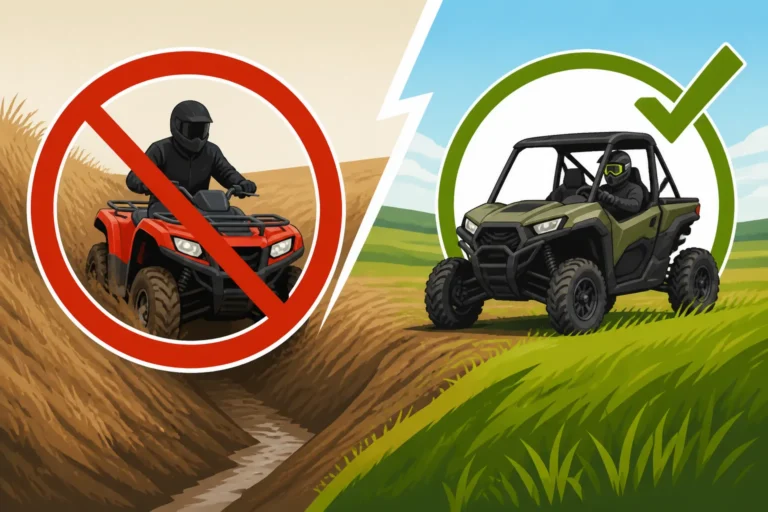
Ditch riding, as outlined in [North Dakota Ditch Riding: The Legal Right Explained], refers to operating an OHV within the right-of-way of a public highway, typically in the ditch bottom or back-slope. This is a very specific type of access, usually for purposes like accessing adjacent property, retrieving game, or traveling between fields, rather than pure recreational trail riding. The conditions for ditch riding are tightly controlled, including time of day, visibility, and proximity to the main roadway. It's vital not to treat a highway ditch as an impromptu trail system; they are distinct legal concepts with different rules and expectations.
Planning Your North Dakota OHV Adventure: Combining Surfaces and Trails
The beauty of riding in North Dakota often lies in the ability to link together various types of terrain. A successful ride might involve using aggregate roads to connect to a designated trail system, allowing for a longer, more varied adventure. This requires careful planning and ensuring your machine is ready for anything.
Creating a Route That Connects Trails via Aggregate Roads
Imagine you want to ride a specific trail at Pembina Gorge, but your campsite is several miles away down a county gravel road. Or perhaps you're exploring the Badlands and want to use a network of unpaved grassland roads to reach a scenic overlook. This is where combining surfaces comes into play. You can use mapping apps or physical maps to plot a route that strategically uses legally accessible aggregate roads to bridge the gaps between private land, designated trails, and other points of interest.
However, always double-check local ordinances. While state law may permit OHVs on county gravel roads, individual counties or townships have the authority to implement stricter regulations or outright bans. Before you head out, make a quick call to the local sheriff's office or county highway department for the area you plan to ride. This simple step can save you a lot of grief and ensure your planned adventure remains entirely legal. [North Dakota County and City ATV Ordinances] highlights the importance of local rules.
Preparing Your Machine for Mixed Terrain
Riding on a mix of aggregate roads and designated trails demands a versatile machine and proper preparation. If your OHV is primarily set up for aggressive trail riding, you might find it less comfortable or suited for longer stretches of gravel road. Conversely, a utility-focused machine might struggle with technical trail sections.
Consider these aspects for mixed terrain:
- Tires: All-terrain tires with a good balance of grip for loose surfaces and durability for harder roads are ideal. Some riders opt for more aggressive treads, but these can wear quickly on gravel and create a rougher ride.
- Suspension: A good suspension system is key for comfort and control, especially when transitioning between washboard gravel and rough trails. Aftermarket suspension upgrades, like those offered by SuperATV, can significantly improve ride quality and handling.
- Protection: Skid plates and A-arm guards are always a good idea, as gravel roads can kick up debris, and trails often present unexpected obstacles.
- Fuel Range: Plan your fuel stops, especially on long routes that combine remote aggregate roads and trails. Many small towns in North Dakota don't have 24/7 fuel access.
- Road Legal Equipment: As discussed, ensure your machine has all the necessary mirrors, lights, horn, and other equipment for legal road use, even if you're only using roads to connect trails.
A well-maintained machine is a safe machine, and checking your fluids, tire pressure, and brakes before each ride is a habit that pays dividends, especially when venturing into remote areas.
The Importance of Local Ordinances and Landowner Permission
While state law provides a framework for OHV operation, local jurisdictions (counties and cities) can impose their own rules, often more restrictive than state statutes. A county might ban OHV use on all its aggregate roads, or a city might restrict riding hours within its limits. You absolutely must verify these local rules before you ride. It’s not fair to the local residents or law enforcement to assume state laws cover everything.
Furthermore, always respect private property. North Dakota has strict trespass laws, and you must have explicit permission to ride on private land. This includes cutting across fields, riding along fence lines, or using private access roads without the landowner's consent. Always look for "Posted" signs, and if in doubt, stay out. [North Dakota Posted Land Rules for Riders] are clear: permission is essential. Building relationships with local landowners can sometimes open up new riding opportunities, but it starts with respect and asking permission.
By understanding the nuances of aggregate surfaces and designated trails, preparing your machine, and always checking local regulations, you can unlock a vast and enjoyable network of riding opportunities across North Dakota.
Disclaimer
This article is for general informational purposes only and does not constitute professional advice. Laws, prices and regulations vary by location and change over time. Consult a qualified professional for guidance on your specific situation.