Landowner Permission in Writing
One of the trickiest parts about enjoying your ATV or UTV in North Dakota is knowing exactly where you can legally ride. While designated trails are fantastic, many riders also dream of exploring vast open spaces, which often means private land. The problem is, riding on someone else's property without explicit permission can land you in a heap of trouble, even if you think you're just being respectful. This guide is here to walk you through the absolute necessity of obtaining landowner permission in writing, what that involves, and how to go about it responsibly, ensuring both your peace of mind and legal compliance.
Why Written Permission Isn't Just a "Good Idea" in North Dakota
It's easy to think that a friendly chat with a landowner, a nod, or a handshake is enough to get you out on their fields and pastures. But in North Dakota, where land ownership is a serious matter and property lines can be vast and sometimes unmarked, relying solely on verbal agreements is a recipe for potential headaches. The legal system operates on evidence, and a spoken word can easily be misinterpreted, forgotten, or even denied, leaving you vulnerable to accusations of trespass.
The Legal Standpoint: North Dakota's Trespass Laws
North Dakota takes trespassing seriously, as it should. Landowners have the right to protect their property, and that includes who rides on it and under what conditions. If you're caught riding on private land without permission, you could face significant legal consequences, even if you genuinely believed you had the go-ahead. A simple verbal "sure, go ahead" from a landowner might be remembered differently if their fence is damaged or a gate is left open. The legal burden often falls on the rider to prove they had permission, and without something in writing, that's incredibly difficult.
Consider a scenario where you've been riding on a friend's distant cousin's land for years, always with a verbal OK. Then, a new land manager comes in, or perhaps the ownership changes hands. Suddenly, you're confronted by law enforcement who knows nothing of your prior arrangement. Without a document stating your right to be there, you're left trying to explain a verbal agreement that no one else can corroborate. This can lead to fines, your machine potentially being impounded, and a black mark on your record that could affect future riding opportunities. It’s not just about avoiding confrontation; it’s about upholding the law and respecting property rights.
Protecting Yourself and the Landowner
Written permission serves as a clear, undeniable agreement that benefits everyone involved. For you, the rider, it’s a tangible piece of evidence that grants you legal access, providing a shield against trespass accusations. It clearly defines the scope of your privilege – where you can ride, when, and under what conditions. This clarity is invaluable, especially in rural areas where disputes over land use can sometimes escalate.
For the landowner, a written agreement clarifies their expectations and limits their potential liability. While North Dakota has some protections for landowners who allow recreational use of their property, a written document can explicitly state the landowner is not responsible for accidents or injuries that occur while you're riding. It can also outline what happens in case of property damage, ensuring that you're held accountable for any issues your riding might cause. For instance, if you're riding through a pasture and accidentally knock down a section of fence, a written agreement could stipulate that you are responsible for repairs, or that you must report any damage immediately. This level of detail makes everyone more comfortable and fosters a stronger, more trusting relationship, which is essential for continued access. When both parties know exactly where they stand, it prevents misunderstandings and makes for a much more enjoyable and worry-free experience for everyone.
What Your Written Permission Should Cover
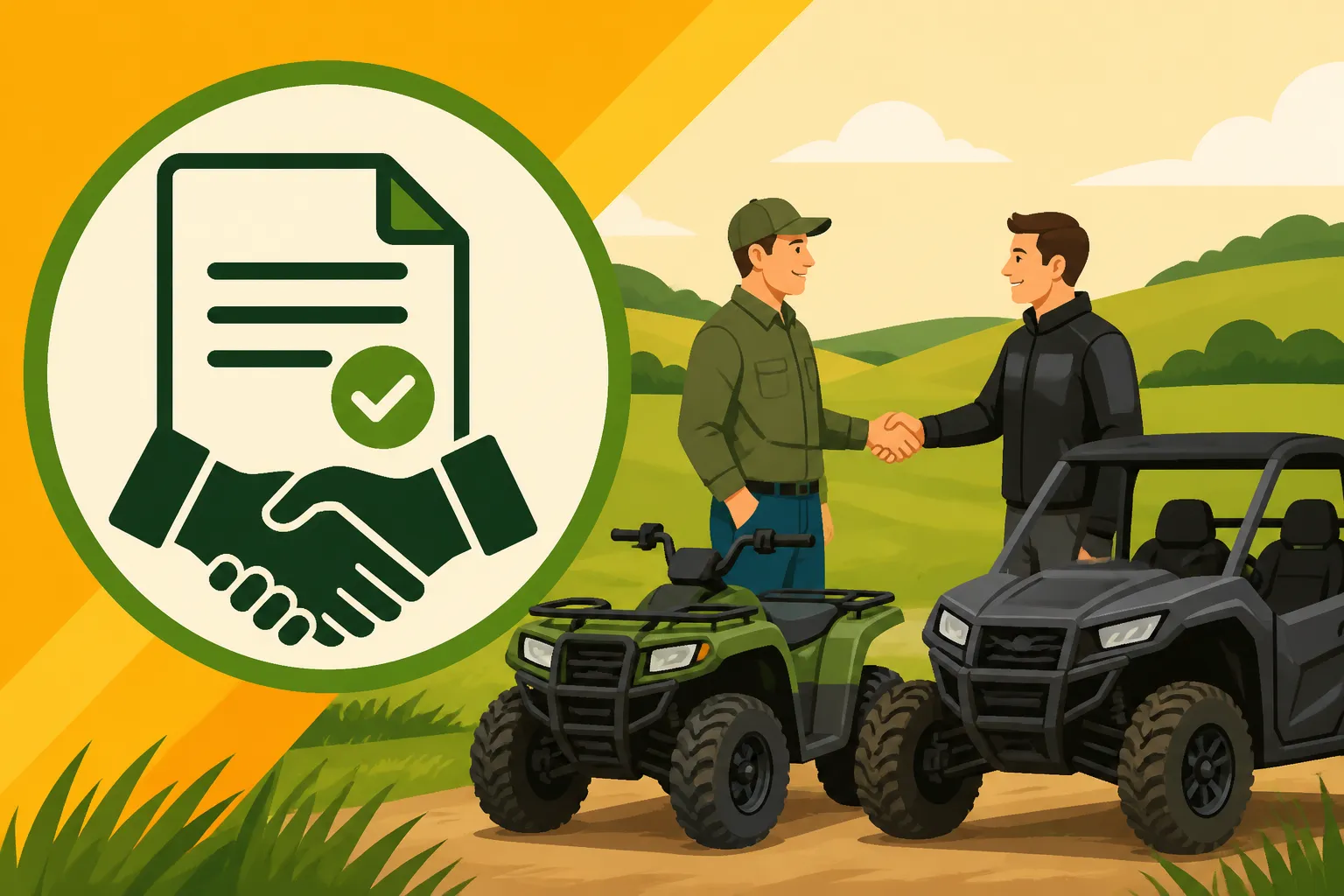
So, you've convinced a landowner that you're a responsible rider, and they're willing to grant you access. That's fantastic! But before you shake hands and head out, it's crucial to put all the specifics into writing. This isn't about distrust; it's about clarity and protection for everyone involved. A thorough permission form ensures no stone is left unturned and prevents future disagreements that could arise from vague understandings.
Key Information to Include in a Permission Form
A good written permission form acts as a contract between you and the landowner. It should leave no room for ambiguity. At a minimum, it needs to include the full names and contact information for both the landowner (or their authorized representative) and every rider who will be using the property. You should also list the specific off-highway vehicles (OHVs) that will be granted access, including their make, model, and most importantly, their Vehicle Identification Numbers (VINs). This prevents someone else from trying to use your permission, or you bringing a machine that wasn't agreed upon.
The document should clearly state the dates or duration of the permission. Is it for a single day? A specific weekend? An entire season? Be precise. If it's for an extended period, consider adding a clause for periodic review or renewal. Crucially, the document needs to define exactly which areas of the property are open for riding. This might involve parcel numbers, legal descriptions, or even an attached map with boundaries clearly drawn and marked. What's the purpose of the riding? Is it for recreation, hunting access, or maybe even assisting with farm work like checking fences or herding livestock? Stating the purpose helps align expectations. You can find templates and guidance for creating these documents by looking into [North Dakota Landowner Permission Forms].
Setting Boundaries and Expectations
Beyond just who, what, and where, a strong written agreement should outline the specific rules and expectations the landowner has. Think about the practicalities of riding on active farm or ranch land. Are gates to be left open or closed? What about avoiding livestock, crops, or sensitive natural areas? Specific speed limits might be imposed, or restrictions on riding during certain hours of the day or night. For instance, a landowner might prohibit night riding to avoid disturbing wildlife or livestock, or to ensure safety.
Environmental considerations are also vital. Are there conditions, like excessively wet ground, under which riding is prohibited to prevent rutting and erosion? What about fire restrictions during dry periods? These details protect the land and show your respect for the landowner's livelihood. It's also wise to discuss where vehicles and trailers can be parked and if there are any designated staging areas. Some landowners might have very specific areas where they prefer you to load and unload your machines to avoid disturbing other parts of their property. While a landowner might verbally tell you "don't go near the creek," putting it in writing, perhaps even with a marked boundary on a map, eliminates any guesswork. Keep in mind that some landowners utilize [North Dakota Posted Land Signs and Riders] or even [North Dakota Electronic Posting and Riders] to clearly mark their property, and your written permission should always respect these existing designations.
| Element | Why It's Crucial | Example Detail to Include |
|---|---|---|
| Landowner Info | Legal identification of the party granting permission. | Full name, address, phone number, email. |
| Rider Info | Identifies who is authorized to ride. | Full name, address, phone number, list of all authorized riders. |
| OHV Details | Specifies which machines are allowed, preventing unauthorized use. | Make, model, year, VIN for each ATV/UTV. |
| Permission Duration | Establishes clear start and end dates for access. | "From [Start Date] to [End Date]", or "Valid for [Number] days/weeks/months". |
| Permitted Areas | Defines exact boundaries, preventing accidental trespass on restricted areas. | Legal description of parcel, attached map with marked routes/zones, "Excluding pastures with livestock." |
| Purpose of Riding | Clarifies intent, aligning with landowner's expectations. | "Recreational trail riding," "Access for hunting," "Farm maintenance assistance." |
| Rules & Expectations | Outlines specific conduct, protecting property and ensuring safety. | "All gates must be closed," "No riding after dark," "Maximum speed 15 MPH," "Stay on existing trails," "No riding during wet conditions." |
| Liability Waiver | Protects the landowner from claims in case of accident or injury. | Statement that rider assumes all risks, landowner is not liable for injury/damage. |
| Damage Clause | Specifies responsibility for any property damage caused by riding. | "Rider agrees to repair or pay for any damage caused to fences, crops, or property." |
| Revocation Clause | Gives the landowner the right to withdraw permission if terms are violated. | "Permission may be revoked at any time for violation of these terms, verbal abuse, or unsafe riding." |
| Signatures & Dates | Formalizes the agreement, making it legally binding. | Dated signatures of all parties involved, witnessed if possible. |
How to Approach a Landowner for Permission
Asking a landowner for permission to ride on their property can feel daunting, but a respectful, well-thought-out approach significantly increases your chances of success. Remember, you're asking for a privilege, not asserting a right. Building a positive relationship is key, and it often starts long before you even mention riding.
Building Trust and Respect
The absolute best way to secure permission is to approach the landowner in person, at a reasonable time, and demonstrate genuine respect for their property and their time. Don't just show up on their doorstep in your riding gear with your machine rattling on a trailer. Start with a polite introduction, explain who you are, and why you're interested in riding in the area. Perhaps you've admired their land from a distance, or you're looking for a safe place to ride with your family. Be honest about your intentions and your experience level.
Offer to help them out, without any expectation of riding. Maybe they need help moving some hay bales, mending a fence, or clearing brush. Small gestures of goodwill can go a long way in building trust. If they see you as a responsible, helpful member of the community, they’re far more likely to consider your request. Emphasize that you understand the importance of respecting their livelihood – their crops, livestock, and privacy. Explain that you will stick to designated areas, close gates, and report any issues you might encounter, such as downed fences or suspicious activity. When you can show that you care about their land as much as they do, or at least respect it deeply, you build a foundation of trust that is priceless.
What to Do When Permission Is Denied (or Revoked)
It's a tough pill to swallow, but sometimes a landowner will simply say no. Their reasons could be numerous – insurance concerns, previous bad experiences with riders, privacy issues, or simply not wanting the disruption. When you hear "no," the most crucial thing you can do is accept it gracefully and without argument. Thank them for their time and move on. Arguing, pleading, or showing frustration will only solidify their decision and potentially damage future opportunities for other riders in the area. Remember, it’s their land, and they have every right to refuse access.
Never, under any circumstances, ride on their land after permission has been denied or revoked. Doing so is not only illegal trespassing but also an enormous breach of trust, solidifying their negative perceptions of ATV/UTV riders. The consequences for riding on denied land can be severe, including fines and legal action, as discussed earlier. If private land access isn't working out, don't despair! North Dakota offers other fantastic opportunities. You could explore [North Dakota OHV Trails: All Four Riding Areas] such as Pembina Gorge or the Roughrider Trail, which provide dedicated and legal riding experiences. Alternatively, many riders find enjoyment on public access roads, and understanding [North Dakota Ditch Riding as the Real Trail System] can open up miles of legal riding opportunities, though these come with their own set of rules and considerations. Always seek out legal riding areas and respect posted signs and regulations, whether on private or public land.
Beyond the Basics: Insurance, Safety, and Equipment
Securing written permission is a huge step, but it's not the only consideration for responsible riding on private land. To truly be a good steward and protect yourself and others, you need to think about what happens during your ride. This includes having the right coverage, ensuring your machine is properly equipped, and always prioritizing safety.
The Role of Insurance in Private Land Riding
Even with explicit written permission, accidents can and do happen. This is why liability insurance for your ATV or UTV is not just a good idea, but an absolute necessity, even if you plan to primarily ride on private property. While North Dakota doesn't mandate OHV insurance for private land riding, smart riders know better. Imagine you're riding on a landowner's field, and through no fault of your own, you hit an unmarked obstruction, lose control, and damage their irrigation system or a piece of farm equipment. Without liability coverage, you'd be personally responsible for the potentially enormous repair costs.
Your insurance acts as a critical safety net, protecting both you and the landowner. It ensures that if an incident occurs, the financial burden doesn't fall solely on either party. Many landowners may even require you to show proof of insurance before granting permission, understanding the peace of mind it provides them. It demonstrates your commitment to responsible riding and your ability to cover potential damages. Familiarize yourself with [North Dakota Insurance Rules for OHV Riders] to understand state recommendations and minimums, even if they technically apply to public land, as these limits give you a good benchmark for comprehensive coverage that protects you in various scenarios. A good policy will offer peace of mind, allowing you to enjoy your ride without constant worry about unforeseen incidents.
Equipment Considerations for Respectful Riding
Your machine's setup can significantly impact your ability to ride respectfully on private land. Noise, for example, is a common complaint from landowners. Ensuring your ATV or UTV has a properly functioning and quiet muffler is crucial. Aftermarket exhausts can sometimes be louder, so if you're using one, verify it meets reasonable sound limits. Some riders even look into options from companies like SuperATV that offer exhaust systems designed for quieter operation while maintaining performance.
Tires are another key element. Aggressive mud tires might be great for extreme terrain, but on pastures or cultivated fields, they can cause excessive rutting and damage, especially in wet conditions. Consider tires that offer good traction without being overly destructive to varied surfaces. SuperATV, for instance, offers a range of tires suitable for different terrains, allowing you to choose an option that minimizes impact on private land while still providing excellent grip. Additionally, carrying essential recovery gear like a winch or a sturdy tow strap can be a lifesaver. If you get stuck in a ditch or a soft spot, being able to recover your machine without calling the landowner or tearing up their property further shows foresight and responsibility. SuperATV also carries various recovery gear and winches that could be invaluable in such situations.
Safety Practices to Uphold
Beyond the legal and equipment aspects, personal safety practices are paramount when riding on anyone's land. Always ride sober; [North Dakota DUI Rules for OHV Riders] apply on both public and private land, as impaired operation is dangerous and irresponsible. Wear appropriate safety gear, especially a helmet. [North Dakota Helmet Law for Riders Under 18] is a legal requirement for younger riders, but all riders, regardless of age, should wear a DOT-approved helmet. A sudden fall or impact can happen anywhere, and a helmet provides vital protection.
Operate your machine within its limits and your own skill level. Don't attempt stunts or reckless maneuvers that could endanger yourself, others, or the property. Be constantly aware of your surroundings; private land often has hidden hazards like old farm equipment, irrigation lines, fences, or even livestock and other people (hunters, farm workers, family members). A responsible rider is constantly scanning, anticipating, and adapting to the environment. Before you even start the engine, do a quick visual check of the area for any new obstacles or conditions. This proactive approach to safety not only protects you but also reassures the landowner that you are a serious and considerate rider, reinforcing their decision to grant you access.
Disclaimer
This article is for general informational purposes only and does not constitute professional advice. Laws, prices and regulations vary by location and change over time. Consult a qualified professional for guidance on your specific situation.