Pest Control Crews and Their Carve-Out
It can be incredibly confusing and even frustrating trying to understand when, and under what specific circumstances, an off-highway vehicle (OHV) can legally travel on North Dakota's public roads and highways. For most recreational riders, the rules are quite clear: stay off the pavement unless you're crossing a road or using certain designated gravel routes. But what about those times you see a utility vehicle or ATV with sprayers mounted, cruising along a ditch or even on the shoulder of a county road? This guide is here to untangle the specific "carve-out" that allows pest control crews to operate their OHVs in ways most other riders cannot, helping you understand the rules that govern these specialized operations.
The Puzzling World of OHVs on North Dakota Roads: Why Most of Us Can't Just Drive Anywhere
For the average weekend warrior looking to hit the trails or simply get from their farm to a nearby hunting spot, the rules surrounding OHV use on North Dakota's roads can feel like a minefield. You see folks on snowmobiles in ditches in winter, and sometimes ATVs on gravel roads, but then you hear about tickets being handed out for similar actions. The truth is, North Dakota law has very specific definitions for what constitutes an "off-highway vehicle" and equally specific rules about where they can and cannot go. Generally speaking, if you're not operating a street-legal vehicle, public roadways are largely off-limits.
Think about your typical side-by-side or ATV. It's designed for rugged terrain, for powering through mud, and for navigating rough trails, not for cruising down Main Street at 45 miles per hour. The tires aren't meant for sustained pavement use, the lighting might not meet highway standards, and the lack of certain safety features common in cars makes them a different beast entirely. This is why the state has put these restrictions in place – for your safety and the safety of other motorists. Without these rules, our roads would be a chaotic mix of vehicles, some designed for speed and others for utility, leading to a much higher risk of accidents.
The intent of most OHV laws is to keep these machines where they belong: off-highway. This means designated trails, private land with permission, or very specific public areas like [Kimball Bottoms: North Dakota's Open Play Area]. When it comes to roads, the general rule is often "don't do it." You might be allowed to cross a highway at a 90-degree angle after stopping, yielding, and ensuring visibility, or use certain unpaved roads if they are specifically designated or if your machine meets strict criteria, such as a minimum engine size for paved roads. The regulations around [North Dakota ATV Road Rules by Surface Type] are quite nuanced, detailing when a gravel road might be permissible versus a paved one. For the most part, you can't just hop on the road and drive to the store. This general prohibition makes the specific exception for pest control crews all the more interesting and, frankly, important for those in that line of work.
Decoding the "Pest Control Crews" Exemption: Who It's For and What It Means
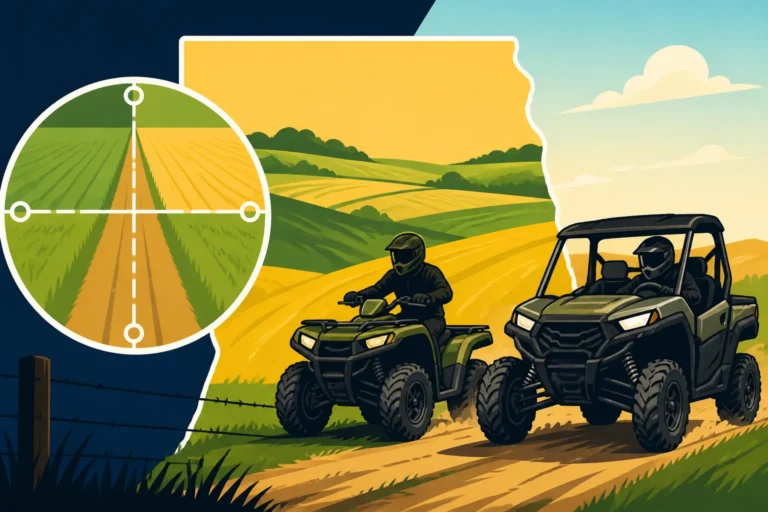
This is where things get really specific and where the average rider's experience deviates from those in particular professional roles. North Dakota law recognizes that certain occupations require special provisions to operate efficiently and safely. Pest control is one such area. When you see an OHV, often a utility terrain vehicle (UTV) or even a larger ATV, with a spray rig or specialized equipment mounted, working along the shoulder or even in the ditch of a public road, it's highly likely they're operating under this very specific exemption.
This carve-out isn't just for anyone with a can of bug spray. It specifically applies to "bona fide pest control crews" who are actively engaged in their professional duties. This means they're usually employed by a municipality, a county, the state, or a private company contracted to perform pest management, such as spraying for noxious weeds along road allowances, managing insect populations in public areas, or controlling rodents that could damage infrastructure. They aren't just joyriding with a sprayer on the back; they are performing a legitimate service that directly benefits the public good, such as maintaining road visibility, protecting agricultural land, or preventing the spread of disease. Their work is essential for maintaining the integrity of our infrastructure and the health of our environment.
The key to this exemption lies in the purpose of the travel. These machines are not on the road for transportation to a recreational riding area, or for commuting in the traditional sense. They are there as a mobile platform for their work. This distinct purpose allows them to bypass some of the standard restrictions that would apply to a recreational rider. For example, while recreational riders face strict rules regarding [North Dakota Inslopes and Shoulders Are Closed], a pest control crew might be explicitly permitted to use these areas as part of their operations. The law understands that to effectively spray ditches for weeds or monitor pest activity, these crews need to be in those very areas that are otherwise off-limits. This is a practical carve-out designed to facilitate necessary public services.
Practical Considerations for Pest Control Operations: Equipment, Safety, and Staying Legal
Operating an OHV for pest control duties in North Dakota involves more than just having the right legal exemption; it requires specific equipment, adherence to safety protocols, and a clear understanding of the boundaries of the carve-out. These aren't just casual outings; they are professional operations with safety implications for both the crew and the public.
Specialized Equipment for the Job
A pest control OHV often looks very different from one used for recreation. You'll typically see:
- Sprayers and Tanks: These are paramount. Large tanks might be mounted in the cargo bed of a UTV, equipped with booms, hand wands, or specialized nozzles for various applications. These setups can add significant weight, which means the machine itself needs to be robust enough to handle the load. A company like SuperATV might offer heavy-duty suspension upgrades or cargo bed liners that can withstand the rigors of carrying these heavy, often corrosive, liquid tanks over varied terrain, ensuring the vehicle remains stable and safe for operation.
- Visibility Enhancements: When operating slowly along roadsides or in ditches, visibility is critical. Flashing amber lights, high-visibility flags, and even rotating beacons are common. These make the OHV highly noticeable to passing motorists, significantly reducing the risk of a collision.
- Specialized Tires: While not street-legal in the conventional sense, these OHVs often benefit from specific tire types that offer a balance between off-road traction for ditch bottoms and durability for occasional pavement crossings or short road stretches. Tires designed for utility and heavier loads, possibly from a manufacturer like SuperATV, can handle the weight of spray tanks and resist wear from varied surfaces better than aggressive mud tires.
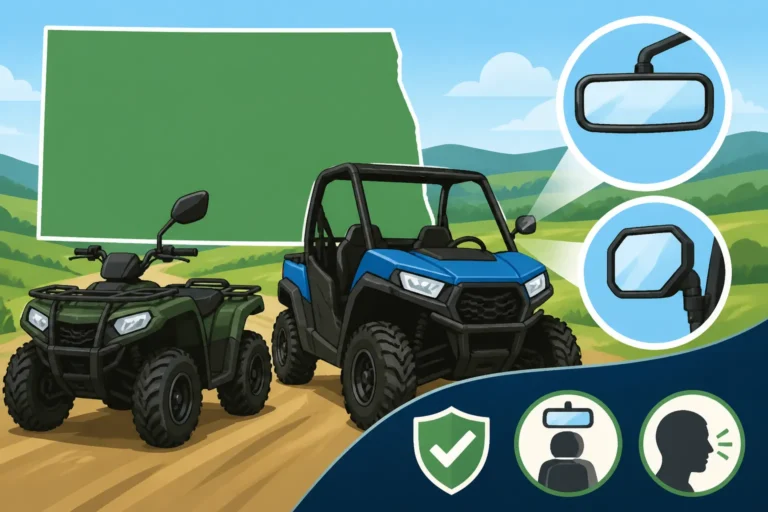
- Other Road-Legal Equipment: Even with the carve-out, these machines are often encouraged or required to have certain features that enhance safety around other traffic. This can include mirrors to see approaching vehicles, a horn for signaling, and appropriate lighting for low-light conditions. While the specifics can vary, many operations will equip their machines to be as visible and communicative as possible, going beyond just the minimum legal requirements to ensure maximum safety. Check out [North Dakota Mirror and Horn Requirements] and [North Dakota Headlamp Distance Standards] for general guidelines that often inform how these utility vehicles are equipped.
Safety Protocols and Public Interaction
Pest control crews operating OHVs in road rights-of-way must adhere to stringent safety protocols. This isn't just about protecting themselves, but also about protecting the public. Slow-moving vehicles, especially those operating near traffic, present unique hazards. Crews often deploy signage to warn motorists, use spotters, and maintain constant awareness of their surroundings. Furthermore, proper handling of pesticides and herbicides is paramount, with strict guidelines on application, personal protective equipment (PPE), and environmental protection. The exemption is for necessary work, not for lax safety.
Staying Within the Legal Boundaries of the Carve-Out
It's vital for pest control crews to understand that this is a specific exemption for a specific purpose. It doesn't grant them carte blanche to ride their OHVs recreationally on roads or to use them for non-pest control duties. The operation must be directly related to their pest control duties. This means:
- Active Engagement: The crew must be actively performing pest control tasks. Driving to and from a work site is generally accepted as part of the operational necessity, but detours for personal errands would likely fall outside the exemption.
- Designated Areas: The operation is typically confined to the road allowance, including ditches, back-slopes, and shoulders, which are the primary areas where pest control along roadways is required. The specifics of [North Dakota Ditch Riding: The Legal Right Explained] and [North Dakota Back-Slopes and Ditch Bottoms] usually apply to recreational riders, but the pest control carve-out permits specific use within these spaces.
- Compliance with Other Regulations: While exempt from some general OHV road restrictions, these crews must still comply with other relevant laws, such as those regarding traffic safety, proper signage, and chemical application regulations.
Beyond the Spray Rig: Other Road Uses and Exemptions to Be Aware Of
While the pest control carve-out is quite unique, it's helpful to understand it within the broader context of other situations where OHVs might legally touch public roads in North Dakota. This highlights that the state does allow for practical, non-recreational uses, which are distinct from simply driving your quad down the highway for fun.
Agricultural and Farm Use
Farmers are another group that often has specific allowances for using OHVs on roads, particularly for short distances between fields or for tasks directly related to their farming operations. This might include checking fence lines, hauling tools, or inspecting crops in fields adjacent to roads. The rules around [North Dakota Rules for Riding to a Field] or generally regarding [North Dakota Farm Machines and North Dakota Paperwork] are designed to facilitate essential agricultural work. The key here, much like with pest control, is the purpose and necessity of the travel for the specific job at hand, rather than general transportation or recreation. However, even these exemptions come with conditions, such as limits on distance, speed, or type of road. For example, a farmer might use an ATV with a small sprayer for spot-treating weeds on their property, driving it along a section line. They might use a heavy-duty utility vehicle equipped with accessories from SuperATV for hauling feed or tools between barns.
Crossing Highways and Roads
For recreational riders, the most common legal interaction with a public road is crossing it. North Dakota law generally allows OHVs to cross a highway or road at approximately a 90-degree angle, but only after coming to a complete stop, yielding to all traffic, and ensuring clear visibility in both directions. This is a very limited allowance, strictly for crossing, not for traveling on the roadway. This strict rule for recreational users further emphasizes how special the pest control exemption is, as it allows for sustained operation along the roadway, not just quick crossings.
Emergency Services and Government Operations
Just like pest control crews, other government entities or emergency services might also have specific exemptions for using OHVs on roads. This could include law enforcement, search and rescue teams, or highway department personnel who use ATVs or UTVs for specific tasks like patrolling difficult terrain, accessing accident sites, or performing maintenance on hard-to-reach infrastructure. Again, the common thread is the official, necessary purpose of the operation, distinguishing it from recreational use.
A Comparative Look at OHV Road Use in North Dakota
To summarize the differences, here's a quick comparison of general OHV road rules versus the pest control carve-out and other exemptions:
| Feature | General Recreational OHV Use on Roads | Pest Control Crew Exemption | Farm Use Exemption (General) |
|---|---|---|---|
| Purpose | Primarily recreational, transportation to/from trails, or crossing roads. | Professional duty: actively engaged in pest management along roadsides. | Professional duty: directly related to farming operations. |
| Areas Allowed | Designated gravel roads, crossing paved roads (90-degree angle only). Generally, [North Dakota Inslopes and Shoulders Are Closed]. | Road allowances, shoulders, back-slopes, ditches as necessary for work. | Between fields, on specific county/township roads for farm tasks. |
| Duration of Travel | Short crossings, limited distances on designated roads. | Extended operation along linear stretches of road rights-of-way. | Short distances between property or to fields. |
| Equipment Impact | Standard recreational setups. | Specialized sprayers, tanks, high-visibility lighting. Requires robust setups. | Hauling tools, small sprayers, inspection equipment. |
| Driver Qualification | No special license for OHV operation, but often age/safety course requirements. | Professional training for pest control, potentially commercial driver licensing requirements for larger vehicles. | No special license for OHV operation, but often age/safety course requirements. |
| Visibility Needs | Basic lighting per [North Dakota Equipment Required on a Roadway]. | Enhanced visibility (beacons, flags) highly recommended/required due to slow speeds. | Basic lighting, often enhanced with SMV (Slow Moving Vehicle) signs. |
Understanding these distinctions is crucial for anyone operating an OHV in North Dakota. While it might seem like a maze of regulations, each rule is there to ensure safety and allow for necessary work to get done without undue restrictions on vital services like pest control. For those working in pest control, it's a testament to the state's recognition of their important role in maintaining public and environmental health.
Disclaimer
This article is for general informational purposes only and does not constitute professional advice. Laws, prices and regulations vary by location and change over time. Consult a qualified professional for guidance on your specific situation.