Where the Trail Tax Actually Goes
It's a familiar feeling, isn't it? You go through the motions of registering your ATV or UTV, you hand over your hard-earned cash, and you see all these different line items, including something called a "trail tax." You pay it, of course, because you want to ride legally, but you're left wondering: where does that money actually go? Is it just vanishing into some bureaucratic black hole, or is it genuinely improving your riding experience? This guide is here to pull back the curtain and show you exactly how North Dakota's OHV trail tax is put to use, ensuring your contributions are making a real difference.
Deconstructing Your OHV Registration Fees
When you register an off-highway vehicle (OHV) in North Dakota, you're not just paying a single, flat fee. It's often a combination of a few distinct charges, and understanding each one helps clarify why your money is requested. It’s easy to feel like you’re just shelling out cash without seeing the return, but breaking it down helps connect the dots.
The Two Key Components of Your North Dakota Registration
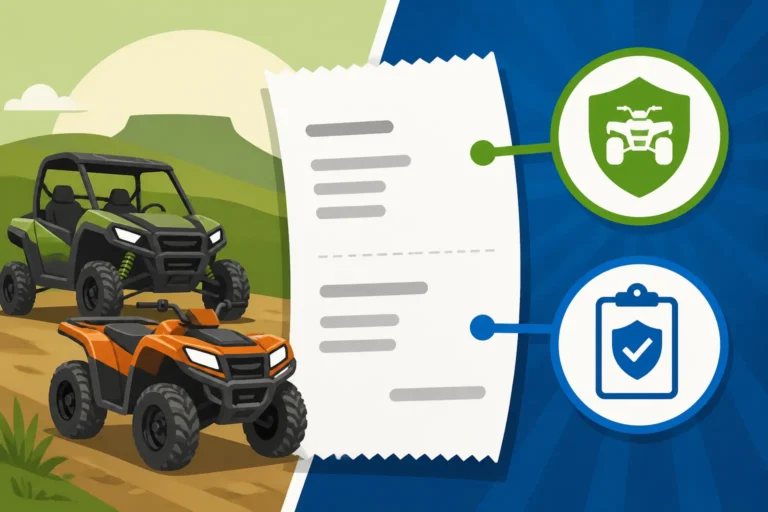
Your North Dakota OHV registration typically consists of two main parts: the basic registration fee and the dedicated trail tax. While these are usually paid together as part of one transaction, they serve entirely different purposes and are allocated to different pots of money. Imagine handing over a twenty-dollar bill, but knowing that ten goes into one jar for gas, and the other ten goes into another jar specifically for snacks on your next ride. That’s essentially what happens with your registration.
The base registration fee helps cover the administrative costs of maintaining the registration system itself – things like processing paperwork, issuing decals, and keeping owner records up to date. It’s the cost of doing business, so to speak, to ensure that all OHVs on the state’s books are accounted for. This is often the smaller portion of what you pay for your two-year cycle. You might see a breakdown when you are registering at a motor vehicle branch, or on the receipt you get, clearly showing these separate charges. Understanding [North Dakota's Two-Year Registration Cycle] is key to knowing how often you'll encounter these fees.
The trail tax, on the other hand, is specifically earmarked for purposes directly related to OHV recreation. It’s a dedicated fund that ensures the growth and maintenance of riding opportunities across the state. Without this specific tax, the resources for creating and maintaining trails would be far more limited, potentially impacting the quality and availability of places for us to ride. This distinction is crucial for understanding how your money translates into tangible benefits for the OHV community.
Who Collects the Money?
It can be a little confusing when you realize that multiple state agencies are involved in the process of getting your OHV registered and ensuring the trail system thrives. You fill out forms, pay your money, and often you’re dealing with the Department of Transportation (DOT) at a local motor vehicle branch. So, when the money for trails goes to another department, it's natural to wonder how that transfer works and why it’s not all under one roof.
The North Dakota Department of Transportation (DOT) is primarily responsible for the administrative side of vehicle registrations, including off-highway vehicles. They handle the initial collection of fees, process the paperwork like [North Dakota Form SFN 2872 Explained], and issue your official registration and decals. This makes sense, as they manage all motor vehicle records for the state. They are the gatekeepers for getting your machine legally on the books.
However, the actual management and development of recreational trails fall under the purview of the North Dakota Parks and Recreation Department. This agency is equipped with the expertise and resources to design, build, and maintain our state's recreational areas, including those designated for OHV use. So, while the DOT collects the funds, they then forward the portion designated as the "trail tax" to the Parks and Recreation Department. This two-agency system is precisely [Why Two Agencies Split One Fee], ensuring that the administrative process is streamlined through one established system, while the recreational aspect is managed by specialists in that field. It's a system designed to ensure efficiency and expertise in both areas.
The Heart of the Matter: Trail Development and Maintenance
Now, let's get to the exciting part – where your trail tax truly shines: the creation and upkeep of the places we love to ride. This isn't just about abstract funding; it's about the very dirt, gravel, and trees that make up your favorite routes. Your contributions directly impact the quality and accessibility of North Dakota's OHV landscape.
Funding North Dakota's OHV Trails
The most direct and significant impact of your trail tax is on the funding of North Dakota's OHV trail system. This money is the lifeblood for both expanding our riding opportunities and ensuring the trails we already have remain safe and enjoyable. Imagine trying to ride a trail that hasn't seen any maintenance in years – fallen trees blocking paths, eroded sections becoming impassable, or confusing signage leaving you lost. That's the scenario the trail tax actively works to prevent.
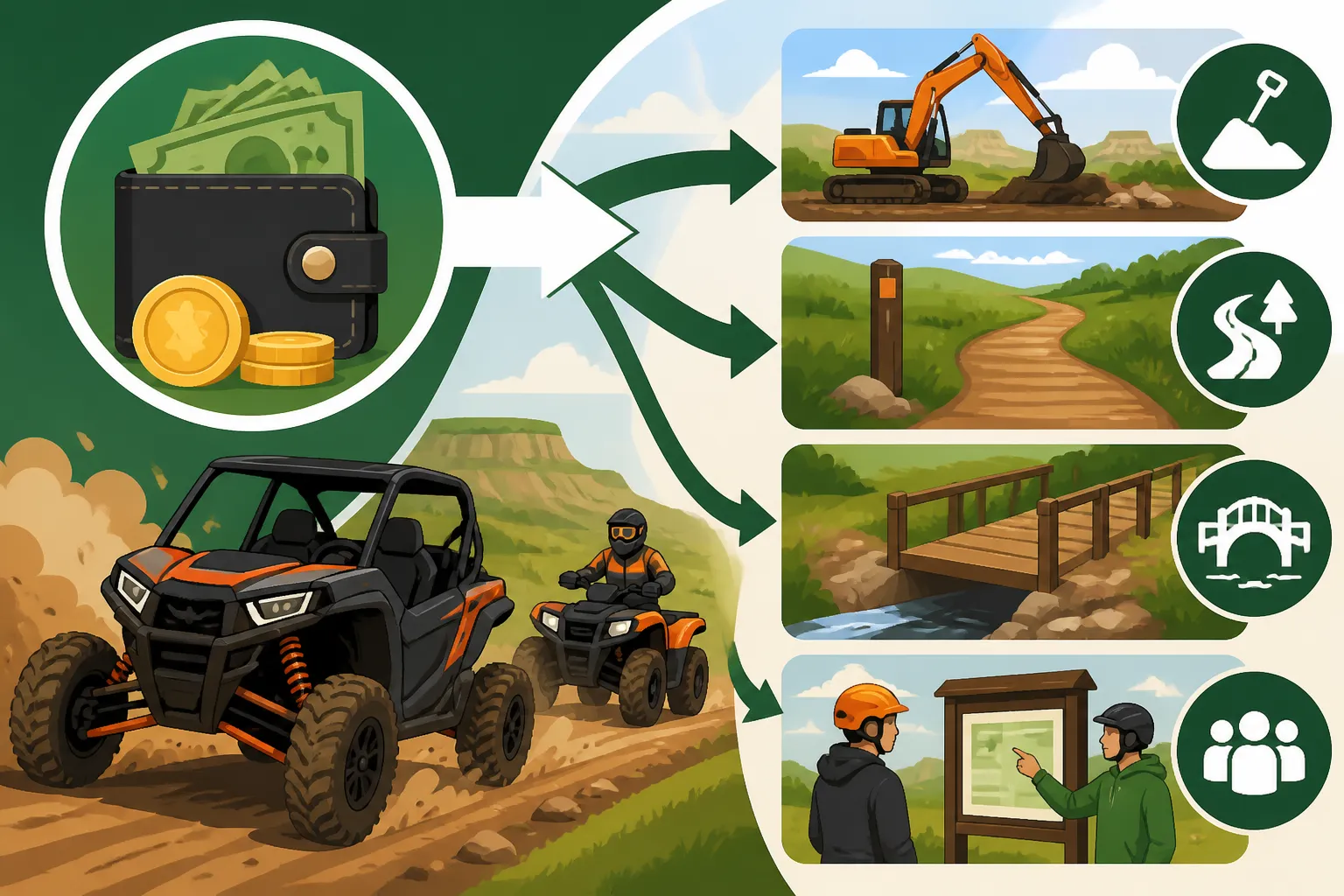
Funds from the trail tax go directly into projects like building new sections of trail, acquiring land or easements to expand existing networks, and performing critical maintenance. This maintenance isn't just a casual sweep; it involves things like clearing brush and fallen timber, repairing washouts and erosion caused by weather, grading surfaces, and ensuring that trail markers and interpretive signs are clear and in good condition. For instance, parts of your trail tax might be supporting the work being done at places like [Pembina Gorge: North Dakota's OHV Trail Park], helping to keep its 16 miles of trail in prime condition. Or, looking to the future, funds may be earmarked for exciting projects such as the [Roughrider OHV Trail's 2025 Expansion in North Dakota], linking even more of our state's beautiful landscapes for riders to explore. It’s a continuous cycle of improvement and preservation that directly benefits every registered OHV owner.
Enhancing the Rider Experience
Beyond just the trails themselves, your trail tax plays a crucial role in enhancing the overall rider experience. It's about making your time on the trails more convenient, safer, and more enjoyable, transforming a basic trail into a true recreational destination. Think about those little conveniences that make a big difference – they don't just magically appear.
This means funding goes towards amenities like improving trailhead parking areas, installing and maintaining clean restrooms, and even providing wash stations so you can clean off that prairie gumbo after a particularly muddy ride. You might find these kinds of facilities at various riding areas, making your day trip or weekend adventure much more comfortable. For example, knowing that there are [North Dakota Riding Areas With Wash Stations] can be a huge relief after a dusty or wet outing.
Furthermore, funds also support crucial safety initiatives and provide vital information to riders. This includes developing and distributing updated trail maps, installing clear signage to prevent riders from getting lost or entering restricted areas, and investing in emergency access points. The goal is to make North Dakota a premier OHV riding destination, not just by having trails, but by having well-supported, user-friendly, and safe environments for everyone to enjoy. It ensures that when you head out, you're doing so with peace of mind, knowing that the infrastructure is there to support your adventure.
Beyond the Trails: Support and Safety Initiatives
While building and maintaining trails is a primary focus, the trail tax also supports broader initiatives that contribute to the responsible enjoyment and future of OHV riding in North Dakota. It's not just about the physical paths; it's about the community, education, and long-term vision.
Supporting Law Enforcement and Education
A portion of the trail tax also helps fund efforts that promote responsible riding and ensure the safety of all users on North Dakota's trails and designated riding areas. This includes supporting local law enforcement agencies who patrol these areas, ensuring compliance with OHV laws, and responding to incidents. Knowing that there's a presence helps deter irresponsible behavior and keeps everyone safer. It's about maintaining order and ensuring that those who choose to disregard the rules aren't negatively impacting the experience for everyone else.
Additionally, critical education and safety programs often receive support from these funds. Think about the [North Dakota OHV Safety Certificates at Age 12] program – teaching young riders the ropes, instilling good habits, and ensuring they understand the rules of the trail. These educational initiatives are vital for preventing accidents, promoting environmental stewardship, and fostering a culture of respect among riders. It's an investment in the next generation of riders and in preserving the longevity of our sport. By educating riders of all ages on proper etiquette and safe operating procedures, the trail tax contributes to a more harmonious and secure riding environment for everyone.
Administrative Costs and Future Planning
Like any well-run program, there are always administrative costs involved, and the trail tax helps cover these essential operational expenses for the North Dakota Parks and Recreation Department's OHV program. This isn't glamorous work, but it's absolutely necessary to keep the wheels turning. It includes everything from staffing and office supplies to technology for managing records and communicating with the public. Without these fundamental supports, the entire program would grind to a halt.
More importantly, a portion of these funds is crucial for long-term planning and strategic development. This involves conducting studies to identify potential new trail areas, assessing the environmental impact of current and future projects, and engaging with landowners and local communities. It's about looking ahead, identifying opportunities for growth, and ensuring the sustainability of OHV recreation in North Dakota for decades to come. This forward-thinking approach means that your trail tax isn't just fixing today's potholes; it's laying the groundwork for tomorrow's epic adventures. It ensures that the state can proactively plan for future trail expansion and preservation, considering factors like population growth, changing rider interests, and environmental conservation.
The Impact of Your Contribution
It's easy to feel like just another number when you're paying fees, but with North Dakota's OHV trail tax, your contribution really does matter. It's more than just a payment; it's an investment in a thriving riding community and the preservation of our outdoor recreation.
| Contribution Type | Directly Funds | Benefits to Riders |
|---|---|---|
| OHV Trail Tax | Trail construction, maintenance, repair | More open trails, safer riding surfaces, clearer paths |
| Amenities (parking, restrooms, wash stations) | Increased comfort and convenience at trailheads | |
| Safety programs, law enforcement support, education | Safer riding environment, fewer accidents, educated riders | |
| Administrative overhead, future planning, environmental studies | Sustainable growth of the OHV system, new trail opportunities, responsible development | |
| Base Registration Fee | System administration, record keeping, decal issuance | Legal operation, clear ownership, ease of identification |
Your Role in the North Dakota OHV Community
When you pay your trail tax, you're not just complying with the law; you're actively investing in the North Dakota OHV community. Each dollar contributes to a collective fund that directly translates into tangible improvements and expanded opportunities for everyone who loves to hit the trails. It's easy to feel disconnected from where your money goes, but knowing that your fees are building new trails, fixing old ones, and providing amenities brings a different perspective to what can sometimes feel like a burden.
This investment means more than just a smooth ride. It supports the infrastructure that allows for events, group rides, and the general enjoyment of North Dakota's beautiful landscapes from the seat of your ATV or UTV. When you're out there enjoying the groomed paths at Pembina Gorge or exploring the expanding [Roughrider OHV Trail Links Fort Abraham Lincoln and Fort Rice], remember that your contribution helped make that possible. It fosters a sense of shared responsibility and collective benefit, knowing that every rider's contribution helps maintain and grow the passion we all share for off-road adventure.
Transparency and Accountability
State agencies understand the importance of transparency, especially when it comes to how public funds are utilized. The North Dakota Parks and Recreation Department strives to be accountable for how the trail tax revenue is spent, often providing reports or information on their website detailing projects completed or underway. This commitment to transparency helps ensure that the funds are being used effectively and in line with the program's objectives. They want you to see the fruits of your contribution.
For those who want to dive deeper or get more involved, there are avenues to do so. Attending public meetings, reviewing agency reports, or even connecting with local OHV clubs can provide insights into how decisions are made and where resources are allocated. [North Dakota OHV Clubs Worth Joining] often have direct lines of communication with state agencies and are excellent resources for staying informed and even advocating for specific trail improvements or expansions. Your trail tax isn't just a fee you pay and forget; it's a vital part of a system designed to support and grow OHV recreation in North Dakota, and your awareness and engagement can help ensure its continued success.
Disclaimer
This article is for general informational purposes only and does not constitute professional advice. Laws, prices and regulations vary by location and change over time. Consult a qualified professional for guidance on your specific situation.