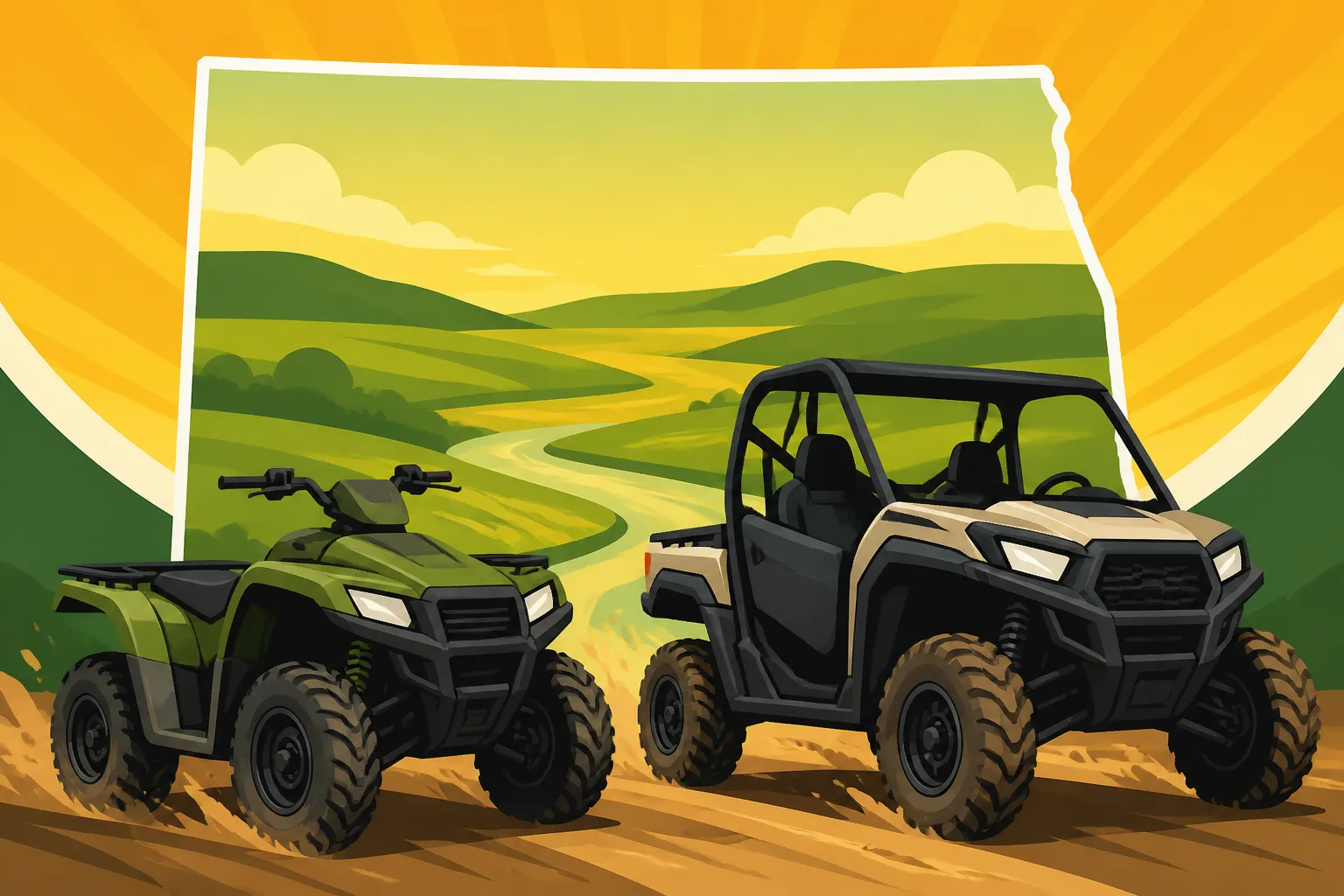
North Dakota Class I Machines Defined
Trying to figure out where your quad or side-by-side fits into North Dakota's sometimes confusing web of off-highway vehicle (OHV) rules can feel like a riddle, especially when you're just eager to hit the trails or get some work done. It's not always obvious whether your machine is considered a Class I, II, or III, and getting it wrong can lead to registration headaches or even unexpected citations. This comprehensive guide will walk you through the specific definition of a Class I machine in North Dakota, detailing its unique characteristics, how it impacts your responsibilities as an owner, and what you need to know to stay on the right side of the law.
Decoding North Dakota's OHV Classifications: Why It Matters
When you own an off-highway vehicle in North Dakota, one of the first things you'll encounter is a classification system that sorts these machines into different categories: Class I, Class II, and Class III. This isn't just bureaucratic jargon; these classifications are absolutely fundamental to how your machine is registered, where you can legally operate it, and what safety requirements you must adhere to. Ignoring these distinctions is a common mistake many riders make, leading to frustration and potential legal issues down the road. Understanding which class your machine falls into is the bedrock of responsible OHV ownership in the state.
The Foundation: Understanding the "Why" Behind OHV Categories
Think of these classifications as a way for the state to manage the diverse range of vehicles that fall under the "off-highway" umbrella. A small youth ATV is vastly different from a large, multi-passenger side-by-side, and it simply wouldn't make sense to apply the exact same rules to both. The state legislature developed these categories to ensure appropriate regulations for vehicle design, safety features, intended use, and environmental impact. For instance, a lighter, more agile Class I machine might be permitted in areas where a heavier Class II machine would be prohibited due to potential trail damage or safety concerns. It's all about matching the vehicle to the regulations for public safety and resource protection.
Moreover, these categories directly influence your [North Dakota OHV Registration Cost] and what kind of paperwork you'll need. The registration process itself, while generally straightforward, can have subtle differences depending on your machine's class. For example, while all titled OHVs require an excise tax to be paid, the process for a custom-built Class I machine might involve different steps to prove fair market value than a brand new Class II from a dealership. Knowing your machine's class from the outset helps streamline these administrative tasks and ensures you're prepared for what the state requires.
A Quick Look at Class II and Class III for Context
While our focus today is squarely on Class I machines, it's helpful to briefly understand Class II and Class III to grasp the full spectrum. Generally speaking, Class II OHVs in North Dakota are often what most people recognize as side-by-sides or UTVs. These vehicles typically feature a non-straddle seat (more like a car seat), a steering wheel, and can often be wider or heavier than Class I machines. There are specific [North Dakota Class II Width and Weight Limits] that distinguish them.
Class III machines are even larger, generally defined as having a dry weight exceeding 2,000 pounds and often used for utility or work purposes, though some larger recreational side-by-sides can also fall into this category. The main takeaway is that as you move up from Class I to Class III, the machines generally get larger, heavier, and have different control mechanisms, which in turn dictates different operational rules and sometimes even distinct trail access. Knowing your Class I definition prevents you from mistakenly thinking you have the same privileges or restrictions as a driver of a Class II or III machine.
Defining North Dakota Class I: The Core Characteristics
So, what exactly makes an off-highway vehicle a Class I machine in North Dakota? The legal definition boils down to a very specific set of physical attributes that are surprisingly precise. It’s not just about what you call your machine, but what it is. These characteristics are what law enforcement and the Department of Transportation will look at if there's ever a question about your vehicle's classification. Understanding these points is crucial because they directly impact everything from [North Dakota ATV Road Rules by Surface Type] to whether your child needs a helmet.
The "Straddle Seat" and Handlebar Rule
The most defining characteristic of a Class I off-highway vehicle in North Dakota is that it must be "designed to be straddled by the operator." This means you sit on it, not in it, much like a motorcycle or a horse. Your legs go on either side of the machine, giving you a very specific posture while riding. This is a critical distinction from side-by-sides, where you sit in a bucket seat, often side-by-side with a passenger. Paired with this straddle seat requirement are handlebars for steering control. If your machine has a steering wheel, like a car or golf cart, it immediately disqualifies it from being a Class I OHV. This combination of a straddle seat and handlebars is explicitly detailed in the law and is often referred to as the [Class I and the Straddle Seat Test]. It's a simple, visual test that quickly sorts many machines into their proper category.
This design has profound implications for how the vehicle handles and how it's operated. A straddle seat allows the rider to use their body weight to shift and influence the machine's balance, which is essential for navigating challenging terrain. Handlebars provide direct, responsive steering. This intimate connection between rider and machine is a hallmark of Class I vehicles. When you're considering buying a machine or trying to classify your existing one, always start by asking: "Do I straddle the seat, and do I steer with handlebars?" If the answer is yes, you're very likely looking at a Class I machine.
The Three (or More) Wheel and Low-Pressure Tire Requirement
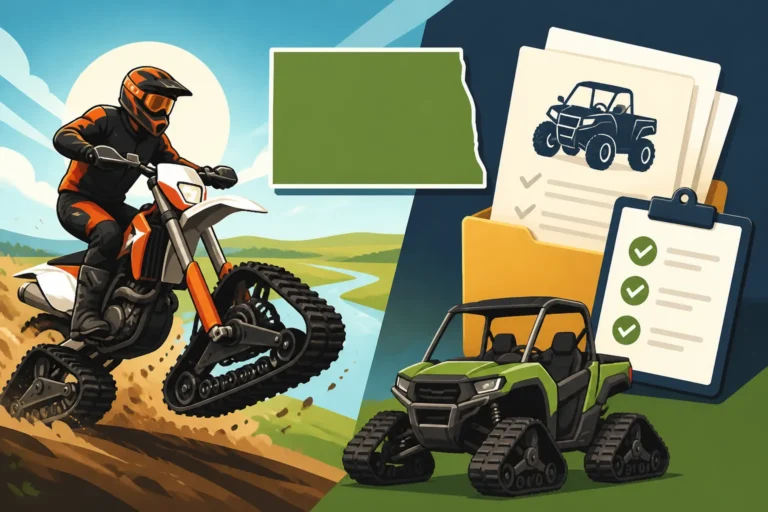
Beyond the seating and steering, a Class I machine must also have "three or more wheels designed for off-highway use." While many people immediately think of four-wheelers when they hear "ATV," the definition allows for three-wheelers (though these are less common today) and even six-wheel ATVs, as long as they meet the other criteria. The "three or more wheels" aspect is key; anything with fewer than three wheels, like a traditional two-wheel dirt bike, usually falls into a different category, or is subject to separate rules, like [North Dakota Tracked Dirt Bike Permit at $25].
Crucially, these wheels must be fitted with "low-pressure tires." What does "low-pressure" mean in this context? It refers to tires specifically designed to operate at low inflation pressures, typically under 10 pounds per square inch (psi), sometimes even lower. These tires have a large, flexible footprint that allows them to "float" over soft terrain like mud, sand, or snow, providing excellent traction and minimizing impact on the ground. They are distinctly different from the high-pressure, rigid sidewall tires found on typical road vehicles. This specific tire type reinforces the off-highway nature of Class I machines. If your machine has highway-rated tires meant for pavement, even if it has a straddle seat and handlebars, it might struggle to fit the Class I definition, or would certainly be limited in its off-road capabilities.
Weight and Dimensions: The Limits for a Class I Machine
The physical size and heft of your OHV are just as important as its seating and steering when it comes to classifying it as a Class I machine in North Dakota. These limits aren't arbitrary; they're in place to define the vehicle's footprint, potential impact on trails, and general maneuverability. Going over these limits can inadvertently push your machine into a different class, with a whole new set of rules to follow. It's not just about whether it looks like an ATV; it's about whether it measures up to the legal definition.
The Crucial 1,200-Pound Dry Weight Threshold
North Dakota defines a Class I OHV as typically having a total dry weight of 1,200 pounds or less. "Dry weight" refers to the weight of the vehicle without any fuel, oil, coolant, or rider. This is an important distinction because loading up your machine with accessories, gear, or even a full tank of gas will naturally increase its operating weight. The 1,200-pound limit helps differentiate standard ATVs from much heavier utility vehicles or specialized equipment. Most traditional, single-rider or two-rider quads will comfortably fall within this weight class.
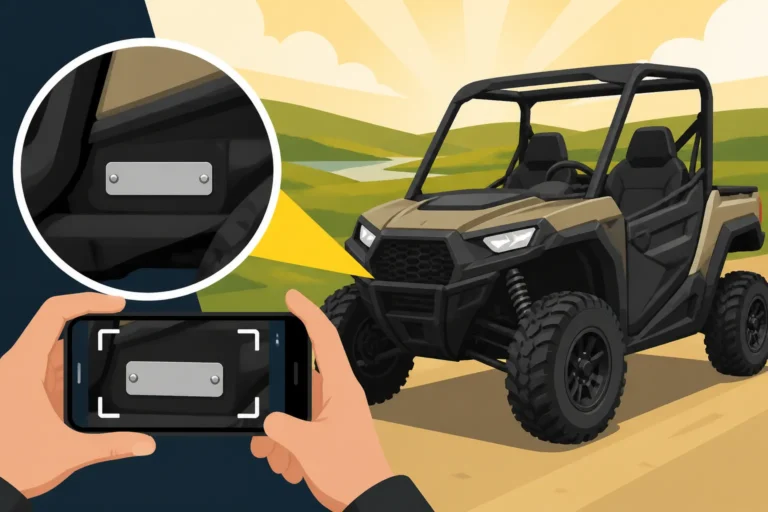
Exceeding this 1,200-pound dry weight limit, especially in combination with other characteristics, could mean your machine is no longer a Class I. For instance, a heavily modified ATV with a large plow or extensive utility racks might push it over this threshold, even if it retains the straddle seat and handlebars. It's always a good idea to check your owner's manual for the manufacturer's stated dry weight. If you're buying a used machine, especially one that looks heavily customized, verifying its actual weight can be an important step to ensure it aligns with the Class I definition before you attempt to [How to Register an ATV in North Dakota].
What "Non-Highway Tires" Really Means for Your OHV
We touched on low-pressure tires earlier, but it's worth diving a bit deeper into what "non-highway tires" truly signifies for a Class I OHV. This isn't just about tire pressure; it's about the tire's design, construction, and intended use. Non-highway tires are characterized by aggressive tread patterns, often deep and widely spaced lugs, designed to grip loose surfaces like dirt, mud, and sand, rather than provide smooth, quiet operation on pavement. Their sidewalls are typically more flexible, allowing the tire to conform to uneven terrain and maximize the contact patch.
Conversely, highway-rated tires are built with stiffer sidewalls, shallower treads, and harder rubber compounds optimized for longevity, fuel efficiency, and traction on asphalt or concrete. Using highway tires on a Class I machine not only makes it harder to meet the legal definition but also severely compromises its off-road performance and safety. These tires simply aren't designed to handle the demands of rough trails, and using them can lead to rapid wear, punctures, or loss of control. So, while you might think of your ATV as just "having tires," the type of tires is a crucial aspect of its Class I identity and its ability to safely operate off-road. You can find more details on this topic in [What Non-Highway Tires Means].
Here's a quick summary of North Dakota Class I OHV characteristics:
| Feature | Description |
|---|---|
| Seating | Designed to be straddled by the operator. |
| Steering | Controlled by handlebars. |
| Wheels | Three or more wheels. |
| Tires | Equipped with low-pressure, non-highway tires designed for off-highway use. |
| Dry Weight | Generally 1,200 pounds or less. |
| Primary Use | Designed primarily for travel over unimproved terrain. |
| Common Names | Often referred to as "all-terrain vehicles" (ATVs) or "four-wheelers." |
Registration, Titling, and Paperwork for Class I OHVs
Once you've confidently identified your machine as a North Dakota Class I OHV, the next logical step is to make it legal to operate. This involves navigating the state's registration and titling requirements, which can seem daunting at first glance. However, understanding the purpose of each document and process will make it much smoother. This isn't just about filling out forms; it's about establishing legal ownership and permission to ride on public lands.
The Path to Legally Operating Your Class I Machine
For most Class I OHVs, registration is a mandatory step if you plan to operate it anywhere off your private land, including public trails, ditches, or roads where allowed. North Dakota typically operates on a [North Dakota's Two-Year OHV Registration] cycle, meaning you'll register your machine for two years at a time. This registration involves paying a fee, which includes a portion dedicated to the state's off-highway vehicle trail fund. The registration process ensures that your vehicle is on record with the state and that you're contributing to the upkeep and expansion of riding opportunities. Without current registration, you risk fines and other penalties if stopped by law enforcement.
The process usually involves submitting an application, proof of ownership, and payment to the North Dakota Department of Transportation (NDDOT). Whether you're registering a brand-new machine from a dealer or a used one from a private seller, the core requirement is to establish a clear chain of ownership. This might involve a manufacturer's statement of origin (MSO) for new machines, or a properly endorsed title and bill of sale for used ones. Companies like LawDepot can be incredibly helpful if you're engaging in a private sale, providing professional, state-specific bill of sale templates that ensure all the necessary information is included for a smooth transfer of ownership and subsequent registration.
Understanding Your Legal Documents: Titles, Bills of Sale, and More
Beyond registration, your Class I OHV will need a title in North Dakota, just like a car. The title is the official document that proves legal ownership. When you purchase a new machine, the dealer handles the initial titling process. For a used machine, the previous owner must sign over their title to you. It's vital to ensure this is done correctly and promptly, as you generally have a limited time to transfer ownership after a sale. You can find detailed information on this process in [Titling an ATV in North Dakota]. Without a proper title, you may face significant hurdles when trying to sell the machine later or even during routine registration renewals.
A bill of sale is another crucial piece of paperwork, especially in private party transactions. This document details the specifics of the sale, including the buyer, seller, purchase price, and vehicle identification number (VIN). It serves as proof of purchase and is often required for titling and registration. Again, utilizing a reliable resource like LawDepot for a standardized bill of sale can prevent headaches down the line, ensuring all legal stipulations are met. This document is particularly important for calculating the [North Dakota Excise Tax on an ATV Purchase], which is due at the time of titling. Always keep copies of your title, registration, and bill of sale in a safe place, and carry your registration card when riding.
Riding Your Class I ATV: Rules, Restrictions, and Safety
Once your Class I OHV is properly registered and titled, you're ready to hit the trails! However, simply owning a legal machine isn't the end of your responsibilities. North Dakota has specific rules governing where and how you can operate Class I machines, along with essential safety requirements designed to protect riders and others. Understanding these operational guidelines is just as important as knowing your machine's classification.
Where You Can (and Can't) Ride Your Class I Machine
North Dakota offers a variety of places to ride your Class I OHV, but it's crucial to understand the nuances of access. Public land access often includes designated OHV trails, like those found in areas such as Pembina Gorge, and specific allowances for riding in ditch bottoms and back-slopes of public roads, under certain conditions. The [North Dakota Ditch Riding: The Legal Right Explained] covers this unique aspect of riding in the state in great detail, but remember, shoulders and inslopes are typically off-limits, and interstates are never open to OHVs. Always be mindful of posted land rules; private property requires explicit permission from the landowner, and electronic posting systems are becoming more common.
Road riding for Class I machines is generally more restricted than for cars or motorcycles. While some gravel roads and paved roads posted at 55 mph or less may be open, there are strict requirements, including a minimum engine size of [North Dakota's 350cc Minimum for Road Riding] and specific equipment like mirrors, horns, and headlights. Class I machines are generally not allowed on higher-speed paved roads. Before heading out, especially if you plan to link trails or access areas via roads, always check local ordinances, as counties and cities can impose their own restrictions. [North Dakota County and City ATV Ordinances] can vary significantly.
Essential Safety Guidelines and Equipment for Class I Operators
Safety is paramount when operating any OHV, and North Dakota has clear requirements for Class I machines. First and foremost, helmets are required for all riders and passengers under the age of 18. This isn't just a suggestion; it's the law, and wearing a DOT-approved helmet significantly reduces the risk of serious head injury. You can learn more about this in [North Dakota Helmet Law for Riders Under 18]. Beyond helmets, other protective gear like eye protection, gloves, sturdy boots, and long pants/sleeves are highly recommended for all riders, regardless of age, to protect against scrapes, impacts, and debris.
Additionally, carrying appropriate equipment on your Class I machine, especially when riding on public roads, is non-negotiable. This often includes a working speedometer, an odometer, a horn audible at 200 feet, and a rearview mirror providing at least 10 square inches of reflective surface. Headlamps and tail lamps are also required, particularly for riding after dark, with specific visibility standards. Operating a Class I OHV is a privilege that comes with the responsibility of ensuring your machine is safe and properly equipped, and that you are prepared for whatever the trail throws your way. Remember, even experienced riders can encounter unexpected hazards, so always ride within your limits and be prepared for changing conditions.
Disclaimer
This article is for general informational purposes only and does not constitute professional advice. Laws, prices and regulations vary by location and change over time. Consult a qualified professional for guidance on your specific situation.