Where a Township Board Stands on OHV Riding
Many off-highway vehicle (OHV) enthusiasts in North Dakota find themselves scratching their heads when it comes to local riding rules. You might know the state laws inside and out, but then you hit a township road and suddenly feel unsure. This guide is here to unravel the often-confusing layer of authority that North Dakota township boards have over OHV use, helping you understand where you can and can't ride, and how to stay on the right side of the law.
Understanding North Dakota's State OHV Law Framework
Before we dive into what a township board can do, it's crucial to understand the baseline established by North Dakota state law. The state provides the foundational framework for where and how off-highway vehicles, including ATVs and UTVs, can be operated. This is your starting point, and local authorities generally cannot grant more riding privileges than the state allows, though they can often add more restrictions.
The Foundation: State-Level Permissions
North Dakota law generally permits OHVs to operate on the "back-slopes and ditch bottoms" of certain public roads. This means that in many rural areas, the ditches alongside state and county highways, and township roads, are considered legitimate places to ride, provided you're registered and following all other state regulations. The intent here is to provide a vast network for utility and recreational riding without disturbing the main flow of traffic. It's a unique aspect of riding in our state, and many riders rely on this extensive network for connecting to hunting grounds, fishing spots, or just enjoying the wide-open prairie. You can learn more about this in [North Dakota Ditch Riding: The Legal Right Explained].
However, this isn't a free-for-all. Machines must be properly registered with the North Dakota Department of Transportation (NDDOT), and operators must adhere to specific equipment and safety standards. For instance, if you're venturing onto gravel roads, your machine needs to meet certain criteria, like engine displacement and having proper lighting for dusk or night riding. These rules ensure that OHVs are operated safely and predictably, reducing conflicts with other vehicles and landowners. [North Dakota ATV Road Rules by Surface Type] offers a deeper dive into these specifics.
Where the State Draws the Line
While the state opens up ditches and certain roads, it also establishes clear boundaries. For example, OHVs are generally prohibited from operating on the paved surface, the inslope, or the shoulder of most public roads. Interstates are a definite no-go, regardless of what any local ordinance might try to say. The state's general rules prioritize the safety of all road users and protect the integrity of the highway system.
Furthermore, state law outlines critical requirements such as [North Dakota Helmet Law for Riders Under 18] and [North Dakota Insurance Requirements at Registration]. These are non-negotiable, state-mandated requirements that apply uniformly across all jurisdictions unless explicitly exempted by another state law. So, even if a township has an ordinance that doesn't mention helmets, the state law still applies to minors. It’s always best to be familiar with the statewide mandates before considering local nuances.
The Scope of Township Board Authority
Now, let's talk about those township boards. They represent the smallest unit of local government in many rural areas, and they play a significant role in managing local roads and public spaces. Their authority over OHVs is often where riders encounter the most confusion, as it can feel like a patchwork of rules even within a single county.
Powers to Restrict, Not Expand
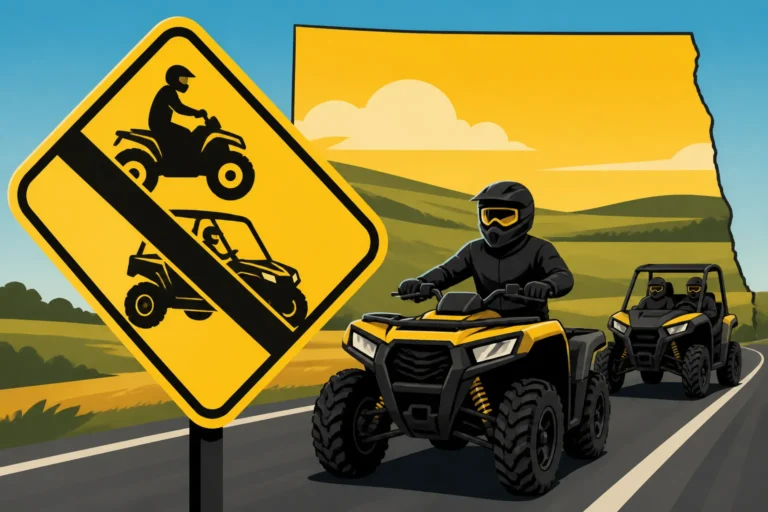
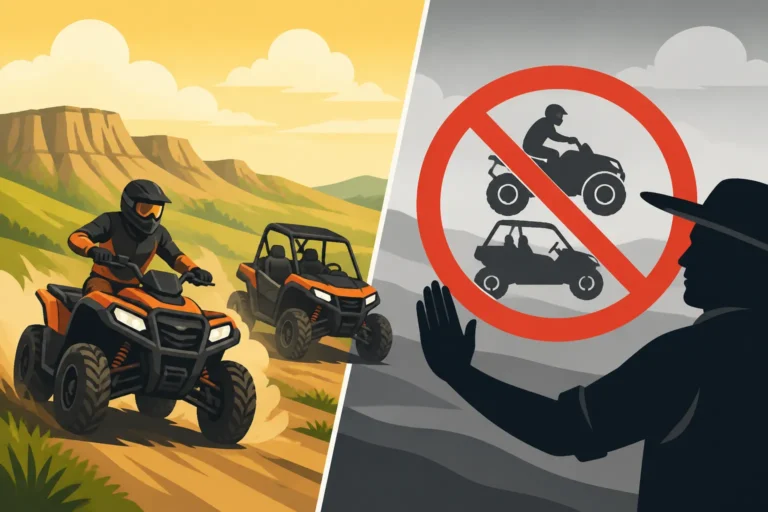
This is the golden rule: A North Dakota township board generally has the power to restrict OHV use further than state law allows on roads under its jurisdiction, but it cannot expand riding privileges beyond what the state permits. For example, if state law says you can ride in the ditch of a township road, a township board could pass an ordinance closing that specific township road's ditch to OHVs. They cannot, however, pass an ordinance allowing OHVs on the paved surface of a state highway, as that's explicitly prohibited by state law.
The rationale behind this local control is often about maintaining peace and safety within their small communities. Residents might raise concerns about noise, dust, damage to roads, or conflicts with agricultural operations. A township board might decide that heavy OHV traffic on a particular road poses a risk to children playing nearby or interferes with farmers moving equipment. These local concerns often drive the creation of specific ordinances. It's not always about outright bans, but sometimes about managing the impact of OHV use on the quality of life for its residents.
Common Township Ordinances You Might Encounter
So, what kinds of rules might a township board put in place? Here are a few common examples:
- Road Closures or Restrictions: A township board might vote to close certain township roads, or sections of them, to OHV traffic altogether. This is often done for specific safety reasons or due to landowner complaints. They might also impose seasonal closures due to muddy conditions to prevent excessive damage, which is a very practical concern in North Dakota's climate.
- Time of Day Restrictions: To address noise complaints, some townships might restrict OHV operation to certain hours, prohibiting riding late at night or early in the morning, especially near residential areas. This helps maintain quiet for residents during typical sleeping hours.
- Speed Limits: While state law dictates speed limits for OHVs on certain roads, a township could impose lower speed limits on their specific roads, particularly in more densely populated areas or near intersections. This is a common safety measure.
- Nuisance Ordinances: Some townships might have general nuisance ordinances that could be applied to OHV operations, especially if riders are creating excessive noise, dust, or tearing up property. While not specifically OHV laws, they can be enforced.
- Specific Equipment Requirements: While less common, a township could theoretically require additional safety equipment beyond state minimums, though this would need to be carefully crafted to avoid conflicting with state statutes. For most riders, ensuring your machine meets state minimums for road use, like having adequate mirrors and a functional horn, is already a good step. Many riders opt for quality aftermarket accessories from brands like SuperATV to enhance their machine's safety and compliance, regardless of local ordinances.
It's important to remember that these ordinances must be properly adopted and posted to be enforceable. You can’t be expected to know a rule if it’s not communicated clearly. However, ignorance of the law is generally not a valid defense, so proactive research is key. [North Dakota County and City ATV Ordinances] details how these local rules generally come into being.
How to Navigate Township Rules as a Rider
The varying nature of township regulations means that simply knowing state law isn't always enough. You need to be proactive and informed, especially if you plan to explore new areas. Nobody wants the frustration of getting a ticket or being asked to leave a riding area because they unknowingly broke a local rule.
Researching Before You Ride
This is arguably the most crucial step. Before you trailer your machine out to a new riding spot that involves township roads, do your homework.
- Check Township Websites: Many townships, especially larger ones, might have websites where they post their board meeting minutes and adopted ordinances. A quick search for "[Township Name] OHV ordinance" can sometimes yield results.
- Contact the Township Clerk or Supervisor: This is often the most direct and reliable method. Reach out to the township clerk or a board supervisor and politely ask about their specific regulations regarding OHV use on township roads. They are typically the best source of current and accurate information. Be specific about where you intend to ride.
- Look for Posted Signs: When you arrive in an area, pay close attention to any posted signs. Township roads, like other public roads, will have signs indicating restrictions or closures if they are properly established. These might be "No OHV" signs, or signs indicating specific operating hours. Always respect these signs. [North Dakota Posted Land Rules for Riders] also reminds us that even if a township road is open, adjacent private land is not.
Remember, a lack of clear signage doesn't automatically mean unlimited access. It merely means you haven't encountered an explicit restriction yet, and you should still operate with caution and awareness of state laws.
Communication is Key: Talking to Your Township
Building good relationships with local authorities and landowners can make a huge difference. If you're planning an organized group ride or foresee regular use of certain township roads, consider reaching out to the township board in advance.
- Attend a Township Meeting: Township board meetings are typically open to the public. If you have specific questions or want to advocate for OHV use, attending a meeting and speaking during the public comment period can be effective. It shows you're engaged and respectful of local governance.
- Seek Written Permission for Private Land Access: Even if a township road allows OHVs, venturing off that road onto private property always requires explicit permission from the landowner. Carrying [Landowner Permission in Writing] is not just good practice, it's often legally required. This principle extends to section lines too; while state law allows passage, landowners can restrict travel in certain circumstances, and respectful communication avoids conflict.
- Be a Good Steward: Demonstrating responsible riding habits is the best way to foster positive opinions of OHV riders. Stick to designated areas, avoid excessive noise, pack out what you pack in, and be considerate of other road users and residents. This helps build a reputation for riders as responsible members of the community, making townships less likely to enact restrictive ordinances. For example, if you are riding with a group, ensure everyone understands the local etiquette.
Essential Practices for Respectful and Legal Riding
Navigating the nuances of North Dakota's OHV laws, especially with local township overlays, can feel like a maze. But with a few essential practices, you can ensure your rides are both enjoyable and legally compliant. It’s all about preparation and responsibility.
Equipping Your Machine for Township Roads
Regardless of specific township ordinances, your OHV must meet general state requirements for operating on public roads. This includes basics like proper registration and a visible decal or plate. For many riders, upgrading certain components can make riding safer and more comfortable on varied rural surfaces.
- Mirrors and Horn: North Dakota law generally requires a mirror that allows the operator to see 200 feet to the rear, and a horn audible at 200 feet for road operation. Many stock machines might not have these, or the stock components might not be robust enough for off-road vibrations. Aftermarket companies like SuperATV offer a wide range of durable and compliant mirrors, including rearview and side mirrors, and horns that meet these specifications, ensuring you can meet all requirements whether you’re on a county road or a township lane. [North Dakota Mirror and Horn Requirements] explains these in more detail.
- Lighting: For night riding, a headlamp visible from 300 feet and a brake light are essential. Consider upgrading your lighting for better visibility, not just for compliance but for your own safety on unlit township roads.
- Muffler Requirements: While often overlooked, North Dakota does have muffler requirements to keep noise levels reasonable. This is especially important on township roads where homes might be closer. Ensuring your exhaust system is in good repair and meets state standards can prevent noise complaints from residents. [North Dakota Muffler Requirements] outlines the specifics.
- Tire Choice: Riding primarily on dirt and gravel township roads means your tires take a beating. Choosing an appropriate tire with good all-terrain capabilities and resistance to punctures, such as those available from SuperATV, can make a huge difference in traction, durability, and comfort on these varied surfaces.
Being a Responsible Member of the Community
Riding an OHV is a privilege, and respecting the communities you ride through is paramount to maintaining that privilege. Your actions reflect on all riders, and positive interactions can go a long way in preventing restrictive local ordinances.
- Know Before You Go: Always confirm the local rules. If in doubt, reach out to the local authorities. As mentioned, [Checking With Local Law Enforcement First] is always a good idea. A brief, polite phone call can save you a lot of trouble.
- Respect Private Property: This cannot be stressed enough. Even if you're on a public township road, be mindful of adjacent private land. Fences, gates, and posted signs are there for a reason. Trespassing is a serious offense and creates animosity toward OHV riders.
- Minimize Your Impact: Stay on designated routes. Avoid excessive speeds that create dust plumes for nearby homes or damage road surfaces. If a road is visibly muddy and you're rutting it up, consider turning around. Responsible riding protects the environment and the infrastructure.
- Slow Down in Populated Areas: If you’re passing through a small town or near farmsteads on a township road, slow down significantly. This reduces noise, dust, and the perception of recklessness. It also gives you more time to react to unexpected obstacles or pedestrians.
- Carry Your Documents: Always have your OHV registration, proof of insurance, and if applicable, your safety certificate (especially if you're under 16) readily available. An officer may ask to see these. [North Dakota Insurance Requirements at Registration] are mandatory for machines operating off private land.
By following these practices, you can enjoy North Dakota's vast and unique OHV riding opportunities responsibly, contributing to a positive image for the OHV community and reducing the likelihood of encountering unexpected township restrictions.
Here’s a quick overview of State vs. Township Authority:
| Feature | North Dakota State OHV Law | Township Board Authority |
|---|---|---|
| Foundation | Sets baseline permissions (e.g., ditch riding) and minimum equipment/safety standards. | Operates within state law; cannot grant more rights than state, but can add restrictions. |
| Road Access | Generally allows ditches, certain gravel/paved roads (with conditions), prohibits interstates. | Can close specific township roads or ditches, set lower speed limits, or restrict hours. |
| Equipment | Mandates mirrors, horn, lighting, muffler standards for public road use. | Generally defers to state standards, but could theoretically add unique local requirements. |
| Safety Requirements | Mandates helmet use for minors, insurance, registration, safety certificates for certain ages. | Cannot override state safety mandates (e.g., cannot say helmets are optional for minors). |
| Enforcement | State patrol, county sheriffs, local police. | Local law enforcement (sheriff, deputies) enforce township ordinances. |
| Information Source | NDDOT website, ND Century Code. | Township clerk, board meeting minutes, local signage. |
Disclaimer
This article is for general informational purposes only and does not constitute professional advice. Laws, prices and regulations vary by location and change over time. Consult a qualified professional for guidance on your specific situation.