Traveling With Traffic After Dark
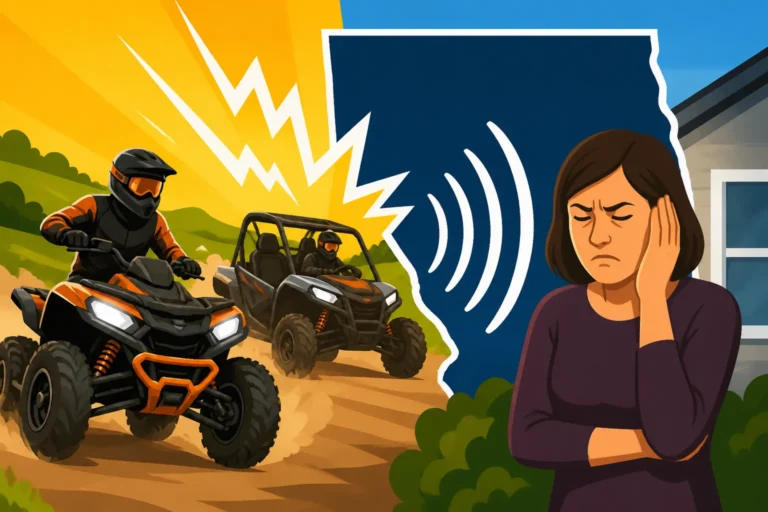
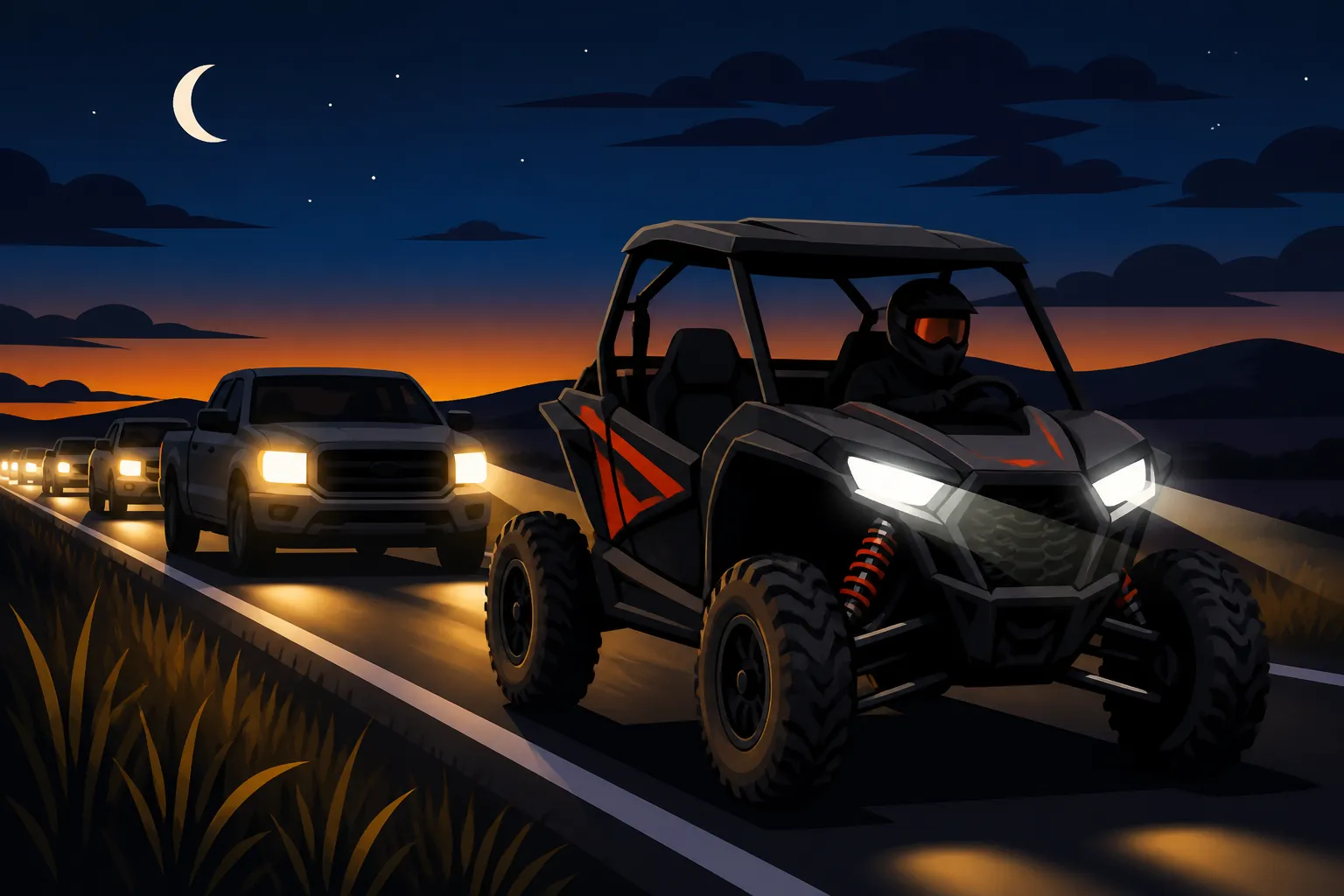
Riding your ATV or UTV after the sun dips below the North Dakota horizon can be an incredible experience – those wide-open prairie skies, the quiet hum of the engine, maybe even a glimpse of wildlife. But let's be real, the thought of actually "traveling with traffic after dark" on public roads with your off-highway vehicle (OHV) can feel a bit daunting, even for seasoned riders. The rules aren't always crystal clear, and the last thing any of us want is a fine, or worse, a dangerous encounter. This guide will shine a light (pun intended!) on exactly what North Dakota requires, how to stay safe, and what to keep in mind when your adventures extend into the twilight hours.
The Legal Requirements for Night Riding in North Dakota
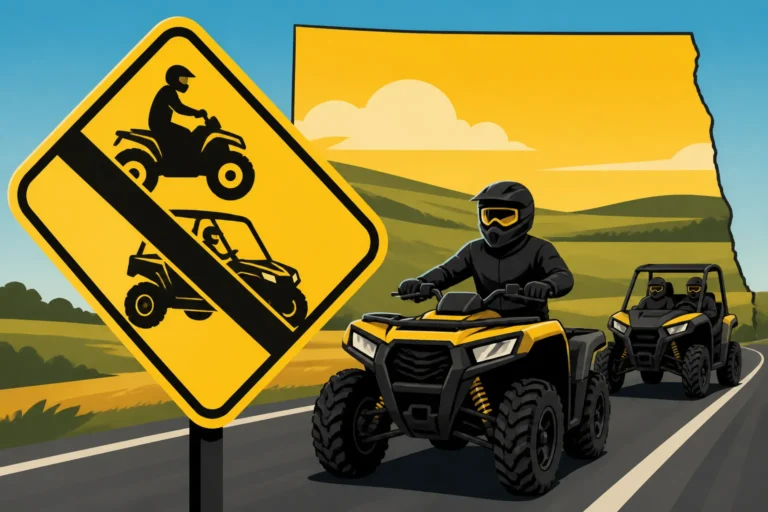
When it comes to riding your ATV or UTV on public roads in North Dakota, whether it's the gravel section line by your farm or a designated paved route, there's a whole different set of considerations once the sun goes down. It's not just about what you can do, but what your machine must have to be street-legal after dark. Trying to navigate this without the right equipment is not only against the law but genuinely dangerous.
Essential Lighting: Headlamps, Taillamps, and Brake Lights
First things first: you absolutely need proper lighting. This isn't just a suggestion; it's a non-negotiable legal requirement. Imagine driving your car at night without headlights – unthinkable, right? It's the same for your OHV. You need a functioning headlamp that can illuminate objects and persons at least 300 feet ahead of you. This isn't just for your visibility but also so oncoming traffic can see you. A dim, flickering light isn't going to cut it, and frankly, it's a recipe for disaster on those dark rural roads. Always check your headlamp's functionality before heading out, especially if you're planning on being out past dusk.
Beyond the front, your machine needs to be visible from the rear. This means a red taillamp that can be seen from at least 500 feet away. This is crucial for anyone following you, giving them ample warning of your presence. Moreover, a red brake light is a must-have, activating clearly and brightly when you apply the brakes. This serves as a vital signal to other drivers that you're slowing down or stopping. It seems like basic stuff, but sometimes on off-road machines, these components can take a beating from mud, dust, and vibrations, so regular checks are paramount. Make sure your wiring is secure and bulbs are bright. Getting caught without these essential lights can lead to a citation, but more importantly, it puts you and others at serious risk. Pay attention to the [North Dakota Headlamp Distance Standards] and the [North Dakota Brake Light Requirement].
Visibility and Signaling: Mirrors, Horns, and Reflective Gear
It's not enough to just see; you also need to be seen, and you need to communicate your intentions to other drivers. This is where mirrors and horns come into play. North Dakota law is specific: if you're riding on public roads, you need at least one rearview mirror. This mirror needs to give you a clear view of the road behind you, and it needs to be at least 10 square inches in size. A small, flimsy mirror that vibrates incessantly isn't going to provide that critical rearward visibility you need when sharing the road with cars and trucks, especially after dark when perception is already reduced. Many aftermarket options exist, and investing in a sturdy, properly sized mirror is a smart move for safety. Keep the [North Dakota Mirror Rules on a Quad] in mind.
A working horn is another non-negotiable item. It needs to be audible from at least 200 feet away. While you might use your horn infrequently on the trail, it's a critical safety device on public roads, allowing you to alert other drivers or pedestrians to your presence in an emergency. It's a quick, unmistakable way to get attention, which becomes even more vital when visibility is compromised at night. Beyond your machine's equipment, consider your own gear. Wearing reflective clothing or adding reflective tape to your helmet and machine can significantly enhance your visibility to others. Even the brightest lights can get lost on a dark road, but reflective materials catch and return light from other vehicles, making you stand out. This is especially true on those long stretches of gravel where visibility can drop to nearly zero with an oncoming vehicle's headlights. Learn more about [Reflective Tape for Low Light] and [North Dakota Horn Rules on a Quad].
Machine Capability and Road Type Restrictions After Dark
Beyond the basic safety equipment, your ATV or UTV itself needs to meet certain performance criteria to even be legally allowed on North Dakota's public roads, particularly when you're thinking about riding after dark. These rules are in place not to make your life harder, but to ensure that your machine can safely interact with other vehicles on the road. It's about blending in with traffic, not just technically, but practically, especially when visibility is low.
Speed and Engine Size: Meeting the Minimums
North Dakota has specific stipulations about the minimum capabilities your OHV must possess to operate on public roads. For starters, your machine needs to be capable of maintaining a speed of at least 30 miles per hour. This is a critical rule designed to prevent your OHV from becoming a slow-moving hazard on roads where other vehicles might be traveling much faster. When you're out there after dark, the last thing you want is a significant speed differential between your machine and an approaching car. It increases the risk of accidents dramatically. This means some smaller, less powerful youth models or older ATVs might not qualify for road use, day or night. Always check your machine's specifications against this requirement.
In addition to speed, there's an engine size requirement: your ATV or UTV must have an engine displacement of at least 350 cubic centimeters. This rule often goes hand-in-hand with the 30 mph capability, as a larger engine generally provides the necessary power to maintain road speeds. Again, this is about ensuring your machine can keep up with the flow of traffic and not impede it, especially during nighttime hours when judging speed and distance becomes more challenging for all drivers. These rules, while perhaps frustrating for some, are foundational for safe road sharing. It's not just about having the lights; it's about having a vehicle that can perform safely in that environment. Get the details on [North Dakota's 30 mph Capability Rule] and [North Dakota's 350cc Minimum for Road Riding].
Navigating Different Road Surfaces at Night
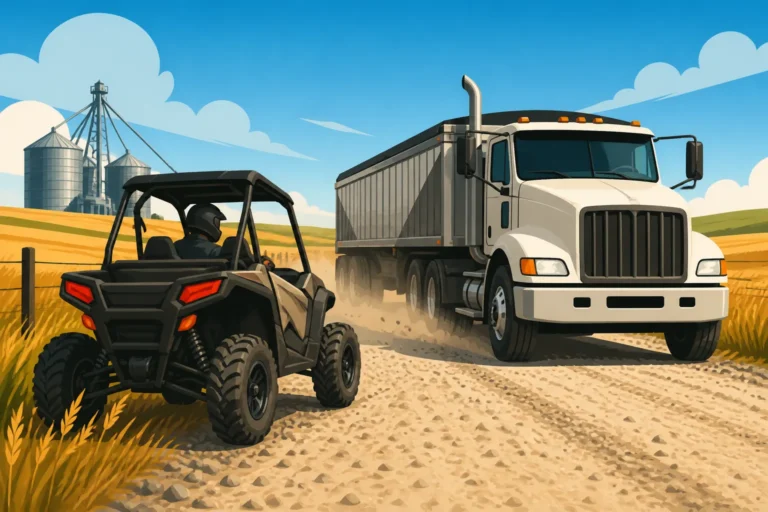
North Dakota's extensive network of gravel roads, paved county roads, and even some state highways open up many opportunities for OHV use. However, riding these different surfaces after dark presents unique challenges and specific rules. It's easy to get complacent on a familiar gravel road during the day, but at night, every rut, every pothole, and every animal becomes a magnified hazard.
For [North Dakota Gravel Roads Open to Registered Machines], while they might feel more "off-road" friendly, they are still public roads. At night, dust kicked up by your machine or other vehicles can severely reduce visibility, creating temporary whiteouts. Your headlamps become absolutely vital, as do your reflective elements, for both seeing and being seen. On [North Dakota Paved Roads Posted at 55], the stakes are even higher due to faster traffic. While your OHV might be able to reach 55 mph, maintaining that speed safely on a smaller, less stable machine, particularly after dark, requires immense focus. For Class III machines, which include many side-by-sides, some [North Dakota Class III Machines at 65 mph Roads] may be accessible, but again, the responsibility for safe operation, especially at higher speeds in the dark, rests squarely on the rider. Always consider the posted speed limit, but more importantly, consider a safe speed for your machine, your skill level, and the conditions, which are inherently more challenging at night. While riding in the ditch can be allowed in certain situations during the day, [North Dakota Ditch Riding: The Legal Right Explained] does not diminish the need for extreme caution and proper lighting if you are doing so after dark; visibility can be extremely limited, and ditches often contain hidden obstacles or sudden drops.
Practical Safety Measures for After-Dark Operations
Legal compliance is one thing, but true safety on an ATV or UTV after dark involves a proactive approach to your machine, your gear, and your riding habits. The prairie night holds a certain mystique, but it also strips away depth perception, makes judging distances harder, and can hide unexpected dangers.
Pre-Ride Checks and Enhanced Equipment
Before you even think about hitting the public roads after dark, a thorough pre-ride inspection of your OHV is absolutely crucial. This goes beyond a quick glance. Check all your lights – headlamps, taillamps, brake lights, and turn signals (if equipped). Are they clean? Are they bright? A layer of mud or dust can drastically reduce their effectiveness. Test your horn. Check your mirrors to ensure they are clean, securely mounted, and properly adjusted. Verify your tire pressure, as proper inflation affects handling, which is even more important in low light. These routine checks, outlined in broader terms for [North Dakota Equipment Required on a Roadway], become non-negotiable when riding after sunset.
For those serious about night riding, especially for work or frequent travel, consider enhancing your lighting beyond the minimum legal requirements. Aftermarket LED light bars or auxiliary lights can dramatically improve your forward visibility, making hazards like wildlife, potholes, or obstacles much easier to spot. Companies like SuperATV offer a wide range of lighting solutions specifically designed for OHVs, which can be a game-changer for nighttime safety. While not always legally mandated for road use, these upgrades can provide peace of mind and a much safer experience. A quality winch, also available from brands like SuperATV, isn't just for extreme off-roading; it can be invaluable for self-recovery if you accidentally slide into a ditch or encounter an unforeseen issue in a remote, dark area.
Rider Preparedness and Awareness
Your machine might be perfectly equipped, but your own preparedness and awareness are just as vital, if not more so, when riding at night. First, always wear appropriate safety gear. A DOT-approved helmet is a must, and adding reflective decals to it can significantly increase your visibility. High-visibility clothing, especially a reflective vest or jacket, is another smart investment. Think of it as painting yourself with light so other drivers can see you from a distance. Even if you're riding a Class III machine on a 65 mph road, your profile is much smaller than a car's, and every bit of added visibility helps.
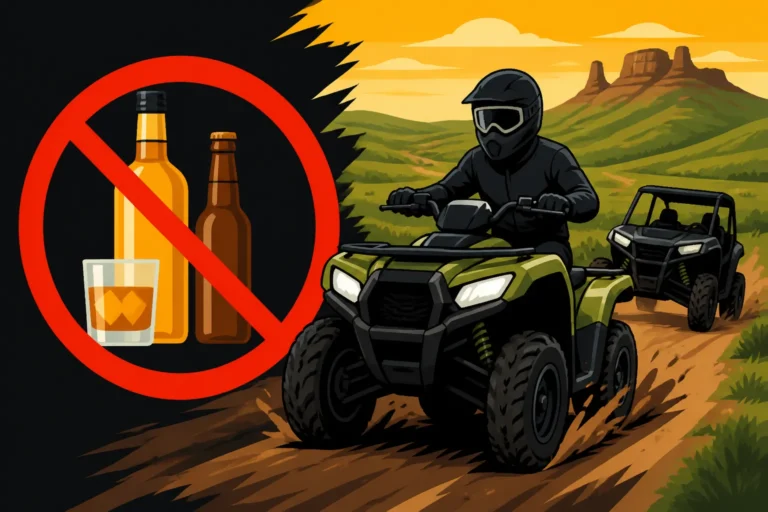
When riding after dark, adjust your riding style. Reduce your speed. Your stopping distance at night needs to account for reduced visibility and potential hidden hazards. Actively scan the road and shoulders for wildlife, which becomes much more active and harder to spot after dusk. Be extra vigilant at intersections and approaches. Never ride impaired; [North Dakota DUI Rules for OHV Riders] apply just as strictly to OHVs as they do to cars, and the consequences are severe, especially when you factor in the already heightened risks of night riding. If you're feeling tired, pull over and rest. Fatigue can impair your judgment and reaction time just as much as alcohol. Remember, North Dakota nights can be long and dark, with vast distances between towns, so always ensure you have enough fuel and are physically and mentally ready for the journey.
Common Pitfalls and Staying Compliant
Even with the best intentions and a well-equipped machine, it's easy to fall into some common traps or misunderstandings when riding your OHV on public roads after dark in North Dakota. Staying compliant isn't just about avoiding a ticket; it's about making sure every ride is safe and legal, protecting both you and others on the road.
Avoiding Unregistered Night Rides
One of the most fundamental requirements for riding any OHV on public roads in North Dakota, day or night, is proper registration. It's surprising how many riders think that because they're on a less-traveled road or just going a short distance, the registration rules don't apply. This simply isn't true. Riding an unregistered OHV on any public road is a clear violation. The penalties for [North Dakota Penalties for Riding Unregistered] can include fines, and if you're involved in an accident, the legal repercussions could be much more severe.
Before you even consider riding your ATV or UTV on a public road, especially after dark, ensure your machine has a current and visible registration plate or decal. While there are some [North Dakota Registration Exemptions Explained], these typically apply to specific situations like private land use or competitive events, not general public road travel. Don't assume an exemption applies to you without verifying it with the North Dakota Department of Transportation. A quick check of your registration before heading out after dark can save you a lot of hassle and potential legal trouble. An officer conducting [North Dakota Equipment Checks at a Stop] will absolutely be looking for current registration as a primary point of compliance.
Understanding Local Ordinances and Enforcement
While North Dakota state law provides the overarching framework for OHV operation on public roads, it's crucial to remember that counties and individual cities can enact their own, more restrictive ordinances. What might be perfectly legal in one township might be prohibited just a few miles down the road. This patchwork of regulations can be incredibly frustrating for riders, especially when trying to plan a longer route that traverses multiple jurisdictions. You might have all your lights, mirrors, and registration in order, but if you're caught riding your ATV after 10 PM in a city that has a strict curfew ordinance, you could still face a citation.
Before you embark on any significant night ride on public roads, especially if you're venturing into new areas, make it a habit to check for local restrictions. Many counties have specific [North Dakota Counties That Restrict Riding] or [North Dakota City Ordinances on OHV Riding] regarding OHV use, including hours of operation, specific road closures, or even outright bans on certain types of roads. A quick call to the local sheriff's department or city police non-emergency line can often provide the clarity you need. It might seem like an extra step, but being informed is key to enjoying your ride without unexpected interruptions from law enforcement. Always remember, ignorance of local laws is not a valid defense.
| Equipment / Requirement | Legal Requirement (Night Riding) | Safety Recommendation (Night Riding) | Notes |
|---|---|---|---|
| Headlamp | Visible 300 ft ahead | Bright LED, auxiliary lights | Clean lens, secure mounting |
| Taillamp | Visible 500 ft from rear | Brighter LED, multiple points | Check for mud/dust buildup |
| Brake Light | Activates with brakes | Fast-acting, highly visible | Critical for signaling |
| Rearview Mirror | At least 10 sq inches | Sturdy, wide-view aftermarket | Clean and properly adjusted |
| Horn | Audible 200 ft | Easily accessible | Test before each ride |
| Reflective Gear | Not specified for rider | Vest, helmet decals, machine tape | Makes you stand out |
| Engine Size | Minimum 350cc | Ensure adequate power for conditions | Check manufacturer specs |
| Speed Capability | Minimum 30 mph | Match speed to conditions, not limit | Faster speeds demand more caution |
| Registration | Current & visible | Always updated, keep proof handy | Essential for all public road use |
| Local Ordinances | Check county/city rules | Inquire before new routes | Can vary significantly |
| Rider Awareness | Sober, attentive | Reduced speed, scan for hazards | Fatigue is a major risk factor |
Disclaimer
This article is for general informational purposes only and does not constitute professional advice. Laws, prices and regulations vary by location and change over time. Consult a qualified professional for guidance on your specific situation.