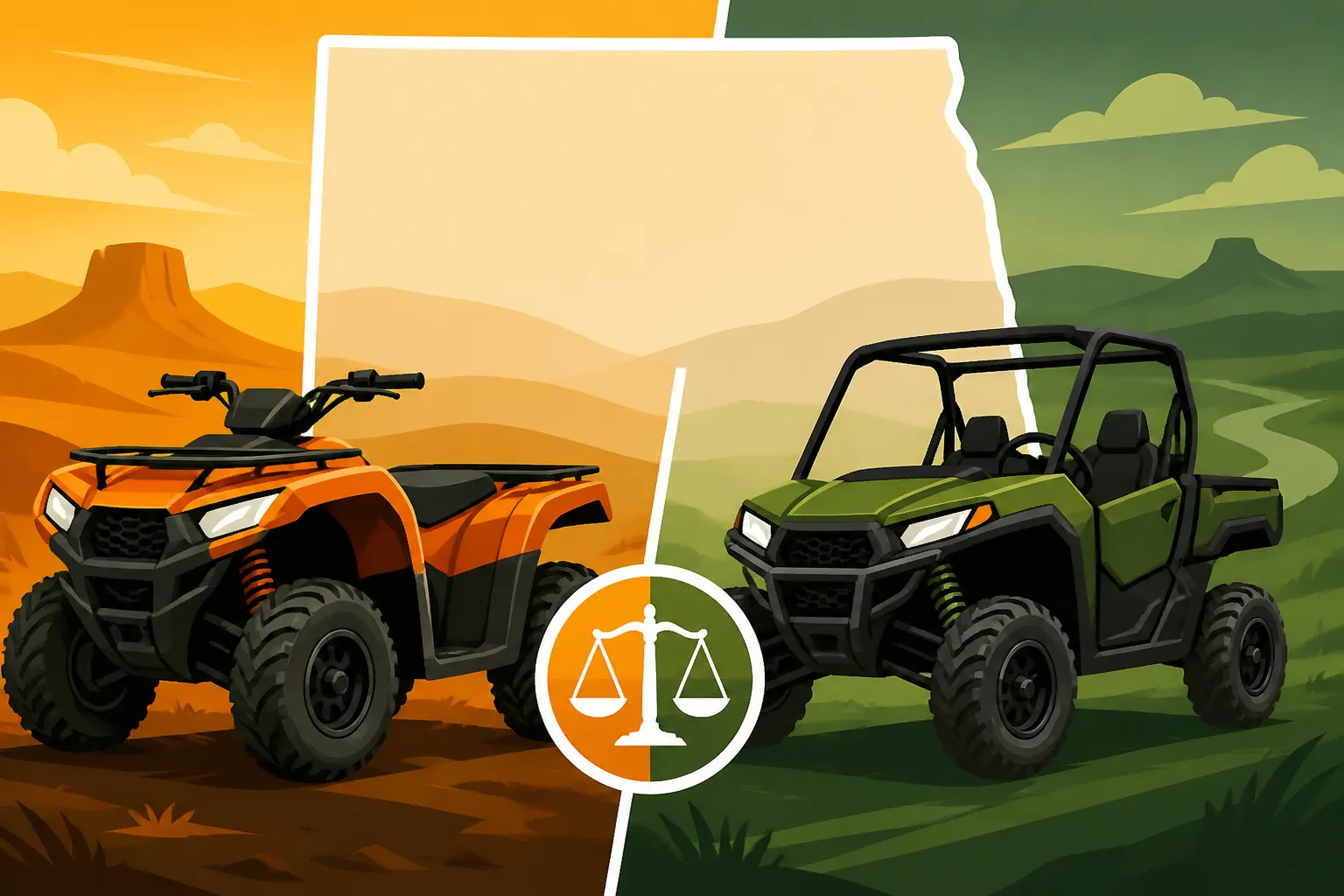
The 65-Inch Class II Alternative
One of the trickiest parts about owning an off-highway vehicle (OHV) in North Dakota is trying to figure out where your machine actually fits into the state's classification system, especially when it comes to width. Many of us ride side-by-sides that seem to fall into a gray area, leaving us scratching our heads about what's legal and what's not on our beautiful prairie. This guide will clarify the sometimes-confusing rules surrounding the 65-inch Class II alternative, helping you understand if your wider machine qualifies and what that means for your riding adventures.
Understanding North Dakota's OHV Classification System
Before we dive deep into the specifics of the 65-inch alternative, it helps to have a clear picture of how North Dakota categorizes off-highway vehicles in the first place. The state has developed a system to help manage and regulate the diverse range of machines people ride, from nimble dirt bikes to powerful utility vehicles. This system isn't just bureaucratic red tape; it's designed to ensure safety, manage trail access, and define what's permissible on different types of public and private lands. Understanding these basic classifications is the first step to knowing your rights and responsibilities as an OHV owner here in North Dakota.
The Three Main Classes of OHVs
North Dakota law generally divides OHVs into three main classes: Class I, Class II, and Class III. Each class has specific characteristics related to engine size, weight, width, and intended use. Class I machines are typically what most of us think of as traditional ATVs – those straddle-seat, four-wheelers with handlebars. They have specific weight and width limits that distinguish them. Class III machines are designed for more rugged, off-road use, often resembling small jeeps or larger side-by-sides, with steering wheels and foot pedals, and they usually exceed the weight and width limits of Class II vehicles. [North Dakota's Class I, II and III Machines] is a great resource if you want a deeper dive into these initial definitions.
The intention behind these classifications is pretty straightforward: to differentiate machines based on their size, handling characteristics, and potential impact. For instance, a lightweight ATV used for recreational trail riding has different requirements than a heavy-duty UTV designed for farm work or multiple passengers. This system helps law enforcement and land managers understand what type of machine is being operated and if it's appropriate for certain areas or road types.
Why Classification Matters for Riders
Knowing your machine's classification is absolutely crucial because it directly impacts where and how you can ride it in North Dakota. The rules regarding road access, trail use, and even helmet requirements can vary significantly depending on whether your OHV is a Class I, II, or III. For example, some roads might be open to certain classes but not others, and specific trails might have width restrictions that only allow smaller machines. It’s not just about avoiding a ticket; it’s about ensuring you’re riding legally and safely, respecting the regulations put in place for everyone's benefit.
This can be a real point of frustration for many riders, especially those who own larger UTVs and are trying to navigate the complex web of regulations. You bought your machine for a certain type of adventure or work, and you expect to be able to use it. But if you don't understand its classification, you might unknowingly limit your options or even find yourself in violation of state or local laws. It's truly a foundational piece of knowledge for any OHV enthusiast in our state.
The Standard Class II Definition and Its Challenges
For many years, the standard definition for a Class II OHV presented a particular challenge for a large segment of the riding community. This class is generally intended for side-by-sides, also known as UTVs, or certain utility-focused machines. However, the traditional width limit often didn't quite match the reality of what manufacturers were producing and what consumers were buying, especially as machines evolved to be more capable and comfortable.
The Original 60-Inch Limit
Historically, North Dakota's definition of a Class II OHV included a width limit that capped these machines at a maximum of 60 inches. This meant that if your side-by-side, measured from the widest point of its tires, exceeded this measurement, it simply didn't fit into the Class II category. For many recreational riders and those using UTVs for lighter work, this was a significant hurdle. [North Dakota Class II Width and Weight Limits] dives into more detail on these specific measurements.
Imagine you just bought a brand-new side-by-side, excited to hit the trails or help out around the property, only to find out that its factory width pushed it just over that 60-inch mark. This wasn't an uncommon scenario. Many popular models, especially those designed for sport or with independent suspension for a smoother ride, naturally came wider than 60 inches. It often left owners feeling like their new investment was in a regulatory limbo, unable to fully enjoy it within the intended classification.
Why Many Modern UTVs Exceeded This
The OHV market has seen tremendous innovation, particularly with side-by-sides. Manufacturers began designing machines with wider stances for increased stability, better handling on rugged terrain, and more interior room for passengers and gear. These wider designs often translate to a more comfortable and safer ride, especially on uneven ground or at higher speeds. However, these improvements inadvertently put many UTVs beyond the standard 60-inch Class II limit, forcing them into the Class III category, which often comes with more restrictions on road use and trail access. [Registering a Side-by-Side in North Dakota] can shed light on the initial steps you might take.
This created a disconnect: riders wanted the stability and comfort of modern UTVs, but the existing classification system wasn't fully accommodating these advancements. It meant that a lot of perfectly capable and safe machines, often used for family recreation or utility tasks, were being grouped with much larger, heavier industrial-type vehicles, which didn't always make sense for their typical usage or the state's trail infrastructure.
The 65-Inch Class II Alternative: What It Is and Why It Matters
Recognizing the evolving landscape of OHV design and the practical needs of riders, North Dakota made a crucial adjustment to its Class II definition. This change introduced an "alternative" pathway for certain wider machines to still qualify as Class II, rather than automatically being pushed into the more restrictive Class III category. This was a welcome development for many OHV owners across the state.
Expanding the Definition for Wider Machines
The key to the 65-inch Class II alternative is that it specifically allows side-by-side machines that are wider than the traditional 60-inch limit, but not exceeding 65 inches, to still be classified as Class II. This expanded definition acknowledges that many modern UTVs fall into this specific width range. For a machine to qualify under this alternative, it must still meet all other Class II criteria, such as having a non-straddle seat (typically bucket seats or a bench seat), a steering wheel, and foot pedals. It also must not exceed the prescribed dry weight limits for a Class II machine.
This adjustment was a pragmatic response to how people actually use and enjoy their OHVs in North Dakota. It meant that many popular sport and utility side-by-sides could now be appropriately classified, allowing their owners to benefit from the access privileges associated with Class II vehicles, which might not have been available if they were strictly classified as Class III. It helped bridge the gap between technological advancement in OHV design and the state's regulatory framework.
Benefits for North Dakota Riders
The introduction of the 65-inch Class II alternative brought several significant benefits to OHV riders in North Dakota. First and foremost, it provided clarity and legality for a vast number of side-by-side owners whose machines were previously in a gray area. This means less worry about whether your vehicle technically meets the requirements when you're out exploring our state's diverse landscapes or running errands on approved routes. It gives peace of mind knowing your machine is properly classified.
Secondly, it often translates to broader access. Class II machines typically have more flexibility when it comes to riding on certain designated trails and public roads, including specific gravel and township roads, compared to Class III vehicles. This means that if your wider side-by-side now qualifies as Class II, you might find more opportunities to legally ride and connect different areas of our state, whether you're heading to a fishing spot, a hunting ground, or just enjoying a scenic drive. [North Dakota ATV Road Rules by Surface Type] offers more insight into these rules.
How to Identify if Your Machine Qualifies for the 65-Inch Alternative
So, you're wondering if your beloved side-by-side fits into this special 65-inch Class II alternative? It's not always as simple as just eyeballing it. You'll need to do a little homework to be absolutely sure, as relying on assumptions could lead to registration issues or, worse, a violation when you're out riding. Getting this right is about knowing your machine's true specifications and how North Dakota interprets them.
Measuring Your OHV Accurately
The most crucial step is to accurately measure the width of your OHV. Remember, this measurement is taken from the widest point of the vehicle, which typically means the outer edges of the tires when they are properly inflated. Don't measure the body or fenders, as they can sometimes be narrower or wider than the tires themselves. You want to place a tape measure across the front or rear tires, making sure it's perpendicular to the direction of travel, and get a precise figure.
It's a good idea to do this on a flat surface and ensure your tires are at their recommended pressure, as underinflated tires might give you a slightly different reading. If your measurement comes in between 60.1 inches and 65 inches, and your machine meets the other Class II criteria (steering wheel, non-straddle seat, weight limits), then you're on the right track for qualifying for the alternative. Getting it right ensures you have the correct information for both registration and adherence to riding laws.
Checking Manufacturer Specifications
Beyond your own measurements, it's always wise to consult your OHV's manufacturer specifications. This information can usually be found in your owner's manual or on the manufacturer's official website. Look for detailed specs that include overall width and dry weight. These official figures are what the Department of Transportation or a motor vehicle branch might reference if there's ever a question about your machine's classification during registration or an inspection. This also gives you a solid point of reference if your personal measurement seems off.
Having this documentation on hand can save you a lot of hassle. While a physical measurement is often sufficient for your own understanding, official documentation provides an indisputable record. It’s also good practice to keep a copy of your owner's manual or a printout of the specifications with your other vehicle documents. In some cases, a legal document like a bill of sale, which you can often create using resources like LawDepot, might also include key specifications if you purchased your machine used, further supporting its classification.
Implications for Registration and Road Use
Once you've confirmed that your side-by-side falls under the 65-inch Class II alternative, it has direct implications for how you register your machine and where you can legally operate it in North Dakota. This knowledge empowers you to register correctly and enjoy your OHV to its fullest potential within the bounds of the law. Ignoring these implications could lead to registration delays or fines.
Registration Process for a 65-Inch Class II
The registration process for a machine qualifying under the 65-inch Class II alternative is essentially the same as for any other Class II OHV. You'll still need to go through the standard registration steps, which typically involve presenting proof of ownership, providing details about your machine, and paying the necessary fees. The key difference is ensuring that the motor vehicle branch clerk understands that your wider side-by-side does fit into the Class II category due to this specific alternative definition. It’s not an exemption, but rather an expanded part of the definition. [Titling an ATV in North Dakota] provides comprehensive information on the titling side of things.
You'll pay the standard [North Dakota Charges $5 Registration Plus $15 Trail Tax] for a two-year period, and you'll receive your [North Dakota OHV Plate or Decal: Your Choice]. It's a fairly straightforward process once you understand the classification. Just be prepared to clearly communicate your machine's specifications if asked, especially its width, to ensure it's categorized correctly in the state's system. Sometimes, a simple explanation can clear up any confusion a clerk might have about a wider machine.
Road and Trail Access
The primary benefit of qualifying as a 65-inch Class II machine is the expanded access to North Dakota's road network and designated trails. Class II vehicles, including those under the 65-inch alternative, are generally permitted on many unpaved and paved roads where OHV use is allowed, provided they meet other equipment and operational requirements. This is a huge advantage compared to Class III machines, which often have more limited road access.
However, it’s crucial to remember that "allowed" doesn't mean "anywhere." Specific restrictions still apply, such as speed limits, the need for proper lighting, mirrors, and a horn, and adhering to local ordinances. [North Dakota Rules for Riding a Gravel Road] and [North Dakota Rules for Riding a Paved Road] are excellent resources to consult for detailed information. Always check local city and county rules, as they can sometimes impose additional restrictions. But fundamentally, this alternative opens up more opportunities for you to legally travel between destinations or explore designated routes that might have previously been off-limits to your wider machine.
Navigating Potential Grey Areas and Local Ordinances
Even with the clarity provided by the 65-inch Class II alternative, the world of OHV regulations isn't always black and white. There can still be situations where local interpretations or specific rules create a bit of a grey area. It's important for riders to be aware of these potential nuances and to approach them proactively to avoid any misunderstandings or violations.
The Importance of Local Law Enforcement Communication
One of the best pieces of advice I can give any OHV rider in North Dakota is to communicate with local law enforcement, especially if you plan to ride in a new or unfamiliar area. While the state law establishes the 65-inch Class II alternative, local authorities in specific counties or cities might have additional ordinances or interpretations regarding OHV use on certain roads or within municipal limits. [North Dakota Counties That Restrict Riding] is a good starting point, but always verify directly.
Don't be afraid to call the sheriff's office or city police department in the area you plan to visit and ask about their specific OHV rules, particularly concerning wider Class II machines. A quick phone call can save you a lot of headache and ensure you're riding respectfully and legally. Most officers appreciate the effort of riders who want to do things by the book, and it builds a better relationship between the riding community and local enforcement.
Understanding Variances in Interpretation
Sometimes, even with clear state law, there can be slight variations in how regulations are interpreted or enforced at a local level. This isn't usually malicious, but rather a reflection of different needs or understandings in various communities. For example, while state law allows certain ditch riding under specific conditions, a particular county might have a more stringent stance due to local concerns.
For machines falling into the 65-inch Class II alternative, the state's intention is clear: these machines are Class II. However, if you encounter an officer who is unfamiliar with this specific alternative or questions your machine's classification, calmly explain the state law regarding the 65-inch allowance for Class II UTVs. Having a copy of your machine's specifications or even a printout of the relevant state statute (if you're super prepared!) can be helpful in these rare instances. This helps to ensure a consistent understanding and enforcement of the law across North Dakota.
Documentation and Best Practices for Wider OHVs
Riding a machine that falls under the 65-inch Class II alternative requires not just knowledge, but also proactive steps to ensure you're always prepared. Good documentation and adherence to best practices can make your riding experiences smoother, safer, and legally sound, helping you enjoy North Dakota's beautiful landscapes without unnecessary stress.
Keeping Proof of Classification Handy
Since your machine might be on the wider side of the Class II spectrum, it’s a smart idea to keep documentation proving its classification readily accessible. This could include a copy of your owner's manual highlighting the width specifications, or a printout of the relevant section of North Dakota's OHV statutes that defines the 65-inch Class II alternative. While you won't need to present this every time you ride, it can be incredibly useful if an officer or park ranger has questions about your vehicle's legality or classification.
Think of it as carrying your "proof of compliance" – a small step that can save a potentially long conversation. This is particularly relevant if you're traveling across county lines or visiting new recreation areas where local officials might not be intimately familiar with every nuance of state OHV law. When dealing with official documents like a bill of sale or statement of ownership, resources like LawDepot can assist in creating clearly worded paperwork that outlines your machine's details.
Adhering to All Other OHV Regulations
Even though your wider side-by-side qualifies for the 65-inch Class II alternative, it doesn't exempt you from any other standard OHV regulations in North Dakota. You still need to ensure your machine is properly registered and titled, has the correct [North Dakota OHV Plate or Decal: Your Choice] displayed, and that you carry proof of registration. All riders, regardless of machine class, must abide by speed limits, helmet laws for riders under 18, and rules regarding passengers.
Furthermore, equipping your OHV with all required safety gear for road use, such as mirrors, a horn, and proper lighting, is non-negotiable if you plan to access public roads. [What North Dakota's OHV Law Requires of Owners] provides a thorough overview of these essential requirements. Remember, the 65-inch alternative only addresses width for classification; all other responsibilities as an OHV owner remain firmly in place. By embracing all these best practices, you contribute to a positive perception of OHV riders and help preserve access for everyone.
| Feature | Standard Class II OHV | 65-Inch Class II Alternative OHV | Class III OHV (for comparison) |
|---|---|---|---|
| Max Width | Up to 60 inches | 60.1 to 65 inches | Over 65 inches (e.g., up to 80") |
| Seating | Non-straddle (bucket/bench) | Non-straddle (bucket/bench) | Non-straddle (bucket/bench) |
| Steering | Steering wheel | Steering wheel | Steering wheel |
| Controls | Foot pedals | Foot pedals | Foot pedals |
| Typical Machines | Narrower side-by-sides | Wider recreational/utility UTVs | Larger multi-passenger UTVs, Jeeps |
| Road Access | Generally good (with rules) | Generally good (with rules) | More restricted (with rules) |
| Registration | Standard Class II | Standard Class II | Standard Class III |
Disclaimer
This article is for general informational purposes only and does not constitute professional advice. Laws, prices and regulations vary by location and change over time. Consult a qualified professional for guidance on your specific situation.