Why North Dakota Lets You Pick a Plate or Decal
One of the many things that can feel a bit like a head-scratcher when you're trying to get your off-highway vehicle (OHV) ready for North Dakota's trails and ditches is navigating the registration process. Specifically, many folks wonder why they have a choice between a traditional license plate or a simple decal for their machine. It’s not just a minor detail; understanding this choice, and the reasons behind it, can save you a lot of confusion and ensure you're riding legally and safely. This guide will dive deep into North Dakota's unique approach, helping you understand the options, their implications, and how to make the best decision for your specific ATV or UTV.
Understanding North Dakota's OHV Identification System
When you think about registering a vehicle, your mind probably jumps straight to a metal license plate that bolts onto the back. It’s the standard for cars, trucks, and even motorcycles. But off-highway vehicles, like your trusty ATV or a robust side-by-side, often operate in environments where a standard plate might not always be the most practical solution. North Dakota, recognizing the diverse nature of OHVs and their intended uses, provides a flexible system. This isn't just about convenience; it's about making sure your machine is identifiable whether you're tearing through a muddy trail, cruising a section line, or just using it around the farm.
The core intent behind any vehicle registration is two-fold: to legally identify the owner and the machine, and to collect funds for maintenance and infrastructure. For OHVs, this includes supporting the trails and riding areas that we all enjoy. By offering both a plate and a decal, North Dakota aims to strike a balance between these necessities and the practical realities of off-road riding. It's about providing options that cater to different machine types and the challenges they face in various terrains.
The Core Requirement: Visible Identification
At its heart, the North Dakota OHV identification system mandates that every registered off-highway vehicle must display a valid form of identification. This isn't just a suggestion; it's a legal requirement. Whether it’s a physical metal plate or a sturdy adhesive decal, that piece of identification is your machine's fingerprint, linking it directly to your registration and ultimately, to you as the owner. Law enforcement needs a quick and clear way to verify that a machine is properly registered, especially when it's being operated on public lands, ditches, or roads where regulations apply.
This visible identification serves several crucial purposes beyond just enforcement. In the unfortunate event of a theft, the unique identifier (whether plate or decal number) is vital for recovery efforts. It also helps track usage and ownership transfers, contributing to a more orderly system for all OHV enthusiasts. Without this visible tag, proving your machine is legally allowed to be where it is would be incredibly difficult, leading to potential fines and other legal headaches. It’s a small piece of plastic or metal, but it carries a lot of weight in the eyes of the law. You'll find more details on this when you review [North Dakota OHV Plate or Decal: Your Choice].
How Plates and Decals Serve the Same Purpose
Despite their different forms, both the plate and the decal are designed to achieve the same fundamental goal: to clearly display your OHV's registration number and expiration date. Think of them as two different styles of name tags, both conveying the same essential information. The numbers on a decal are just as official and legally binding as those on a metal plate. Both are linked to the state's vehicle registration database and signify that you’ve paid your [North Dakota's Two-Year OHV Registration] fees, including the trail tax.
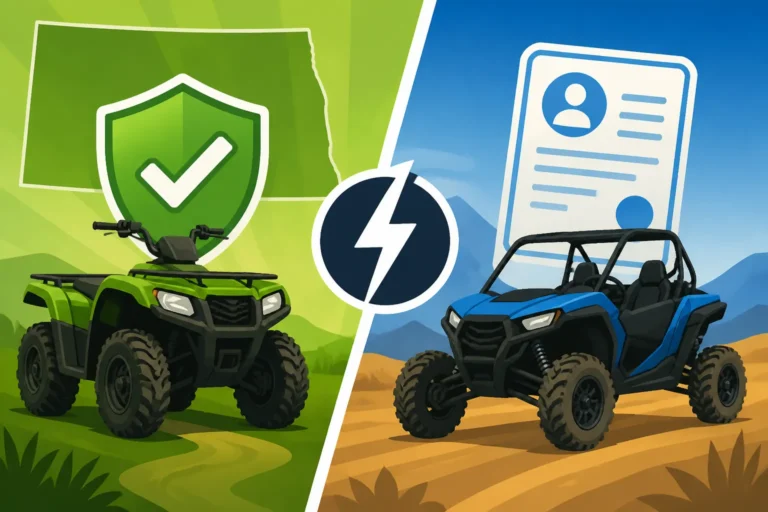
The choice often comes down to the nature of your machine and how you intend to use it. A dirt bike, for instance, might not have a convenient flat surface for bolting a metal plate, and a plate could easily be bent or torn off in rough riding conditions. A decal, designed to stick firmly to a fender, becomes a much more practical and durable solution. Conversely, a large side-by-side, which might occasionally travel on roads, can look more at home with a traditional plate, mirroring how other road vehicles are identified. The state provides the flexibility, trusting you to choose the option that best suits your machine and riding style while fulfilling the core requirement of clear, visible identification.
Deciphering the Plate Versus Decal Choice for Your OHV
The decision between an OHV plate and a decal in North Dakota isn't just an arbitrary one; it's a thoughtful option provided by the state to accommodate the wide array of off-highway vehicles and their specific uses. While both serve to identify your machine, their practical application, durability, and even perceived legitimacy can differ depending on your machine and how you plan to ride. It’s about more than just aesthetics; it's about choosing the most functional and compliant option for your situation.
Making this choice might seem minor, but it can impact how easily your registration is verified, how well the identification holds up to harsh riding conditions, and even how your machine is perceived by others, including law enforcement. Understanding the nuances of each option can prevent frustration down the line, ensuring your OHV is always in good standing. This choice is part of the broader process of [How to Register an ATV in North Dakota].
The Practicality of a Decal for Smaller, Agile Machines
For many ATV and dirt bike owners, the decal is often the go-to choice, and for very good reasons rooted in practicality. Consider a sport ATV, designed for agility and aggressive riding. It often lacks a flat, stable surface that's easily accessible and protected enough to mount a rigid metal plate. Bolting a plate onto a plastic fender might require drilling, and even then, the plate could easily get snagged on brush, bent, or ripped off during a rollover or through deep mud and tight trails.
A high-quality, weather-resistant decal, on the other hand, can be applied directly to a clean, flat portion of a fender, side panel, or even a helmet (though the primary placement is on the machine itself, as per [North Dakota Decal Placement Rules]). This adhesive identification conforms to the curves of the machine, is less likely to be damaged by impacts or trail debris, and maintains its visibility. For machines like dirt bikes, where every ounce and every protrusion matters, a decal is simply a more streamlined and functional solution that won't interfere with the rider or the machine's performance. It’s a robust solution for machines that are designed to get dirty and push limits.
Why a Plate Might Be Preferred for Larger, Road-Capable UTVs
Contrast the agile ATV with a utility-focused UTV or a large side-by-side. These machines often have more substantial bodywork, sometimes even resembling small cars with roll cages and dedicated cargo beds. Many UTVs are also designed with at least some degree of road capability in mind, particularly for traversing short distances between trails, reaching a field, or accessing property. In these scenarios, a traditional metal license plate makes a lot of sense.
UTVs typically have more protected, flat surfaces, often at the rear, where a plate can be securely mounted using bolts and a standard license plate bracket. This setup is more familiar to law enforcement accustomed to seeing plates on vehicles, and it projects a more "road-ready" image when operating on shared roadways. Furthermore, a metal plate is generally more resistant to fading or peeling than a decal, though it can certainly be bent. For machines that are heavier, less prone to quick rollovers, and have dedicated mounting points, the plate offers a durable and widely recognized form of identification that aligns well with their often more diverse usage profile, including limited road travel.
Factors Influencing Your Decision: Visibility and Mounting
When deciding between a plate and a decal, two primary factors should guide your choice: visibility and mounting. The identification must be clearly visible from the rear of the machine. This isn't just a suggestion; it's a critical aspect of compliance. If an officer cannot easily read your registration number, it defeats the purpose of having it. For an ATV, a decal on the rear fender is usually highly visible. For a side-by-side, a plate mounted on a dedicated bracket is equally effective.
Mounting considerations are also key. Can you securely attach a metal plate without it becoming a hazard to the rider or easily damaged by rough terrain? Do you have a clean, flat surface on your machine for a decal to adhere properly and remain legible over time? Think about the typical conditions your machine will face: heavy mud, deep snow, dense brush, or even just repeated washing. A decal might fade over time due to UV exposure or aggressive cleaning, whereas a plate might rust or get bent. Both options are legal, but choosing the one that will best withstand your specific riding environment and maintain its legibility will ensure you stay compliant and avoid any unnecessary hassle.
The Broader Context of North Dakota OHV Registration
Understanding the specific choice between a plate and a decal is just one piece of the larger puzzle when it comes to off-highway vehicle ownership in North Dakota. The state's OHV registration system is designed to categorize machines, collect necessary funds, and ensure all riders are contributing to the upkeep of the very resources they enjoy. It’s a comprehensive framework that addresses everything from the type of machine you own to the financial contributions required. Ignoring this broader context could lead to misunderstandings about why certain rules exist and how your registration dollars are put to use.
This holistic approach means that your plate or decal choice, while important for identification, is just one step after you've determined your machine's classification, understood the fee structure, and navigated the paperwork. All these elements work together to create a system that aims for safety, accountability, and sustainable trail access for everyone.
Class I, II, and III Machines and Their Specifics
North Dakota classifies OHVs into three main categories: Class I, Class II, and Class III. This classification system isn't just bureaucratic; it dictates certain operating rules, potential road access, and sometimes even the practicalities of registration. Understanding where your machine fits is fundamental. [North Dakota's Class I, II and III Machines] provides a deep dive into these definitions.
- Class I machines are typically your traditional ATVs, designed for a straddle seat and handlebar steering. These are the workhorses and sport machines many of us grew up with. For these, a decal often makes the most sense due to their design.
- Class II machines encompass many side-by-sides (SxS) and utility task vehicles (UTVs), characterized by a non-straddle seat (like a car), a steering wheel, and often more substantial dimensions. These are frequently the machines where a license plate becomes a viable and often preferred option, especially if they approach road-legal specifications.
- Class III machines are your dirt bikes, built for off-road use with two wheels and an engine. Much like Class I ATVs, the decal is usually the practical choice here.
Each class has specific width, weight, and sometimes usage limitations, all of which indirectly influence whether a plate or decal is more suitable. For instance, a wider Class II machine might easily accommodate a plate, whereas a narrow, nimble Class III dirt bike absolutely benefits from the less intrusive decal.
The Dual Purpose of Registration: Identification and Trail Funding
When you go through the registration process for your OHV in North Dakota, you're not just getting a number for your machine; you're also contributing directly to the OHV program within the state. The fees you pay are typically split. Part of it covers the administrative costs associated with processing your registration and generating your plate or decal. However, a significant portion, often referred to as a "trail tax," is specifically earmarked for funding the development, maintenance, and management of OHV trails and riding areas across North Dakota. This is explained in detail by [Why Two Agencies Split One Fee].
This dual-purpose funding mechanism is critical for the long-term health and accessibility of OHV recreation in the state. Without these funds, trails would quickly degrade, new riding opportunities wouldn't emerge, and the overall infrastructure supporting the sport would suffer. So, while you're choosing how your machine will be identified, remember that your payment is also an investment in the future of North Dakota's outdoor recreation for OHV enthusiasts. It’s a vital contribution that helps ensure there are well-maintained places to ride for years to come.
Navigating the Registration Process: Where Your Choice Comes In
The process of registering your OHV in North Dakota typically involves submitting an application, providing proof of ownership, and paying the necessary fees. This is often done through the North Dakota Department of Transportation (NDDOT) or a designated agent. Whether you're registering a brand-new machine or one purchased used, you'll generally need documents like a bill of sale or a previous title. For formal documents and forms, services like LawDepot can be helpful resources if you need to create a [North Dakota Bill of Sale Form SFN 2888] or other foundational papers, though official state forms will always be specific to the NDDOT.
During this registration process, you’ll be prompted to make your choice between receiving a license plate or a decal. This choice is usually made on the registration application itself or by informing the agent. It’s important to make this decision thoughtfully, considering all the factors discussed earlier, as it dictates what physical identification you’ll receive. Ensure all your documentation is in order, including proving fair market value for tax purposes and having a clear [Titling an ATV in North Dakota] history. Don't forget that [North Dakota Form SFN 2872 Explained] is central to the titling process, which precedes registration for many machines. Getting all your ducks in a row ensures a smooth experience and gets you out on the trails faster.
The Legal and Practical Implications of Your Choice
Once you've made your decision and received either an OHV plate or a decal, the journey isn't over. There are legal and practical implications that come with your choice, impacting everything from how you display the identification to what you need to do if it gets damaged or lost. Simply having the plate or decal isn't enough; you must ensure it remains compliant, visible, and up-to-date. Neglecting these aspects can lead to complications, including fines or delays if you're ever stopped by law enforcement.
Understanding these implications is key to being a responsible OHV owner and rider in North Dakota. It’s about more than just paperwork; it’s about day-to-day compliance and being prepared for common scenarios that might arise during your riding adventures.
Ensuring Compliance: Correct Placement and Visibility
Whether you choose a plate or a decal, correct placement and ensuring its continuous visibility are paramount. North Dakota law is clear that the registration identification must be displayed in a prominent position, typically on the rear of the machine, where it can be easily seen and read by an officer. For decals, this usually means on the rear fender. For plates, it's typically bolted to a bracket at the rear. You can find detailed requirements in [North Dakota Decal Placement Rules].
- For decals: Ensure the surface is clean and dry before application to maximize adhesion. Place it where it won't be easily obscured by mud, snow, or cargo. Avoid placing it on parts of the machine that are frequently removed or swapped out.
- For plates: Use sturdy bolts and a secure mounting bracket. Ensure the plate isn't positioned where it can easily be bent or torn off by trail debris, or where it might interfere with the operation of the machine or safety of the rider. Make sure it's not covered by a mud flap or obscured by any aftermarket accessories.
Both forms of identification must be kept clean and legible. A mud-caked decal or a plate so bent it's unreadable is just as non-compliant as having no identification at all. Regular checks for damage or obscuring dirt should be part of your pre-ride routine.
What Happens When Your Identification Fades or Is Lost
Life in the rough-and-tumble world of OHV riding means that sometimes, things don't go as planned. Decals can fade from sun exposure or peel from aggressive cleaning or impacts. Plates can get bent, damaged, or even torn off during particularly rugged rides. If your chosen identification becomes illegible or is lost, you are no longer in compliance with North Dakota law. This is not something to put off addressing.
If your decal or plate is damaged or lost, you'll need to apply for a replacement. This process is generally straightforward and involves contacting the NDDOT or a designated motor vehicle branch. There will typically be a nominal fee for a duplicate, as outlined in [North Dakota Plate Replacement Cost] or for a new decal. It's much better to proactively order a replacement than to risk a citation for non-compliance while out riding. Keeping an eye on the condition of your registration identification is a small but important part of responsible OHV ownership.
When Your Choice Matters Most: Law Enforcement Encounters
While both a plate and a decal are legally valid, your choice can subtly influence interactions with law enforcement. A metal plate, especially on a larger UTV, might be perceived as more "official" or more akin to a road-legal vehicle, which can sometimes lead to a smoother interaction if you're stopped on a public roadway where OHV operation has specific rules. The familiarity of a plate might subconsciously lead an officer to quickly verify its status without further questioning about the legitimacy of the identification itself.
However, a properly placed and legible decal on an ATV or dirt bike is equally legitimate. The key is legibility and placement. If your decal is obscure or hard to read, it could prompt more scrutiny, whereas a clear decal on the appropriate machine should pass without issue. Regardless of your choice, always ensure your identification is well-maintained and visible. During any stop, be prepared to present your registration documents and any other required permits, just as you would with any other vehicle. Your primary goal is to demonstrate that you are a responsible and compliant rider, regardless of whether your OHV sports a plate or a decal.
Frequently Asked Questions About OHV Identification
Navigating the world of OHV registration can bring up a lot of questions, even for seasoned riders. The flexibility North Dakota offers with plates and decals, while helpful, can also be a source of confusion. From how long your identification lasts to what happens when you sell your machine, having clear answers can make the experience much smoother. Let's tackle some of the common concerns that often arise for North Dakota OHV owners regarding their chosen identification.
The best way to ensure you're always riding within the rules is to be well-informed. Knowing the answers to these frequently asked questions means you're less likely to run into unexpected issues out on the trail or when dealing with administrative tasks.
Addressing Common Concerns About Durability and Renewal
One of the most common questions revolves around how long the plate or decal lasts and what happens when it expires. Both the plate and the decal are issued as part of your OHV's two-year registration cycle in North Dakota. This means they are valid for two years, after which you'll need to renew your registration. For a decal, this typically means receiving a new sticker to apply to your machine. For a plate, you usually receive new validation stickers to place on your existing plate, similar to how car plates are renewed. This process is covered further in [North Dakota ATV Registration Renewal].
In terms of durability, this is where the choice can show its practical side. Decals, being stickers, can sometimes show wear and tear, fading, or peeling, especially if exposed to harsh elements, aggressive cleaning, or frequent impacts. Plates, being metal, are generally more robust against environmental factors but can be bent or scratched. Regardless of your choice, it's crucial to inspect your identification regularly. If it becomes illegible before the two-year cycle is up, you'll need to order a replacement. The state expects your identification to be readable at all times.
The Impact of Selling Your OHV on the Plate or Decal
When you decide to sell your registered OHV in North Dakota, what happens to the plate or decal? This is a point that sometimes causes confusion for both buyers and sellers. Generally, the registration, along with its associated plate or decal, stays with the seller, not the machine. This means that as the seller, you typically remove the plate or decal from the machine before handing it over to the new owner.
The new owner will then be responsible for registering the OHV in their own name. They will apply for a new registration, at which point they will make their own choice between a new plate or decal. This system ensures that the state's records accurately reflect current ownership and that the new owner is responsible for their own compliance. For sellers, this also means they retain the registration if they choose to apply it to another OHV they own, though specific transfer rules would need to be checked with the NDDOT. It's always best to clearly communicate this expectation with the buyer during a private sale, and to ensure you have a proper [North Dakota Bill of Sale Form SFN 2888] to document the transfer of ownership.
Special Considerations for Tracked Dirt Bikes and Unique Builds
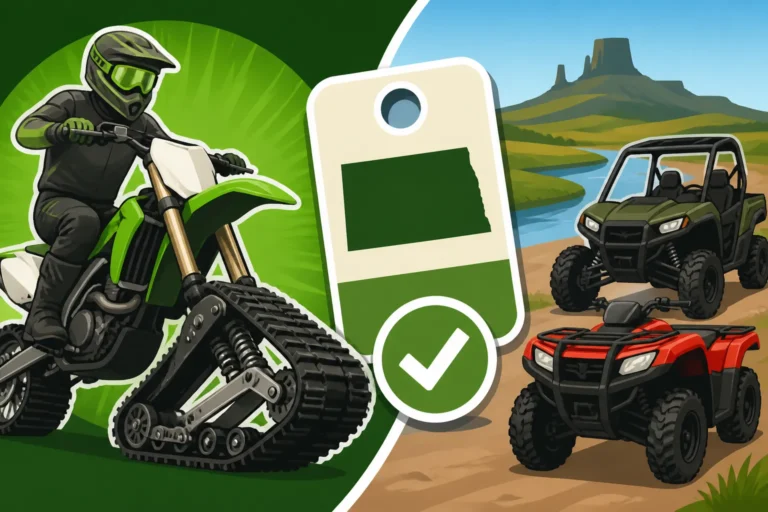
While most ATVs and UTVs fall neatly into the plate or decal options, there are always unique situations. One such example is tracked dirt bikes. These machines, while based on a dirt bike chassis, use track systems instead of wheels for enhanced traction in snow or mud. North Dakota has a specific provision for these unique machines. Instead of the standard OHV registration, tracked dirt bikes require a special [North Dakota Tracked Dirt Bike Permit at $25]. This permit acts as their identification, different from the regular plate or decal system.
Similarly, if you've undertaken a homemade OHV project, the registration process might have additional steps, including an inspection to ensure it meets safety standards and a determination of its class. For these unique builds, the NDDOT will guide you on whether a plate or decal is appropriate based on its final configuration. Always check with the NDDOT directly for any machine that falls outside the typical factory-built ATV or UTV, as unique situations often have specific rules to ensure proper identification and safe operation.
| Feature | Decal | Plate |
|---|---|---|
| Visibility | Often on fender, visible from rear | Standard vehicle plate position |
| Durability | Sticker, can peel/fade over time | Metal, more robust |
| Mounting | Adhesive, directly on machine body | Bolt-on, typically with a bracket |
| Machine Type | Common for ATVs, dirt bikes, Class I & III | Common for UTVs, larger side-by-sides, Class II |
| Road Riding | Less common expectation for road use | More aligned with road-legal expectations |
| Replacement | Relatively simple, order new sticker | Order new metal plate, re-bolt |
| Cost | Included in registration fees | Included in registration fees |
| Renewal | New decal usually issued | New validation stickers applied to existing plate |
Navigating the registration of your OHV in North Dakota doesn't have to be a bewildering experience. The state's offering of both a license plate and a decal provides a thoughtful flexibility that acknowledges the diverse world of off-highway vehicles and their varied uses. Whether you opt for the sleek adhesion of a decal on your agile ATV or the sturdy presence of a plate on your robust UTV, the core objective remains the same: clear, visible identification that confirms your machine is registered and contributing to the incredible riding opportunities North Dakota offers. By understanding your options and the practical implications, you're not just complying with the law; you're ensuring a smoother, more enjoyable, and truly legal riding adventure across the state. Remember to keep all your documents in order, perhaps using services like LawDepot for any forms you might need, and always keep your identification clearly displayed.
Disclaimer
This article is for general informational purposes only and does not constitute professional advice. Laws, prices and regulations vary by location and change over time. Consult a qualified professional for guidance on your specific situation.