The 1,200-Pound Three-Wheel Limit
Navigating the ins and outs of off-highway vehicle (OHV) regulations in North Dakota can feel like deciphering a secret code, especially when you encounter specific rules like the 1,200-pound limit for three-wheelers. Many riders get tangled up trying to figure out if their beloved machine even qualifies for registration, or if that vintage three-wheeler from a relative's barn can legally hit the trails. This guide is here to untangle that knot, diving deep into what that specific weight limit means for owners, potential buyers, and anyone looking to enjoy North Dakota's diverse riding opportunities without a headache.
Understanding North Dakota's OHV Classification System
Before we zero in on the three-wheel limit, it’s really helpful to understand the broader framework of how North Dakota classifies off-highway vehicles. It's not just about what you call your machine, but how the state defines it, and those definitions carry a lot of weight when it comes to registration, titling, and where you can actually ride. Think of it as the state trying to put every different type of off-road machine into a neat little box so everyone knows the rules.
Why Classifications Matter
The main reason these classifications exist is for public safety and to maintain consistency in how vehicles are regulated. Imagine if there were no distinctions between a lightweight dirt bike and a massive utility UTV – the rules for road crossings, trail access, and even passenger limits would be a complete free-for-all. By categorizing OHVs into Class I, Class II, and Class III, North Dakota aims to provide clear guidelines for manufacturers, dealers, and, most importantly, riders like us. These classifications directly impact everything from [North Dakota's Class I, II and III Machines] to what kind of registration you'll need and what roads you might be allowed on. It helps local law enforcement, park rangers, and even insurance companies understand what they're dealing with.
Beyond legal compliance, understanding your machine's class is crucial for planning your rides. Some trails might have width restrictions that would exclude a Class II or Class III machine, while others might be perfectly suited for them. Knowing your vehicle's official classification means you can check those trail rules ahead of time and avoid showing up to a trailhead only to find your machine is too big or too heavy. It also plays a role in [North Dakota's 350cc Minimum for Road Riding] and other equipment requirements if you plan to ever operate on certain public roadways.
The Different OHV Classes
North Dakota breaks down off-highway vehicles into three main classes, each with its own set of characteristics.
- Class I Machines: These are generally your traditional, straddle-seat ATVs. The defining feature is that the operator sits astride the machine, just like a motorcycle. These typically have handlebars for steering. The state defines [North Dakota Class I Machines Defined] by these characteristics, including certain dimensions and weights. They are designed for single-rider operation, though some models might allow for a passenger if equipped from the factory.
- Class II Machines: This category is for vehicles that are designed to carry passengers side-by-side, often with a steering wheel and foot pedals, much like a car. Think of your popular side-by-sides or UTVs. These machines are generally wider and heavier than Class I ATVs. There are specific [North Dakota Class II Width and Weight Limits] that these machines must adhere to, which is a major factor for trail compatibility and overall safety.
- Class III Machines: This class is a bit more diverse and includes vehicles that might not fit neatly into the other two, but are still off-highway vehicles. This often covers some of the larger, more specialized utility vehicles, or even some low-speed vehicles. [North Dakota Class III Machines Under 8,000 Pounds] are typically characterized by a steering wheel, foot pedals, and a gross vehicle weight that pushes the upper limits of what's considered an OHV before it moves into light truck classifications.
Each class has specific guidelines concerning engine size, width, weight, and seating arrangements, all of which contribute to determining where and how you can legally operate them in North Dakota. This system ensures that regulations are applied appropriately to machines of varying capabilities and designs.
Diving Deep into the 1,200-Pound Three-Wheel Limit
Now, let's zoom in on that specific head-scratcher: the 1,200-pound three-wheel limit. This particular regulation often catches people off guard, especially if they're looking at an older, classic three-wheeler or aren't familiar with the nuances of North Dakota's OHV definitions. It's a critical detail that can determine if your vintage ride is considered a legal off-highway vehicle or something else entirely.
What "Three-Wheel" Truly Means
When North Dakota talks about a "three-wheel" machine in the context of this limit, it's referring specifically to vehicles with three wheels that are not designed as a motorcycle or an autocycle. Essentially, it's aimed at those traditional, straddle-seat three-wheeled ATVs that were popular decades ago and still have a loyal following. These aren't the modern three-wheeled motorcycles you see on the highway, nor are they trikes built on a car chassis. They are distinct off-highway vehicles, typically with handlebars and an open design, intended for off-road use. This distinction is vital because it separates these OHVs from other three-wheeled vehicles that fall under different motor vehicle laws.
If you're unsure whether your machine fits this description, consider its original purpose and design. Was it manufactured as an off-road utility or recreational vehicle with three wheels and a straddle seat? If so, then this limit likely applies to you. For clarity, it's also good to understand the broader definition of [How North Dakota Rules Define an ATV], which primarily focuses on straddle-seat, handlebar-steered machines.
The Weight Specification Explained
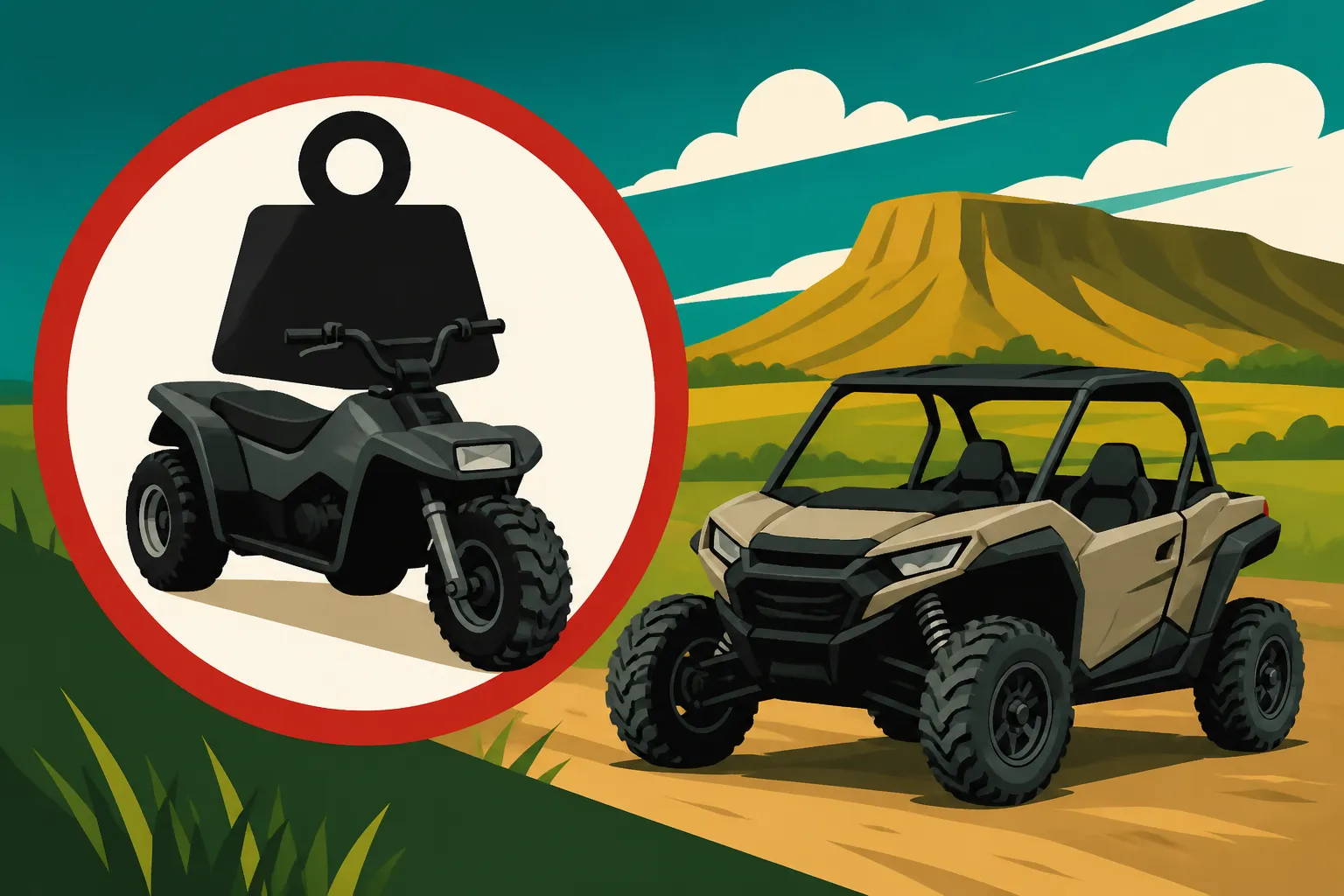
The 1,200-pound limit refers to the dry weight of the vehicle, which means the machine's weight without fuel, oil, or any riders or cargo. This figure is typically provided by the manufacturer in the owner's manual or on a specification sticker somewhere on the machine. It’s not about how much it weighs with a full tank and a cooler strapped to the back, but its baseline weight as it rolls off the assembly line. This limit is a direct part of the state's classification system, designed to differentiate lighter, more nimble three-wheelers from heavier, potentially more powerful, or specialized machines that might pose different safety considerations.
This specific weight threshold is tied directly to the definition of a Class I machine. If your three-wheeled ATV exceeds this 1,200-pound limit, it essentially falls outside the typical Class I ATV definition for a three-wheeled machine. This doesn't necessarily mean it's illegal to own, but it does mean it won't be classified or registered as a standard Class I three-wheeled ATV under these specific North Dakota rules. You would then need to explore other potential classifications or exemptions, which can sometimes be a complex process.
Implications for Owners and Buyers
For current owners of three-wheeled ATVs, this limit is something you absolutely need to be aware of, especially if you have an older machine. If your three-wheeler weighs more than 1,200 pounds dry, it may not qualify for registration under the standard Class I definition for three-wheeled machines. This could lead to issues if you’re pulled over or attempting to register it for the first time. It's not a common problem for most modern ATVs, which tend to be four-wheeled and within general weight ranges, but for those classic three-wheelers, it's a real consideration.
If you're in the market for a used three-wheeled ATV in North Dakota, this limit should be one of the first things you ask about and verify. Don't just assume a seller knows or is being accurate. Always check the manufacturer's specifications for the specific model you're considering. Buying a machine that doesn't fit the state's classification can turn your exciting new purchase into a registration nightmare. Make sure you get clear documentation, and consider using a general bill of sale, which you can easily find templates for through services like LawDepot, to ensure all details, including the machine's weight, are properly recorded during a private sale. This helps establish clear ownership and can be invaluable if questions arise later.
Common Misconceptions and Real-World Scenarios
It’s easy to get lost in the jargon of laws and regulations, and the 1,200-pound three-wheel limit is no exception. There are a few common misunderstandings that frequently pop up, leading to confusion or even accidental non-compliance. Let's clear up some of those murky areas and look at how these rules actually play out when you're out there riding.
The Four-Wheel Exception
One of the biggest areas of confusion stems from assuming this limit applies to all ATVs. It doesn't. The 1,200-pound limit is specifically for three-wheeled machines. Four-wheeled ATVs, which make up the vast majority of personal ATVs today, have different classification criteria and generally are not subject to this particular weight cap for their class. While Class I machines are broadly defined and have other weight considerations, this precise 1,200-pound figure is a three-wheel specific rule. So, if you're riding a standard four-wheeler, you generally won't need to worry about this particular number impacting your registration or classification, though you still need to adhere to all other Class I requirements.
Many riders, especially those new to the sport or coming from other states, might hear "ATV weight limit" and instantly think it applies across the board. However, North Dakota's detailed classification system helps differentiate. Modern four-wheel ATVs usually fall comfortably within the overall Class I definition, which allows for heavier machines than the specific three-wheel sub-limit. So, your new 700cc quad, even if it weighs 800-900 pounds, is likely well within its class because it has four wheels.
How Aftermarket Add-ons Affect Weight
Another common question is: "What about all the accessories I put on my machine?" You might have added a winch, a sturdy brush guard, heavy-duty tires, or even a plow mount for winter use. These additions definitely increase the operational weight of your OHV. However, the state's definition for classification purposes typically refers to the manufacturer's dry weight. This means that while your accessories make your machine heavier to move, they usually don't alter its fundamental classification relative to the 1,200-pound three-wheel limit. The state bases the classification on how the vehicle was manufactured and its original specifications, not on aftermarket modifications.
That being said, while aftermarket additions might not change your vehicle's classification regarding its weight, they can certainly impact its overall handling, center of gravity, and even width, which could then affect [North Dakota Class II Width and Weight Limits] if you're talking about a side-by-side or even [North Dakota Equipment Required on a Roadway] if you add certain features. It's always a good idea to understand how any modification affects your machine's performance and safety, even if it doesn't change its legal classification directly. Be mindful of how heavy additions might make your machine feel and handle, especially on challenging terrain.
What to Do If Your Machine Exceeds the Limit
If you discover your three-wheeled OHV actually weighs more than 1,200 pounds dry, don't panic. It doesn't mean your machine is instantly illegal or worthless. What it does mean is that it likely won't be classified or registered as a traditional Class I three-wheeled ATV under North Dakota law. You'll need to contact the North Dakota Department of Transportation (NDDOT) or a motor vehicle branch directly to discuss your options. It might be possible to classify it under a different, more general "off-highway vehicle" category, or it might fall into a niche where specific local ordinances apply.
In some cases, a machine that exceeds specific OHV limits might be considered a specialized utility vehicle, or it might simply be restricted to private land use. This is where open communication with the state's motor vehicle division is key. They can provide guidance on whether any alternative registration or titling processes exist for your particular situation. Preparing documentation like the manufacturer's specifications, any previous registration from another state, or a detailed bill of sale (which a service like LawDepot can help you generate) can streamline these conversations and help prove your case.
Ensuring Compliance and Avoiding Penalties
The last thing any OHV enthusiast wants is to run into trouble with the law. Understanding how to properly classify and register your three-wheeled machine, especially concerning the 1,200-pound limit, is fundamental to enjoying your rides legally and stress-free. Compliance is not just about avoiding fines; it’s about contributing to safe riding for everyone.
Verification for Registration
When you go to register your OHV in North Dakota, whether it's for the first time or renewing, the state needs to know what kind of machine you have. For three-wheeled vehicles, confirming that dry weight is crucial. Typically, the motor vehicle branch will rely on information from the manufacturer, which is often found on a Vehicle Identification Number (VIN) plate, a factory sticker on the frame, or in the original manufacturer's certificate of origin or title. If you're buying a used machine, ensure you receive all available documentation to help with this verification process. [Registering at a Motor Vehicle Branch] is usually a straightforward process if you have all your paperwork in order.
If the manufacturer's information isn't readily available, or if there's any ambiguity, you might be asked to provide additional proof of the machine's specifications. This could involve an inspection or a signed statement verifying the weight. It's rare, but it can happen, especially with older or custom-built machines. Having a clear [North Dakota Statement of Ownership Form SFN 2903] or a detailed bill of sale on hand, perhaps one created using a template from a service like LawDepot, can be very helpful for such situations, as it typically includes descriptions of the vehicle's characteristics.
Carrying Proof of Classification
It's not enough to just register your machine; you also need to be able to prove its legality when you're out and about. Your North Dakota OHV registration decal or plate serves as your primary proof that your machine is legally on the books. While you don't typically need to carry your original title or manufacturer's certificate of origin with you on every ride, having your current registration documents (or at least proof of them) is always a good idea. An officer might stop you and ask to see proof that your OHV is properly registered and classified, especially if it's an unusual or older model.
Additionally, always keep your registration decal properly affixed to your machine in a visible spot. North Dakota gives you the choice of having a [North Dakota OHV Plate or Decal: Your Choice], but either way, it needs to be clearly displayed. This simple act goes a long way in showing compliance. If you ever need a replacement, knowing the [North Dakota Duplicate Plate Cost] or [North Dakota Plate Replacement Cost] can save you a surprise. For peace of mind, some riders even keep a laminated copy of their registration receipt with their riding gear.
Potential Consequences of Non-Compliance
Operating an OHV that isn't properly classified or registered in North Dakota can lead to a host of problems. The most immediate consequence is typically a citation or fine for riding an unregistered machine. These penalties can add up quickly, especially if you're found to be in violation multiple times. Beyond monetary fines, there's the risk of having your machine impounded, which means a significant hassle and additional costs to retrieve it. This can quickly turn a fun day of riding into a very expensive and frustrating ordeal.
Furthermore, if your unclassified or unregistered machine is involved in an accident, your insurance coverage might be jeopardized, leaving you personally liable for damages or injuries. This can be financially devastating. Remember, [North Dakota Insurance Requirements at Registration] are in place for a reason – to protect you and others. Even if you're just riding on private property, understanding how your machine is classified ensures you're abiding by local laws, which can impact things like noise ordinances or even trespass laws if you inadvertently cross boundaries. It's always better to be proactive and ensure everything is in order before hitting the trails.
Practical Tips for Three-Wheel ATV Owners in North Dakota
Owning a three-wheeled ATV in North Dakota, especially one that might be close to or under the 1,200-pound limit, comes with its own set of considerations. These machines, often classics, demand a specific approach to ownership, maintenance, and, of course, legal riding. Here are some practical tips to keep you on the right track.
Buying and Selling Three-Wheelers
When you're looking to buy a three-wheeled ATV in North Dakota, especially an older model, always prioritize clear documentation. Ask for the manufacturer's certificate of origin (if it's never been titled), any previous titles or registrations, and always get a comprehensive bill of sale. For private sales, a template from a reputable source like LawDepot can ensure all necessary details are included, such as the VIN, make, model, year, and a clear statement of the purchase price and dry weight if known. This protects both the buyer and the seller. Before handing over any cash, verify the VIN on the machine matches the paperwork. A quick check of [What a Vehicle Information Request Tells a Buyer] through the NDDOT can sometimes reveal past registration issues or lien holders.
If you're selling a three-wheeler, be transparent about its classification and any weight considerations. Providing accurate information up front will make the sale smoother and prevent potential issues for the new owner. Make sure you understand [Selling a Registered OHV in North Dakota] guidelines, including how to transfer ownership and what to do with your existing plate or decal. A well-documented transaction protects you from any future liability.
Maintenance and Modifications
Three-wheeled ATVs, especially vintage models, often require specific maintenance and care. Because they're older, parts can be harder to find, and knowledgeable mechanics specializing in them might be few and far between. Regular preventative maintenance, checking tire pressure (especially crucial on a three-wheeler for stability), and keeping up with fluid changes are paramount. Remember that any modifications, while potentially enhancing performance or utility, should always prioritize safety. Drastically altering the weight distribution or adding heavy components could affect stability, which is already a key concern for three-wheelers.
While aftermarket additions don't typically change the vehicle's dry weight for classification, they can impact your riding experience. For example, adding heavy accessories like a snow plow to a three-wheeler could make it unwieldy or unsafe for certain tasks. Always test new modifications in a safe, controlled environment. If you're doing major work, keep records and receipts for parts and labor, as this can be valuable if you ever need to prove the machine's original configuration or value.
Riding Legally on Public Lands and Roads
Understanding where you can and cannot ride your three-wheeled OHV is paramount. Just because it's registered doesn't mean it's allowed everywhere. North Dakota has specific rules for operating OHVs on public roads, ditches, and designated trails. Generally, OHVs are prohibited on interstates and paved roads posted above 55 mph, but exceptions exist for gravel roads and some paved roads with speed limits of 55 mph or less, provided your machine meets certain criteria, including a minimum engine size of 350cc and specific equipment like mirrors and lights. Always check [North Dakota ATV Road Rules by Surface Type] before venturing onto any public road.
For trail riding, familiarize yourself with specific trail system rules. Areas like [Pembina Gorge: North Dakota's OHV Trail Park] or the [North Dakota OHV Trails: All Four Riding Areas] will have their own regulations regarding vehicle types, width limits, and safety gear. The 1,200-pound limit will primarily affect your classification, which then dictates what type of registration you have and whether you meet general OHV requirements. Always wear appropriate safety gear, including a DOT-approved helmet, especially if you're under 18 or riding a machine where stability might be a concern. [North Dakota Helmet Law for Riders Under 18] is a good rule of thumb for everyone, regardless of age.
Always remember that ditch riding, a common activity in North Dakota, also has specific regulations. While [North Dakota Ditch Riding: The Legal Right Explained] provides significant access, it comes with rules about where in the ditch you can ride, what time of day, and what equipment you need. Always err on the side of caution, and if in doubt, seek clarification from local authorities or the NDDOT.
| Feature | Class I (Typical ATV) | Class II (Typical Side-by-Side/UTV) | Three-Wheel OHV (Specific) |
|---|---|---|---|
| Seating Arrangement | Straddle seat | Side-by-side, bucket seats | Straddle seat |
| Steering | Handlebars | Steering wheel | Handlebars |
| Wheel Count | 4 (most common) | 4 or 6 | 3 |
| Primary Use | Recreational, Utility | Recreational, Utility, Work | Recreational, Vintage |
| Width Limit | Generally 65 inches or less | Up to 65 inches or 80 inches | N/A (focus on weight) |
| Specific Weight Limit | General Class I rules apply | General Class II rules apply | 1,200 lbs dry weight |
| Road Riding Potential | Limited (350cc+, equipment) | Limited (specific rules, equipment) | Limited (350cc+, equipment) |
Disclaimer
This article is for general informational purposes only and does not constitute professional advice. Laws, prices and regulations vary by location and change over time. Consult a qualified professional for guidance on your specific situation.