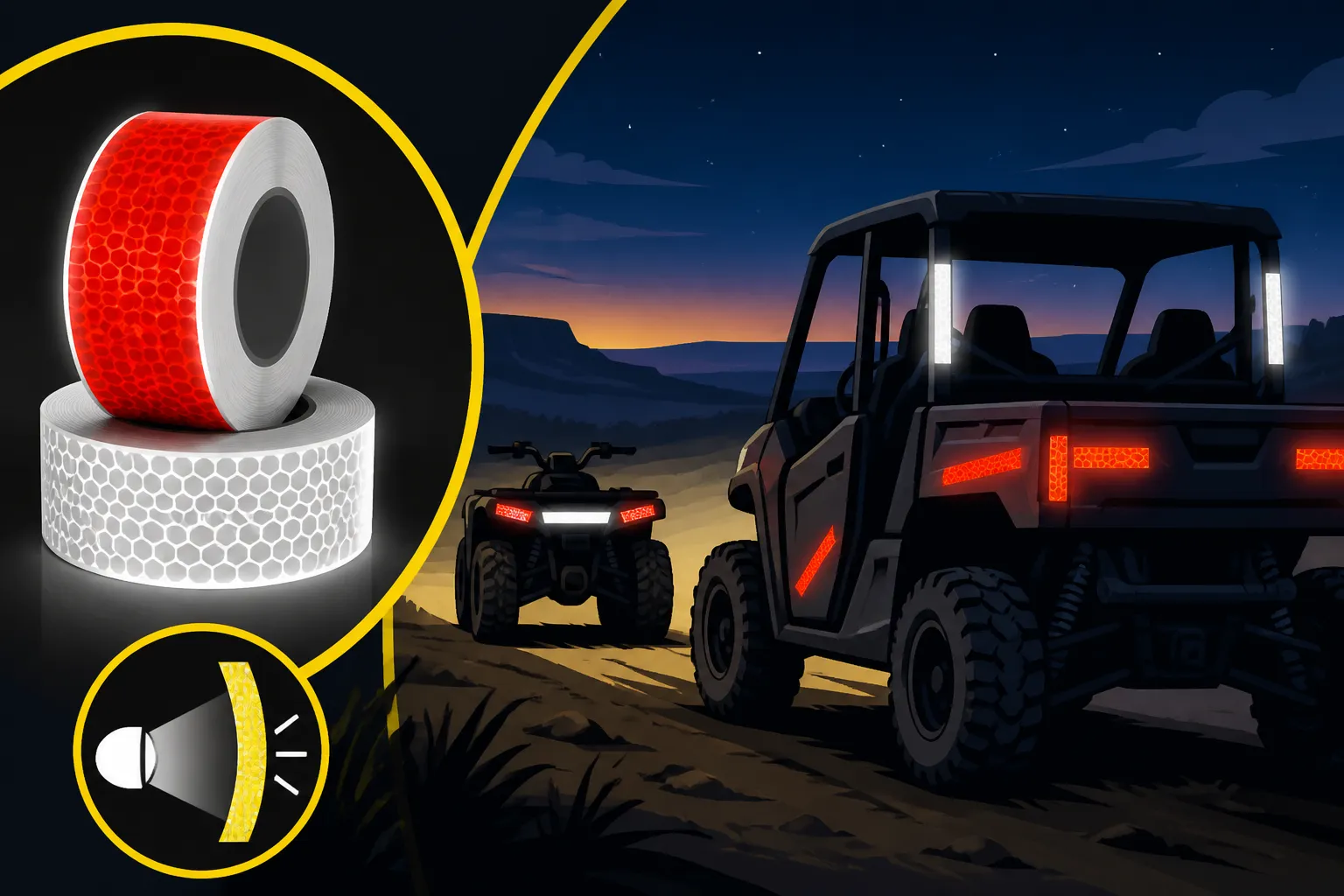
Reflective Tape for Low Light
One of the most concerning challenges for any ATV or UTV owner in North Dakota, especially during the shorter days of fall and winter, or when you just can't quit a good ride before dusk, is visibility. It's a real worry when you know that a significant portion of other drivers out there might not be expecting an off-highway vehicle on a gravel road or crossing a section line. This guide is all about how reflective tape can be a surprisingly simple, yet incredibly effective, tool to drastically improve your machine's visibility in low light, helping you ride safer and with more confidence across our wide-open spaces.
Why Reflective Tape is Your Best Friend in Low Light Conditions
Riding an ATV or UTV in North Dakota is often about freedom and exploration, but that freedom comes with a responsibility to prioritize safety, especially when the sun begins to dip below the horizon or hasn't quite peaked yet. Low light conditions, whether it's the fading light of an autumn evening or the thick fog that can roll across the prairie, present unique challenges to riders. While your machine’s active lighting system is crucial, reflective tape provides a passive layer of visibility that can be truly life-saving.
The Unseen Dangers of Dusk, Dawn, and Night Riding
Imagine you're out on a section line road, the sun is just setting, painting the sky in incredible colors. You’ve got your headlights on, and your taillights are glowing, but what about your machine's profile from the side? Or when you're stopped on the shoulder of a ditch? It’s astonishing how easily the outline of an ATV or UTV can blend into the background, even with its lights on. Other drivers, especially those in larger vehicles, might not register your presence until they are much closer than you'd like. This is particularly true in rural North Dakota, where drivers might be traveling at higher speeds and aren't always looking for smaller, off-road machines.
The dangers aren't just from other vehicles. Navigating trails or ditches in dim light means obstacles that were clear as day just an hour ago can become invisible hazards. A hidden culvert, a stray rock, or a deep rut can appear out of nowhere, leading to a sudden and dangerous incident. Reflective tape helps other riders in your group see you better, but most importantly, it significantly enhances your machine's visual footprint for anyone approaching from any angle, even if their headlights aren't perfectly aligned with yours. It gives them that extra precious second to react.
Beyond the Law: Enhancing Your Presence
North Dakota law outlines specific requirements for active lighting when operating an OHV, particularly if you're venturing onto approved roadways or even ditch bottoms. You’re required to have a white headlamp visible from a certain distance and a red taillight and brake light. [North Dakota Headlamp Distance Standards] are in place for a reason, but these active lights can only do so much. Reflective tape steps in where active lighting might fall short. It isn't a legal substitute for your headlights or taillights, but it’s a powerful, always-on supplement.
Think of reflective tape as your machine’s safety vest. Just like a construction worker or a roadside flagger wears reflective gear to stand out, reflective tape makes your OHV pop under any external light source. When a passing car's headlights sweep across your machine, the tape lights up, instantly highlighting your presence and outline. It’s a secondary warning system that doesn’t rely on your battery or electrical system, making it incredibly reliable. This added visibility can make all the difference, providing an unmistakable signal to others that there's an OHV ahead, to the side, or behind them, prompting them to slow down and exercise caution.
Understanding North Dakota's Low Light Visibility Regulations and How Tape Helps
While reflective tape is a fantastic safety enhancement, it's vital to understand that it complements, rather than replaces, the state's legal requirements for operating an off-highway vehicle in low light. North Dakota has clear rules designed to ensure everyone on or near roads can see and be seen.
Existing Lighting Requirements for OHVs
If you plan to ride your ATV or UTV after dark, or even during periods of limited visibility like heavy rain or fog, North Dakota law mandates specific active lighting. For instance, any machine operating on public roads or ditch bottoms must have at least one headlamp that emits a white light visible from a considerable distance to the front. Simultaneously, it must have at least one red taillight that is visible from the rear. And, of course, functional brake lights are non-negotiable for signaling when you’re slowing down or stopping. These rules are detailed, and it’s important to familiarize yourself with them. [North Dakota Lighting Rules on a Quad] and [North Dakota Brake Light Requirement] specifically address these points.
These active lighting systems are your primary line of defense. They tell other drivers you're there, what direction you're traveling, and when you're engaging your brakes. However, active lights can be obscured by dirt, snow, or even the angle of an approaching vehicle. They also rely on your machine's electrical system, which, while usually reliable, can experience issues. This is precisely why reflective tape earns its stripes; it’s always on, always ready to bounce back light, regardless of your electrical system’s status. [North Dakota Night Travel Direction Rule] is also important to consider when thinking about how others perceive your movement after dark.
Where Reflective Tape Fills the Gaps
Even with perfectly functioning headlights and taillights, there are scenarios where your visibility might be compromised. What if you're stopped on the side of a road changing a tire, and a vehicle approaches from an angle where your rear lights aren't fully visible? Or what if your lights get caked in mud during a particularly enthusiastic ride through a North Dakota slough? Reflective tape steps in as a critical passive safety feature.
It works by reflecting light directly back to its source, meaning that when another driver's headlights hit your machine, the tape illuminates brightly. This creates an immediate and unmistakable outline of your ATV or UTV, even if your active lights are out or obscured. It also highlights the sides of your machine, which often lack active lighting, making your full profile visible. Given the vast, often sparsely lit roads and trails in North Dakota, where the nearest town lights might be miles away, every bit of added visibility is a huge advantage. It's about maximizing your "noticeability" from all angles, ensuring that you're not just seen, but clearly identified as a vehicle, allowing others ample time to react safely.
Choosing the Right Reflective Tape and Applying It Effectively
Selecting and applying reflective tape isn't just about slapping it anywhere; it's about making informed choices to maximize your safety and ensure the tape lasts through North Dakota's demanding conditions. From the grade of the tape to its placement, every decision contributes to how effectively you’re seen.
Types of Reflective Tape for Off-Road Machines
When you’re looking for reflective tape, you'll find there’s a surprising variety. The key is to choose tape that is not only highly reflective but also durable enough to withstand the elements and abuse that off-road riding entails. Look for tapes rated for outdoor use, often referred to as "conspicuity tape" or "DOT-C2" grade, which is what you see on the back of semi-trucks. This tape is engineered for maximum brightness and longevity.
- Engineer Grade: This is often a good general-purpose reflective tape. It offers decent reflectivity and good durability for most applications.
- High-Intensity Prismatic (HIP) or Diamond Grade: These are much brighter and more expensive, using micro-prisms to reflect light more efficiently. If you want the absolute best visibility, especially for critical areas, these are your go-to.
- Colors: While white and silver are typically the brightest, bright yellow, red, or orange reflective tapes also offer excellent visibility and can provide contrast against your machine's color. Some brands, like SuperATV, even offer reflective decals designed to complement the aesthetics of your UTV or ATV while adding a layer of safety.
Crucially, consider the tape’s adhesive. It needs to be strong enough to adhere securely to plastic, metal, and painted surfaces, resisting mud, water, dust, and extreme temperature fluctuations common in North Dakota. A quality tape will be flexible enough to conform to curves and contours without lifting or peeling, keeping you visible for longer.
Strategic Placement for Maximum Visibility
The effectiveness of reflective tape largely depends on where you put it. The goal is to create a distinct, recognizable outline of your machine from all angles, especially those often overlooked by active lighting.
Here's a strategic breakdown for placement:
- Front: Apply strips along the edges of your front fenders, grille, and bumper. This helps define the width of your machine for oncoming traffic.
- Rear: Mimic the front, applying tape to the rear fenders, tailgate (for UTVs), and bumper. This is crucial for drivers approaching from behind.
- Sides: This is where reflective tape truly shines. Apply long strips along the side panels, rock sliders, and the outer edges of your roll cage (for UTVs). This creates a clear profile for cross-traffic or vehicles passing you.
- Wheels/Rims: Small strips on the rims or hubcaps can create a dynamic, noticeable effect as the wheels turn, drawing attention to your moving machine.
- Helmet: While this is for the rider, not the machine, adding reflective tape to your helmet significantly increases your head's visibility, which can be seen above the vehicle. This is especially important for younger riders who are required to wear helmets. [North Dakota Helmet Law for Riders Under 18]
- Trailer: If you're hauling a utility trailer with your ATV/UTV, ensure it also has ample reflective tape, especially along its sides and rear. [North Dakota Trailer Registration in North Dakota]
Reflective Tape Placement Guide
| Location | Benefit | Type of Tape Recommended | Key Considerations |
|---|---|---|---|
| Front Fenders | Defines width for oncoming vehicles. | High-Intensity Prismatic | Clean surface thoroughly; avoid high-wear areas. |
| Rear Fenders/Tailgate | Highlights rear profile for trailing vehicles. | High-Intensity Prismatic | Ensure it doesn't interfere with taillights/brake lights. |
| Side Panels/Roll Cage | Crucial for cross-traffic visibility; creates clear silhouette. | Engineer Grade or HIP | Long strips are most effective; conform to curves. |
| Wheels/Rims | Dynamic visibility as wheels spin; draws attention to movement. | Engineer Grade (thinner strips) | Apply evenly; clean grease off rims. |
| Helmet | Increases rider's head visibility; seen above the machine. | Small, flexible strips | Place on smooth, non-ventilated areas for best adhesion. |
| Trailer (if applicable) | Essential for legal compliance and safety when towing in low light. | DOT-C2 Conspicuity Tape | Cover sides and rear corners, mimic commercial vehicles. |
Application Tips for Durability
Applying reflective tape correctly ensures it stays put and performs its job. First, and most importantly, clean the surface where the tape will be applied thoroughly. Use rubbing alcohol or a specialized degreaser to remove all dirt, grease, and wax. A clean, dry surface is paramount for proper adhesion.
Measure and cut your tape strips precisely. Avoid stretching the tape during application, as this can lead to shrinkage and peeling over time. When applying, start from one end and slowly press the tape down, smoothing out any air bubbles with a squeegee or even a credit card. Pay extra attention to edges and corners, pressing them firmly to create a strong seal. For areas with tight curves, consider using smaller, overlapping pieces or flexible tape designed for contours. Regular inspection of your tape is also key; replace any pieces that are peeling, cracked, or significantly faded. This ensures your investment in safety continues to pay off.
Integrating Reflective Tape with Overall Low Light Safety Strategies
While reflective tape significantly boosts your visibility, it's just one component of a holistic approach to low light safety on your North Dakota ATV or UTV. A truly safe rider understands that a combination of equipment, vigilance, and good judgment is required to navigate the challenges that come with riding in dim conditions.
Other Essential Equipment for Night Riding
Reflective tape is fantastic for passive visibility, but don't forget the power of active lighting. Many riders upgrade their factory lights with brighter LED options or add auxiliary light bars for enhanced forward visibility. Brands like SuperATV offer a wide range of aftermarket lighting solutions, from powerful LED light bars that pierce through the darkest prairie nights to ditch lights that illuminate the immediate sides of your machine. These extra lights not only help you see better but also make your presence undeniably clear to others.
Beyond lighting, consider wearing reflective clothing yourself. A jacket, vest, or even gloves with reflective elements can make a huge difference in your personal visibility. Also, ensure your helmet has some reflective properties or add reflective decals to it. Always carry essential safety gear, like a first-aid kit, a small toolkit, and a fully charged cell phone (though be aware of potential dead zones in remote areas). Remember, [North Dakota Equipment Required on a Roadway] outlines basic necessities, but extra safety gear is always a wise investment.
Best Practices for Low Light Operation in North Dakota
Even with the best equipment, your riding habits play the most crucial role in staying safe in low light.
- Reduce Speed: Everything happens faster in the dark. Slowing down gives you more time to react to unexpected obstacles or changes in terrain, and it gives other drivers more time to see and react to you.
- Increase Following Distance: If you're riding with a group, leave more space between machines than you would in daylight. This allows for better visibility of the machine ahead and provides a buffer zone for sudden stops.
- Be Extra Cautious at Crossings and Intersections: These are high-risk areas. Even if you have the right-of-way, assume others may not see you. Pause, look, and listen. Consider flashing your high beams if approaching an intersection on a less-traveled road.
- Monitor Weather Conditions: North Dakota weather can change rapidly. Fog, heavy rain, or blowing snow can drastically reduce visibility for everyone, making reflective tape even more critical. If conditions become too severe, it’s best to pull over to a safe location and wait it out. [North Dakota Riding Once Snow Falls] presents specific challenges that require heightened awareness and preparation.
- Know Your Route: If possible, ride unfamiliar trails or roads during daylight hours first. Knowing the terrain reduces surprises when visibility is limited.
- Inform Others of Your Plans: Let someone know where you're going and when you expect to return, especially if riding alone.
- Be Aware of Wildlife: Dawn and dusk are prime times for deer and other animals to be active, and they are notoriously hard to spot in low light. Slowing down and scanning the ditches can help.
By combining strategically placed reflective tape with proper active lighting, appropriate gear, and vigilant riding practices, you can significantly mitigate the risks associated with low light conditions. Staying visible is the first step to staying safe, ensuring your North Dakota adventures can continue long after the sun goes down. [North Dakota Rules for Riding After Dark] provides further information on legal requirements specific to night riding. An officer performing a routine stop might ask to see your proof of registration and insurance, but also check for required lighting, so make sure everything is in order. [What an Officer Can Ask to See].
Disclaimer
This article is for general informational purposes only and does not constitute professional advice. Laws, prices and regulations vary by location and change over time. Consult a qualified professional for guidance on your specific situation.