North Dakota Speedometer and Odometer Rule
It's a common scenario for North Dakota ATV and UTV owners: you're planning a ride, maybe just a short hop down a gravel road to connect trails or access a friend's property, and suddenly you're wondering, "Does my machine really need a speedometer? And what about an odometer?" The confusion is real, and the implications for legal riding can be significant. This guide will cut through the uncertainty, explaining precisely when these instruments are required for your off-highway vehicle in North Dakota, especially when you venture onto public roadways.
The Core Rules: When Do You Need a Speedometer and Odometer in North Dakota?
Navigating the equipment requirements for your ATV or UTV in North Dakota can feel like untangling a fishing line after a windy day. It's not always black and white, but when it comes to speedometers and odometers, the context of your ride is everything. Primarily, whether these devices are legally mandated hinges on where you plan to operate your machine.
Riding Off-Highway: The Baseline Expectation
For the vast majority of pure off-highway riding – think dedicated trail systems like those at Pembina Gorge, private land, or designated riding areas – a speedometer or odometer isn't explicitly required by North Dakota law. You're out there for the thrill, for utility on your farm, or simply to enjoy nature, and the state isn't generally dictating every single gadget your machine needs for these environments. Your focus is on the terrain, the experience, and the safety of your passengers, not necessarily a precise speed reading for legal compliance.
However, just because it's not a legal requirement doesn't mean it's not incredibly useful. Many experienced riders choose to have these instruments on their machines anyway. An odometer helps you keep track of maintenance schedules – when was your last oil change, how many miles until the next belt inspection, or when should you check your valve clearances? It's invaluable for the longevity and reliability of your machine. A speedometer, even off-road, can help you maintain a safe pace for conditions, especially if you're riding with less experienced folks or trying to stay within certain limits on a shared trail. It's about smart riding, not just legal riding.
Venturing onto Public Roads: A Different Set of Standards
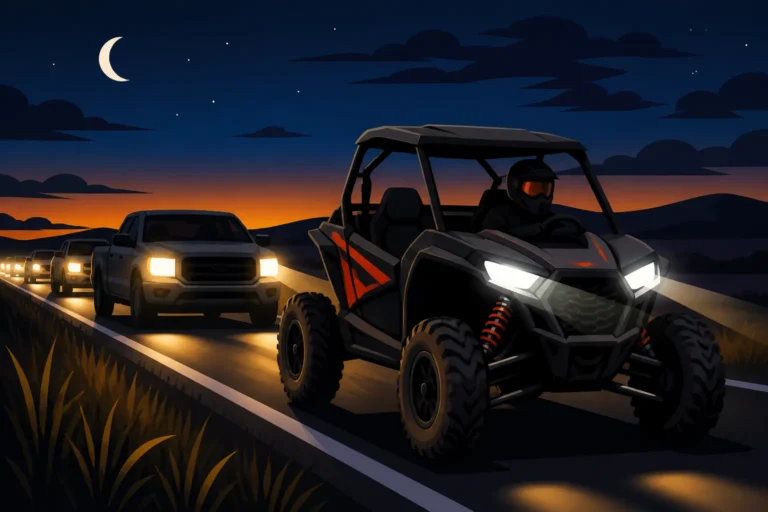
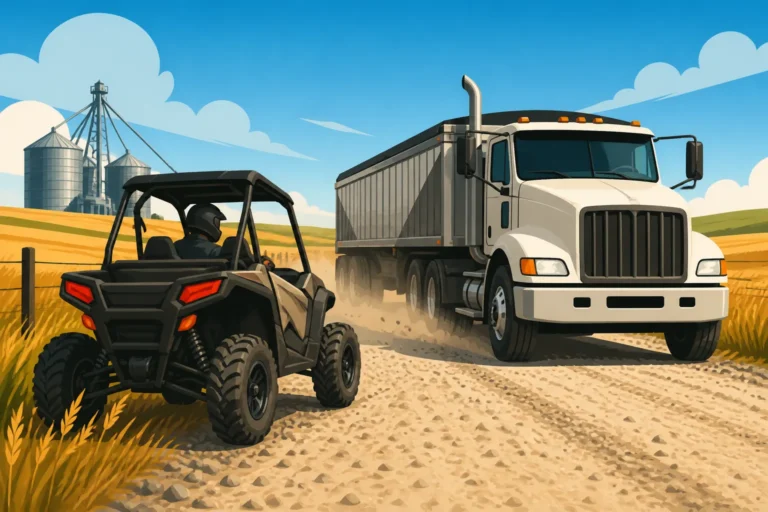
This is where the game truly changes. The moment your wheels touch a public road, whether it's a paved highway, a gravel county road, or even a section line, your off-highway vehicle transitions into a different legal category. North Dakota's laws are designed to ensure safety and order on shared public thoroughfares, and that means your ATV or UTV needs to meet certain "street legal" equipment standards. A speedometer almost always makes this list, and for good reason.
Imagine trying to adhere to a 55 mph speed limit on a paved road if you have no way of knowing how fast you're actually going. It's not just impractical; it's dangerous for you and for other motorists. Law enforcement officers also need a clear, objective way to assess if you're operating within posted speed limits. Without a functioning speedometer, compliance becomes impossible to prove or enforce. This is why, when you're sharing the road with cars and trucks, your machine needs to speak the same language of speed and measurement.
Specific Statute Requirements for Speed and Distance Tracking
While we won't dive into specific statute numbers here (because honestly, who remembers those?), North Dakota's motor vehicle laws are quite clear in their intent: any vehicle operating on public roads must be equipped to safely and legally do so. This includes having devices to measure and display speed. The underlying principle is consistency and safety across all vehicles sharing the roadway. If a vehicle can't indicate its speed, it can't safely navigate traffic flows or adhere to regulations designed for speed control.
Furthermore, the state wants to ensure that these vehicles are truly capable of road operation as defined. Your machine's ability to maintain a certain speed on the road is often a factor in its eligibility for road use. Without a speedometer, proving or even demonstrating this capability becomes inherently difficult. The expectation is that if you're on a public road, you have the necessary instrumentation to operate your machine just as responsibly as any car or motorcycle driver. This is deeply connected to broader regulations you might find in documents like [North Dakota ATV Road Rules by Surface Type] or specific rules about certain types of roads.
Understanding North Dakota's Road Use Categories and Equipment
North Dakota offers a fair amount of flexibility for OHV use, but that flexibility comes with caveats, especially when you start looking at public roads. The type of road, the class of your machine, and even its inherent capabilities all play a role in determining what equipment is mandatory.
The 30 MPH Capability Rule and Its Implications
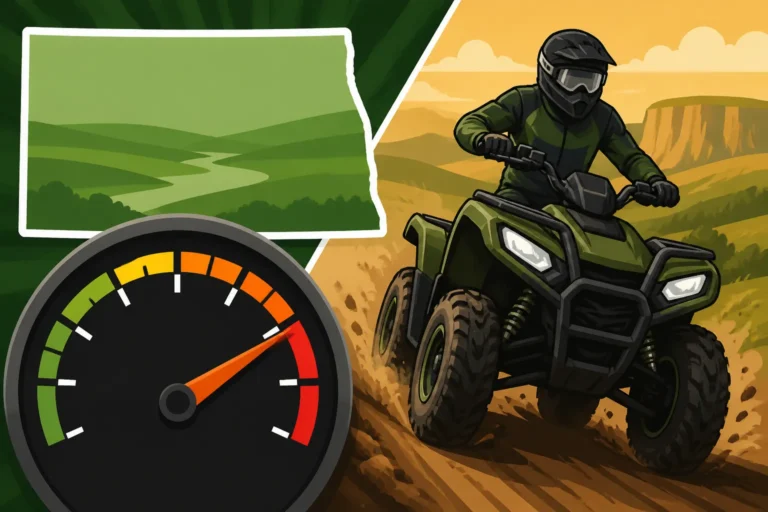
One of the foundational aspects of legal road riding in North Dakota is that your ATV or UTV must be capable of maintaining a minimum speed of 30 mph on a paved, level surface. This rule ensures that OHVs aren't becoming an undue impediment to traffic flow or a safety hazard due to excessively slow speeds. But here's the rub: how do you demonstrate that capability without a speedometer? It turns into a real "chicken-and-egg" situation. Without a reliable way to measure your speed, it's virtually impossible for you, or for a law enforcement officer, to confirm that your machine meets this critical requirement.
This isn't just about the minimum speed, either. It’s also about adhering to maximum speed limits. A gravel road might have a 55 mph limit, but that doesn't mean you should be flying down it at that speed on your ATV, nor does it mean you legally can if your machine isn't equipped to show you your current velocity. Without a speedometer, you're essentially guessing, which can lead to tickets, accidents, and a lot of preventable trouble. It ties directly into the state's intent to ensure all vehicles on its roads can operate safely and within established parameters.
Class I, II, and III Machines: Do They All Have the Same Rules?
North Dakota categorizes off-highway vehicles into different classes, and while these classifications primarily relate to their physical characteristics (like width, weight, and seating), the general equipment rules for road use tend to apply across the board. You can learn more about these categories in posts like [North Dakota Class I Machines Defined], [North Dakota Class II Width and Weight Limits], and [North Dakota Class III Machines Under 8,000 Pounds].
- Class I (ATVs): These are the traditional quads, designed for a straddle seat. Many older or more basic Class I machines might not have come with a factory-installed speedometer or odometer. If you're planning to take one of these on public roads, you'll almost certainly need to add an aftermarket solution to comply.
- Class II (Side-by-Sides): These are often larger, four-wheel machines with a non-straddle seat and a steering wheel. Many modern side-by-sides, especially those built by manufacturers like Polaris, Can-Am, or Honda, now come standard with digital dash displays that include speedometers and odometers. This makes road use considerably simpler from an equipment standpoint.
- Class III (Utility Vehicles): These are generally purpose-built vehicles, often resembling small trucks, and are designed for work. They typically come with all the standard road-going equipment, including speedometers, due to their utilitarian design.
Regardless of the class, if your machine is on a public road in North Dakota, the expectation is that it has the necessary equipment to operate safely and legally. While some Class II and Class III machines might be ready to go off the showroom floor, Class I riders often need to be more proactive in equipping their quads.
Headlamps, Brake Lights, Mirrors, and Other Road-Legal Gear
A speedometer isn't an isolated requirement for road use; it's part of a larger ensemble of essential safety equipment. When you're preparing your ATV or UTV for a road excursion in North Dakota, you need to think about the full package. Missing any one piece can land you in hot water.
For instance, you'll need at least one headlamp that illuminates the road ahead, visible from a certain distance, especially for night travel. Brake lights are non-negotiable for signaling to other drivers when you're slowing down or stopping. And don't forget mirrors! You need at least one rearview mirror, typically on the left side, to see traffic behind you. These requirements are detailed in guides like [North Dakota Mirror and Horn Requirements], [North Dakota Headlamp Distance Standards], and [North Dakota Brake Light Requirement].
The speedometer fits right into this safety framework. It's about being visible, signaling your intentions, and controlling your speed in a predictable manner. A rider might think, "I have my headlights, I'm good!" only to find that lacking a speedometer is just as much of an equipment violation. It’s a holistic approach to road safety that the state emphasizes. Ignoring any of these crucial elements means you’re not just breaking a minor rule; you’re potentially creating a hazardous situation for yourself and everyone else on the road.
Practical Considerations for Adding or Ensuring Compliance
So, you've realized your beloved off-road machine needs a speedometer or odometer to legally hit that section line. Don't sweat it! There are plenty of ways to bring your ride up to snuff, but it does require a bit of thought and sometimes, a little wrench time.
Aftermarket Solutions for Speedometers and Odometers
The good news is that the aftermarket industry for ATVs and UTVs is robust, offering a wide array of solutions if your machine didn't come with these instruments from the factory. You can find everything from simple, universal digital speedometers to more advanced GPS-based units. Brands like SuperATV, among many others, offer a variety of gauges and dash components that can integrate seamlessly, or at least functionally, into your existing setup.
When choosing an aftermarket speedometer, consider what features are most important to you. Do you want a large, easy-to-read digital display? Do you need backlight options for night riding? Some units even offer additional features like engine temperature, clock, or trip meters. Installation can range from relatively simple (especially for GPS-based units that don't require wheel sensors) to more involved, requiring wiring, sensor mounting on a wheel or driveshaft, and routing cables. Always read reviews and watch installation videos if available to gauge the complexity before you buy. The goal is to get a reliable, accurate reading that meets the spirit of the law, making your machine road-ready.
Calibration and Accuracy: Why It Matters
Simply bolting on a speedometer isn't always the end of the story. For units that rely on wheel speed sensors, calibration is crucial for accuracy. Variables like tire size (which can change if you upgrade your tires), tire pressure, and even wear can affect how accurately the speedometer reads. An uncalibrated speedometer might tell you you're going 30 mph when you're actually doing 35 mph, putting you at risk of a speeding ticket. Conversely, it might under-read, causing you to drive slower than necessary and impede traffic.
Many aftermarket speedometers come with instructions for calibration, often involving riding a known distance (like a measured mile) or inputting your tire circumference. GPS-based speedometers tend to be more accurate right out of the box since they don't rely on wheel rotation, but even these can have slight variations. The key is to ensure that whatever unit you install provides a reasonably accurate reading. An officer checking your speed with a radar gun won't care if your aftermarket gauge is off; they'll only care if you're exceeding the limit. Take the time to ensure your new equipment is working correctly.
Odometers for Maintenance and Resale Value
While the speedometer is primarily about immediate legal compliance and safety on the road, the odometer plays a vital long-term role. It tracks the total miles (or hours, for some off-road machines) your ATV or UTV has traveled. This cumulative number is incredibly important for several reasons, even if it's not always explicitly mandated for road use like a speedometer might be.
Firstly, maintenance. Every machine has a recommended service schedule based on mileage or hours of operation. Knowing your total miles helps you stay on top of oil changes, filter replacements, belt inspections, and other critical upkeep. Neglecting maintenance due to not knowing your mileage can lead to premature wear, costly repairs, and even safety hazards. Secondly, resale value. When it comes time to sell your ATV or UTV, a working odometer provides objective proof of its usage. A prospective buyer will want to know if the machine has 500 miles or 5,000 miles. A low, verifiable mileage can significantly increase your machine's perceived value and make it easier to sell. Without an odometer, you're left guessing, and buyers are often wary of machines with an unknown history. Think of it as your machine's health record – it tells a story that affects both its current condition and future worth.
| Equipment Item | Off-Highway Use (Typically) | On-Highway Use (North Dakota) | Importance for Safety |
|---|---|---|---|
| Speedometer | Not legally required | Required | High |
| Odometer | Not legally required | Typically implied for road-worthy vehicles | Medium |
| Headlamp | Recommended for low light | Required | High |
| Brake Light | Recommended | Required | High |
| Rearview Mirror | Optional | Required (at least one) | High |
| Horn | Optional | Required | Medium |
| Muffler | Required (spark arrestor) | Required | Medium |
Common Misconceptions and Consequences of Non-Compliance
It's easy to fall into traps of thinking that can lead to problems when you're riding your OHV, especially regarding road use. Understanding the realities of North Dakota law and the potential repercussions of ignoring them is vital for any responsible rider.
"It's Just a Short Hop": The Dangers of Ignoring the Rules
This is perhaps one of the most common refrains heard from riders who find themselves facing a citation: "I was only going a short distance!" or "It was just to get to the next field." The truth is, North Dakota law doesn't differentiate between a "short hop" and a long journey when it comes to required equipment for public road use. If your ATV or UTV is on a public road, even for a mere hundred yards, it's subject to the same rules as if you were cruising for miles.
The danger isn't just legal; it's practical. A "short hop" without a speedometer means you're still guessing your speed, which is risky on any stretch of road, regardless of length. You could unwittingly exceed a limit, get surprised by another vehicle, or misjudge your stopping distance. Law enforcement officers aren't going to overlook a clear equipment violation because you claim you were only going a little way. They're enforcing safety and compliance for everyone on the road. Don't let a casual attitude turn into a costly mistake.
Penalties for Equipment Violations in North Dakota
Operating an off-highway vehicle on North Dakota's public roads without the legally mandated equipment, such as a speedometer, can lead to real consequences. These aren't just minor inconveniences; they can hit your wallet and disrupt your ride. You might find yourself pulled over and issued a citation. While the specific fines can vary, even a "basic OHV violation" can set you back. Consider reviewing resources like [North Dakota Penalties for Riding Unregistered] or [A Basic OHV Violation Now Costs $50] to understand the financial implications.
Beyond the immediate fine, an equipment violation could lead to other headaches. An officer might deem your machine unfit for road travel until the issue is rectified, potentially leaving you stranded or requiring you to trailer your OHV home. Repeated violations could lead to more severe penalties. It's not worth the risk for something as easily remedied as adding a speedometer or ensuring your machine has proper lighting. The state is serious about road safety, and that extends to all vehicles sharing its pavement and gravel.
Insurance and Liability Issues Without Proper Equipment
This is where ignoring equipment rules can have the most profound and devastating impact. Many riders assume their insurance policy will cover them in any incident, but that's not always the case, especially if you were operating illegally. If you're involved in an accident while riding your ATV or UTV on a public road without a legally required speedometer (or any other essential equipment), your insurance provider might deny your claim.
Why? Because operating illegally could be seen as a breach of your policy terms. If the lack of a speedometer contributed to the accident (e.g., you were speeding unknowingly), or even if it just put you in non-compliance with the law, your insurer might argue that you were operating outside the conditions under which they agreed to provide coverage. This could leave you personally liable for damages, medical bills, and legal fees, which can quickly add up to tens or even hundreds of thousands of dollars. It's a risk no rider should take. Always ensure your machine is fully compliant with all state laws before hitting public roads, and check your policy to understand what [North Dakota Insurance Requirements at Registration] and [North Dakota Insurance Rules for OHV Riders] truly mean for your coverage.
Navigating Grey Areas and Future-Proofing Your Ride
The world of OHV riding is always evolving, as are the rules that govern it. While some things are clear-cut, other areas can feel a bit murky, and it's always wise to anticipate future changes to ensure your ride stays compliant and enjoyable.
Proving "30 MPH Capability" Without a Speedometer
This is a classic Catch-22. North Dakota law states that a machine must be capable of maintaining at least 30 mph on a paved, level surface to be legally operated on most public roads. But if you don't have a speedometer, how do you prove that capability to an officer? It becomes a matter of subjective judgment versus objective measurement, and often, the objective measurement wins in a legal context.
Without a speedometer, you'd have no real-time way to show you're meeting that minimum speed, or, perhaps more importantly, that you could meet it if challenged. An officer would have to rely on their estimation, your word, or potentially test your machine, none of which are ideal scenarios. This scenario highlights precisely why a functioning, accurate speedometer isn't just about avoiding tickets; it's about providing concrete evidence of your machine's compliance with foundational road-use rules. Equipping your machine with one effectively solves this problem before it even starts, giving you peace of mind and clear data.
The Evolving Landscape of OHV Road Legality
Laws and regulations around off-highway vehicles are not static. As the popularity of ATVs and UTVs grows, and as more riders seek to use them for various purposes, states often revisit and update their statutes. What might be permissible today could change tomorrow. For example, North Dakota itself recently saw changes with [North Dakota Rules That Changed With HB 1346]. This legislative activity often trends towards greater regulation and more stringent safety requirements, especially concerning road use.
Staying informed about legislative changes at both the state and local levels is crucial. Joining local OHV clubs, subscribing to state park and recreation newsletters, or periodically checking the North Dakota Department of Transportation website can help you stay ahead of the curve. The goal is to "future-proof" your ride as much as possible, ensuring that your investment in equipment like a speedometer remains compliant for years to come. Don't assume that once you're compliant, you're always compliant; the rules of the road can shift.
Beyond the Law: Responsible Riding Practices
Ultimately, while legal compliance is paramount, equipping your ATV or UTV with a speedometer and odometer also boils down to being a responsible rider. These tools aren't just about avoiding a ticket; they're about enhancing your safety and the longevity of your machine. Knowing your speed helps you react appropriately to changing conditions, navigate curves safely, and maintain proper following distances from other vehicles, whether on a trail or a paved road.
An odometer is your machine's diary, telling you when it's time for routine maintenance that prevents breakdowns and prolongs its life. By proactively installing and maintaining these devices, you're not just adhering to North Dakota's rules; you're adopting best practices that benefit you, your machine, and everyone you share the trails and roads with. It's part of the comprehensive approach to enjoying the great North Dakota outdoors responsibly and safely.
Disclaimer
This article is for general informational purposes only and does not constitute professional advice. Laws, prices and regulations vary by location and change over time. Consult a qualified professional for guidance on your specific situation.