North Dakota Rules for Crossing a Highway
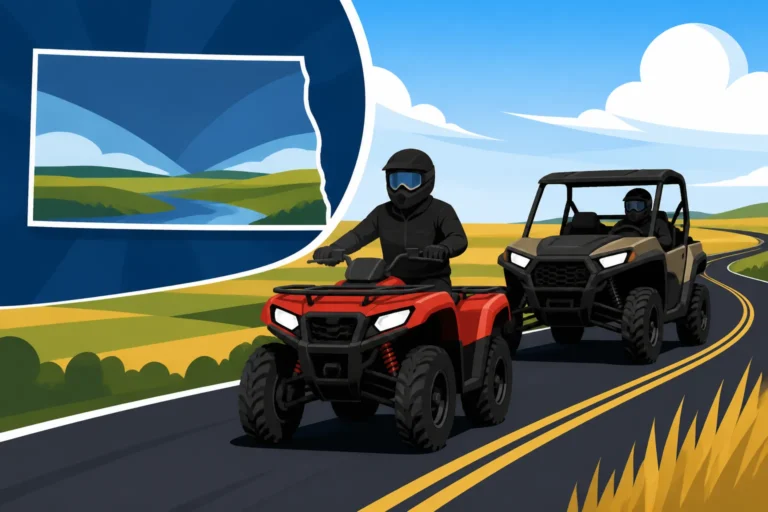
Navigating North Dakota's vast and open landscapes on your ATV or UTV is an incredible experience, but it comes with a unique set of rules, especially when you need to cross a paved highway. It can be incredibly confusing trying to figure out where you can legally ride, what equipment you need, and how to safely get from one ditch line or trail to another when a busy road stands in your way. This guide will clarify the specific North Dakota rules for crossing a highway, helping you ride confidently and legally.
Understanding North Dakota's General Road Rules for OHVs
Before we dive into the specifics of highway crossings, it’s crucial to understand the foundational principles that govern OHV operation on any public roadway in North Dakota. Many riders assume that because they're on an off-highway vehicle, roads are simply off-limits, full stop. While that’s largely true for prolonged travel, there are specific allowances that often surprise people, and these set the stage for how highway crossings are handled. It’s not as black and white as you might think, and knowing the nuances can keep you out of trouble and ensure your adventures continue uninterrupted.
The "Closed Unless Opened" Principle
North Dakota law generally operates on a "closed unless opened" principle for OHVs on roadways. What this means in practice is that major state highways and certainly interstates are typically considered closed to OHV travel, unless a specific statute or local ordinance grants permission. This is a critical distinction because it guides all other rules, including how you can interact with these roads. You can't just hop on a paved road and cruise for miles, even if you’re only trying to get to a gas station or a friend’s property. The intent behind the law is to keep off-highway vehicles primarily off-highway, reserving the public road system for vehicles designed for high-speed travel and traffic interaction.
However, this doesn't mean all roads are off-limits for every type of use. For instance, many gravel roads and township roads are open to OHVs under certain conditions, and the ubiquitous ditch lines that run parallel to many roads are often perfectly legal places to ride. The challenge arises when your ditch line or gravel path is interrupted by a primary highway, forcing you to briefly interact with traffic. This interaction is where the "crossing" rules come into play, providing a narrow window of legality for an otherwise prohibited activity. Understanding this framework helps you appreciate why crossings have such strict requirements. [North Dakota Rules for Riding a Gravel Road]
Key Equipment Requirements for Road Use
Even for the briefest interaction with a public highway, whether it's riding along a section line or making a quick crossing, your OHV needs to meet certain basic equipment standards. This isn't just about being visible; it's about ensuring your machine can communicate its presence and intentions to other drivers, just like any other vehicle on the road. Many stock ATVs and UTVs might not come equipped with everything necessary right off the dealer lot, so it's vital to check your machine thoroughly before you even think about putting a tire on pavement.
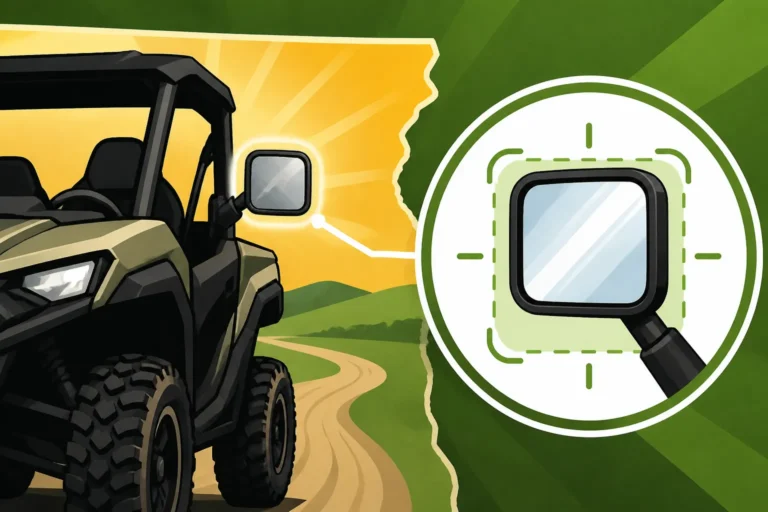
Specifically, North Dakota law requires OHVs operating on roadways to have working headlamps, tail lamps, a horn, and at least one rearview mirror. The headlamp must be visible from 500 feet, and the tail lamp from 300 feet. Your machine must also be capable of traveling at least 30 miles per hour if you plan to use it on any road where OHV travel is generally permitted. While a speedometer isn't strictly mandated for all road use, it's certainly helpful for staying within any posted speed limits. Companies like SuperATV offer a wide range of aftermarket accessories, including universal mirror kits, robust lighting solutions, and even turn signal kits, that can help bring your off-road machine into compliance with these rules. Upgrading your lights, for example, not only makes you more visible to motorists but also significantly improves your own visibility if you're riding after dark, which also has its own set of specific rules. [North Dakota Rules for Riding After Dark]
Beyond the required components, think about general safety. Are your tires in good condition? Is your exhaust system working properly and not excessively loud, which could lead to noise complaints? While not explicitly required for a quick crossing, ensuring your machine is well-maintained contributes to overall safety and reliability, reducing the risk of a breakdown in a vulnerable position. Being prepared means not just knowing the rules, but also ensuring your vehicle is ready to meet them safely and effectively, especially when sharing space with faster-moving traffic. [North Dakota Equipment Required on a Roadway]
Specific Rules for Crossing a Highway in North Dakota
When you encounter a paved highway while enjoying a ride through North Dakota's ditches or trails, the rules for crossing are very particular. This isn't an invitation to briefly join the flow of traffic; it's a narrowly defined exception designed for practical access, not general transit. The law prioritizes safety for both OHV riders and other motorists, meaning these crossings must be executed with extreme caution and precision. It’s often the moment of highest risk for an OHV rider, so understanding and strictly adhering to these guidelines is non-negotiable.
The "Directly Across" Rule
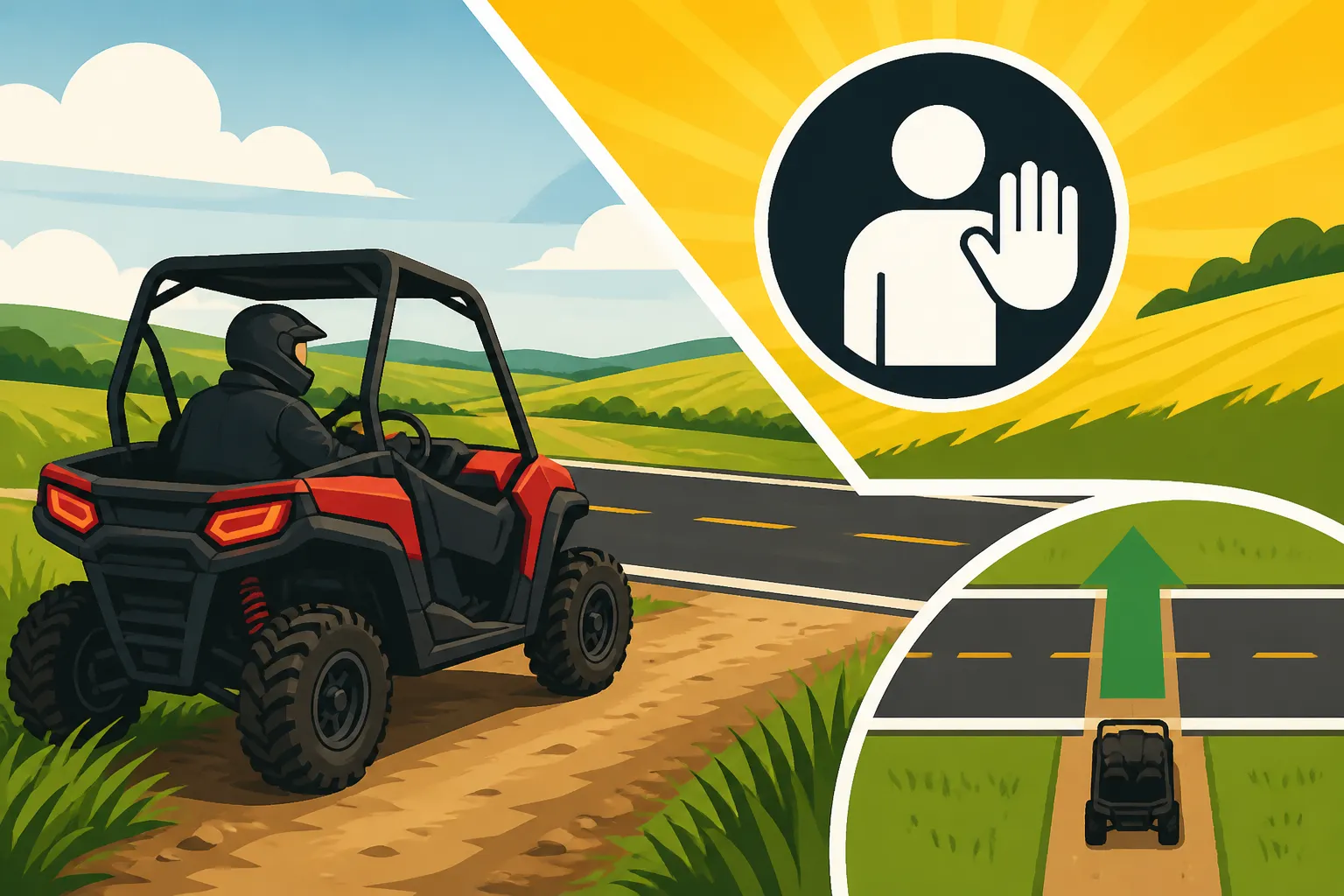
North Dakota law is quite clear: when crossing a highway, your OHV must proceed directly across, at approximately a ninety-degree angle to the roadway. This isn't just a suggestion; it's a legal requirement. The intent behind this rule is to minimize the time your vehicle is exposed to fast-moving traffic and to make your path predictable for other drivers. You cannot "angle" across or drive parallel to the highway even for a short distance before completing your crossing. Imagine drawing a straight line from one side of the road to the other – that's your legal path.
This means you need to approach the highway, come to a complete stop, assess traffic in both directions, and then make a swift, direct crossing. You should not attempt to drive along the shoulder for any distance to find a "better" crossing point if it means moving parallel to traffic. If you need to access a property or a different ditch line that isn't directly opposite your current position, you might need to find an alternative route that avoids the highway or involves navigating via a side road that allows OHV travel. The key is to make your crossing as short, direct, and predictable as possible, reducing the element of surprise for other drivers. This "directly across" mandate is a cornerstone of safe and legal highway interaction for OHVs.
Yielding and Safety Precautions
Safety is paramount when crossing any public highway, and North Dakota law places the burden squarely on the OHV operator to ensure it. You are legally required to yield the right-of-way to all other vehicles on the highway. This means you must wait until the roadway is clear enough to complete your crossing without impeding the flow of traffic or creating a hazard. It's not a race; it's a careful maneuver that requires patience and good judgment. Don't assume other drivers see you, even if your machine is brightly colored or equipped with flags.
Before you even approach the edge of the pavement, slow down significantly and be prepared to stop. Look left, then right, then left again, just as you would when crossing on foot. Make eye contact with any approaching drivers if possible, and wait until there's ample space for you to cross completely. Consider visibility; if there's a blind curve or crest, try to find an alternative crossing point with better sightlines, even if it means backtracking a bit. Avoid crossing at dusk or dawn if possible, as these are times of reduced visibility for all drivers. If you must cross during these times, ensure all your lights are operational and consider wearing reflective gear. Remember, a quick, decisive crossing once the path is clear is safer than a hesitant one that might leave you lingering in a traffic lane. Your safety, and the safety of others, depends on these precautions.
When Crossing is NOT Just Crossing (and What to Do Instead)
Sometimes, what feels like a simple crossing in your mind can actually be viewed differently under North Dakota law, leading to potential citations or dangerous situations. It’s important to distinguish between a legitimate, direct crossing and other forms of road interaction that might be illegal or require different procedures. Misinterpreting these distinctions is a common mistake that riders make, often unknowingly violating regulations designed to keep everyone safe.
Ditch Riding and Road Intersections
North Dakota has some of the most accommodating ditch riding laws in the country, allowing OHVs to travel in the right-of-way ditches alongside many public roads. This provides a fantastic network for exploration and connectivity between private lands or other riding areas. However, these ditch lines don't exist in a vacuum; they inevitably intersect with cross roads and highways. When you're riding in a ditch and encounter a paved road, the principles of a direct crossing still apply, even if you intend to immediately re-enter the ditch on the other side. You cannot simply continue your ditch ride across the pavement without following the explicit rules for crossing.
This means that as you approach an intersection while riding in the ditch, you must stop, yield to all traffic on the intersecting road, and then cross directly over to the ditch line on the opposite side. You can't just follow the curve of the road or cut across if it means lingering on the paved surface or traveling parallel to traffic. While you might be tempted to cut corners, especially if you're in a hurry or the ditch access looks difficult, resisting this urge is crucial for safety and legal compliance. Some local ordinances, enacted by counties or cities, might even place further restrictions on how you can operate in or around ditches within their jurisdiction, so it's always wise to check local rules before you ride. [North Dakota Ditch Riding: The Legal Right Explained] Navigating these ditch crossings safely often requires the same vigilance as crossing a major highway, even if the intersecting road is less traveled.
Interstates and Controlled-Access Highways
There's one major category of highway where the "crossing" rules generally do not apply, and that's interstates and other controlled-access highways. These roads are specifically designed for high-speed, uninterrupted travel, and virtually all OHV activity, including crossing, is prohibited. Unlike other state highways or county roads, interstates have limited access points, high traffic volumes, and speeds that make OHV interaction inherently dangerous and illegal. You simply cannot operate an OHV on an interstate, period, even for a quick dash across.
The design of controlled-access highways, with their multiple lanes, high speeds, and lack of at-grade crossings, fundamentally separates them from the environment where OHVs are permitted to operate. Attempting to cross an interstate on an OHV would not only be a severe violation of law but would also put you and countless other motorists at extreme risk. If your route on an OHV is interrupted by an interstate, you must find an alternative path, which usually means trailering your machine across, or finding a bridge or underpass that allows for other forms of travel. There are no exceptions for emergencies or convenience; [North Dakota Interstates Are Never Open] are just that – never open to OHVs. Understanding this distinction is vital for safe and legal riding across North Dakota.
Penalties and What an Officer Looks For
Riding an OHV in North Dakota is a privilege, and with that privilege comes the responsibility to adhere to the laws designed to keep everyone safe. Disregarding the rules, especially those pertaining to road use and highway crossings, can lead to more than just a stern talking-to. The state has specific penalties in place, and law enforcement officers are trained to identify violations, which can quickly turn a fun day of riding into a costly and frustrating experience. Knowing what an officer looks for and the potential consequences can help reinforce the importance of compliance.
Understanding the Fines and Citations
If you're caught violating North Dakota's OHV laws, particularly those related to improper highway crossing or unauthorized road use, you could face significant fines and potential legal trouble. Minor infractions, such as failing to have the correct equipment for road operation, might result in a basic citation. However, more serious offenses, like reckless operation during a crossing or operating an OHV on a prohibited roadway like an interstate, could lead to more substantial fines, impoundment of your vehicle, and even charges such as a Class B misdemeanor. This isn't just a slap on the wrist; a misdemeanor can have lasting implications beyond the immediate financial penalty.
The cost of these fines can add up quickly, especially if multiple violations are noted. For example, if you're missing required lights, don't have a mirror, and cross a highway improperly, you could be cited for each offense. [North Dakota Penalties for Riding Unregistered] can give you a sense of the potential financial hit, and these costs are usually just the beginning. There might also be court costs, and repeat offenses could lead to even harsher penalties, including suspension of your driving privileges for other vehicles. It's simply not worth the risk. Adhering to the rules, even the seemingly minor ones, is a small price to pay to avoid the headaches and financial drain of a citation.
Staying Compliant and Prepared
The best way to avoid penalties is to stay fully compliant with North Dakota's OHV laws, especially when interacting with public roads. This starts with a thorough understanding of the regulations specific to your machine type and the areas you plan to ride. Before each ride, perform a quick check of your OHV to ensure all required equipment is in working order: headlamps, tail lamps, horn, and rearview mirror. If you've been using your machine primarily off-road, it's easy for these items to become damaged or covered in mud, so a pre-ride inspection is crucial. SuperATV offers robust replacement parts and upgrades for all these components, ensuring your machine is always ready for legal road interaction.
Beyond equipment, always carry your necessary documentation. [What an Officer Can Ask to See] includes your OHV registration, proof of ownership, and if you're under 16, your safety certificate. While North Dakota doesn't generally require OHV insurance for private land use, it's always a good idea to have liability coverage, especially if you ever venture onto public lands or operate near roads. Officers are primarily looking for safe and responsible riders who respect the law and the safety of others. By being prepared, knowledgeable, and respectful, you significantly reduce your chances of encountering any legal issues, allowing you to enjoy the vast and beautiful riding opportunities North Dakota has to offer.
Here’s a quick overview of road interactions for OHVs in North Dakota:
| Type of Road Interaction | Legal Status | Key Conditions/Requirements |
|---|---|---|
| Direct Highway Crossing | Generally Permitted | Must be direct (90-degree angle), yield to all traffic, use required equipment, cross safely and quickly. |
| Ditch Riding | Often Permitted | Allowed in many highway rights-of-way, but specific county/city ordinances may restrict. Still need to cross roads legally. [North Dakota Ditch Riding: The Legal Right Explained] |
| Gravel Roads | Often Permitted | Open to registered OHVs in many areas unless specifically posted otherwise. Required equipment and speed capability needed. [North Dakota Rules for Riding a Gravel Road] |
| Paved Roads (non-highway) | Limited Permission | Generally restricted, except for direct crossings, specific agricultural use, or where posted open by local ordinance. [North Dakota Rules for Riding a Paved Road] |
| Interstates/Controlled-Access Highways | Never Permitted | Strictly prohibited for OHV travel or crossing under any circumstances. Find alternative routes. [North Dakota Interstates Are Never Open] |
| Section Lines | Often Permitted | Can be ridden, but proper equipment and adherence to crossing rules apply when intersecting other roads. |
Disclaimer
This article is for general informational purposes only and does not constitute professional advice. Laws, prices and regulations vary by location and change over time. Consult a qualified professional for guidance on your specific situation.