Reckless Operation as a Misdemeanor
There's nothing quite like the freedom of exploring North Dakota's expansive landscapes on your ATV or UTV. But as exhilarating as it can be, the peace of mind can quickly vanish if you find yourself facing serious legal trouble, like a charge of reckless operation. Many riders don't fully grasp just how easily a fun afternoon can turn into a legal nightmare, burdened by hefty fines, potential jail time, and a criminal record. This guide will meticulously break down what "reckless operation" means in North Dakota for off-highway vehicle (OHV) riders, the severe consequences of such a charge, and how to ensure your adventures stay on the right side of the law.
What "Reckless Operation" Really Means for North Dakota ATV/UTV Riders
When you hear "reckless operation," it might conjure images of extreme stunts or high-speed chases. While those certainly fit the bill, the reality for ATV and UTV riders in North Dakota can be much broader and sometimes even unintentional. The law isn't just looking for someone trying to deliberately cause harm; it's looking for a disregard for safety that goes beyond a simple mistake.
Beyond Simple Mistakes: The Intent Factor
In North Dakota, "reckless operation" isn't just about making a bad judgment call or accidentally veering off course. The legal definition often involves a "willful or wanton disregard for the safety of persons or property." What does that really mean when you're out riding your quad or side-by-side? It means your actions show a conscious indifference to the potential risks your behavior poses to others or their belongings.
Think of it this way: a simple mistake, like misjudging a turn on a gravel road and sliding a bit, is usually not reckless. However, intentionally speeding through a residential area at twice the posted limit, weaving between parked cars, or performing "donuts" in someone's yard, even if you don't hit anything, could very well be seen as reckless. Your actions indicate you knew, or should have known, that what you were doing was inherently dangerous to others or their property, and you chose to do it anyway. It's about the state of mind behind the action, rather than just the outcome. For instance, if you're riding your UTV on a gravel section line after dark without adequate lighting and almost cause a collision because you couldn't be seen, an officer might interpret that as a wanton disregard for safety, especially if you had other lighting options available. It’s not about the crash itself, but the choices that led to the dangerous situation.
Where Reckless Operation Applies: Public Roads and Beyond
It's a common misconception that "reckless operation" charges only apply if you're riding on paved highways. The truth is, in North Dakota, this law extends to practically any area where your OHV can be operated, including public roads, improved shoulders, back-slopes, ditch bottoms, section lines, and even private land if your actions impact the public or neighboring property. This means that whether you're cruising down a gravel county road, navigating a permitted ditch route, or riding on a friend's farm, you are expected to operate your machine responsibly.
For example, many riders enjoy [North Dakota Ditch Riding: The Legal Right Explained], but even in these areas, there are rules. If you're speeding excessively in a ditch adjacent to a busy highway, kicking up huge amounts of dust that obscure visibility for motorists, that could easily be construed as reckless. The same goes for riding on a private field but dangerously close to a public road, performing stunts that could send your machine or debris flying into traffic. Even on private property, if your actions create a public nuisance or endanger people on adjacent public land, you're not immune from charges. Law enforcement isn't confined to pavement; they have jurisdiction wherever public safety is at risk. So, whether you're traversing a rural backroad or exploring an open field, always remember that responsible operation is key. Showing off might seem harmless in the moment, but the legal consequences can be anything but.
The Serious Consequences: Why It's a Misdemeanor in North Dakota
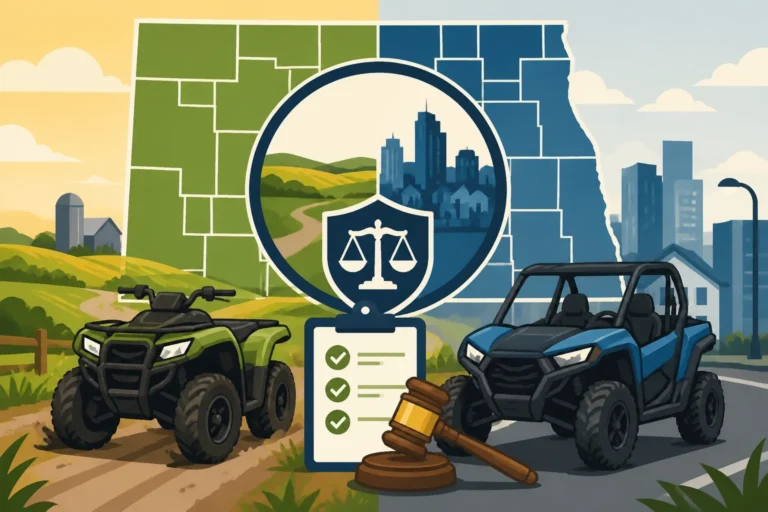
Facing a reckless operation charge for your ATV or UTV is far from a simple traffic ticket. In North Dakota, this offense is classified as a Class B Misdemeanor, a criminal charge that carries significant weight and can impact your life long after the dust settles. It's not something to brush off as just "getting caught."
Understanding the Class B Misdemeanor Classification
When an offense is classified as a Class B Misdemeanor in North Dakota, it means the potential penalties are quite severe. We're talking about more than just a small fine. A conviction can lead to up to 30 days in jail, a fine of up to $1,500, or both. This isn't a parking ticket or a minor speeding infraction; it's a criminal record that goes on your permanent file. Think about the immediate disruption: losing your freedom for a month, having a substantial financial hit, and the stress of court appearances and legal fees. For many, just the thought of sitting in a jail cell for even a few days is enough to reconsider any risky behavior.
Beyond the immediate penalties, having a Class B Misdemeanor on your record can create long-lasting problems. It can affect your ability to secure certain types of employment, especially jobs requiring background checks or positions of trust. It might impact housing applications, professional licensing, or even your eligibility for certain educational programs. What a Class B Misdemeanor Means in North Dakota] for a more in-depth understanding of how serious this classification truly is. It's a stark reminder that operating your OHV isn't just about the thrill; it's about a responsibility that carries real legal weight.
Beyond Fines: Other Painful Penalties and Long-Term Impacts
The consequences of a reckless operation conviction extend far beyond the initial fines and potential jail time. You might face the impoundment of your ATV or UTV, meaning you lose access to your machine, potentially for an extended period, and incur additional fees for its storage and release. Your driving privileges could be suspended, even if the offense was on an OHV and not your car, because the state views irresponsible operation as a sign of overall recklessness on the road. This means losing your ability to commute, pick up groceries, or perform other daily tasks.
Then there's the financial hit that keeps on hitting: your insurance rates. After a reckless operation conviction, your OHV insurance, and potentially even your auto insurance, could skyrocket. Insurance companies view such a conviction as a major red flag, indicating you're a high-risk driver, which translates directly into higher premiums. You might find yourself struggling to find affordable coverage, or even coverage at all. [North Dakota Insurance Requirements at Registration] often outline minimums, but a conviction can push you far beyond those baseline costs. Furthermore, a criminal record can haunt you for years, affecting everything from international travel to future firearm purchases, depending on the specifics of the charge and your state's laws. For instance, some employers might conduct extensive background checks, and a misdemeanor conviction could be a significant barrier to getting a new job or promotion. It’s crucial to understand that [North Dakota Penalties for Riding Unregistered] or other infractions might seem minor compared to the lasting impact of a criminal conviction for reckless operation. The financial strain, the loss of privileges, and the stain on your record can make a momentary lapse in judgment incredibly costly in the long run.
How to Avoid a Reckless Operation Charge
Nobody wants to face a criminal charge, especially when they're just trying to enjoy their passion for off-roading. Avoiding a reckless operation charge comes down to a combination of conscious decisions, continuous education, and a deep respect for the rules and those around you. It's about being a responsible ambassador for the OHV community.
Ride Defensively and Responsibly
The single most effective way to avoid a reckless operation charge is to always operate your ATV or UTV defensively and responsibly. This means adhering to posted speed limits, whether you're on a gravel road, a designated trail, or even a section line. Just because a road is less traveled doesn't mean it's a free-for-all. Always maintain control of your machine, be aware of your surroundings, and anticipate potential hazards, such as hidden approaches, livestock, or other vehicles. Using proper signaling, especially when turning onto or off public roads, helps prevent misunderstandings and accidents.
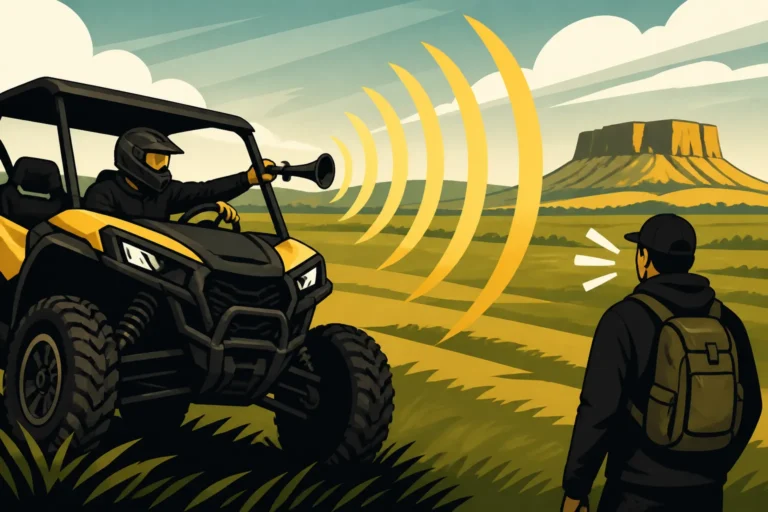
Beyond just the law, good riding etiquette is crucial. Avoid kicking up excessive dust near homes or other vehicles, and keep noise levels reasonable, especially in residential or sensitive areas. Make sure your machine is properly maintained, with working brakes, lights, and a functional muffler. Most importantly, never operate your OHV under the influence of alcohol or drugs. This isn't just irresponsible; it's illegal and significantly increases your risk of both accidents and reckless operation charges. [North Dakota DUI Rules for OHV Riders] are just as strict for OHVs as they are for cars, and impaired judgment is a fast track to criminal trouble. A moment of poor judgment can erase years of responsible riding.
Know the Rules: Education is Your Best Defense
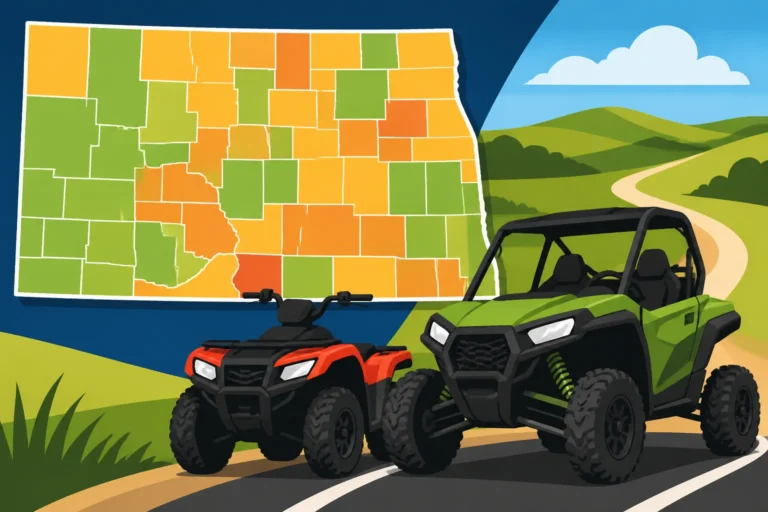
Ignorance of the law is never a valid defense, especially when it comes to operating an OHV. North Dakota has specific statutes and regulations governing where and how ATVs and UTVs can be ridden. Taking the time to understand these rules is paramount. This includes understanding speed limits on various road types, where you can legally ride in ditches, and what equipment is required for road use. Many municipalities and counties also have local ordinances that can further restrict OHV use, so a quick call to local law enforcement or checking county websites before you ride in a new area is always a smart move.
Consider investing in an OHV safety course, even if you're an experienced rider. These courses not only teach safe riding techniques but also cover the laws specific to North Dakota. For younger riders, completing [North Dakota Safety Certificates at Age 12] is often a requirement and provides foundational knowledge for responsible operation. Being informed about [What North Dakota's OHV Law Requires of Owners] ensures that you're not inadvertently breaking a rule that could escalate into a more serious charge if combined with risky behavior. A well-informed rider is a safe and legal rider, and knowledge is truly your best defense against charges of reckless operation.
Respect Private Property and Public Etiquette
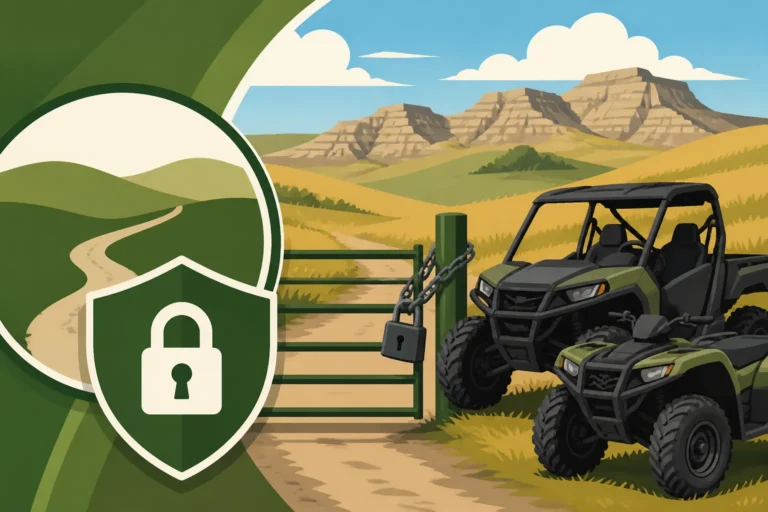
A significant portion of North Dakota's landscape is privately owned, and respecting private property is not just good manners, it's the law. Never ride on private land without explicit permission from the landowner. Even if a gate is open or there are no visible "No Trespassing" signs, assume it's private and seek permission. [North Dakota Posted Land Rules for Riders] are clear: if land is posted, you need permission, and electronic posting is also becoming more common. Trespassing, especially if combined with unsafe or destructive behavior, can quickly turn into a reckless operation charge, in addition to civil liabilities.
Beyond legal boundaries, practicing good public etiquette helps maintain a positive image for all OHV riders. This means being mindful of noise, especially early mornings or late evenings, and avoiding actions that could damage fields, crops, or infrastructure. Slow down when passing homes or livestock, and always leave gates as you found them. Remember, the actions of a few irresponsible riders can lead to stricter regulations for everyone. By showing respect for property, people, and the environment, you not only avoid potential charges but also help ensure that riding opportunities remain open for years to come.
Here's a quick comparison to highlight the difference between a minor infraction and reckless operation:
| Feature | Minor Traffic Violation (e.g., speeding ticket) | Reckless Operation (Class B Misdemeanor) |
|---|---|---|
| Legal Classification | Infraction, non-criminal | Criminal charge (misdemeanor) |
| Severity | Less serious | Very serious |
| Intent Required | Typically none (simple negligence) | Willful or wanton disregard for safety/property |
| Typical Penalties | Fines, points on license | Fines (up to $1,500), jail time (up to 30 days), or both |
| Impact on Record | Driving record points, may affect insurance | Criminal record, significant insurance impact, license suspension |
| Long-Term Consequences | Primarily financial, minor driving record impact | Employment barriers, housing issues, potential loss of rights, significant financial burden |
| Machine Impoundment | Unlikely | Possible |
Navigating the roads and trails of North Dakota on your ATV or UTV is a fantastic experience, and one that should be enjoyed responsibly and safely. Understanding what constitutes "reckless operation" and the severe consequences of such a charge is crucial for every rider. By prioritizing defensive riding, knowing the specific laws, and showing respect for both public and private property, you can ensure your adventures remain thrilling, legal, and free from the heavy burden of a criminal record. Stay informed, ride smart, and keep North Dakota's riding opportunities open for everyone.
Disclaimer
This article is for general informational purposes only and does not constitute professional advice. Laws, prices and regulations vary by location and change over time. Consult a qualified professional for guidance on your specific situation.