North Dakota Rules for a Visiting Montana Rider
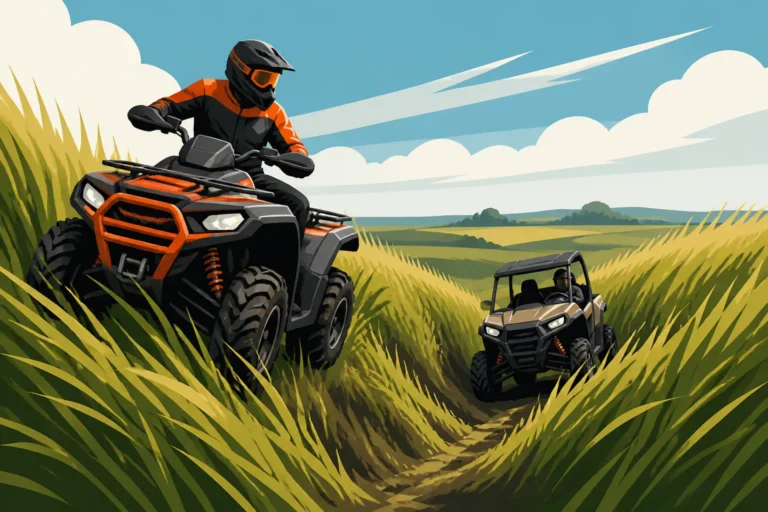
Heading out for a thrilling OHV adventure in a new state can be incredibly exciting, but the sheer thought of navigating unfamiliar laws and permit requirements can quickly dampen your enthusiasm. It's especially true when crossing state lines from Montana into North Dakota, as the rules for ATVs and UTVs can differ significantly. This guide is here to untangle the complexities, ensuring you understand exactly what a visiting Montana rider needs to know to enjoy North Dakota's expansive prairies and trails legally and safely.
Navigating North Dakota's Non-Resident OHV Permit System
One of the biggest questions we hear from folks traveling from states like Montana is about registration. In North Dakota, if you're just visiting for a shorter period, you don't necessarily have to jump through all the hoops of full North Dakota registration for your off-highway vehicle (OHV). However, there are specific requirements for non-residents that you absolutely need to be aware of before your wheels hit the dirt. It's a system designed to ensure all riders contribute to trail maintenance and are accountable, without burdening short-term visitors with full-blown registration processes.
Understanding the 30-Day Visitor Threshold
North Dakota offers a specific exemption for out-of-state OHVs that are properly registered and plated in their home state – in your case, Montana. You're allowed to operate your machine in North Dakota for up to 30 consecutive days without needing a North Dakota non-resident permit. This is fantastic news for weekend warriors or those taking a quick trip to explore a new area. However, the moment your stay extends beyond that [North Dakota's 30-Day Out-of-State Rule], or if your Montana machine isn't registered in its home state, you'll need to obtain a North Dakota non-resident permit. It's a common misunderstanding that if you're just passing through, you don't need anything, but that 30-day clock starts ticking the moment you arrive. Always err on the side of caution and understand your duration of stay.
Imagine you've driven from Miles City, Montana, for a two-week hunting trip near Bismarck. Your Montana registration is current, so for those 14 days, you're good to go without a North Dakota permit. But let's say that epic hunt turns into a month-and-a-half stay because you're having such a great time. At the 31-day mark, you'll need that North Dakota non-resident permit to continue riding legally. Failing to get one could lead to a citation, and nobody wants that kind of interruption to their adventure.
How to Obtain Your North Dakota Non-Resident Permit
Getting your non-resident permit is a straightforward process, thankfully. You don't need to visit a motor vehicle branch like residents do for full registration. These permits are readily available at various locations, including most North Dakota State Parks offices and online through the North Dakota Parks and Recreation Department website. Many powersports dealers across the state also sell them, often receiving a small commission for their effort. It's always a good idea to secure your permit before you even load your machine onto the trailer, so you're ready to roll as soon as you arrive.
When you purchase the permit, you'll typically need to provide some basic information about yourself and your OHV, like the make, model, VIN, and your home state registration details if applicable. Keep the physical permit with you while you're riding, as law enforcement or park rangers may ask to see it. Think of it as your temporary passport for riding North Dakota's terrain. It's a relatively small investment for the peace of mind and legal access it provides. You can find more specific details on what's required for a [North Dakota Permit for a Visiting Machine] on the state's Parks and Recreation website.
The Cost and Expiration of the Non-Resident Permit
The [North Dakota Non-Resident Permit Cost] is quite affordable, especially when you consider it grants you access to some incredible riding opportunities. This permit is typically a flat fee and is valid for a specific calendar year, generally expiring on December 31st, regardless of when you purchased it during the year. This annual expiration is important to remember if you plan multiple trips throughout the year or if your trip spans across year-ends. It means if you buy a permit in November, it will still expire on December 31st of that same year.
For instance, if you usually make a summer and a fall trip to North Dakota from Montana, you'll need to purchase a new non-resident permit for each calendar year. It's not like some permits that are valid for 12 months from the date of purchase. Always check the current fees and exact validity period on the official North Dakota Parks and Recreation Department website before your trip to avoid any surprises. This small fee directly supports the state's OHV program, helping maintain the trails and areas you'll be enjoying.
Essential Equipment and Rider Requirements for Montana Visitors
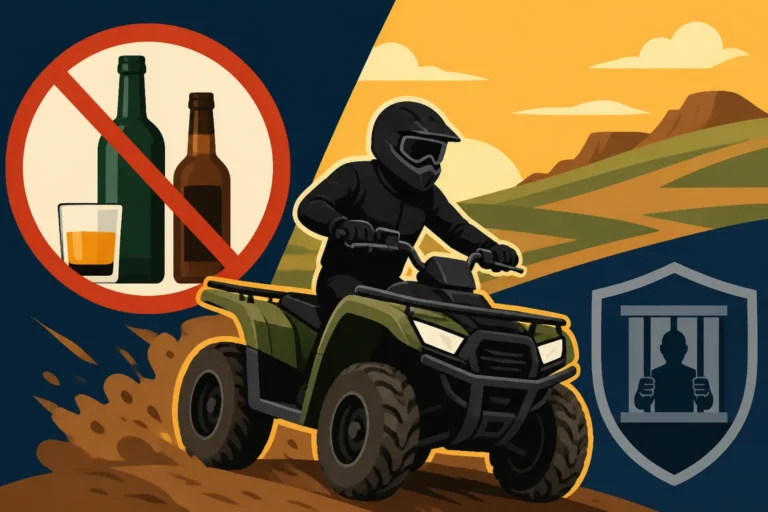
North Dakota has specific rules regarding safety gear, machine modifications, and general equipment that all riders, including visitors, must adhere to. While some regulations might be similar to what you're used to in Montana, there are nuanced differences that could catch you off guard. Ignorance of the law is never an excuse, so getting familiar with these requirements is paramount for a smooth and enjoyable trip.
North Dakota's Helmet Law and Age Restrictions
One of the most critical safety regulations to be aware of concerns helmets. In North Dakota, all OHV operators and passengers under the age of 18 are required to wear a safety helmet that meets U.S. Department of Transportation (DOT) standards. This is a strict rule, and it applies whether you're riding on public lands, designated trails, or even on private property if you're not the landowner or family member. If you're traveling with younger riders, ensuring they have properly fitting, DOT-compliant helmets is non-negotiable. Even if you're over 18, wearing a helmet is always a smart choice for your own safety, even though the law doesn't explicitly require it for adults. You can learn more about this specific requirement in [North Dakota Helmet Law for Riders Under 18].
Beyond helmets, North Dakota also has age restrictions for operating OHVs on public lands. Generally, a child under the age of 12 may not operate an OHV on public land unless they are taking an approved safety course and are under direct supervision. Riders between 12 and 16 years old need to possess an OHV safety certificate to ride on public land, which they can obtain by completing a state-approved safety course. This [North Dakota Safety Certificates at Age 12] requirement applies to visitors as well, so if your younger riders have completed a Montana safety course, check to see if it's recognized or if a North Dakota equivalent is needed. Always carry proof of any safety certification with you while riding.
Spark Arresters, Mufflers, and Sound Limits
North Dakota is serious about environmental protection and noise control, which means your OHV needs to meet certain standards. All OHVs operating on public lands or trails in North Dakota must be equipped with a U.S. Forest Service-approved spark arrester. This device is crucial for preventing wildfires, especially in dry prairie conditions. Most factory-issued OHVs come with a spark arrester, but if you've made aftermarket modifications to your exhaust, it's vital to ensure it still meets this standard. A quick check of your exhaust system or consulting your owner's manual will confirm compliance.
In addition to spark arresters, North Dakota also has muffler requirements and sound limits. Your OHV must have a functioning muffler in good working order, designed to prevent excessive or unusual noise. While specific decibel limits can vary, the general expectation is that your machine operates at a reasonable noise level that doesn't disturb wildlife or other outdoor enthusiasts. Aftermarket exhaust systems from companies like SuperATV can offer performance gains, but always verify they meet local sound regulations if you're planning on riding in North Dakota. Being a considerate rider means keeping noise levels down, especially in more remote or scenic areas. You can find more details on what's expected for your machine's exhaust in [North Dakota Muffler Requirements].
Important Road-Legal Equipment to Consider
While North Dakota has specific ditch and road riding rules (which we'll cover next), if you plan on operating your OHV on any public roads where it's permitted, you'll need to ensure your machine is equipped with certain road-legal features. This isn't just about safety; it's about making your OHV visible and controllable among other traffic. These requirements often include functional headlamps, taillamps, brake lights, and a horn. Many modern UTVs might come equipped with these straight from the factory, but ATVs or older machines might need upgrades.
A rearview mirror is also a common requirement for road operation, and depending on the specific road classification, you might even need a speedometer. If you're coming from Montana, where road-legal requirements might be different or less stringent for OHVs, it's critical to review these North Dakota specifics. Companies like SuperATV offer a range of aftermarket accessories, including mirrors, horn kits, and lighting solutions, which can help bring your OHV up to North Dakota's road-legal standards if you intend to venture onto approved roadways. Ensuring your machine is properly equipped before you leave your campsite or staging area can save you from an unexpected citation.
Here’s a quick overview of essential equipment for road-legal operation:
| Equipment Feature | Requirement for Road Use in North Dakota | Notes for Visitors |
|---|---|---|
| Headlamp | White, visible at 300 ft, working low/high beam | Must be on during night travel |
| Taillamp | Red, visible at 300 ft | Must be on during night travel |
| Brake Light | Red, visible at 300 ft when braking | Essential for safety and visibility |
| Horn | Audible at 200 ft | Necessary for signaling other vehicles |
| Rearview Mirror | Minimum 10 sq inches of reflective surface | Helps monitor traffic behind you |
| Muffler | Functional, good working order, with spark arrester | Prevents excessive noise and fires |
| Tires | Non-highway use type (e.g., knobby, aggressive tread) | Must not be specifically for highway use |
| Speedometer | Required if machine operates on 55 mph paved roads | Check local ordinances if riding paved |
Road and Ditch Riding Rules Every Visitor Must Know
North Dakota has a rather unique approach to OHV access on public roadways and, perhaps most notably, in ditches. Unlike many other states, North Dakota permits a significant amount of ditch riding, which can be a game-changer for connecting trails, accessing hunting land, or just enjoying long, scenic rides across the prairie. However, these privileges come with very specific rules and restrictions that you, as a visiting Montana rider, must understand to avoid trespassing or facing legal penalties. This is often where visitors get into trouble, assuming rules are uniform across states.
Where You CAN and CANNOT Ride on North Dakota Roads
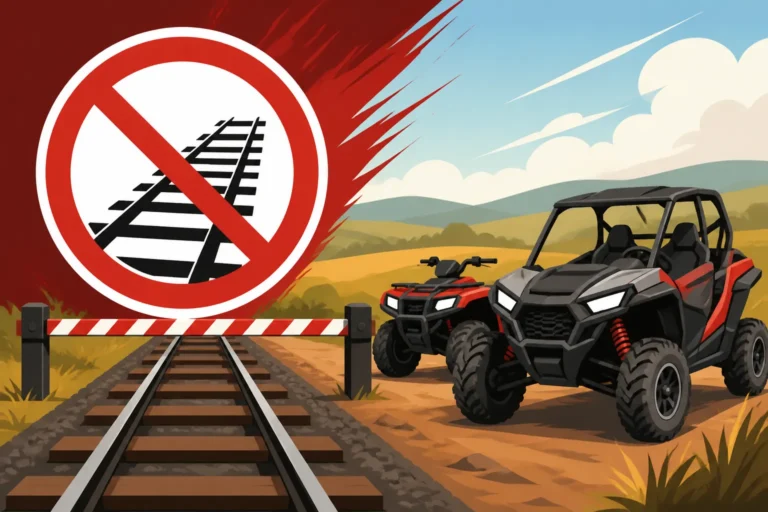
North Dakota's road rules for OHVs are detailed, distinguishing between different types of roads. Generally, OHVs are permitted on most unpaved roads, such as gravel or township roads, unless specifically posted otherwise. This means many of the county and section line roads that crisscross the state are open for OHV use, providing a vast network for riders. However, there are typically restrictions on paved roads, especially state highways and interstates, which are almost universally off-limits. You cannot ride your OHV on an interstate, period, nor can you usually ride on a paved state highway.
For paved roads posted at 55 mph, OHVs are generally prohibited. For paved roads posted at 65 mph, North Dakota's Class III machines (larger, usually UTVs with steering wheels) may be permitted if they meet specific speed and equipment requirements. Always check for local ordinances, as individual counties or cities may have their own additional restrictions or prohibitions on OHV use on public roads within their jurisdiction. It's a patchwork, so if you're unsure, [North Dakota Rules for Riding a Gravel Road] or [North Dakota Rules for Riding a Paved Road] are excellent resources to consult. The safest bet is to assume paved primary roads are off-limits unless explicitly stated they are open.
Understanding North Dakota's Ditch Riding Privileges
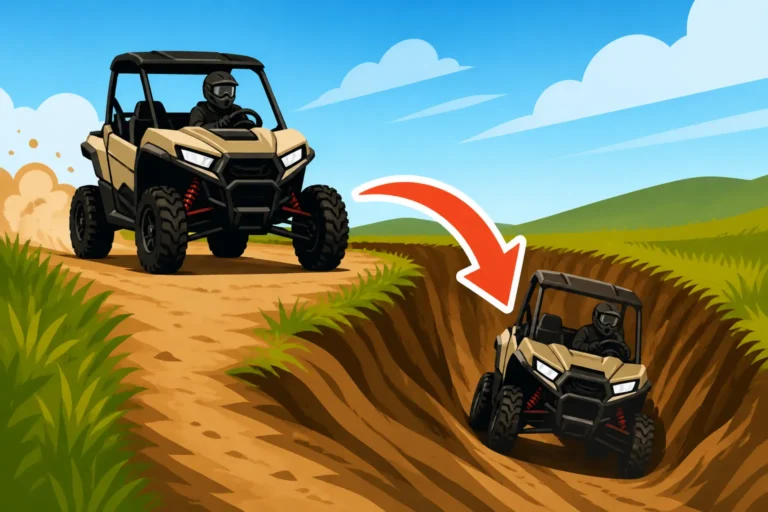
This is the big one that often surprises out-of-state riders! North Dakota legally permits OHVs to operate in the ditches of most public roads, including state and county highways. This unique privilege is what makes North Dakota a fantastic destination for long-distance OHV touring and connecting various points. You can effectively use the ditches as a continuous "trail system" across vast areas of the state. However, "ditch riding" isn't a free-for-all; there are very specific rules governing where in the ditch you can ride and under what conditions. [North Dakota Ditch Riding: The Legal Right Explained] covers this in extensive detail.
You're generally allowed to ride in the ditch bottom or on the back-slope of a highway or road. You must stay off the inslope and shoulder, which are considered part of the traveled roadway. You must ride with the flow of traffic, keep your headlamps on during the day for visibility, and be prepared to yield to other vehicles and pedestrians. When crossing approaches to private property or other obstructions, you are allowed to leave the ditch temporarily, but you must return to the ditch as soon as safely possible. This isn't just a suggestion; it's the law, and violating these rules can result in fines and citations.
Crossing Highways and Navigating Section Lines
While riding on certain highways is restricted, North Dakota law does allow OHVs to cross public highways, including paved ones, under specific conditions. When crossing a highway, you must do so at a right angle, yield to all traffic, and ensure the crossing can be made safely and without obstructing traffic. You can't just meander across; it needs to be a direct, perpendicular crossing. Think of it like a pedestrian crossing the street – quick, direct, and attentive to traffic. This rule is crucial for [North Dakota Rules for Crossing a Highway].
North Dakota's landscape is famously laid out in a grid of section lines, and many of these are public rights-of-way, even if they aren't developed into roads. While you can often ride on established section line roads, always be mindful of whether a section line is designated as a public road or if it's simply an easement that passes through private land. For the latter, you would need explicit permission from the landowner to ride there, just as you would on any other private property. The rule of thumb is: if it's not clearly a public road or marked trail, assume it's private and seek permission. Additionally, be aware of [North Dakota Posted Land Rules for Riders], as electronic posting and physical signs clearly mark where riding is prohibited without permission.
Remember, the goal is to have an incredible experience exploring North Dakota. By understanding and respecting these unique rules for non-resident permits, equipment, and especially road and ditch riding, you'll be well-prepared for a fantastic and legal adventure across the prairie. Safe riding!
Disclaimer
This article is for general informational purposes only and does not constitute professional advice. Laws, prices and regulations vary by location and change over time. Consult a qualified professional for guidance on your specific situation.