North Dakota Rules for a 12-Year-Old Rider
It's incredibly exciting to watch a 12-year-old develop a passion for off-road riding, but as parents and guardians, we know that excitement comes with a healthy dose of responsibility and a lot of questions about safety and legality. Navigating the rules for young riders in North Dakota can feel a bit overwhelming, especially when you're trying to balance their enthusiasm with state requirements. This guide is here to break down exactly what you need to know to ensure your 12-year-old can ride safely and legally, giving you peace of mind and them the freedom to explore.
The Core Rule: Age, Supervision, and Safety Training
When it comes to allowing a 12-year-old to ride an ATV or UTV in North Dakota, the state has put some very clear guidelines in place, primarily centered around safety and proper education. It’s not just about hopping on a machine; it’s about understanding the commitment that comes with it, both for the young rider and for you as their guardian.
Minimum Age for Public Land Riding
North Dakota sets the age of 12 as a significant milestone for off-highway vehicle (OHV) riding. Before this age, children can certainly ride on private land with express permission, but public land access requires specific steps. The general rule of thumb is that a 12-year-old needs to have completed a state-approved safety training course to operate an OHV on public lands, including those designated trails and ditches where riding is permitted. This isn't just an arbitrary number; it's a point where the state believes a child has enough cognitive development and physical coordination to begin understanding and applying complex safety rules, especially under proper supervision.
Imagine your child eager to join a family ride through Pembina Gorge or exploring the wider expanses of Turtle Mountain. The last thing you want is a run-in with law enforcement because the proper permissions or training weren't in place. That's why understanding this age threshold is so important. It lays the groundwork for safe, legal, and enjoyable riding experiences, ensuring that their first forays into the fantastic world of North Dakota OHV trails are positive ones.
The Mandatory Safety Certificate
This is perhaps the single most crucial piece of information for any parent of a 12-year-old rider. In North Dakota, any person under the age of 16 operating an OHV on public land must possess a valid OHV safety certificate. This isn't just a suggestion; it's a legal requirement. Think of it like getting a driver's permit for a car; it shows that the individual has received formal instruction on safe operation, rules of the road (or trail, in this case), and environmental responsibility. You can find more details on obtaining this certification in our guide [North Dakota Safety Certificates at Age 12].
The safety course itself is designed to be comprehensive, covering everything from basic machine operation and maintenance to navigating different terrains, understanding trail etiquette, and recognizing potential hazards. It teaches riders how to handle emergency situations and the importance of protective gear. The good news is that North Dakota offers both online and in-person classroom options for these courses, making it easier to fit into busy family schedules. Many parents find the [North Dakota Safety Course Online] a convenient way for their child to learn at their own pace. Passing this course isn't just a formality; it instills a foundational understanding of safety that can prevent accidents and ensure a lifetime of responsible riding. It's truly about giving your child the tools to make smart decisions when they're out on the trails.
Parental Responsibility and Direct Supervision
While the safety certificate empowers a 12-year-old to ride, it doesn't mean they're entirely on their own. North Dakota law emphasizes the critical role of parental or guardian supervision for riders under 16. On public lands, this typically means a certified adult must be in direct, observable supervision of the young rider. What does "direct supervision" actually mean? It implies being close enough to intervene, offer instruction, and ensure the child is following all rules and safety protocols. This isn't just about riding behind them; it's about active monitoring and guidance.
Riding on private land, with the landowner's explicit permission, offers a bit more leeway. A 12-year-old doesn't need a safety certificate to ride exclusively on private property. This is a common scenario for farm kids or those with large backyards where they can learn the ropes without the pressure of state regulations. You can explore this further in [North Dakota Rules for Riding on a Parent's Land] and [North Dakota Private Land Only Exemption]. However, even on private land, the responsibility for safety still falls squarely on the supervising adult. Teaching proper riding techniques, enforcing helmet use, and making sure the machine is appropriate for their size and skill level are non-negotiable. The goal is always to cultivate safe habits from a young age, so that when they do venture onto public trails, they're well-prepared and confident.
Equipment and Machine Requirements for Young Riders
Beyond the training and supervision, equipping your 12-year-old with the right gear and ensuring they're on an appropriate machine is paramount. It’s not just about looking the part; it’s about providing essential protection and matching the machine's capabilities to the rider's skill level.
Helmets and Protective Gear
This cannot be stressed enough: a helmet is not optional for a 12-year-old rider in North Dakota. State law explicitly requires anyone under the age of 18 to wear a helmet that meets U.S. Department of Transportation (DOT) standards when operating an OHV. This rule is in place for a very good reason – head injuries are among the most severe and preventable consequences of off-road accidents. Our guide [North Dakota Helmet Law for Riders Under 18] provides even more detail on this crucial requirement.
Beyond the helmet, a full suite of protective gear is strongly recommended. This includes:
- Eye Protection: Goggles or a helmet with a face shield to protect against dust, debris, and insects.
- Gloves: To improve grip, prevent blisters, and protect hands in a fall.
- Long Sleeves and Pants: Durable material like denim or specialized riding apparel helps protect skin from scrapes, sun, and brush.
- Over-the-Ankle Boots: Sturdy boots provide ankle support and protect feet from impacts and the hot engine.
Investing in quality gear is an investment in your child's safety. Just like you wouldn't send them onto a football field without a helmet and pads, they shouldn't be on an OHV without proper protection. Many reputable brands, including companies like SuperATV, offer a range of robust protective accessories and gear that can enhance a youth machine's safety and the rider's protection.
Machine Size and Type Restrictions
While North Dakota law doesn't impose strict engine size limits specifically for 12-year-olds, it does implicitly require that the machine be appropriate for the rider's physical size, weight, and skill level. This often means youth-model ATVs or UTVs that are designed with smaller engines, lower top speeds, and scaled-down controls. Putting a 12-year-old on a powerful adult machine can be incredibly dangerous, as they might lack the strength to control it, especially in unexpected situations.
When considering a machine, look for models with features like speed limiters, remote engine shut-off switches, and adjustable suspension. Many manufacturers design youth ATVs specifically for different age ranges, and these are often the safest bet. It's also worth noting that some off-road trails have width restrictions, like Pembina Gorge with its 60-inch cap, so ensure the machine is compliant if you plan to visit these areas. Consulting with a dealer specializing in youth machines can help ensure you select the right fit. And for parents looking to customize or reinforce their child's machine for added safety and performance, resources from companies like SuperATV can provide options for youth-specific parts and accessories that stand up to rigorous riding.
Passenger Rules for 12-Year-Olds
This is a frequently asked question and an area where safety often gets overlooked. Generally speaking, 12-year-olds, especially when operating an OHV, should not be carrying passengers. Most ATVs are designed for a single rider, and carrying a passenger can significantly alter the machine's balance and handling, making it much harder to control, particularly for an inexperienced rider.
For UTVs (side-by-sides), which are designed to carry multiple occupants, the rules are slightly different. If a 12-year-old is operating a UTV, any passengers must be seated safely within the manufacturer's designated seating area and wear appropriate restraints. However, given the focus on supervision, it's generally recommended that if a 12-year-old is operating a UTV, an adult be the passenger to provide direct oversight and assistance. For more in-depth information, refer to [North Dakota Passenger Rules on an OHV] and [North Dakota Rules for a Child Passenger]. Never allow a child to ride in a position or on a machine that was not built for carrying passengers, as outlined in [North Dakota Riding Where the Seat Was Not Built]. Safety belts, grab handles, and protective enclosures in a UTV are there for a reason, and they must always be utilized.
Where Can a 12-Year-Old Ride in North Dakota?
Understanding where your 12-year-old can legally and safely ride is just as important as knowing the age and equipment requirements. North Dakota offers some fantastic riding opportunities, but not all areas are open to all riders or machine types.
Public Trails and Riding Areas
Once your 12-year-old has their mandatory safety certificate and is properly equipped and supervised, North Dakota opens up several exciting public riding opportunities. The state boasts a few dedicated OHV trails and open play areas that are perfect for honing skills and enjoying the outdoors.
Here are some of the primary destinations:
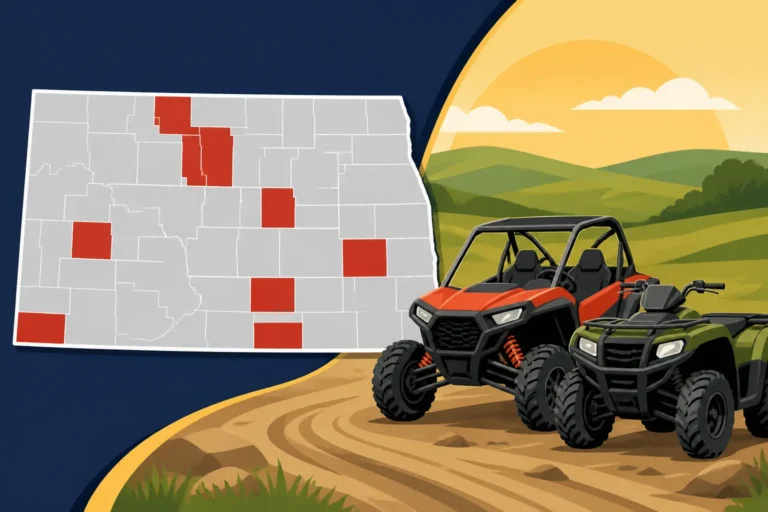
- Pembina Gorge State Recreation Area: Located in northeastern North Dakota near Walhalla, this area offers miles of designated trails with varying difficulty levels. It's a truly scenic area, perfect for family outings.
- Roughrider OHV Trail: Stretching between Fort Abraham Lincoln State Park and Fort Rice, this trail provides a diverse riding experience along the Missouri River.
- Turtle Mountain State Recreation Area: Situated near Bottineau, this area offers beautiful forest trails and open riding.
- Kimball Bottoms Recreation Area: Just south of Bismarck along the Missouri River, Kimball Bottoms is known for its open play areas and sandbars (when water levels allow).
You can get a full overview of these spots in [North Dakota OHV Trails: All Four Riding Areas]. Remember, even on these designated trails, adherence to all safety rules, speed limits, and staying on marked paths is crucial. Riding responsibly protects both the environment and future access for all riders. It’s also wise to check trail conditions before heading out, as closures due to weather are common.
Private Property vs. Public Roads/Ditches
The distinction between private and public land is significant for young riders. As mentioned earlier, if a 12-year-old is riding exclusively on private property with the landowner's explicit permission, they are exempt from the state's safety certificate requirement. This provides a great environment for initial training and casual rides without the added layer of public land regulations. However, the landowner's permission is key, and it's always a good idea to have it in writing, especially if you're not the landowner.
When it comes to public roads and ditches, the rules become much stricter, and generally, these areas are not suitable or legal for 12-year-old operators. While North Dakota does allow OHVs on certain public roads and ditches under specific conditions, these privileges typically require a machine of at least 350cc, proper licensing for the operator, and specific equipment like mirrors, horns, and lights, as detailed in our guide [North Dakota Rules for a Machine Under 350cc]. A 12-year-old will not possess a driver's license, which is generally a prerequisite for operating on roadways. Therefore, stick to designated off-highway trails and private land for young riders. Attempting to ride on public roads or ditches without meeting all criteria can lead to serious fines and safety risks.
Understanding Trail Etiquette and Posted Land
Riding in North Dakota, whether on designated trails or private land, requires a strong understanding of trail etiquette and respect for property rights. For a 12-year-old, learning these principles from a young age is invaluable.
- Stay on Marked Trails: This is not just a suggestion; it's a rule to prevent environmental damage and minimize conflicts with landowners. Going off-trail can lead to trespassing charges, damage to sensitive ecosystems, and erosion.
- Respect Posted Land: Land that is clearly marked with "No Trespassing" or "Posted" signs is strictly off-limits unless you have explicit permission from the landowner. North Dakota's [North Dakota Posted Land Rules for Riders] explains this in detail. Teach your child to recognize these signs and understand their meaning.
- Yield to Others: When encountering hikers, horseback riders, or even other OHV riders, slow down, be courteous, and yield the right of way. Noise can be a concern for others enjoying nature, so good mufflers are important.
- "Tread Lightly": This ethos encourages riders to minimize their impact on the environment. Pack out what you pack in, avoid riding in excessively muddy conditions that can cause deep ruts, and leave no trace.
By instilling these values, you're not just teaching your child how to ride an OHV; you're teaching them how to be a responsible outdoor enthusiast and a good ambassador for the sport. This respect for the land and for others is critical for the long-term enjoyment of off-roading in North Dakota.
What Happens if the Rules Aren't Followed?
It's tempting to think that bending the rules "just this once" won't hurt, especially when dealing with an eager young rider. However, ignoring North Dakota's OHV regulations, particularly concerning minors, can lead to significant consequences for both the child and the supervising adult. It’s not just about avoiding a fine; it’s about upholding safety and demonstrating responsibility.
Penalties for Uncertified or Unsupervised Riding
If a 12-year-old is caught operating an OHV on public land without a valid safety certificate or without proper adult supervision, the consequences can be quite serious. Typically, the supervising adult or the parent/guardian is held responsible. These violations can result in citations and fines, which can quickly add up. You can learn more about the specific monetary penalties in [North Dakota Penalties for No Certificate]. Enforcement officers, whether state park rangers, county sheriffs, or game wardens, take these rules seriously because they are directly tied to rider safety and the preservation of public lands.
Beyond the immediate financial penalties, there's the potential for the OHV to be impounded, and repeated offenses could lead to more severe legal repercussions. More importantly, riding without proper training or supervision significantly increases the risk of an accident. An injury could be far more costly and life-altering than any fine. Imagine the heartbreak and regret if an incident occurs that could have been prevented by simply following the established safety protocols. These rules aren't designed to hinder fun; they are designed to protect everyone, especially young, less experienced riders.
The Importance of Setting a Good Example
As parents and guardians, we are the primary role models for our children. When it comes to OHV riding, setting a good example is perhaps the most effective way to ensure your 12-year-old develops into a safe and responsible rider. If you bypass safety training for yourself, ride without a helmet when you're supposed to, or ignore posted signs, your child will likely adopt those same behaviors.
Conversely, by demonstrating strict adherence to all rules – always wearing your helmet, staying on designated trails, having your own registration up to date, and showing respect for landowners and the environment – you instill a strong foundation of responsible riding. Encourage open communication about safe practices and decision-making on the trail. Discuss potential hazards and how to react. This proactive approach not only keeps your child safer but also builds a positive reputation for the entire OHV community in North Dakota. After all, the future of off-road riding depends on the responsible choices of today's riders, especially the young ones.
Quick Reference for 12-Year-Old Riders in North Dakota
To help summarize the key points, here's a handy table outlining the essentials for a 12-year-old OHV rider in North Dakota:
| Requirement | Public Land (Trails, Ditches) | Private Land (With Permission) | Notes |
|---|---|---|---|
| Minimum Age | 12 years old | Any age (with supervision) | 12 is the key age for certificate on public land. |
| Safety Certificate | MANDATORY | Not required | Must be state-approved and carried. |
| Supervision | MANDATORY (Direct adult supervision) | MANDATORY (Adult supervision) | Adult must be certified if on public land with a minor. |
| Helmet | MANDATORY (DOT-approved) | MANDATORY (DOT-approved) | Required for all riders under 18, regardless of location. |
| Protective Gear | Highly Recommended (Eyes, gloves, boots, etc.) | Highly Recommended | Crucial for preventing injury. |
| Machine Appropriacy | Machine must be appropriate for rider size/skill | Machine must be appropriate for rider size/skill | Youth models often best; no specific cc limit for age. |
| Passengers | Generally not allowed on ATVs; only in designated UTV seats | Generally not allowed on ATVs; only in designated UTV seats | Focus on operator safety first. See [North Dakota Passenger Rules on an OHV]. |
| Public Roads | Generally NOT allowed | N/A | Requires driver's license, 350cc+, specific equipment. |
| Trail Etiquette | MANDATORY (Stay on trails, respect posted land) | MANDATORY (Respect landowner property) | Teach "Tread Lightly" principles. |
Remember, this is a general guide, and it's always best to check the latest regulations from the North Dakota Parks and Recreation Department. Happy (and safe) riding!
Disclaimer
This article is for general informational purposes only and does not constitute professional advice. Laws, prices and regulations vary by location and change over time. Consult a qualified professional for guidance on your specific situation.