Can You Ride an ATV in the Ditch in North Dakota?
Many ATV and UTV enthusiasts in North Dakota find themselves constantly wondering where they can legally and safely ride their machines. With a landscape so vast and often lacking dedicated, managed trail systems in every region, the allure of the humble roadside ditch is incredibly strong. This often leads to confusion, frustration, and sometimes, unintentional legal trouble. This guide is here to cut through the uncertainty, clearly outlining North Dakota's specific laws regarding ATV and UTV ditch riding, covering everything from legal definitions to essential safety practices.
Navigating North Dakota's Unique Ditch Riding Landscape
North Dakota holds a somewhat unique position when it comes to off-highway vehicle (OHV) laws, particularly concerning ditches. While many states impose blanket bans on riding ATVs and UTVs in highway rights-of-way, North Dakota offers specific allowances that can be a real game-changer for riders looking to connect trails, access property, or simply enjoy a scenic ride. However, these allowances come with strict conditions that every rider needs to understand thoroughly.
The Legal Green Light for Ditch Riding
It's true: North Dakota is one of the few places where you might actually find yourself legally riding your ATV or UTV in a ditch. This isn't some historical loophole or a gray area; it's a defined legal right under specific circumstances. The state recognizes the practical need for OHV access, especially for agricultural purposes, property access, and, yes, even for recreational transit where dedicated trails are scarce. This means that unlike the automatic "no" you'd hear in many other states, North Dakota offers a conditional "yes." However, this "yes" is heavily dependent on where you are, what you're doing, and how your machine is equipped. It's a system designed to provide utility without compromising road safety. Understanding [North Dakota Ditch Riding: The Legal Right Explained] is the first step in ensuring your ride is both enjoyable and lawful. This allowance helps landowners get to fields and residents connect small towns, acting as a critical, albeit informal, part of the state's riding infrastructure.
Understanding "Back-Slopes" and "Ditch Bottoms"
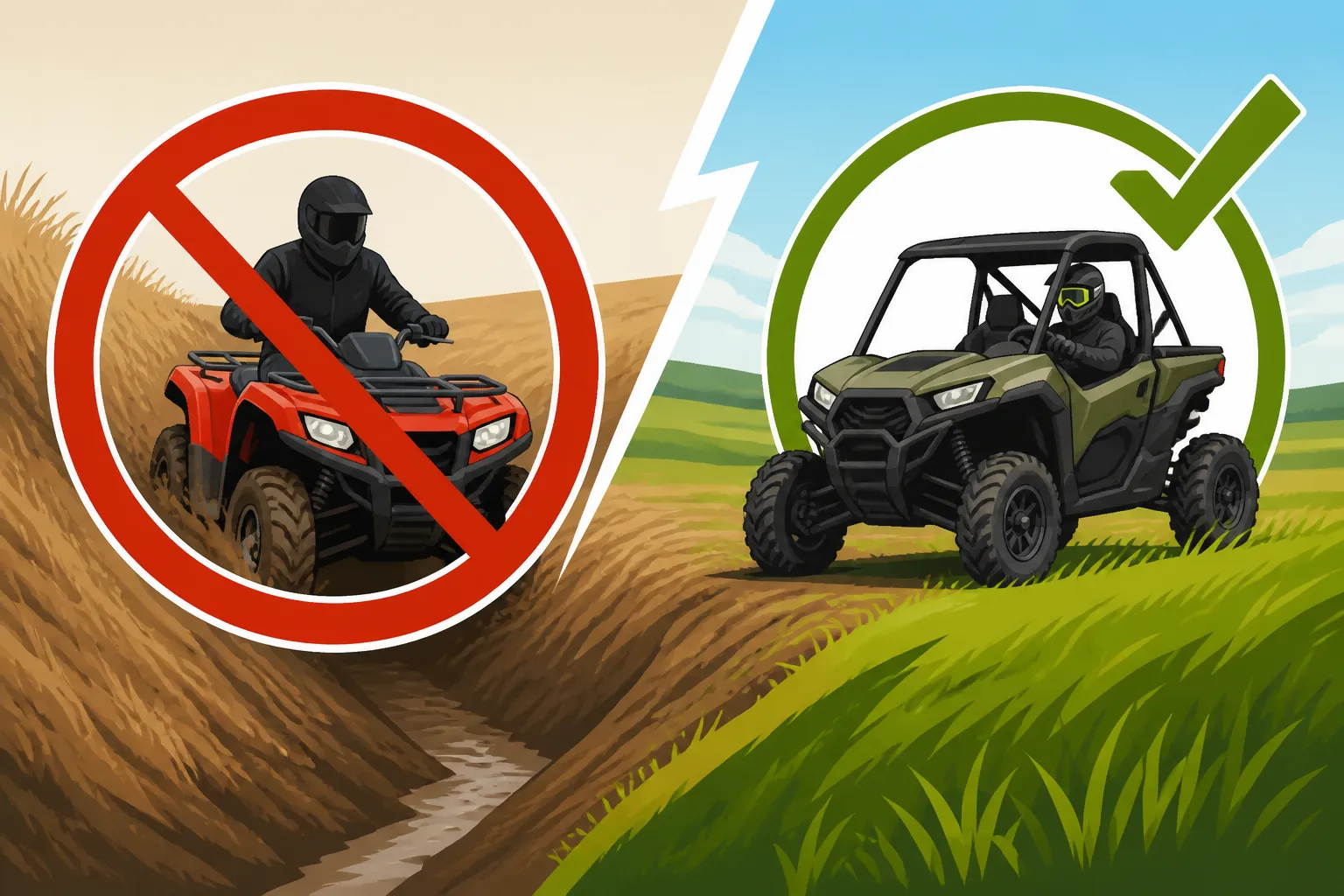
Here's where many riders get into a sticky situation, often unintentionally. North Dakota's law isn't a free pass to ride anywhere alongside a road. It specifically delineates where in the right-of-way you can operate your machine. The legal areas are generally confined to the "ditch bottom" and the "back-slope." The ditch bottom is pretty self-explanatory – it's the lowest part of the ditch, furthest from the paved or graveled roadway. The back-slope is the gentle rise on the far side of the ditch, moving away from the road itself. What's absolutely critical to remember is that the "inslope" – the part of the ditch closest to the road, often just beyond the shoulder – and the "shoulder" itself are typically off-limits. Riding on these areas can put you directly into the path of traffic, create hazards for other drivers, or lead to citations. It's all about maintaining a safe buffer from active vehicular traffic. Getting a clear picture of [Riding North Dakota's Ditch Bottom and Back-Slope] versus [North Dakota Inslopes and Shoulders Are Closed] is paramount for legal compliance and your own safety. These distinctions are not arbitrary; they are designed to keep OHVs a safe distance from faster-moving highway traffic.
Non-Negotiable Requirements: Registration, Equipment, and Age
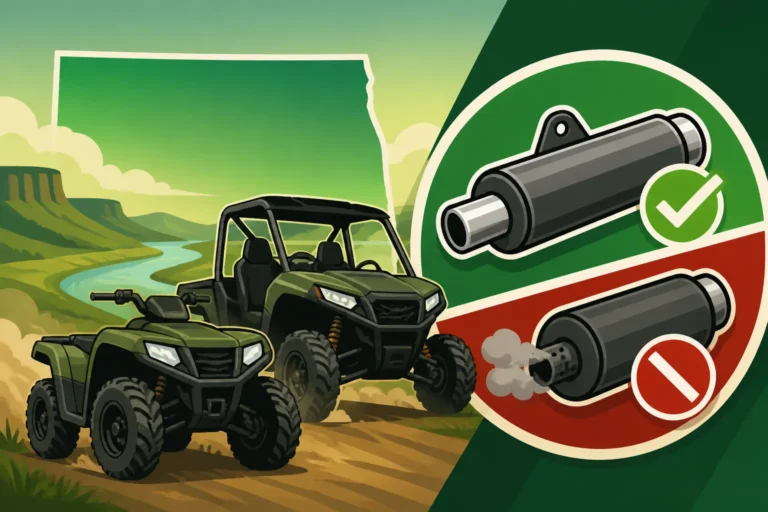
Just because you can ride in the ditch doesn't mean you can skip the basic requirements for OHV ownership and operation. Think of the ditch as another form of public access, similar to a designated trail, which means your machine needs to be street-legal in terms of registration, even if you're not riding on the paved road. This includes having a current, valid OHV registration decal or plate, which incurs a specific [North Dakota OHV Registration Cost]. Beyond registration, certain equipment is non-negotiable for safe operation and legal compliance. This typically includes working headlights and taillights, especially if there's any chance you'll be riding near dusk or dawn. Working brakes are also a must. For younger riders, North Dakota has specific age restrictions and helmet laws, particularly for those under 18, so always ensure everyone on your machine is compliant. Ignoring these basic requirements can quickly turn a legal ditch ride into a costly citation.
Specific Scenarios: When and Where Ditch Riding Gets Tricky
While North Dakota generously allows ditch riding, the rules aren't set in stone for every situation. There are specific scenarios that demand extra attention, where the general "yes" can quickly become a "no," or where a momentary deviation from the ditch bottom is legally permitted but requires careful execution. Understanding these nuances is crucial for any responsible rider.
The "Transitory Operation" Around Obstacles
Picture this: you're cruising along a ditch, enjoying the scenery, when suddenly you encounter a culvert, a small bridge, or a private driveway approach. What do you do? North Dakota law provides for what's called "transitory operation." This means you are legally allowed to temporarily leave the ditch to maneuver around an obstruction that blocks your path, but you must return to the ditch bottom or back-slope as soon as it's safe and practical to do so. This isn't an excuse to hop onto the paved shoulder and ride for a quarter-mile; it's a brief, necessary deviation to maintain continuity of your journey. Safety is paramount here: signal your intentions, be aware of traffic, and make your move quickly and efficiently. For detailed guidance on navigating these situations, understanding [Transitory Operation Past an Obstruction] and tips for [Crossing an Approach Safely] will keep you within legal bounds. Think of it as a brief, unavoidable sidestep, not an opportunity to change your riding location.
Prohibited Areas: Where Ditches Are Strictly Off-Limits
Despite the general allowance for ditch riding, there are definitive no-go zones that riders must respect. The most prominent example is interstate highways. The ditches alongside interstates, despite their appearance, are strictly off-limits to OHVs. These are high-speed, controlled-access roadways, and any OHV presence, even in the ditch, creates an unacceptable safety risk. So, if you're thinking of using the ditch next to I-94 to get from point A to point B, think again – that's a definite violation. Learn more about why [North Dakota Interstates Are Never Open] to OHV traffic. Similarly, other "controlled-access rights of way" are generally prohibited for OHV use, regardless of how inviting their ditches may look. [Why Controlled-Access Rights of Way Stay Closed] comes down to the design of the highway system and the inherent dangers of mixing slow-moving OHVs with high-speed traffic. Beyond state-level restrictions, always remember that individual counties or cities may have their own ordinances that further restrict or even prohibit ditch riding within their jurisdictions. A quick check with local law enforcement or the county sheriff's office before you ride in a new area is always a smart move.
Day and Night Riding: Visibility and Safety Gear
Riding during daylight hours offers the best visibility, but ditch riding often takes place when the sun is low or after it has set, especially for those using their machines for hunting or farm work. If you plan to ride your ATV or UTV in a ditch after dark, North Dakota law requires your machine to be equipped with proper lighting – specifically, a functional headlight that can illuminate the path ahead and a taillight visible from the rear. This is not just a legal formality; it's a critical safety measure. Visibility is already reduced in ditches due to natural terrain, tall grass, and dust, so proper lighting helps you see and be seen. For more on the specifics, check out [North Dakota Night Travel Direction Rule]. Beyond manufactured lights, consider reflective tape on your machine or riding gear. Environmental factors such as [Visibility in Blowing Snow] or when [Riding a Ditch in Tall Grass] can drastically reduce your ability to see and be seen, making bright colors and additional lighting even more important. Always ride defensively and assume other drivers might not see you, particularly in these challenging conditions.
Maximizing Safety and Respect on North Dakota's Ditch Lines
While North Dakota provides the unique opportunity for ditch riding, it also places a significant responsibility on the rider. It’s not just about knowing the laws; it’s about applying common sense, being prepared for prairie conditions, and showing respect for the environment and private property. A truly enjoyable and sustainable riding experience hinges on these practical considerations.
Essential Gear for Prairie Conditions
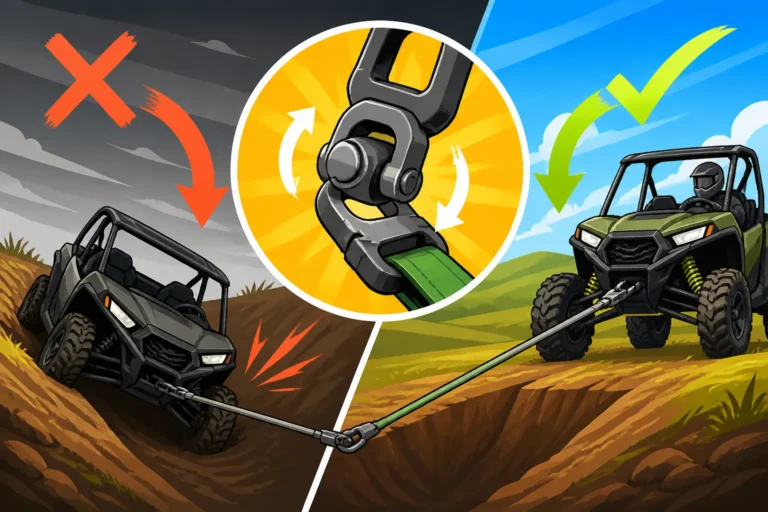
Riding in North Dakota's ditches can present a variety of challenges, from unexpected mud holes to hidden obstacles. Merely meeting the legal equipment requirements is a good start, but savvy riders know that a few extra items can make all the difference. A sturdy winch, for example, is almost a necessity for self-recovery if you find yourself bogged down in sticky mud, especially the notorious [North Dakota Gumbo Mud and What It Does] that clings to everything. Having a quality set of tires specifically designed for mixed terrain can also significantly improve traction and prevent getting stuck. Companies like SuperATV offer robust tire options that are well-suited for the varied conditions you might encounter in North Dakota's ditches, from soft dirt to rocky sections. Always carry a tow strap, even if you have a winch, as it's invaluable for helping a fellow rider or for getting assistance from a passing vehicle if you're really stuck. Beyond recovery gear, consider a basic toolkit, a first-aid kit, and enough water and snacks, especially on longer rides where towns might be few and far between.
Respecting Private Property and Landowner Relations
It's crucial to remember that while the ditch itself may be public access, the land immediately adjacent to it is almost always private property. Ditch riding is a privilege, and maintaining good relationships with landowners is vital for its continued allowance. This means never straying from the ditch bottom or back-slope onto cultivated fields, pastures, or private yards without explicit permission. Pay close attention to [North Dakota Posted Land Rules for Riders] and clearly marked signs. [North Dakota Posted Land Signs and Riders] are there for a reason, indicating where private property begins. Always assume land is private unless otherwise marked or you have direct permission. If you encounter gates, close them behind you; if you see livestock, give them a wide berth. These simple acts of courtesy go a long way in ensuring that OHV riders continue to be welcomed in the North Dakota landscape. Trespassing, even accidentally, can lead to fines, strained community relations, and potentially further restrictions on ditch riding for everyone.
Sharing the Space: Awareness and Defensive Riding
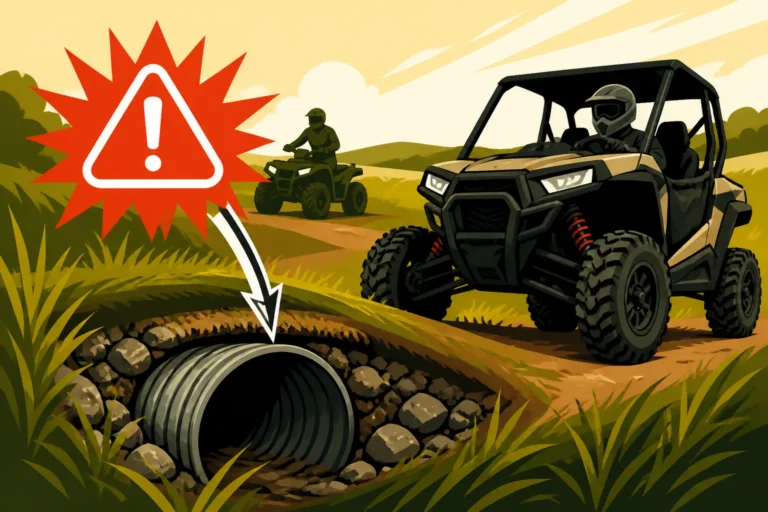
When you're riding in a ditch, you're operating in an area that might be used by a variety of others, including pedestrians, cyclists, farmers, and even wildlife. It's imperative to maintain constant situational awareness and practice defensive riding techniques. Assume that drivers on the adjacent roadway might not see you, especially if you're obscured by tall grass or terrain. Be particularly cautious when [Sharing a Gravel Road With Grain Trucks] or other large farm equipment, as they often take up more space and kick up a lot of dust. Always slow down and pull over if necessary to allow other vehicles or pedestrians to pass safely. Furthermore, be on the lookout for unexpected hazards within the ditch itself, such as [Hidden Culverts and Approaches] that might not be visible until you're right on top of them. Wind and fatigue can also be significant factors on long ditch runs, so plan your trips accordingly. By riding courteously and defensively, you contribute to a safer environment for everyone and help preserve the privilege of ditch riding.
Legal Ramifications and Interacting with Law Enforcement
Even with North Dakota's permissive ditch riding laws, there are significant legal consequences for those who don't follow the rules. It’s not enough to simply know you can ride in a ditch; you must understand the specific conditions and be prepared to interact with law enforcement if questioned. Ignorance of the law is rarely an excuse, and penalties can range from fines to more serious charges.
The Cost of Non-Compliance: Fines and Penalties
If you're caught riding your ATV or UTV in a prohibited area, without proper registration, or violating other OHV laws, the consequences can be quite serious. Minor infractions might result in a citation and a fine, which can add up quickly. For example, some basic OHV violations might start around $50, but these costs can escalate rapidly depending on the severity and nature of the offense. More serious violations, such as reckless operation, riding under the influence, or repeated offenses, can be classified as a misdemeanor. Understanding [What a Class B Misdemeanor Means in North Dakota] is important, as these can carry substantial fines and even potential jail time, though jail time for minor OHV offenses is rare. It's also worth noting that penalties can change; for instance, there was a [North Dakota Fine Increase in 2025] related to OHV violations, underscoring the state's commitment to enforcing these laws. Always prioritize legal compliance to avoid unnecessary financial burdens and legal troubles.
Being Prepared for a Stop: Documentation and Demeanor
In North Dakota, law enforcement officers have the authority to stop OHVs operating in ditches or on other public lands to check for compliance. If you are stopped, your preparedness and demeanor can make a big difference. Always have your essential documents readily available. This includes your OHV registration, proof of insurance (which is required for OHV operation off your own private property), and any required safety certificates, particularly for younger riders. An officer will likely ask to see these. Knowing [What an Officer Can Ask to See] will help you be prepared. If you're found to be riding an unregistered machine, you could face [North Dakota Penalties for Riding Unregistered], which might involve additional fines. When stopped, remain calm, be polite, and cooperate with the officer. Answer their questions honestly and provide the requested documentation without argument. Arguing or being uncooperative can often escalate a minor situation into a more significant problem. Your respectful behavior can often lead to a more amicable and swift resolution.
| Aspect | Do's | Don'ts |
|---|---|---|
| Location | Ride in the ditch bottom and back-slope | Ride on the inslope, shoulder, or main roadway |
| Check local county/city ordinances for additional rules | Ride ditches alongside interstates or controlled-access roads | |
| Obstacles | Use "transitory operation" to bypass obstructions safely | Ride on the main road for extended periods |
| [Crossing an Approach Safely] and immediately return to ditch | Attempt to jump or ride over unsafe obstructions | |
| Legality | Ensure your OHV is registered and insured | Ride an unregistered or uninsured machine |
| Carry required safety certificates (if applicable) | Ignore helmet laws for riders under 18 | |
| Visibility | Use headlights/taillights after dark or in low visibility | Ride after dark without proper lighting |
| Wear bright clothing, especially in tall grass/snow | Assume motorists or others can easily see you | |
| Property | Respect [North Dakota Posted Land Rules for Riders] | Trespass onto private land beyond the ditch |
| Close gates and respect agricultural operations | Damage crops, fences, or disturb livestock | |
| Safety | Carry a winch, tow strap, and basic toolkit | Underestimate [North Dakota Gumbo Mud and What It Does] |
| Be aware of [Hidden Culverts and Approaches] | Ride recklessly or at excessive speeds | |
| Practice defensive riding, be aware of traffic | Assume right-of-way, especially when [Sharing a Gravel Road With Grain Trucks] | |
| Interaction | Cooperate respectfully with law enforcement | Argue or refuse to provide requested documentation |
| Have registration, insurance, and certificates ready | Face [North Dakota Penalties for Riding Unregistered] |
Disclaimer
This article is for general informational purposes only and does not constitute professional advice. Laws, prices and regulations vary by location and change over time. Consult a qualified professional for guidance on your specific situation.