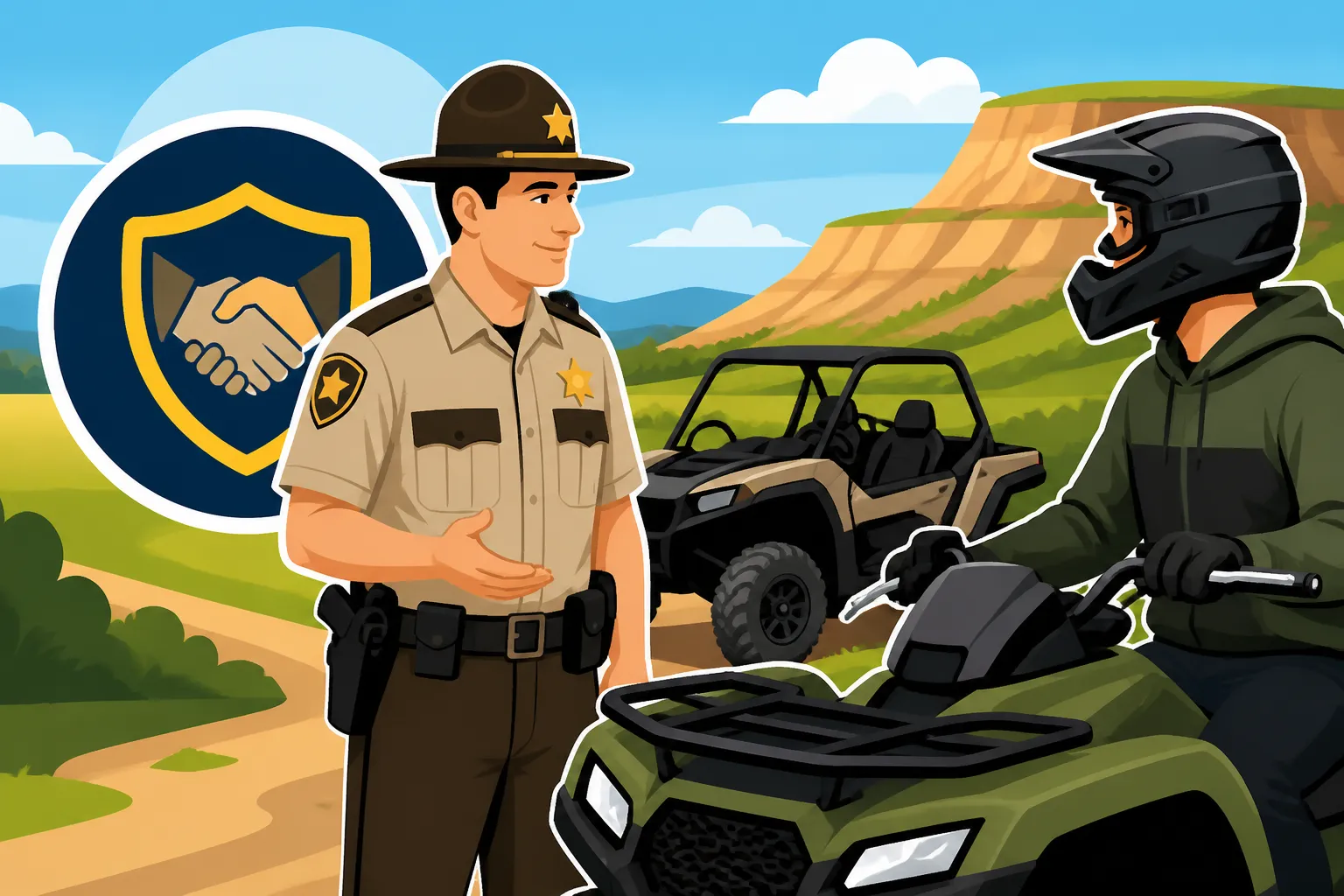
Checking With Local Law Enforcement First
Riding your ATV or UTV in North Dakota promises incredible adventures, from exploring vast grasslands to navigating river bottom trails. However, it's easy to get caught up in the excitement and overlook a crucial step: checking with local law enforcement before you head out. Many riders mistakenly believe that understanding state-level Off-Highway Vehicle (OHV) laws is enough, only to discover that cities, counties, and even specific townships can have their own unique ordinances that dictate where, when, and how you can ride. This guide will walk you through why contacting local authorities is so vital, what questions to ask, and how to ensure your ride stays fun and legal.
Why Local Ordinances Matter More Than You Think
North Dakota has a broad framework for OHV operation, but it’s just that – a framework. Imagine planning a cross-state trip solely by looking at the national speed limit, without ever checking local town speeds or construction zones. You’d quickly find yourself in trouble, and the same principle applies to OHV riding. Local jurisdictions have the power to add layers of regulation, and ignoring them can lead to frustrating and expensive consequences.
The Patchwork of Rules Across North Dakota
The reality of OHV laws in North Dakota is far from a uniform blanket. While the state provides general guidelines for things like registration and operation on public roads, individual counties and cities often implement their own rules. This means that what's perfectly legal in one township might land you a ticket just a few miles down the road in another. For example, a county might open specific gravel roads to OHV traffic, while a neighboring county prohibits it entirely, or limits it to certain hours.
These local rules are usually enacted to address specific community concerns, such as noise complaints in residential areas, traffic safety on busy city streets, or preserving environmentally sensitive zones. Cities, especially, tend to have stricter ordinances due to population density and the potential for conflict with other road users or residents. You might find that downtown areas are completely off-limits, or that certain sections of town have strict curfews for OHV use. This is why a simple phone call or a quick check of a local government website can save you a lot of grief. It’s not about state law being wrong; it’s about understanding that state law is often the minimum standard, and local governments can (and do) build upon it. This creates a very real "patchwork" where every community might have a slightly different expectation of OHV riders.
Avoiding Citations and Fines
The most immediate and tangible reason to check local ordinances is to avoid citations, fines, and potentially having your machine impounded. Getting pulled over by local law enforcement for an OHV violation can be a confusing experience, especially if you genuinely believed you were following the rules. A local officer might be enforcing an ordinance that isn't widely publicized or that directly contradicts what you understood about state law. For example, [North Dakota City Ordinances on OHV Riding] can impose fines, mandate specific equipment, or restrict riding to certain areas or times.
Beyond the initial fine, which can quickly add up, repeated violations might lead to more severe penalties or even impact your ability to register your machine in the future. Imagine spending good money on a premium aftermarket part from a brand like SuperATV, only to have your machine sidelined because a local ordinance you didn't know about prohibits certain modifications or restricts riding to areas where that equipment isn't even necessary. The frustration isn't just about the financial hit; it's about the disruption to your planned ride and the negative experience it creates. Taking the proactive step of checking first ensures your adventure remains enjoyable and penalty-free. Many communities will start with a warning, but repeat offenses or blatant disregard for rules will lead to the imposition of fines and other consequences.
What Information to Gather Before You Call
Before you even pick up the phone to call local law enforcement, it's incredibly helpful to have a clear idea of what you want to do and where. A vague question like "Can I ride my ATV around here?" isn't going to get you the specific, actionable advice you need. Having your ducks in a row makes the conversation much more productive for both you and the officer.
Pinpointing Your Riding Location
One of the most critical pieces of information you'll need is your precise intended riding location. North Dakota is a big state, and saying "I want to ride near Bismarck" isn't specific enough. Are you talking about the city limits, unincorporated areas just outside Bismarck, or specific state lands like Kimball Bottoms? The rules can change dramatically from one block to the next, let alone from one jurisdiction to another.
Try to identify the exact address, road names, or even GPS coordinates of where you plan to ride. If you're looking at a larger area, such as a network of township roads or ditches, identify the specific county and ideally a few key landmarks or intersections. It's also important to distinguish between different types of land:
- City limits: These are generally the most restrictive.
- County roads/unincorporated areas: Often less restrictive than city limits, but still subject to county ordinances.
- State lands (e.g., state parks, wildlife management areas): These have their own rules, often managed by the North Dakota Game and Fish Department or Parks and Recreation. It's useful to consult [North Dakota Wildlife Areas Closed to OHVs] or check specific park rules.
- Federal lands (e.g., Corps of Engineers land, National Grasslands): These typically follow federal regulations, often requiring a vehicle use map.
Knowing exactly where you intend to operate will allow the officer to consult the correct municipal code or county ordinance, providing you with accurate information. Don't be shy about having a map open when you call, ready to point out your planned route or area.
Details About Your Machine and Intended Use
Beyond location, the specifics of your OHV and how you plan to use it are equally important. Not all ATVs and UTVs are treated the same under the law, and your purpose for riding can sometimes unlock exemptions. Make sure you can articulate these details clearly:
- Machine Type/Class: Is it a Class I (ATV, straddle seat), Class II (side-by-side, steering wheel, up to 65 inches wide or 1,200 pounds), or Class III (utility vehicle, up to 8,000 pounds)? North Dakota defines these classes, and certain roads or areas might be open to one class but not another. Understanding [North Dakota's Class I, II and III Machines] is crucial.
- Modifications: Has your machine been modified? Specifically, mention any changes to exhaust (noise levels), tires (non-highway vs. highway-approved), mirrors, or lighting. Local ordinances might have stricter equipment requirements than state law, especially for road use. For example, if you've added robust aftermarket accessories from a company like SuperATV, ensure they comply with local standards for width, mirrors, or lighting if you plan on road travel.
- Purpose of Riding: Are you riding for recreation, accessing farmland, retrieving game during hunting season, or commuting to a job site? Farm use often carries specific exemptions for road travel that recreational use does not. Be ready to explain your reason for being on a particular road or property.
- Operators and Passengers: Who will be riding? If you have riders under 18, be aware of [North Dakota Helmet Law for Riders Under 18]. Some local ordinances might have stricter age requirements for operators on public roads or additional rules regarding passengers, especially youth.
Having these details handy shows that you’ve done your homework and are serious about compliance, which can lead to a more helpful and detailed response from law enforcement.
How to Effectively Contact Local Law Enforcement
Once you've gathered your information, the next step is making that call. Knowing who to call and what to ask makes all the difference. It’s about getting the right information efficiently and respectfully.
Who to Call: Sheriff's Office vs. City Police
Knowing which agency to contact is the first hurdle. North Dakota's law enforcement structure means different bodies oversee different areas:
- County Sheriff's Office: If your planned riding area is outside city limits, in unincorporated rural areas, or on county-maintained roads, the County Sheriff's Office is your primary point of contact. They enforce county ordinances and state laws within their jurisdiction. For example, if you're looking to ride ditches or section lines between small towns in rural Kidder County, the Kidder County Sheriff is who you'd want to speak with. They often have the most experience with OHV use in agricultural and recreational contexts.
- City Police Department: If your route or destination falls within the established boundaries of a city or town, you'll need to contact that municipality's police department. Cities typically have their own set of ordinances that can be much more restrictive regarding OHV operation on city streets, sidewalks, and parks. Even if you're just passing through a small town on a section line, checking with the local police is wise to understand any specific entry or exit points they might designate.
- North Dakota Highway Patrol: While they primarily enforce traffic laws on state highways, they can also address OHV violations on roads under their purview. However, for specific local ordinances, the Sheriff or City Police will be more knowledgeable.
- North Dakota Game and Fish Department (NDGFD): If you plan to ride on state wildlife management areas (WMAs) or other specific state lands managed by NDGFD, they are the authority for those areas. They can also advise on retrieving game during hunting season, as their rules might differ from general recreational use. Their wardens are well-versed in OHV laws on state-owned property.
When in doubt, a quick call to the county sheriff's non-emergency line is a good starting point. If your query falls under city jurisdiction, they can usually direct you to the correct department.
What to Ask: Key Questions for Clarity
Once you have the right contact, present your specific questions clearly and concisely. Be polite and patient, as they might need to look up information. Here are some essential questions to ask:
- "Are ATVs/UTVs permitted on [specific road name/type, e.g., County Road 15, unpaved section lines] in [specific county/city]?" This is your most direct question about access. Follow up by asking about [North Dakota ATV Road Rules by Surface Type], as rules often differ for gravel, paved, and township roads.
- "Are there any specific time restrictions for OHV operation, such as nighttime curfews, in this area?" Many local ordinances restrict riding to daylight hours or specific times to minimize noise in residential zones.
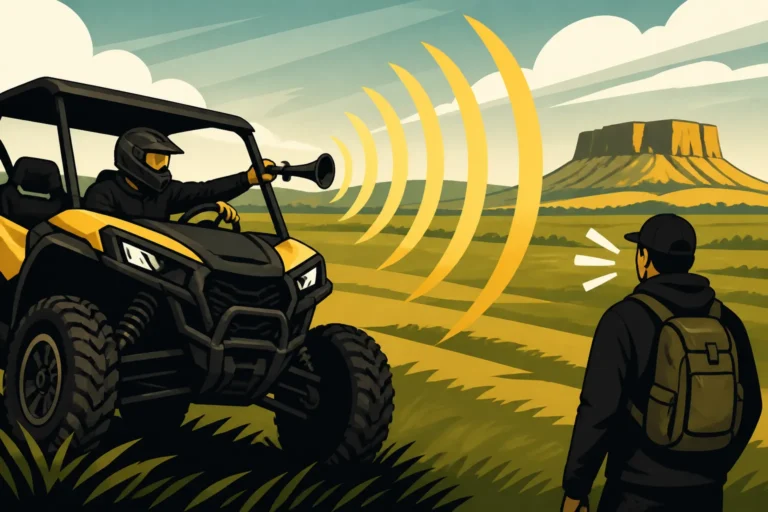
- "Are there any equipment requirements beyond state law (e.g., mirrors, turn signals, specific tire types) that apply in this jurisdiction?" Some cities or counties might require additional safety equipment if you plan to operate on public roads. This could include things like a horn audible at 200 feet or specific lighting standards, especially for night travel. You might consider checking out accessories from a company like SuperATV that could help you meet these requirements.
- "Are there any local permits, stickers, or fees required for OHV operation in [county/city]?" While North Dakota has a state registration, some local jurisdictions might have their own permit systems, though this is less common for general riding.
- "What are the rules regarding passengers and youth riders on public roads or trails in this area?" Even if state law allows it, local rules might be stricter. For instance, [North Dakota Rules for a Child Passenger] might be further constrained by a city ordinance.
- "Could you direct me to the online municipal code or county ordinance that outlines the OHV rules for this area?" This allows you to review the official text for yourself and clarifies any ambiguities. Having a written reference is invaluable.
By asking these specific questions, you empower the officer to give you precise answers, ensuring you have a clear understanding of what’s expected of you as an OHV operator in that specific community.
Documenting Your Inquiry and Understanding the Answers
Getting the answers is one thing; making sure you remember them and can refer back to them is another. Documenting your efforts isn't about challenging authority, but about protecting yourself and ensuring you operate legally and confidently.
Keeping Records of Your Conversations
Think of this as your personal due diligence file. When you call a local agency, make sure to:
- Note the Date and Time: This helps establish when the information was received.
- Record the Name and Title of the Person You Spoke With: If they provide it, write it down. This adds credibility to your record and can be helpful if you need to follow up.
- Summarize the Key Advice Received: Don't just jot down "yes" or "no." Write a brief summary of what they said, especially regarding road access, time restrictions, or equipment. For example, "Officer Smith stated that County Road 15 is open for OHVs during daylight hours, but residential streets within the town of Mapleton are prohibited."
- Request an Email or Link: If possible, ask if they can email you a summary of the relevant ordinances or a direct link to the section on their website. A physical or digital copy of the rules is the gold standard.
While an informal note might not hold up in court as a legal defense, it demonstrates your good faith effort to comply. It shows that you were proactive, sought clarification, and acted based on the information provided. This can be incredibly valuable in a situation where you might be questioned about your presence in an area. Moreover, it creates a personal reference guide for future rides. If you routinely visit the same area, you won't have to call every time if you have your documented conversation readily available. It’s also good practice to include details about your machine, such as any [North Dakota Equipment Required on a Roadway], so you can ensure you're compliant.
Interpreting Local Ordinances (and When to Dig Deeper)
Even with an officer's verbal guidance, it's always a good idea to try and locate the official written ordinance. Most North Dakota cities and counties have their municipal codes or resolutions available online. Look for sections related to "Motor Vehicles," "Recreational Vehicles," or "Off-Highway Vehicles."
When reading these documents:
- Pay attention to definitions: Make sure their definition of an "OHV" or "ATV/UTV" matches what you're riding.
- Look for specific road designations: Often, ordinances will list specific roads that are open or closed to OHVs.
- Note any exemptions: For example, many ordinances will have exemptions for "agricultural purposes" or "emergency services." If you're using your machine for farm work, this is crucial. Understanding [North Dakota's Exemption for Machines Used on Private Land] is also key, as local rules almost always pertain to public land or roads.
- Don't assume: If something isn't explicitly mentioned, don't assume it's allowed. It's better to clarify.
Sometimes, a quick read of the ordinance might not be enough, or the language might be dense. If you find conflicting information, or if an ordinance seems overly broad or unclear, it's okay to call back, refer to your previous conversation, and ask for further clarification. You might even find that local ordinances are stricter than what you would have expected for certain items, such as [North Dakota Muffler Requirements], imposing specific decibel limits. For instance, a well-equipped UTV with aftermarket components from SuperATV might produce a different sound profile than a stock machine, and knowing the local limits is important. Remember, law enforcement officers are there to help ensure public safety and understanding of the laws, and a well-informed rider is always appreciated.
Common Local Restrictions and Exemptions to Watch For
While state law provides a foundation, local jurisdictions often zero in on specific concerns to protect their residents and infrastructure. Knowing these common local "hot spots" can help you anticipate what to look for in ordinances or ask about when you call.
Prohibitions on Specific Road Types or Areas
This is perhaps the most common type of local restriction you'll encounter. Cities, in particular, often designate certain areas where OHV operation is strictly prohibited, even if state law might permit some road use in rural settings.
- Downtown Business Districts: These areas are almost universally off-limits to ATVs and UTVs. The high pedestrian traffic, narrow streets, and overall commercial nature make OHV operation impractical and potentially dangerous.
- Residential Streets: Many cities will prohibit OHVs on residential streets, often due to noise concerns, speed limits, and the presence of children playing. Even if a side-by-side from a brand like SuperATV is designed for varied terrain, it might be restricted to specific access routes rather than general residential cruising.
- Public Parks and School Zones: These areas are typically high-use zones for families and children, and OHV access is usually restricted or prohibited entirely to ensure safety and minimize disruption.
- Designated Trails vs. Open Areas: Some municipalities or counties might have designated OHV parks or trails. While these are fantastic for riding, it often means that outside these specific areas, OHV use is restricted. This is particularly relevant when you're looking at [North Dakota OHV Trails: All Four Riding Areas] and then considering connecting routes via local roads. Always confirm if roads leading to a trail are open to OHVs.
These prohibitions are put in place with public safety and quality of life in mind. Respecting them is key to maintaining a positive relationship between the OHV community and local residents.
Hours of Operation and Noise Ordinances
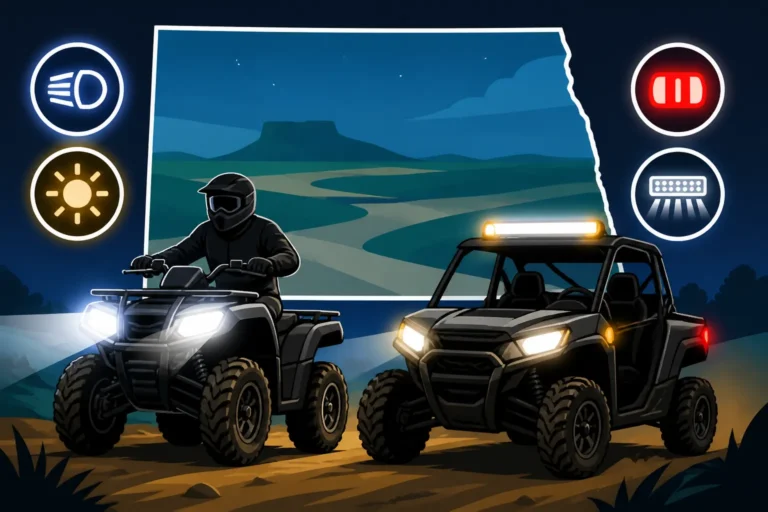
Another frequent target of local regulation is when you can ride and how much noise your machine can make. While [North Dakota Night Travel Direction Rule] applies statewide, local rules can add stricter curfews or noise restrictions.
- Nighttime Bans: Beyond the state's night travel rules, many local ordinances will prohibit OHV operation after dark, especially in or near populated areas. This isn't just about visibility; it's often about minimizing noise during typical sleeping hours.
- Quiet Hours: Even during the day, some areas might have specific "quiet hours" or general noise ordinances that, while not explicitly targeting OHVs, can still apply. If your machine has a louder-than-stock exhaust, you might draw unwanted attention. Be mindful of [North Dakota Muffler Requirements], as local noise levels can be even more stringent. It's often about common courtesy as much as it is about written law.
- Residential Versus Rural: Restrictions on hours and noise are typically much more prevalent and strictly enforced in residential or mixed-use areas than in sparsely populated rural zones. However, even in rural areas, passing through a small town late at night could still be problematic if they have a local ordinance in place.
These rules aim to balance the rights of OHV enthusiasts with the peace and quiet of residents. Being a considerate rider, particularly with respect to noise and timing, goes a long way.
Age and Passenger Restrictions at the Local Level
While North Dakota has state laws regarding youth riders and passengers, local governments can sometimes add another layer of restriction. For example, [North Dakota Helmet Law for Riders Under 18] is a statewide mandate, but a city might restrict all OHV operation on city streets to licensed adult drivers, regardless of age.
- Operator Age Limits: Some cities or counties might require operators on public roads to be a certain age (e.g., 16) or to possess a valid driver's license, even if state law allows younger, certified riders on certain public lands or roads. This is often an extension of general traffic safety concerns.
- Passenger Rules: While many utility ATVs and UTVs are designed for passengers, and even some aftermarket kits from SuperATV can add seating, local ordinances might limit the number of passengers on public roads, or even prohibit them entirely in certain zones, based on perceived safety risks or vehicle class limitations. This can be especially frustrating if you're riding with family.
- Supervision Requirements: For youth riders, local rules might specify that even if they are allowed to operate, they must be under the direct supervision of an adult, or that adult must be riding on an adjacent machine.
Always verify these details for your specific riding group, especially when planning a family outing. Ignorance of these rules doesn't exempt you from a citation. Being proactive ensures everyone in your party stays safe and legal.
Beyond the Phone Call: Other Ways to Stay Informed
A direct conversation with local law enforcement is an excellent first step, but it's not the only way to stay informed. The OHV community thrives on shared knowledge, and leveraging these resources can provide ongoing insights and prevent future misunderstandings.
Connecting with Local Riding Clubs and Communities
One of the best resources for hyper-local OHV information is other riders. Local riding clubs and online communities are often a wealth of practical knowledge about where you can and cannot ride, specific local quirks, and even which roads have been recently opened or closed.
- Local Clubs: Joining a North Dakota ATV or UTV club can connect you with experienced riders who frequently navigate local ordinances. They often have established relationships with local law enforcement and land managers and are usually the first to know about changes to rules or new riding opportunities. These clubs are also a great way to discover new places to ride, like the various areas mentioned in [North Dakota OHV Trails: All Four Riding Areas], or even organized poker runs and charity rides.
- Online Forums and Social Media Groups: Search for North Dakota-specific OHV groups on social media platforms or dedicated forums. Riders often share their experiences, ask questions, and post updates about local regulations. This can be a quick way to get real-time feedback on specific areas you're considering. Just remember to verify information from unofficial sources when possible, especially if it seems too good to be true.
- Local Dealerships and Accessory Shops: Often, local dealerships that sell ATVs and UTVs, or shops that stock accessories from brands like SuperATV, will have a good grasp of the local riding scene and common regulations. They want their customers to enjoy their machines legally, so they often keep up-to-date on rules. Don't hesitate to ask their sales or service staff if they have any local insights.
These communities are not just about getting legal advice; they're about sharing the passion for riding, discovering new routes, and sometimes even organizing clean-up events or advocacy efforts that benefit all riders.
Utilizing Online Resources and Maps
The digital age offers numerous tools to help you navigate the complexities of local OHV laws. Beyond a simple Google search, specific online resources can provide valuable, often official, information.
- County and City Websites: As mentioned, most North Dakota counties and cities maintain official websites where they post their ordinances, municipal codes, and sometimes even maps. Look for sections titled "Ordinances," "Government," "Legal," or "Public Works." Many will have search functions, allowing you to directly look for "OHV," "ATV," or "recreational vehicle."
- State Agencies:
- North Dakota Game and Fish Department: Their website often features maps and regulations for OHV use on state-owned land, including wildlife management areas and certain public access sites. They are the authority for hunting and fishing access.
- North Dakota Parks and Recreation Department: If you're planning to visit a state park or designated trail system like Pembina Gorge, their website will have specific rules and maps.
- Motor Vehicle Use Maps (MVUMs): For riding on federal lands, such as the Dakota Prairie Grasslands, MVUMs are essential. These maps clearly designate which roads and trails are open to motorized vehicles, vehicle types, and any seasonal restrictions. You can often download these maps directly from the US Forest Service or Bureau of Land Management websites. While [North Dakota Grassland Roads Open to OHVs] might offer some general guidance, the MVUM is the definitive document for federal land.
- GPS and Mapping Apps: While not legal resources themselves, apps like OuterSpatial or Gaia GPS often integrate publicly available trail data and land designations. Always cross-reference this information with official sources, but they can be a useful visual aid for understanding your location relative to different land ownerships and potential restrictions.
By combining direct communication with local authorities and proactive research using online resources, you can build a comprehensive understanding of where you can legally and safely enjoy your North Dakota ATV and UTV adventures.
Comparing State vs. Potential Local OHV Rules in North Dakota
To illustrate how local ordinances can diverge from, or add to, state regulations, here’s a table comparing common OHV operational aspects. Remember, these "local" rules are potential restrictions and will vary greatly by specific city or county. Always check your exact location.
| Aspect of OHV Operation | North Dakota State Law (General) | Potential Local Ordinance (Examples) |
|---|---|---|
| Registration | Required for public land/road use (with exemptions); two-year cycle. | No additional local registration or permit typically required, but check for specific local events or designated areas. |
| Title | Required for ownership proof, excise tax. | No local titling; always state-level. |
| Road Access | Ditch bottoms/back-slopes generally open; gravel roads open unless posted closed; paved roads open if posted <55 mph (Class I/II) or <65 mph (Class III), 350cc minimum. | City limits often prohibit all OHVs on any city street (paved or gravel) unless specifically designated for access/crossing. County roads may have stricter "closed unless open" policies. |
| Helmet Requirement | Required for riders under 18 years old. | Some cities or counties might require helmets for all riders on public roads/areas within their jurisdiction, regardless of age. |
| Equipment (General) | Headlamp, taillight, muffler, brakes, spark arrester. Mirrors and horn for road-legal machines. Speedometer/Odometer for Class III. | Cities/counties may specify minimum mirror size, horn audibility (e.g., audible at 200 feet), or additional lighting for night operation on local roads. |
| Hours of Operation | Night travel generally allowed with proper lighting, but with specific rules (e.g., traveling with traffic). | Many cities/counties impose "daylight hours only" restrictions or curfews for OHV operation, especially in residential areas. |
| Noise Levels | Muffler required, general "quiet operation" expectation. | Specific decibel limits (e.g., "no louder than 96 dBA at 20 inches") might be enforced in noise-sensitive areas. |
| Passenger Rules | Allowed if manufacturer designed for it and operator meets age/training. | Local ordinances might prohibit passengers on certain roads or in specific zones, or impose stricter age limits for passengers. |
| Age of Operator | Minimum 12 with safety certificate for public lands, specific rules for road use (350cc minimum for roads). | Local rules might require operators on city/county roads to be 16+ with a valid driver's license, or have additional supervision rules. |
| Private Land Access | Owner permission required; [North Dakota Posted Land Rules for Riders] specify posting. | Local rules cannot override private property rights, but local enforcement might still respond to trespass complaints. |
Disclaimer
This article is for general informational purposes only and does not constitute professional advice. Laws, prices and regulations vary by location and change over time. Consult a qualified professional for guidance on your specific situation.