What a Class B Misdemeanor Means in North Dakota
It's incredibly frustrating when you're just trying to enjoy North Dakota's beautiful landscapes on your ATV or UTV, but the maze of rules and potential penalties feels overwhelming. One minute you're having a blast, and the next, a simple misstep could land you in serious legal trouble, far beyond just a minor ticket. This guide is here to untangle the complexities of what a Class B Misdemeanor means in North Dakota, especially when it comes to your off-highway vehicle, and how to steer clear of such serious consequences.
Understanding Misdemeanors in North Dakota's Legal Landscape
Navigating the legal system can feel like slogging through gumbo mud after a heavy rain – confusing, sticky, and full of potential pitfalls. In North Dakota, as in other states, there’s a clear hierarchy of offenses, ranging from minor infractions to severe felonies. Knowing where a misdemeanor, specifically a Class B, fits into this spectrum is crucial for any OHV enthusiast who wants to stay on the right side of the law. It’s not just about understanding the rules of the trail or the ditch; it’s about understanding the legal framework that governs your actions.
The Spectrum of Offenses: Infractions to Felonies
When we talk about legal offenses, North Dakota categorizes them into a few distinct levels, each carrying different levels of severity in terms of penalties. At the lowest end, you have infractions, which are typically minor violations like a parking ticket or a very basic traffic offense. These usually result in a fine and don't involve jail time or a criminal record. Think of it as a slap on the wrist, a reminder to pay more attention next time.
Next up are misdemeanors, which are more serious than infractions but less severe than felonies. These are criminal offenses, meaning they can result in jail time, significant fines, and, importantly, a criminal record that can follow you. Within the misdemeanor category, North Dakota further divides them into Class A and Class B, with Class A being the more serious of the two.
Finally, at the top of the severity ladder, we have felonies. These are the most serious crimes, involving potential prison sentences (not just jail), very substantial fines, and long-lasting impacts on your life, including loss of certain rights. Understanding this spectrum helps put the Class B Misdemeanor into perspective; it's not the end of the world, but it's definitely not something you want to take lightly.
What Specifically Constitutes a Class B Misdemeanor?
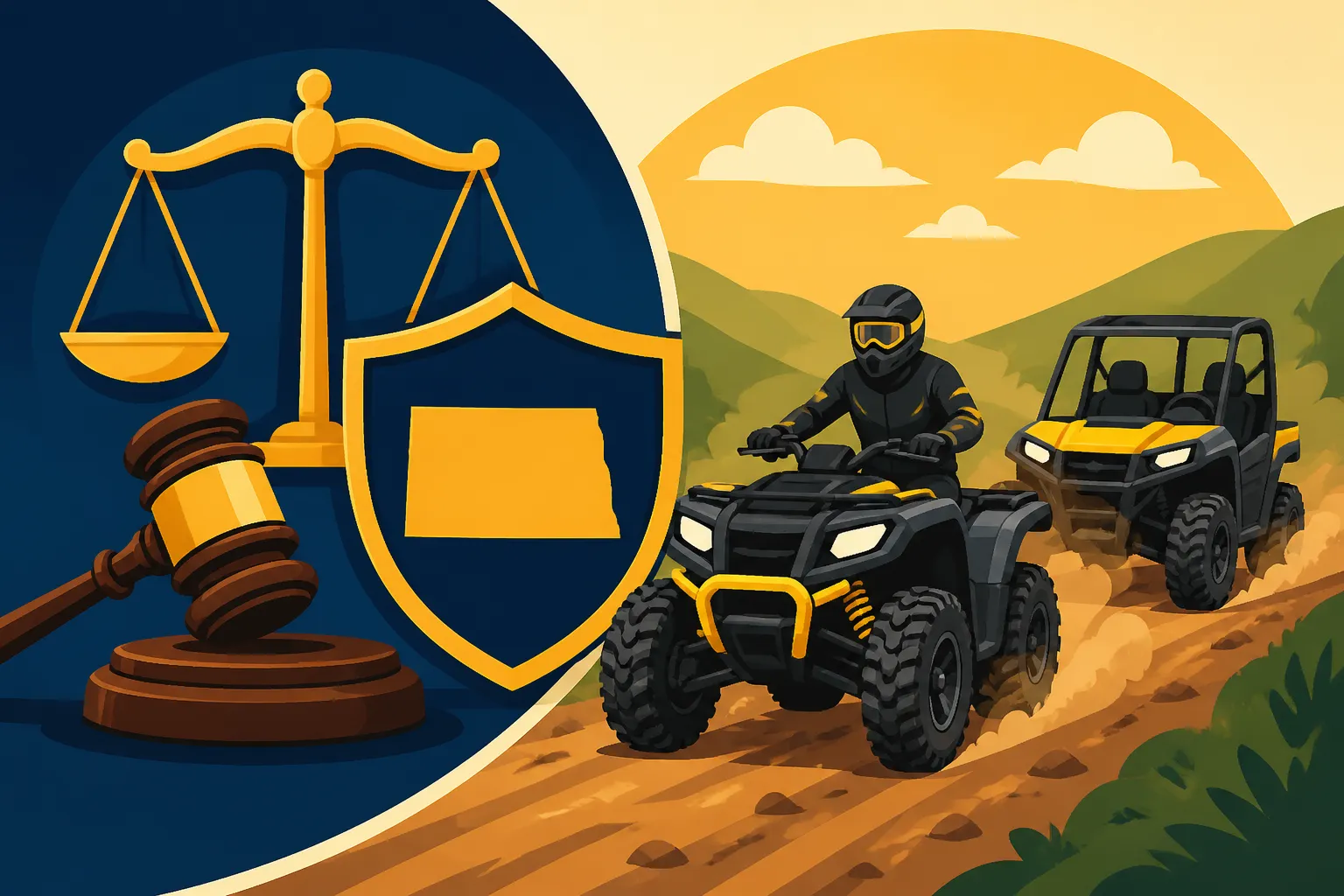
A Class B Misdemeanor in North Dakota is a criminal offense, and it's certainly more than just a minor traffic citation. Generally, this class of misdemeanor carries a maximum penalty of 30 days in jail, a fine of up to $1,500, or both. It's a significant step up from the typical fines you might encounter for minor OHV infractions, and it means you'll have a criminal record, which can impact various aspects of your life.
To give you a clearer picture, think about non-OHV related examples. Public intoxication, shoplifting of low-value items, simple assault without serious injury, or certain acts of disorderly conduct might fall under the Class B Misdemeanor umbrella. These aren't crimes that get you sent to state prison, but they absolutely warrant an appearance in court, and if convicted, they leave a mark on your record that can pop up in background checks for years to come.
When it comes to OHVs, a Class B Misdemeanor isn't usually the first penalty for a simple oversight like forgetting your registration decal. Instead, it's typically reserved for actions that show a higher degree of disregard for safety, law, or the rights of others, or for repeat offenses that demonstrate a pattern of non-compliance. It's about actions that go beyond simple mistakes and venture into more serious, often intentional, misconduct.
Common OHV-Related Class B Misdemeanors in North Dakota
While most OHV violations start as simple infractions, there are specific actions or patterns of behavior that can quickly escalate to the level of a Class B Misdemeanor in North Dakota. These are the serious offenses that demonstrate a significant disregard for safety, property, or the law itself, and they carry much heavier penalties than a simple citation. Understanding these specific scenarios is vital for any rider looking to enjoy the trails and ditches responsibly.
Riding Under the Influence: A Serious Offense
One of the most straightforward ways to land yourself a Class B Misdemeanor on an OHV in North Dakota is by operating it while under the influence of alcohol or drugs. North Dakota's laws regarding driving under the influence (DUI) extend to off-highway vehicles, just as they do to cars and trucks. The state takes impaired operation very seriously, recognizing the inherent dangers involved when someone operates heavy machinery without their full faculties.
If you're caught riding your ATV or UTV with a blood alcohol concentration (BAC) above the legal limit (which is generally 0.08% for adults), or if your ability to operate the machine is impaired by alcohol or drugs, you could be facing a Class B Misdemeanor charge. This isn't just a minor ticket; it's a criminal offense with severe ramifications. The dangers are obvious: impaired judgment, slower reaction times, and reduced coordination dramatically increase the risk of accidents, not just for yourself but for anyone else sharing the trails or ditches. You can learn more about this serious issue in [North Dakota DUI Rules for OHV Riders].
The legal ramifications for impaired operation on an OHV can include significant fines, potential jail time, and even the suspension of your regular driver's license, even though you don't need a driver's license to operate an OHV itself. This underscores how seriously the state views impaired operation, regardless of the type of vehicle. It's a clear message: responsible riding means sober riding, every single time.
Reckless Operation and Endangerment
Another significant pathway to a Class B Misdemeanor is through reckless operation of your OHV, especially if it creates a substantial risk of harm to persons or property. "Reckless" generally implies a conscious and unjustifiable disregard of a substantial risk that a reasonable person would observe. This isn't just about riding a bit too fast; it's about intentionally putting others or property in danger through your actions.
Imagine a scenario where a rider is performing high-speed donuts in a crowded campground or residential area, throwing gravel and narrowly missing children playing. Or perhaps someone is weaving erratically through a group of hikers on a shared trail, showing no regard for their safety. These aren't innocent mistakes; these are actions that could easily lead to serious injury or damage, and they fit the definition of reckless operation that could lead to a Class B Misdemeanor.
Beyond direct physical harm, reckless operation might also encompass actions that severely damage natural resources or private property. For instance, intentionally tearing up sensitive wetlands or protected areas, or repeatedly trespassing and causing significant property damage while riding, could also fall under this umbrella, especially if there's a clear pattern of disregard for the environment or property rights. Using high-performance parts from brands like SuperATV responsibly means respecting the environment and other users.
Repeated or Egregious Violations of OHV Laws
Sometimes, it's not a single act but a pattern of persistent non-compliance that elevates a lesser offense to a Class B Misdemeanor. While a first offense for something like riding an unregistered machine might only be an infraction, repeated violations, especially after warnings or previous tickets, can signal a blatant disregard for the law that authorities might choose to prosecute more severely.
Consider someone who repeatedly ignores [North Dakota Posted Land Rules for Riders], continually riding on private property despite clear signage and multiple warnings from landowners or law enforcement. Each instance might initially be a simple trespass infraction, but a documented history of ignoring these rules could lead to a more serious charge. The cumulative effect of these actions demonstrates an intentional pattern of behavior that can be deemed more egregious than an isolated incident.
Similarly, if a rider has received numerous citations for minor infractions – perhaps operating a machine without proper safety equipment, violating noise ordinances, or riding in prohibited areas – and continues to flout these regulations, law enforcement might eventually pursue a Class B Misdemeanor. It’s about the persistent nature of the offense, illustrating a conscious choice to operate outside the established legal boundaries, and it serves as a powerful deterrent against habitual misconduct.
The Immediate and Long-Term Consequences of a Class B Misdemeanor
Getting charged with a Class B Misdemeanor for an OHV-related offense in North Dakota is a serious matter, and the consequences extend far beyond a simple fine. These charges can ripple through various aspects of your life, affecting your finances, your freedom, and even your future opportunities. It's crucial for every rider to understand the full scope of what a conviction can mean, so you can fully appreciate the importance of riding responsibly.
Fines, Jail Time, and Court Costs
The most immediate and tangible consequences of a Class B Misdemeanor conviction are the statutory penalties: fines and potential jail time. In North Dakota, a Class B Misdemeanor can carry a maximum sentence of 30 days in jail. While not every conviction results in jail time, especially for first offenders, it is absolutely a possibility that law enforcement and the courts can impose, and it's a stark reminder of the severity of the charge.
In addition to potential incarceration, you're looking at a significant financial hit. Fines for a Class B Misdemeanor can go up to $1,500. This is considerably more than the [North Dakota Ticket Cost for a Road Violation] you might incur for a minor infraction, which is typically much lower. And remember, that $1,500 is just the fine; it doesn't include the myriad of court costs, administrative fees, and other charges that pile up during the legal process.
It's also worth noting that the penalties for certain OHV violations have been trending upwards. [North Dakota Fine Increase in 2025] from recent legislation shows a clear intent to stiffen consequences, meaning what might have been a minor slap on the wrist in the past could become a much more painful experience in the near future. These financial burdens can quickly become overwhelming, impacting your ability to cover other expenses and even maintain your OHV.
Impact on Your Driving Privileges and Criminal Record
Perhaps one of the most insidious long-term consequences of a Class B Misdemeanor is the creation of a criminal record. Unlike an infraction, a misdemeanor conviction goes on your permanent criminal record. This record is publicly accessible and can pop up during background checks for employment, housing applications, professional licensing, and even educational opportunities. While it's not a felony, having a criminal record can certainly complicate your life and limit your options for years to come.
Even if the offense occurred on an OHV for which a driver's license isn't required, a Class B Misdemeanor conviction, especially for something like a DUI, can still lead to the suspension or revocation of your regular motor vehicle driver's license. This means you might lose your ability to drive your car or truck on public roads, creating significant challenges for commuting to work, running errands, and simply living your daily life. It’s a harsh but real consequence that many OHV riders don’t consider when they’re out on the trails.
The implications of a criminal record can be far-reaching and frustrating. Imagine applying for a new job or trying to rent an apartment, only to be turned down because of a past OHV incident that resulted in a Class B Misdemeanor. It’s a constant shadow that can follow you, making it harder to move forward and secure opportunities that others might take for granted. This is why understanding and avoiding such charges is paramount.
Insurance Ramifications and Machine Confiscation
Beyond the legal and financial penalties, a Class B Misdemeanor conviction can also hit you where it hurts: your insurance and potentially even your machine itself. If your offense involves an accident or reckless behavior, or especially a DUI, your OHV insurance rates are almost certainly going to skyrocket. Insurers view these convictions as a major red flag, indicating a high-risk individual, and they will adjust your premiums accordingly, if they don't cancel your policy outright.
Finding new insurance after a serious OHV violation can be incredibly difficult and expensive. You might be forced into high-risk pools, paying exorbitant rates for even basic coverage, which can quickly make owning and operating your OHV financially unsustainable. This is a crucial consideration, especially when you think about [North Dakota Insurance Requirements at Registration] and the need to carry liability coverage if you're riding anywhere off your own land.
In some severe cases, particularly involving repeat offenses or egregious acts like a second or third DUI, North Dakota law allows for the confiscation or impoundment of your off-highway vehicle. This means the very machine you love to ride could be seized by law enforcement. Losing your ATV or UTV, sometimes permanently, is a devastating blow that adds insult to injury and highlights the extreme seriousness of these Class B Misdemeanor charges. It's a penalty that drives home the message about responsible OHV ownership.
Avoiding a Class B Misdemeanor: Best Practices for North Dakota Riders
No one wants to face fines, potential jail time, or a criminal record, especially not for an activity they love. The good news is that avoiding a Class B Misdemeanor in North Dakota while riding your ATV or UTV is entirely within your control. It boils down to a combination of knowledge, respect, and preparedness. By adopting a proactive and responsible approach, you can ensure your rides remain enjoyable and free from legal headaches.
Know the Laws and Ride Responsibly
The first and most important step to avoiding a Class B Misdemeanor is to fully understand all applicable North Dakota OHV laws and regulations. This isn't just about general common sense; it's about knowing the specific statutes that govern where and how you can ride. This includes understanding speed limits, passenger rules, equipment requirements, and specific restrictions on different types of terrain. Don't assume; educate yourself.
Resources are available to help you gain this knowledge. For younger riders, or even adults new to the sport, taking a safety course can be incredibly beneficial. [North Dakota OHV Safety Certificates at Age 12] are required for riders under 16, but anyone can benefit from refreshing their knowledge. These courses cover not just safe riding techniques but also the legal responsibilities of OHV operators.
Beyond formal training, make it a habit to check local ordinances and state regulations regularly. Laws can change, as evidenced by recent legislative updates. Riding responsibly also means ensuring your machine is in good working order and equipped for the conditions. If you're upgrading your machine, make sure any aftermarket parts, like lift kits or wider A-arms from companies like SuperATV, still comply with North Dakota's width restrictions for trails or road use. For instance, [North Dakota Class I Machines Defined] will have specific requirements that you need to be aware of.
Respect Private Property and Posted Land
Trespassing is a serious issue, and repeated or egregious violations can quickly escalate beyond a simple infraction to a Class B Misdemeanor. North Dakota has clear laws regarding private property, and riders are expected to respect posted land. It's not enough to just guess; you must know definitively whether you have permission to be on a particular piece of land.
Always secure landowner permission before riding on private property, and if possible, get it in writing. Familiarize yourself with how [North Dakota Posted Land Signs and Riders] are used to designate private property and heed these warnings. Ignorance of boundaries is not an excuse. Even if you're exploring vast stretches of open country, it's easy to inadvertently cross onto private land without realizing it.
Utilizing GPS devices and digital maps can be incredibly helpful for staying on designated trails and public lands, avoiding any accidental trespass. Many riders find that equipping their UTVs with durable GPS mounts and communication systems, perhaps from a brand like SuperATV, helps them navigate unfamiliar territory safely and legally. These tools are not just for convenience; they are crucial for preventing legal issues by helping you adhere to established boundaries and avoiding areas where you don't have permission to ride.
Plan Your Rides and Be Prepared
Impulsive or ill-prepared rides can often lead to situations where legal violations are more likely. Planning your routes, checking weather conditions, and ensuring your machine is properly equipped can prevent many common problems that might otherwise result in a Class B Misdemeanor charge. A well-planned ride is a safer, more enjoyable, and legally compliant ride.
Before heading out, especially for longer excursions or rides in remote areas, map out your intended route. Understand the type of terrain you'll encounter and any specific rules for those areas, whether it's a designated OHV trail, a gravel road, or a permitted ditch route. Consider potential hazards and how to navigate them safely.
Being prepared also means having the right equipment. This includes a properly registered OHV (understanding [North Dakota OHV Registration Cost] is key), appropriate safety gear like helmets (especially for those under 18), and sufficient fuel and supplies. If you plan to ride after dark, ensure your OHV has functional headlamps and taillights that meet state standards, which can be improved with aftermarket lighting solutions from a company like SuperATV. Neglecting these basics, especially regarding visibility, could contribute to a situation that escalates into a more serious charge, particularly if it leads to an accident or endangerment. Always err on the side of caution and preparation.
Here's a quick comparison of a typical OHV infraction versus a Class B Misdemeanor:
| Feature | Typical OHV Infraction (e.g., first unregistered machine) | Class B Misdemeanor (e.g., DUI, reckless operation) |
|---|---|---|
| Offense Type | Non-criminal violation | Criminal offense |
| Maximum Jail Time | None | Up to 30 days |
| Maximum Fine | Typically up to a few hundred dollars | Up to $1,500 |
| Criminal Record | No | Yes (permanent) |
| Driver's License Impact | Usually none | Possible suspension/revocation of regular license |
| Machine Confiscation | Highly unlikely | Possible, especially for repeat DUIs |
| Insurance Impact | Minor, if any, often no direct reporting | Significant rate increase or policy cancellation |
| Example Scenario | Riding an OHV with an expired registration decal | Operating an OHV while intoxicated |
Disclaimer
This article is for general informational purposes only and does not constitute professional advice. Laws, prices and regulations vary by location and change over time. Consult a qualified professional for guidance on your specific situation.