Liability Coverage Off Your Own Land
It’s a common scenario for many riders in North Dakota: you’ve invested in a great ATV or UTV, you’re looking forward to hitting the ditches, cruising a gravel road, or exploring one of the state's amazing trail systems. But then a little voice in the back of your head pipes up, wondering, “What if something goes wrong?” The thought of a fender-bender, an unexpected injury, or even just property damage when you’re not on your own land can be incredibly daunting, especially when it comes to understanding your financial responsibility. This guide is here to unravel the complexities of liability coverage for your off-highway vehicle (OHV) in North Dakota, making sure you understand what you need to protect yourself, your machine, and your peace of mind when you venture beyond your private property.
The Unspoken Truth: North Dakota's Approach to OHV Insurance
When you're dealing with vehicles, especially those that can traverse both fields and certain public roadways, the topic of insurance inevitably comes up. Many states have strict mandates for car insurance, but what about your trusty ATV or UTV? North Dakota has a unique perspective when it comes to requiring insurance for your off-highway vehicle, and understanding this is the first step toward smart protection.
The Core Legal Stance on OHV Insurance in North Dakota
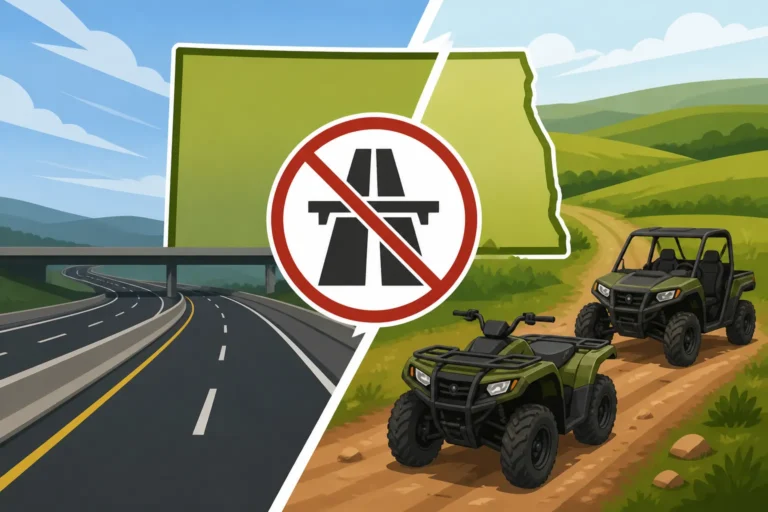
Let's get straight to it: North Dakota does not, at a state level, generally mandate liability insurance for every ATV or UTV registration. This often comes as a surprise to new riders or those moving from other states with stricter rules. You might be able to register your machine without having to show proof of a specific OHV insurance policy at the time of registration. This is a significant difference from how cars and trucks are handled, where proof of financial responsibility is typically a prerequisite for getting plates. The state’s focus for basic registration is primarily on ownership, identification, and collection of applicable fees and taxes.
However, this doesn't mean you're entirely off the hook, nor does it mean you shouldn't have it. The absence of a statewide blanket mandate for all OHV operation creates a bit of a gray area that some riders might misinterpret as a green light to forgo coverage. It's vital to recognize that while the state might not demand it for every single machine on every single acre, the consequences of not having it can be severe. This distinction between "legally required to register" and "smartly prepared to ride" is where many riders get tripped up. While the state is focused on [North Dakota Insurance Requirements at Registration], this often applies more broadly to on-road vehicles.
Beyond the Mandate: Why Personal Responsibility Matters
Just because a specific law doesn't explicitly force you to carry OHV liability insurance for every single scenario doesn't mean you're absolved of responsibility for your actions. Think about it: if you're riding your machine, even recreationally, and you cause damage to someone else's property—say, accidentally knocking over a farmer’s fence while trying to turn around on a section line, or perhaps damaging a trail marker on public land—you are still legally and financially accountable for that damage. The same goes if you're involved in an accident where another person is injured because of your negligence. Without insurance, all those costs, from repairing property to covering medical bills and potential legal fees, fall squarely on your shoulders.
This is where the concept of personal responsibility truly kicks in. In North Dakota, many folks understand the value of a handshake and standing by their word, but when an accident involves significant financial sums, even the best intentions can buckle under pressure. Having liability insurance isn't just about adhering to a potential future mandate; it's about protecting your own assets and ensuring you can meet your obligations if an unfortunate incident occurs. It's a proactive step to prevent a moment of recreation from turning into a lifetime of financial regret. It's especially important if you're enjoying the scenery on [Pembina Gorge: North Dakota's OHV Trail Park] or navigating [North Dakota Ditch Riding: The Legal Right Explained], where accidental damage can still occur.
Why Liability Coverage is Your Best Trail Buddy
Picture this: you're out enjoying a perfect North Dakota afternoon on your UTV. The sun is shining, the trails are great, and you're feeling on top of the world. Then, in an instant, something unexpected happens. Maybe you swerve to avoid a deer and clip a parked vehicle, or perhaps another rider makes an unpredictable move, leading to a collision. In these moments, liability insurance isn't just a piece of paper; it's the financial safety net that can save you from immense stress and ruin.
The High Cost of an Accident Without Insurance
An accident, no matter how minor it seems at the moment, can quickly spiral into a financial nightmare without proper insurance. Imagine you're riding a gravel road that's open to OHVs in a county like Pembina County, and you misjudge a turn, sliding into a mailbox and knocking it off its post. Replacing that mailbox might seem like a small cost, but what if you also damaged the concrete base or part of the homeowner’s landscaping? Now you're looking at hundreds, potentially thousands, of dollars.
Or consider a more serious scenario: you accidentally collide with another rider on a trail, and they suffer an injury. Even if it's not entirely your fault, legal systems often assign fault in percentages, and you could be deemed partially responsible. Medical bills for even minor injuries can skyrocket, easily reaching tens of thousands of dollars for emergency services, doctor visits, physical therapy, or even lost wages if the injured party can't work. Without liability insurance, every single one of those costs—property damage, medical expenses, lost income—becomes your direct personal debt. This can lead to serious financial strain, impacting your savings, your credit, and even your ability to own assets in the future. This is why understanding [North Dakota Insurance Rules for OHV Riders] is so important.
Protecting Your Assets: Lawsuits and Judgments
Beyond the immediate costs of an accident, there’s the very real threat of lawsuits and legal judgments. If you cause significant injury or property damage, the aggrieved party might decide to take legal action against you to recover their losses. This can be an incredibly stressful and expensive process, regardless of the outcome. You’ll need to hire a lawyer, pay court fees, and dedicate a significant amount of your time to the proceedings.
If the court rules against you and you are found liable, the judgment could order you to pay a substantial sum of money. If you don't have liability insurance to cover this judgment, the court can go after your personal assets. This means your savings accounts, your bank accounts, your wages, and even your property—like your home or other vehicles—could be at risk. It’s not just your OHV that’s on the line; it’s your entire financial future. For many riders, the peace of mind knowing that their family’s financial stability isn't jeopardized by a momentary lapse on the trail is worth every penny of an insurance premium.
Riding on Public Land and Shared Trails
North Dakota offers some fantastic riding opportunities, from designated trails to certain roadways and even ditch bottoms. But each of these environments comes with its own set of rules and risks. When you’re riding on public land, like areas managed by the U.S. Forest Service or the Bureau of Land Management, or even state parks with OHV trails like [Pembina Gorge's 16 Miles in North Dakota], you are entering a shared space. Other recreational users, like hikers, equestrians, or even other OHV riders, will be present. The chances of an unforeseen interaction, whether it's a near miss or an actual collision, increase.
Furthermore, some public riding areas or organized events might actually require proof of liability insurance, even if the state's general statute does not. Always check the rules of any specific park, trail system, or event before you go. If you're riding on gravel roads or in specific ditches, you might be sharing that space with other vehicles, farm equipment, or even pedestrians. Accidental damage to public infrastructure, like road signs or culverts, is also a possibility. Liability coverage ensures that if you are responsible for damage or injury in these shared spaces, you have the financial backing to address it, allowing you to ride with confidence rather than constant worry. When upgrading your machine with parts from brands like SuperATV, always consider how those modifications might affect your usage and, consequently, your insurance needs.
Demystifying OHV Insurance: Types of Protection Available
Navigating the world of insurance can feel like trying to understand a foreign language, but it doesn't have to be. For your ATV or UTV, there are several key types of coverage you should understand. Each serves a different purpose, protecting you from various financial risks. Knowing what each policy covers helps you build a comprehensive safety net for your riding adventures.
Decoding Liability: What It Covers (and Doesn't)
At its core, liability insurance is about protecting other people and their property when you are at fault for an accident. It's crucial for any vehicle, including your OHV. Here's a breakdown:
- Bodily Injury Liability: This coverage pays for medical expenses, lost wages, and pain and suffering for anyone you injure in an accident where you are deemed at fault. For instance, if you're riding your side-by-side and accidentally cut off another rider, causing them to crash and break an arm, your bodily injury liability would kick in to cover their medical bills.
- Property Damage Liability: This pays for damage you cause to someone else's property. This could be anything from damaging another person's OHV, a fence, a mailbox, or even a building, if your machine is involved in an incident.
It’s important to note what liability doesn't cover: it typically won't pay for your own injuries or damages to your own ATV or UTV. That's where other types of coverage come into play. North Dakota, like many states, might refer to [Liability Limits of 25/50/25] when discussing minimums for other vehicle types, providing a benchmark for what sufficient coverage might look like, even if not explicitly mandated for OHVs. You'll want to think about these numbers when you choose your coverage.
Adding Comprehensive and Collision: Protecting Your Machine
While liability protects others, you'll likely want to protect your own valuable investment too. This is where comprehensive and collision coverage come into play:
- Collision Coverage: This pays for damages to your own ATV or UTV if it collides with another vehicle or object, regardless of who is at fault. If you accidentally hit a tree, roll your UTV in a ditch, or are involved in a crash with another rider, collision coverage helps repair or replace your machine. This is especially useful if you've invested in a high-quality machine or added valuable accessories from companies like SuperATV.
- Comprehensive Coverage: This is your protection against non-collision incidents. Think of it as "everything else" that could damage or destroy your OHV. This includes theft (ever worried about [North Dakota Theft Coverage in a Shed]? Comprehensive covers that!), vandalism, fire, natural disasters (like floods or hail), or hitting an animal (like a deer running across your path).
Combining these two coverages gives you robust protection for your own machine, ensuring that an accident or unforeseen event doesn't leave you footing a massive repair or replacement bill out of pocket. Many riders wonder about [North Dakota Comprehensive Coverage for a Quad] specifically because they want to protect their investment against a wide range of perils.
Uninsured/Underinsured Motorist Coverage: Protecting Yourself
Even if you’re a responsible rider with excellent liability coverage, you can’t control what other people do. What if you’re involved in an accident with another rider who doesn't have insurance, or whose insurance isn't enough to cover your damages? This is where Uninsured/Underinsured Motorist (UM/UIM) coverage becomes incredibly valuable for your OHV.
- Uninsured Motorist (UM) Coverage: This protects you if you're injured or your OHV is damaged in an accident caused by a rider who has no insurance at all. It effectively steps in to cover the costs that the at-fault uninsured rider can't.
- Underinsured Motorist (UIM) Coverage: This applies when the at-fault rider has insurance, but their policy limits aren't high enough to cover all your damages and medical expenses. UIM coverage would then pay the difference, up to your policy's limits.
Given that OHV insurance isn't always mandated in North Dakota, the risk of encountering an uninsured or underinsured rider on shared trails or roads is higher than with standard road vehicles. UM/UIM coverage is a smart way to protect yourself and your family from someone else's lack of preparedness, offering an extra layer of financial security. For a sense of overall costs, you might want to look at [North Dakota Insurance Cost Per Year] and factor in these important coverages.
Here’s a quick overview of what different types of OHV insurance generally cover:
| Coverage Type | Protects You From | What It Covers | Does NOT Cover |
|---|---|---|---|
| Bodily Injury Liability | Lawsuits from people you injure | Their medical bills, lost wages, pain/suffering if you're at fault | Your own injuries or damage to your OHV |
| Property Damage Liability | Lawsuits from damage you cause to others' property | Repairs/replacement of others' property (fences, vehicles, etc.) | Damage to your own OHV |
| Collision Coverage | Damage to your OHV from impacts | Repairs/replacement of your OHV if it hits another object or rolls over | Theft, fire, natural disasters, or other non-collision events |
| Comprehensive Coverage | Non-collision damage to your OHV | Theft, vandalism, fire, floods, hail, animal impacts | Damages from collisions |
| Uninsured/Underinsured Motorist | Accidents with riders who lack sufficient insurance | Your medical bills and OHV damage if an at-fault rider has no or too little insurance | Damage you cause to others |
Smart Strategies for Securing Your North Dakota OHV Policy
So, you’ve decided that protecting yourself and your assets with OHV insurance is a no-brainer. Now comes the practical part: how do you go about finding the right policy? It's not as complex as it seems, and a little bit of smart shopping can go a long way in securing comprehensive coverage that fits your needs and your budget.
Shopping Around: Agents, Brokers, and Online Options
The first step is to explore your options. You don't have to stick with the first quote you get. There are several avenues for purchasing OHV insurance:
- Your Current Insurance Provider: A great starting point is to contact the company that insures your car, home, or other vehicles. Often, they can offer a multi-policy discount, and it keeps all your insurance under one roof, simplifying management. They already know your history, which can streamline the process.
- Independent Insurance Agents/Brokers: These professionals work with multiple insurance companies, not just one. They can shop around for you, comparing different policies and prices to find the best fit for your specific needs. They can also offer personalized advice, especially if you have unique circumstances or a specialized machine.
- Online Insurance Companies: Many companies offer direct-to-consumer online quotes. This can be a quick way to compare rates, but be sure to read the fine print and understand exactly what's included (and excluded) in the policy before committing.
Don't be afraid to get several quotes. The rates can vary significantly between providers for similar coverage levels. It's always a good idea to speak with someone who understands North Dakota's unique riding landscape, especially if you plan on significant [North Dakota Ditch Riding] or exploring specific state trails.
Factors Affecting Your Premium: What Makes It Go Up or Down
Several elements influence the cost of your OHV insurance premium. Understanding these can help you manage your costs and make informed decisions:
- Type of Machine: Is it an ATV or a UTV? What's its engine size? Newer, more powerful, or more expensive machines (especially those decked out with high-performance SuperATV parts) will generally cost more to insure because they are more expensive to repair or replace. A youth quad, for example, might have different rates than a high-powered sport UTV, and you might consider specific [North Dakota Insurance for a Youth Quad].
- Your Riding Habits: How often do you ride? Where do you typically ride? Do you use it for farm work, recreational trail riding, or competitive events? If your machine is primarily used on your own private land and rarely leaves it, your risk profile might be different than someone who rides public trails every weekend.
- Your Claims History: Just like with car insurance, a history of past claims can lead to higher premiums. Conversely, a clean claims record can help keep your costs down. This is why [North Dakota Insurance After a Claim] can be a significant factor.
- Your Age and Experience: Younger, less experienced riders may face higher premiums, as they are statistically more likely to be involved in accidents. Completing an [North Dakota OHV Safety Certificates at Age 12] or similar safety course can sometimes lead to discounts.
- Location: While North Dakota is generally a safe place, specific zip codes might have higher rates due to factors like theft rates or local accident statistics.
- Deductible: This is the amount you pay out-of-pocket before your insurance kicks in. A higher deductible typically means a lower premium, but be sure you can comfortably afford your deductible if you need to make a claim.
Being honest and thorough when providing information for your quote ensures you get accurate pricing and the right coverage.
Tailoring Your Policy to Your Riding Style
One of the best ways to ensure you have the right insurance is to tailor it to how you actually use your OHV in North Dakota. A farm machine used primarily for chores around the property has different needs than a sport machine hitting the dunes at Kimball Bottoms every other weekend.
- Farm Use: If your ATV or UTV is primarily for agricultural purposes, let your insurer know. Some policies offer specific agricultural exemptions or reduced rates, as the risk profile for farm work might be different than high-speed recreational riding.
- Recreational Trail Riding: If you're frequently on public trails like those at Turtle Mountain or Roughrider OHV Trail, ensure your liability limits are robust enough to cover potential incidents with other riders or damage to public property. Consider comprehensive coverage for theft, as machines parked at trailheads can sometimes be targets. Also, think about UM/UIM given the varied insurance status of other riders.
- Winter Riding: If you plan on using your machine year-round, even for [North Dakota Riding Once Snow Falls], ensure your policy doesn't have seasonal exclusions or limitations that could leave you uncovered during certain months.
- Modifications and Accessories: If you've invested heavily in aftermarket parts, winches, plows, or other accessories, check if your policy covers these additions. Some standard policies might only cover the stock value of the machine. You might need to specifically list high-value items, like a heavy-duty bumper or a track conversion kit from SuperATV, to ensure they're protected.
By taking the time to consider your specific riding habits and the environment you’ll be in, you can work with your insurance provider to craft a policy that truly protects you. Don't settle for a generic plan; get one that's designed for your North Dakota adventures.
Disclaimer
This article is for general informational purposes only and does not constitute professional advice. Laws, prices and regulations vary by location and change over time. Consult a qualified professional for guidance on your specific situation.