North Dakota’s Two-Year Registration Cycle
Navigating the world of off-highway vehicle (OHV) registration can feel like trying to solve a puzzle with missing pieces, especially when every state seems to have its own unique rules. One common point of confusion for riders in North Dakota, or those new to the state, is understanding how the registration cycle actually works. It's not always an annual affair here, and grasping the specifics of the North Dakota's two-year registration cycle is key to staying legal and enjoying the trails without unnecessary stress. This guide will walk you through everything you need to know about how the two-year system functions, what it means for your wallet, and how to keep your ATV or UTV compliant.
Understanding North Dakota's OHV Registration Timeline
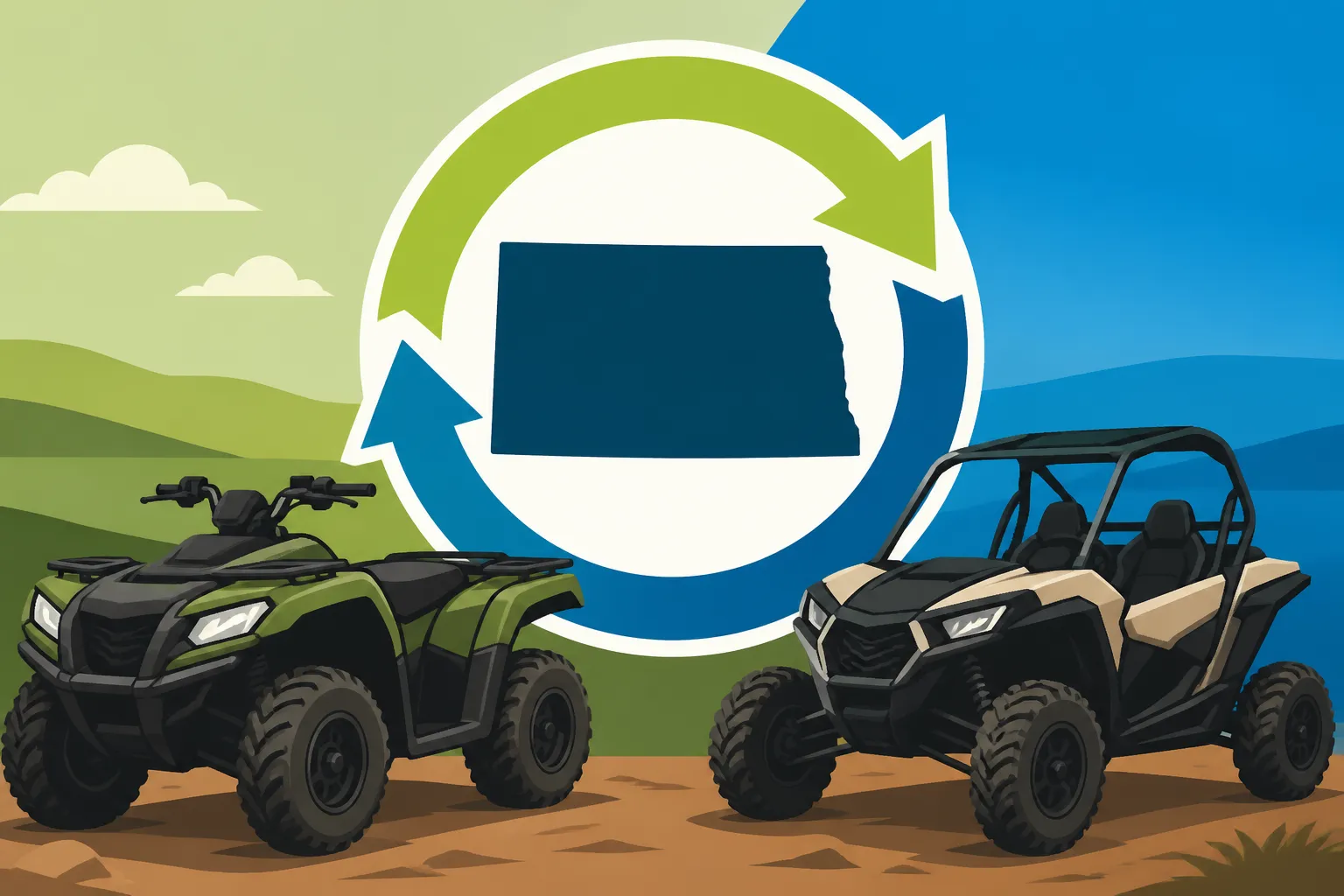
When you first dive into registering your ATV or UTV in North Dakota, you might notice something a little different right off the bat: it’s not an annual sticker or a yearly fee. Instead, the state operates on a two-year registration cycle for off-highway vehicles, which can be a relief once you understand how it works. This system is designed to streamline the process for both the state and OHV owners, cutting down on yearly paperwork and reminders.
The Core Two-Year Cycle
North Dakota mandates that all registerable OHVs—that's most ATVs, UTVs, and dirt bikes—are registered for a full two-year period. This means that once you register your machine, you're good to go for 24 months before needing to renew. The state has set up this system so that all OHV registrations expire on December 31st of even-numbered years. For instance, if you registered your machine at any point in 2023 or 2024, its initial registration would be valid until December 31, 2026. This consistent expiration date helps everyone keep track, creating a predictable rhythm for renewals across the state. Think of it as a synchronized dance where all machines come up for renewal at the same time, every other year. You can learn more about [North Dakota's Two-Year OHV Registration] in detail.
This approach offers a certain level of convenience, as you're not constantly thinking about renewal deadlines every single year. Instead, you have a solid two-year window of legal riding. It's a system that, while different from some neighboring states, aims to simplify compliance and administrative tasks for the state agencies involved. For example, rather than processing a mountain of renewals every single year, the state can focus its resources on this task every other year, theoretically leading to more efficient processing.
Initial Registration and Pro-Rating
So, what happens if you buy a brand-new side-by-side or a used ATV in the middle of a two-year cycle? This is where a lot of riders get a bit confused, and understandably so. If you register your OHV at any point during a given cycle, your initial registration will simply be valid until the next universal expiration date, which, as we mentioned, is December 31st of the next even-numbered year. This means your first registration might not be for a full 24 months.
For example, if you purchase an ATV in July 2023, your registration would be valid until December 31, 2024. That's not a full two years, but you still pay the full two-year registration fee. There's no pro-rating of the fee based on how many months are left in the cycle. Conversely, if you bought that same ATV in January 2024, your registration would also expire on December 31, 2024, essentially giving you just under a year of registration for the full two-year price. This is why some savvy buyers might try to time their purchases closer to the beginning of an even-numbered year if they're looking to maximize their initial registration period, though this isn't always practical. It’s part of the trade-off for having a uniform expiration cycle across all OHVs.
The state collects the full two-year fee regardless of when you register within the cycle, ensuring that the system remains simple and consistent for everyone. It means that whether you register on January 1st of an even year or December 30th of an odd year, you'll be paying the same amount for the time you're covered until the next December 31st of an even year. Knowing this upfront helps manage expectations and avoids any surprises when you're at the motor vehicle branch getting your paperwork done.
The Financial Side of a Two-Year Cycle
Understanding the two-year registration cycle isn't just about dates; it's also about what it means for your wallet. While the concept of paying for two years at once might seem like a larger lump sum initially, it’s important to look at the overall financial commitment and how it compares to an annual system. For many, the consistency and less frequent payment schedule can be a welcome change.
Total Costs Over Two Years
When you register your OHV in North Dakota, you're looking at a combination of a registration fee and a trail tax. Currently, you'll pay a nominal registration fee along with a specific trail tax, and both are collected for the entire two-year period upfront. [North Dakota Charges $5 Registration Plus $15 Trail Tax], so for a two-year period, this means a straightforward total cost, which might seem like a small amount when considering the benefit of being able to ride legally for 24 months. This combined fee covers the administrative costs of maintaining the registration system and, perhaps more importantly, contributes directly to the state’s OHV trail fund, helping to develop and maintain riding areas across North Dakota.
Compared to states that might have higher annual fees, North Dakota's two-year lump sum can sometimes feel like a bargain. You're paying once every two years, which can simplify your budgeting process. You don't have to remember a yearly expense for this particular item, making financial planning a bit easier for your OHV passion. It consolidates an expense that might otherwise be a yearly nuisance into a less frequent, predictable event. This structure also helps ensure that funds are consistently available for trail maintenance and development over a longer horizon.
When to Expect Renewal Notices
One of the biggest anxieties for any vehicle owner is missing a renewal notice and inadvertently letting their registration lapse. With North Dakota's two-year OHV cycle, you'll typically receive a renewal notice in the mail well in advance of the December 31st expiration date in even-numbered years. These notices are crucial reminders that it's time to renew your machine's registration for the next cycle. They usually contain all the necessary information and instructions for renewing, whether you choose to do it online, by mail, or in person at a motor vehicle branch.
However, life happens, and sometimes these notices go astray. Perhaps you moved and forgot to update your address with the state, or maybe it simply got lost in the shuffle of everyday mail. This is why it’s incredibly important to proactively update your address information with the North Dakota Department of Transportation whenever you move. A simple [North Dakota Registration Address Change] can prevent you from missing critical notifications and potentially facing penalties for an unregistered machine. While the state does its best to send reminders, the ultimate responsibility for renewing your OHV registration rests with you. If you haven't received a notice by late fall in an even year, it's always a good idea to reach out to a motor vehicle branch or check the DOT's website to confirm your expiration status.
Why North Dakota Chose This Cycle
It’s easy to look at a system and wonder why it was designed that way. North Dakota’s decision to implement a two-year registration cycle for OHVs isn’t arbitrary; it’s a deliberate choice with benefits intended for both the state's administrative functions and the OHV community itself. Understanding the rationale behind this approach can help you appreciate its advantages, even if it initially seems a bit different from what you might be used to.
Streamlining State Administration
One of the primary reasons for the two-year cycle is to make the administrative process more efficient for state agencies. Think about the sheer volume of paperwork and data entry involved in processing registrations for thousands of OHVs across North Dakota. By shifting to a biennial cycle, the Department of Transportation (DOT) and North Dakota Parks & Recreation (P&R)—the two agencies that manage different aspects of OHV fees—reduce their workload. Instead of processing renewals every 12 months, they only need to gear up for a full renewal period every 24 months.
This can lead to significant cost savings in terms of personnel hours, printing, mailing, and overall data management. It allows resources to be allocated more effectively to other important tasks during the off-renewal year, rather than being constantly tied up in processing. As you may know, [Why Two Agencies Split One Fee] is a whole other topic, but the two-year cycle helps both departments manage their respective portions of the process more smoothly. This efficiency helps ensure that the state can continue to provide services to OHV enthusiasts without being bogged down by perpetual paperwork.
Benefits for OHV Owners
Beyond state-level efficiencies, the two-year registration cycle offers some tangible benefits for OHV owners. For starters, it means fewer trips to the motor vehicle branch or fewer times you have to remember to log online and renew. Instead of a yearly chore, it becomes a once-every-two-years task, which can be a real time-saver. We all have busy lives, and cutting down on administrative errands is always a plus.
This cycle also brings a level of predictability to your OHV ownership. You know exactly when your registration will expire—December 31st of an even year—and you can plan accordingly. This predictability can help with budgeting, as you’ll know when that particular expense is coming due. For riders who enjoy taking their machines out frequently, it provides a longer, uninterrupted period of legal riding without the annual worry of an expiring sticker. This system is designed to be less intrusive, allowing you more time to actually enjoy your machine on North Dakota’s varied terrain, from the open prairies to the specific trail systems.
Navigating Expiration and Renewal
Even with a two-year cycle, the expiration date will eventually roll around, and knowing exactly what to do and when is vital. Letting your OHV registration lapse in North Dakota can lead to fines and legal headaches, which nobody wants when they’re just trying to enjoy a ride. Being prepared for renewal ensures a smooth transition to the next two-year period.
Knowing Your Expiration Date
The easiest way to check your OHV’s current registration status and expiration date is to look at your physical registration decal. This decal, which you’re required to display on your machine, clearly shows the month and year of expiration. For instance, it might say "DEC 26" indicating it expires December 31, 2026. This is your definitive guide for [When a North Dakota OHV Registration Expires]. If you’ve misplaced your decal or can't easily read it, you can also refer to your registration card or contact a local motor vehicle branch with your OHV's VIN.
It's critical to pay attention to that expiration date, especially as an even-numbered year approaches. Riding an unregistered OHV on public lands or ditches where registration is required can result in penalties. North Dakota takes its registration laws seriously, and an officer can ask to see proof of valid registration at any time. Imagine being pulled over during a fun ride and suddenly realizing your registration expired months ago. That can quickly turn a great day into a frustrating one, possibly incurring [North Dakota Penalties for Riding Unregistered]. So, make it a habit to glance at your decal occasionally, especially in the latter half of an even-numbered year.
The Renewal Process Explained
When it's time to renew your North Dakota OHV registration, the state offers several convenient options. Most people find it easiest to renew online through the North Dakota Department of Transportation website. This typically involves entering your registration or VIN number, verifying your information, and paying the applicable fee. The online system is usually available 24/7, making it a flexible choice for busy schedules. You can also renew by mail, which involves filling out the renewal notice you receive, attaching your payment, and sending it back in the provided envelope. For those who prefer a face-to-face interaction, you can always visit a local motor vehicle branch in person to complete your renewal. [North Dakota ATV Registration Renewal] is designed to be straightforward, regardless of the method you choose.
No matter how you renew, you'll eventually receive a new registration decal and card in the mail. It's important to promptly affix the new decal to your OHV in the designated spot, usually on the rear fender or a visible part of the frame, and keep your new registration card with your machine or on your person when riding. This demonstrates that your machine is properly registered for the current two-year cycle. Renewing on time ensures you can continue to explore North Dakota’s vast landscapes, from Pembina Gorge to Kimball Bottoms, without any interruptions or legal concerns.
Common Questions and Scenarios
Even with a clear understanding of the two-year cycle, certain situations can still raise questions. Life is rarely straightforward, and buying, selling, or moving can add layers of complexity to OHV registration. Let's tackle some of these common scenarios to help you navigate them with confidence.
Selling or Transferring an OHV Within the Cycle
What happens to that two-year registration if you decide to sell your ATV or UTV halfway through the cycle? This is a common question. In North Dakota, when you sell your registered OHV, the registration does not transfer with the machine to the new owner. As the seller, you should remove your existing decal from the machine. The new owner will then be responsible for registering the OHV in their name. This ensures that the state’s records are accurate and that the new owner is properly associated with the machine for the remainder of the cycle and subsequent renewals.
The new owner will go through the process of titling and registering the machine. They will typically need a bill of sale and the properly assigned title from you. Using a clear and comprehensive bill of sale, perhaps a template from a service like LawDepot, can make this process much smoother for both parties and provides documented proof of the transaction. The new owner will then pay the full two-year registration fee, regardless of how much time is left in the current cycle, just like in the initial registration scenario. This means your old decal becomes invalid, and the new owner gets a fresh one, tying the machine to their name for the current cycle. If you're [Selling a Registered OHV in North Dakota], make sure to communicate this clearly with the buyer to avoid confusion.
Moving to or From North Dakota
Life in North Dakota is great for OHV enthusiasts, but people do move in and out of the state. If you’re moving to North Dakota and bringing an OHV with you, you’ll generally need to register it in the state if you plan on riding on public lands or trails. This process typically involves titling the machine in North Dakota first, then proceeding with the OHV registration. There’s usually a grace period for new residents, but it’s best to get it done sooner rather than later. For more specific details, look into [North Dakota Registration for a New Resident].
Now, if you’re moving from North Dakota and you’ve just paid for a full two-year registration, you might wonder if you can get a refund for the unused portion. Unfortunately, [Does North Dakota Refund a Two-Year OHV Registration?] The answer is generally no. The registration fee is considered earned at the time of payment, and the state does not typically issue refunds for the remaining time if you move out of state or sell your machine. This is an important consideration for budgeting and timing your move, especially if you're on the cusp of a renewal period. For those who visit North Dakota for shorter periods, there's also the option of a [North Dakota Registration Versus a Non-Resident Permit], which is a different permit designed for out-of-state riders who aren't registering their machine permanently.
The Impact of Legislative Changes
Laws, even those governing something as seemingly straightforward as OHV registration, are not set in stone. Legislatures can and do introduce bills that change fees, cycles, or regulations. A recent example is [North Dakota HB 1346 and the 2025 Penalty Increase], which made changes to OHV laws, including increasing penalties for certain violations. While this particular bill didn't directly alter the two-year registration cycle itself, it illustrates that changes can happen.
It’s always a good idea for OHV owners to stay informed about legislative developments in North Dakota. State agencies usually provide updates on their websites, and local OHV clubs often keep their members abreast of proposed changes. Being aware of potential legislative impacts means you're prepared for any adjustments to fees, regulations, or even the registration cycle itself, ensuring you can continue to enjoy your passion without unexpected hurdles.
To help visualize how North Dakota's two-year system might compare to an annual one, here's a brief breakdown:
| Feature | North Dakota Two-Year OHV Registration | Hypothetical Annual Registration |
|---|---|---|
| Payment Frequency | Once every 24 months | Once every 12 months |
| Expiration Date | Dec 31st of even-numbered years | Varies (e.g., anniversary of registration) |
| Initial Registration Cost | Full 2-year fee | Full 1-year fee |
| Pro-Rating | Not typically available | Often pro-rated for partial year |
| Administrative Burden | Lower for state; less frequent for owner | Higher for state; more frequent for owner |
| Refund for Unused Time | Generally no | Sometimes available |
Disclaimer
This article is for general informational purposes only and does not constitute professional advice. Laws, prices and regulations vary by location and change over time. Consult a qualified professional for guidance on your specific situation.