North Dakota Rules for a Visiting Manitoba Rider
Heading to North Dakota for some ATV or UTV adventures sounds like an absolute blast! But if you're coming down from Manitoba, you might be scratching your head trying to figure out what paperwork and rules apply to you and your machine once you cross the border. It's a common point of confusion, and nobody wants to deal with a roadside stop or an unexpected fine when you're just trying to enjoy the wide-open prairie. This guide is here to unravel all those North Dakota rules specifically for visiting Manitoba riders, making sure your trip is legal, safe, and stress-free.
Understanding North Dakota's Non-Resident Permit Requirements
One of the biggest questions on any visiting rider's mind, especially from a neighboring province like Manitoba, is whether they need to register their ATV or UTV in North Dakota. The good news is, for most casual visits, North Dakota actually has a pretty straightforward system designed to welcome out-of-state and out-of-country riders without requiring a full registration process. However, there are some critical details you absolutely need to be aware of to ensure you're compliant.
The 30-Day Rule for Visitors
North Dakota has a specific exemption for non-resident OHV owners that often comes as a pleasant surprise. If your ATV or UTV is properly registered or licensed in Manitoba, and you're only planning to use it in North Dakota for thirty consecutive days or less, you are actually exempt from needing a North Dakota non-resident permit. This is fantastic news for those weekend warrior trips or week-long riding excursions across the border. Imagine loading up your side-by-side, driving down, and heading straight to the trails, knowing your Manitoba plate is all you need for that short burst of fun.
However, the key here is "thirty consecutive days or less." What happens if your trip stretches beyond that? Let's say you've got a cabin near Bottineau and you plan to leave your quad there for the entire summer, riding on and off. Or perhaps you're visiting family for an extended period, and your UTV is your primary mode of recreation for two months straight. In these scenarios, the thirty-day exemption no longer applies. Once you hit that 31st day of continuous presence and use, you are then required to obtain a North Dakota non-resident OHV permit. It’s not a full-blown registration like a resident would get, but it's essential for longer stays to avoid any issues. Always err on the side of caution and consider how long your machine will actually be in the state being used. If you're going to be around for more than a month, get the permit.
How to Obtain a North Dakota Non-Resident Permit
Should your stay exceed the 30-day exemption, or if you simply prefer to have the permit for peace of mind, obtaining a North Dakota non-resident OHV permit is relatively simple. These permits are crucial for visitors planning longer adventures or those who want to be fully prepared. You can typically purchase them directly from any North Dakota State Park office, making it convenient if you're already headed to a place like Pembina Gorge for riding. Many authorized OHV dealers across the state also sell them, as do some local motor vehicle branch offices. For ultimate convenience, the North Dakota Parks and Recreation Department often provides an option to purchase these permits online before you even cross the border, which can save you time upon arrival.
The permit itself is quite affordable, and it’s valid from January 1st through December 31st of the year it’s purchased, regardless of when you buy it. This means if you buy it in July, it's still good until the end of December. The permit acts as your official permission to operate your Manitoba-registered OHV on public lands and designated routes in North Dakota. It covers the basic access requirements. Keep in mind, this permit specifically addresses your machine's ability to be on North Dakota's public riding areas. It doesn't replace your Manitoba registration or insurance, nor does it override any specific laws about operating your machine on roads, which we'll delve into shortly. For more details on where and how to acquire these, check out [North Dakota Permits for Visiting Riders] and understand the [North Dakota Non-Resident Permit Cost].
Special Considerations for Tracked Dirt Bikes
While most ATVs and UTVs fall under the general non-resident permit rules, there's a specific carve-out you need to know about if you're bringing a tracked dirt bike. These machines, often equipped with specialized track systems for winter riding or aggressive off-road conditions, are treated a bit differently under North Dakota law. Even if your tracked dirt bike is properly registered in Manitoba and you qualify for the 30-day exemption for other OHVs, North Dakota still requires a separate permit for tracked dirt bikes, regardless of how long you're visiting.
This additional requirement is due to the unique impact and operational characteristics of tracked machines. It's a small extra step, but a very important one to ensure compliance and avoid any penalties. This permit specifically allows the operation of the tracked dirt bike. The fee for this permit is separate from any standard non-resident OHV permit you might need for a conventional ATV or UTV if your stay exceeds 30 days. So, if you're packing your tracked bike, make sure to budget for and acquire this specific permit. You can find more information about this unique requirement by looking up [North Dakota Tracked Dirt Bike Permits].
Navigating North Dakota's Road and Trail Access
Once your machine is legally permitted for use, the next big question for any visitor is, "Where can I actually ride?" North Dakota offers a unique blend of riding opportunities, from designated trail systems to expansive ditch riding and specific road access. However, these opportunities come with their own set of rules that can differ significantly from what you might be used to in Manitoba. Understanding these distinctions is crucial for a smooth and enjoyable trip.
General Road Riding Rules for OHVs
This is where things can get a little tricky, as North Dakota has specific rules about where and how OHVs can operate on public roads. Unlike some areas where virtually all roads might be open, North Dakota designates certain types of roads for OHV use under specific conditions. Generally, you'll find that gravel roads are often open to registered or permitted OHVs, especially township and section line roads, which crisscross the prairie in a grid pattern. Paved roads, however, are usually more restricted, often with speed limits that your OHV must be capable of meeting (typically 30 mph for most roads, or 55 mph and even 65 mph for Class III UTVs on specific, designated roads). Knowing [North Dakota ATV Road Rules by Surface Type] is paramount.
When you are allowed to ride on a road, your machine must be equipped to be "road legal" in North Dakota. This isn't just a suggestion; it's a requirement. Your ATV or UTV needs:
- Mirrors: At least one mirror, providing a clear view of the roadway to the rear. Many riders add a second for optimal visibility, and you can find great aftermarket options from brands like SuperATV that are designed for rugged off-road use but meet road requirements.
- Horn: An operational horn, audible from at least 200 feet, to alert other vehicles or pedestrians.
- Headlamp and Taillight/Brake Light: A headlamp visible from 300 feet and a functional taillight that illuminates when brakes are applied. If you're riding after dark, your headlamp must adequately illuminate the road ahead.
- Speedometer and Odometer: A working speedometer that measures in miles per hour is required.
These requirements ensure that when you share the road with other vehicles, your machine is as visible and communicative as possible. It's not just about compliance; it's about safety for everyone on the road. Familiarize yourself with specifics like [North Dakota Mirror and Horn Requirements] and [North Dakota Speedometer and Odometer Rule].
Ditch Riding: North Dakota's Unique Feature
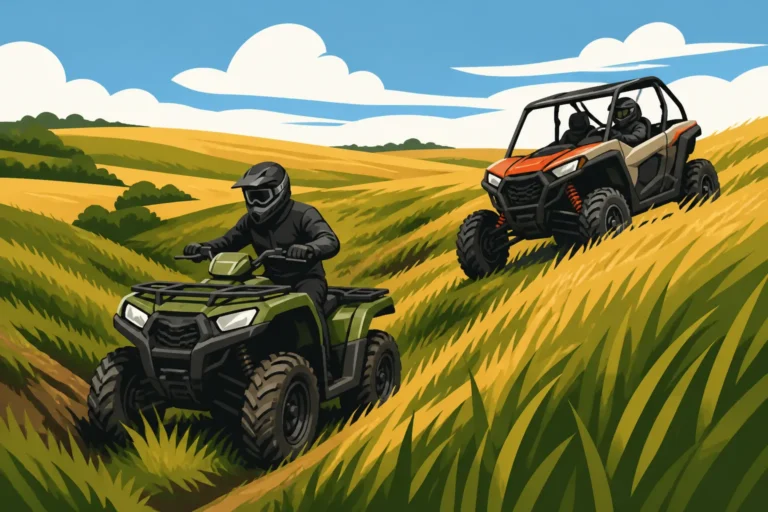
One of the most distinctive aspects of OHV riding in North Dakota, and often a point of curiosity for visitors, is the legal allowance for "ditch riding." Unlike many places where ditch lines are off-limits, North Dakota permits the operation of registered or permitted OHVs in the ditch bottoms and back-slopes of most public roads. This effectively creates a vast, interconnected network of riding opportunities that can span hundreds of miles, connecting towns, hunting areas, and scenic spots across the state. This is truly a unique aspect of the prairie riding experience, offering long, unobstructed runs.
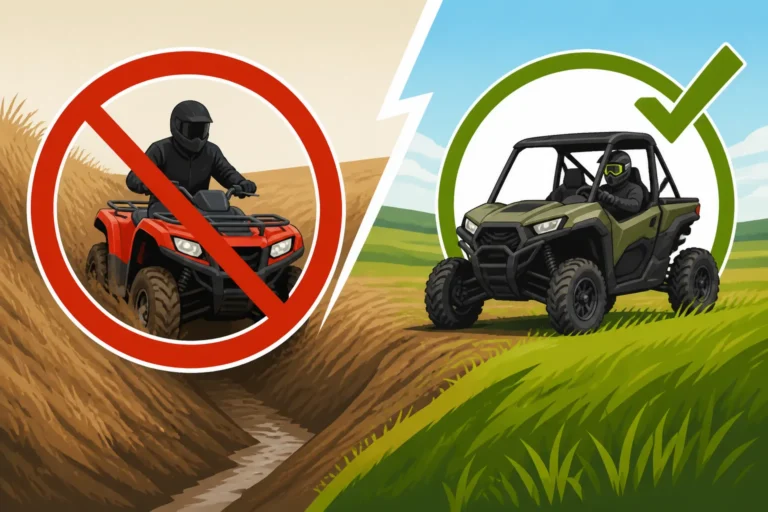
However, "ditch riding" isn't a free-for-all. There are very specific rules to follow to ensure safety and prevent property damage. You must generally stay within the ditch bottom and on the back-slope, avoiding the inslope and shoulder of the road, which are considered part of the traffic lane. You're also typically allowed to cross approaches (driveways or field entrances) and pass obstructions, but must return to the ditch as soon as safely possible. You cannot ride in ditches adjacent to interstates or other controlled-access highways. Understanding [North Dakota Ditch Riding: The Legal Right Explained] and [Riding North Dakota's Ditch Bottom and Back-Slope] is essential before you attempt this type of riding. While it offers incredible access, it demands respect for the regulations and awareness of other vehicles, agricultural equipment, and potential hidden hazards like culverts.
Designated OHV Trails and Areas
Beyond the vast network of open roads and ditches, North Dakota also boasts several dedicated OHV parks and trail systems. These areas are specifically designed for off-highway vehicle recreation and offer a more traditional trail riding experience, often with varying terrain and scenic vistas. Popular spots include:
- Pembina Gorge State Recreation Area: Located in the northeastern part of the state near Walhalla, this area offers miles of wooded trails, river crossings, and elevation changes – a stark contrast to the flat prairie. It's a fantastic destination for riders looking for a more challenging and scenic adventure. For more details, see [Pembina Gorge: North Dakota's OHV Trail Park].
- Roughrider OHV Trail: This trail system links Fort Abraham Lincoln State Park and Fort Rice, offering a unique historical and natural experience along the Missouri River corridor. It's a great option for longer rides.
- Turtle Mountain Recreation Area: Northwest of Bottineau, this area provides a mix of forested trails, often shared with other users like horseback riders, and offers a beautiful, rolling landscape.
- Kimball Bottoms OHV Area: Just south of Bismarck, this is an "open play" area along the Missouri River, popular for riders who enjoy sand bars and wide-open spaces to hone their skills.
When planning a trip to any of these designated areas, always check the current trail status. Conditions can change rapidly due to weather, especially after heavy rains which can lead to temporary closures to prevent trail damage and ensure rider safety. The North Dakota Parks and Recreation Department's website or dedicated trail apps are usually the best sources for up-to-date information. While the ditches offer broad access, these dedicated trails provide a managed, exciting, and often more challenging riding experience. For a comprehensive overview, look up [North Dakota OHV Trails: All Four Riding Areas].
Safety, Equipment, and Local Etiquette for Manitoba Riders
Beyond understanding where you can ride, ensuring you're doing so safely and respectfully is paramount. North Dakota has specific safety requirements and, like any good riding community, a set of unwritten rules of etiquette that make for a better experience for everyone. As a visiting rider from Manitoba, being aware of these aspects will not only keep you out of trouble but also ensure you have the most enjoyable and welcoming experience possible.
Helmet and Safety Course Requirements
Safety is a top priority on North Dakota's trails and roads. For any rider or passenger under the age of 18, wearing an approved helmet is mandatory. This isn't just a suggestion; it's a legal requirement designed to protect young riders. The helmet must meet U.S. Department of Transportation (DOT) standards. This rule applies regardless of whether you're a resident or a visitor, so make sure all younger members of your riding party are properly geared up. Check out [North Dakota Helmet Law for Riders Under 18] for more specifics.
When it comes to safety certificates, North Dakota requires riders under 16 years of age to complete an OHV safety course if they are operating an OHV off their parent's or guardian's land. This is a resident-focused rule, but it raises a common question for visitors: Does my Manitoba safety certificate count? Unfortunately, North Dakota has no reciprocity with any other state or province regarding OHV safety certificates. This means that if you have a rider under 16 in your party who plans to operate their own machine on public lands or trails in North Dakota (and not just on private property where their parent is present), their Manitoba certificate might not be recognized as fulfilling the North Dakota requirement. It's best to confirm with the North Dakota Parks and Recreation Department directly if this situation applies to you. For a deeper dive into this, see [North Dakota Safety Certificates at Age 12] and [North Dakota Has No Reciprocity With Any State].
Essential Gear and Machine Setup
Preparing your machine and yourself with the right gear can make all the difference, especially when exploring North Dakota's diverse terrain. Beyond the legally required mirrors, horn, and lighting mentioned earlier, there are several practical items you should consider:
- Spark Arrester: All OHVs operating on public land in North Dakota must be equipped with a US Forest Service approved spark arrester. This is crucial for preventing wildfires, especially during dry prairie conditions.
- Muffler: Your machine must have an effective muffler system to prevent excessive or unusual noise. [North Dakota Muffler Requirements] are in place to ensure a respectful and quiet riding environment.
- Tires: If you're planning on riding in the spring or after rain, be prepared for North Dakota's infamous "gumbo mud." It's incredibly sticky and can quickly clog tire treads. Tires with an aggressive, open pattern, potentially from a brand like SuperATV, can help with traction in these challenging conditions.
- Basic Toolkit & Recovery Gear: A small toolkit for on-the-spot repairs, a tire repair kit, and a tow strap are highly recommended. Getting stuck in gumbo or needing a pull out of a sandy spot is a real possibility, and having a quality winch, perhaps from SuperATV, can be a lifesaver for self-recovery or helping a fellow rider. Carrying extra fuel, water, and a first-aid kit is also wise, especially on longer, more remote rides.
Respecting Posted Land and Local Customs
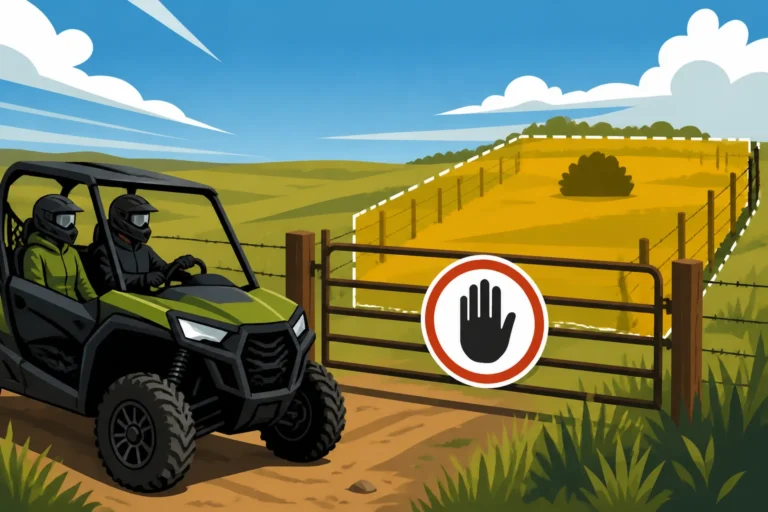
North Dakota has strong laws regarding private property, and respecting posted land is not just polite – it's the law. Never ride on private land without explicit permission from the landowner, and ideally, have that permission in writing. Fences, gates, and "No Trespassing" signs should always be respected. If you encounter a closed gate on a section line or grassland road, close it behind you to ensure livestock stay put. This shows respect for agricultural operations that are integral to the North Dakota landscape. You can learn more about this by reading [North Dakota Posted Land Rules for Riders] and [Landowner Permission in Writing].
Beyond the law, a little common courtesy goes a long way. When passing horses or hikers on shared trails, slow down, give them plenty of space, and be prepared to stop if needed. Keep noise levels down, especially in residential areas or near campgrounds. And, of course, always practice Leave No Trace principles: pack out everything you pack in, and leave the natural environment as you found it. By following these guidelines, you'll not only have a fantastic time but also help foster a positive perception of OHV riders in North Dakota.
North Dakota OHV Permit and Equipment Checklist for Manitoba Riders
Here's a quick summary to help you prepare for your North Dakota adventure:
| Item | Requirement for Manitoba Riders | Notes |
|---|---|---|
| Non-Resident Permit | Required if staying > 30 consecutive days, or for specific tracked dirt bikes. Otherwise, Manitoba registration is sufficient for short visits. | Purchase online, at state parks, or select dealers. Valid Jan 1 – Dec 31. |
| Manitoba Registration | Required for your machine in Manitoba. Serves as proof for ND's 30-day exemption. | Ensure it's current and visibly displayed per Manitoba law. |
| Manitoba Insurance | Required for your machine in Manitoba. Always carry proof. | North Dakota doesn't mandate specific liability for OHVs off public roads, but it's always wise. |
| Helmet (Under 18) | Mandatory for all riders and passengers under 18 years old. | Must be DOT-approved. |
| OHV Safety Course | Required for ND residents under 16 for public land use. Manitoba certificates not reciprocated. Advise caution for young riders. | Confirm with ND Parks & Rec if your young rider plans extensive public land use. |
| Mirrors (Road Use) | At least one, providing rear view, if riding on public roads. | Consider aftermarket options like those from SuperATV for durability and compliance. |
| Horn (Road Use) | Operational, audible from 200 feet, if riding on public roads. | Essential for safety on shared roadways. |
| Headlamp & Taillight | Functional for all riding, mandatory for road use and night travel. | Headlamp visible 300ft, taillight when braking. |
| Speedometer (Road Use) | Working, measures in mph, if riding on public roads. | Ensures compliance with posted speed limits. |
| Spark Arrester | US Forest Service approved, for all OHVs on public land. | Critical for wildfire prevention. |
| Muffler | Effective in preventing excessive noise. | Helps maintain a respectful riding environment. |
| Tow Strap/Winch | Highly recommended for recovery, especially in mud or sand. | Brands like SuperATV offer robust recovery gear. |
| First-Aid Kit | Essential for any riding adventure, especially in remote areas. | Don't leave home without it. |
| Permission Slip | Written permission if riding on private land. | Always respect private property laws and local landowners. |
As a visiting Manitoba rider, you're now armed with the knowledge to navigate North Dakota's OHV landscape safely and legally. The open prairies, unique ditch riding, and designated trail systems offer an incredible experience. By understanding the permit requirements, road rules, and general etiquette, you're set for an unforgettable adventure. Enjoy the ride, stay safe, and welcome to North Dakota!
Disclaimer
This article is for general informational purposes only and does not constitute professional advice. Laws, prices and regulations vary by location and change over time. Consult a qualified professional for guidance on your specific situation.