Helmets Meeting the DOT Standard
When you're out exploring North Dakota's vast and beautiful landscape on your ATV or UTV, the last thing you want to worry about is whether your head protection is up to snuff. The truth is, navigating the world of helmet standards can feel a bit like slogging through gumbo mud after a spring rain, leaving many riders confused about what "DOT approved" actually means and why it's so important for staying safe on the trails and ditches of our great state. This guide is here to clear up that confusion, diving deep into what it truly takes for a helmet to meet the Department of Transportation's rigorous standards and why making the right choice could literally be a life-saver for you and your family.
Why North Dakota Cares About DOT-Approved Helmets
Riding an off-highway vehicle (OHV) in North Dakota offers incredible freedom and exhilarating experiences, but it also comes with inherent risks. From navigating sandy riverbeds near the Missouri to tackling a muddy section line, the potential for an unexpected spill is always there. This isn't about scaring anyone, but about being realistic and prepared. That's precisely why understanding and choosing a helmet that meets the DOT standard isn't just a suggestion; it's a critical component of responsible riding, especially for certain age groups in our state.
The Law and Rider Safety
Let's talk about the letter of the law first, because it's the baseline for everyone. In North Dakota, if you're under the age of 18, wearing a helmet isn't optional; it's absolutely required. And not just any helmet will do – it must be one that meets the U.S. Department of Transportation (DOT) Federal Motor Vehicle Safety Standard (FMVSS) 218. This specific regulation sets the bar for what kind of protection is deemed adequate. This rule is in place for a very good reason: head injuries can be devastating, and younger riders, perhaps still developing their judgment and reflexes, are particularly vulnerable. You can find more details about this crucial regulation in our article on [North Dakota Helmet Law for Riders Under 18].
Beyond the legal mandate for youth, the principle of wearing a DOT-approved helmet extends to all riders, regardless of age, as a fundamental safety practice. Think about it: whether you're cruising on a utility-focused side-by-side or pushing the limits on a sport ATV, the ground is just as hard for a 40-year-old as it is for a 14-year-old. Accidents can happen in a flash – a sudden loss of traction on loose gravel, an unexpected rut in a ditch, or even just misjudging a turn. In these scenarios, a helmet acts as your primary defense. It’s not just about preventing a scrape or bruise; it’s about absorbing and dispersing the impact energy that could otherwise cause severe brain trauma. When we talk about safety out on the prairie or along a frozen river, it's not just about enjoying the ride; it's about making sure you can keep riding for many years to come.
Understanding the "DOT Standard"
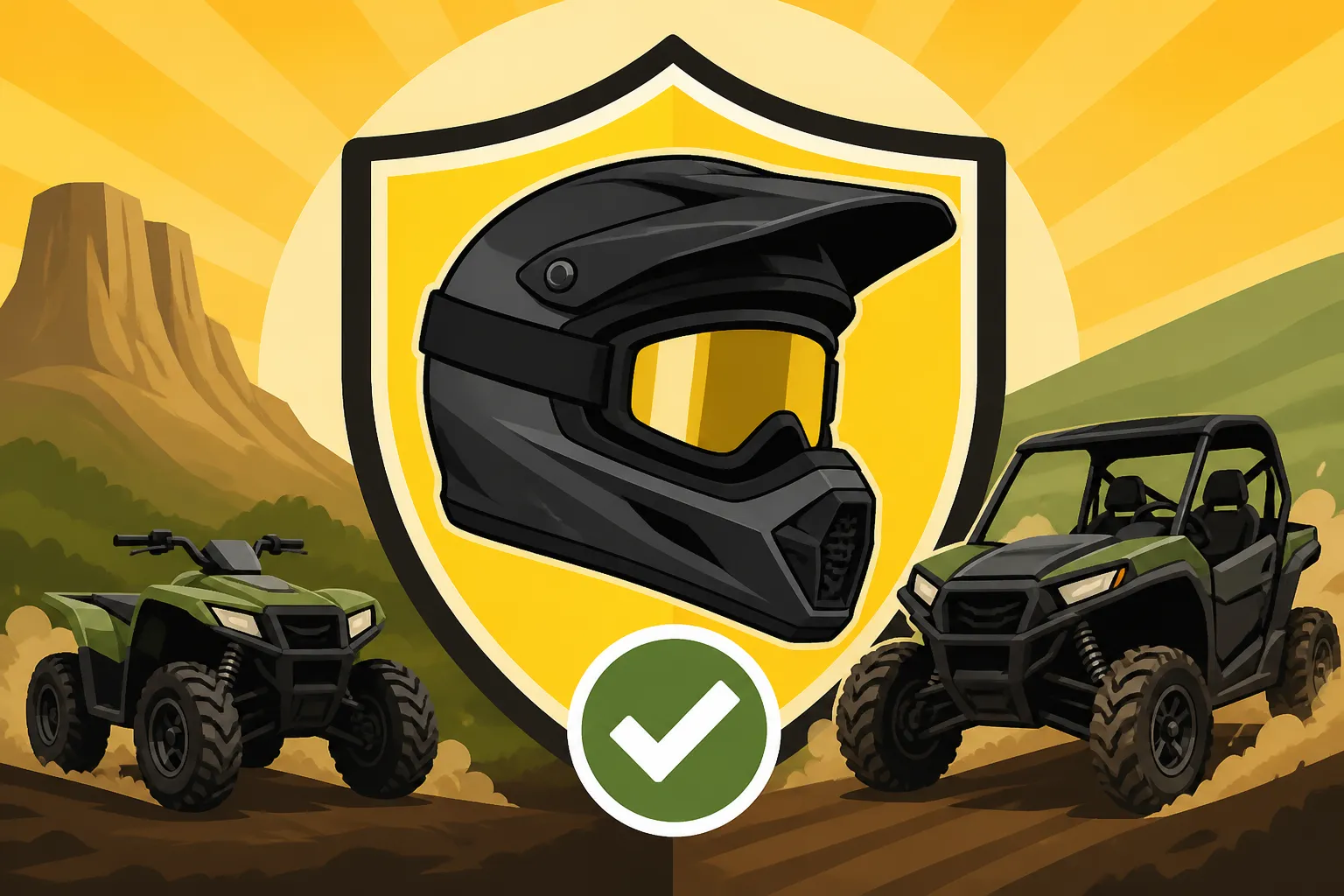
So, what does "DOT approved" actually mean? It refers to the FMVSS 218 standard, which outlines specific performance requirements that helmets must meet to be legally sold for street use (and by extension, used in states like North Dakota where it's mandated for OHVs). The Department of Transportation doesn't actually "approve" individual helmets in the way a doctor approves a prescription. Instead, helmet manufacturers self-certify that their helmets meet the standard. They conduct their own testing, and if a helmet passes, they affix the recognizable DOT sticker to the back.
This sticker isn't just for show; it's a declaration from the manufacturer that their product has undergone a series of tests designed to ensure a minimum level of protection. These tests typically involve impact absorption, penetration resistance, and retention system (chin strap) integrity. For instance, the helmet is dropped from various heights onto different surfaces to measure how much force is transmitted to a headform inside. They also check to see if a sharp object can pierce the shell or if the chin strap will fail under tension. What this means for you, the rider, is that when you see that DOT sticker, you can be confident that the helmet provides a baseline level of protection against common impact scenarios. However, it's crucial to understand that while a helmet with a DOT sticker means it has met these minimum standards, not all DOT helmets are created equal in terms of features, comfort, or additional safety certifications (like Snell or ECE, which often exceed DOT standards). It’s the starting point, not necessarily the finish line, for choosing optimal protection.
What to Look For in a DOT-Approved Helmet
When you're shopping for a helmet, that little DOT sticker is your first clue that you're on the right track. But just like choosing the right tires for [North Dakota's Gumbo Mud and What It Does], there's a lot more to consider than just a basic label. A truly effective helmet is a marvel of engineering, designed to protect your most vital organ during an impact. Understanding its components and how they work together is key to making an informed decision that could genuinely save your hide.
Key Features and Construction
A helmet isn't just a hard shell; it's a multi-layered system engineered for energy absorption and dispersion. Let's break down the typical construction:
- The Outer Shell: This is the first line of defense you see. It's designed to be tough and rigid, acting as a shield to prevent sharp objects from penetrating and to spread impact forces over a wider area. Common materials include polycarbonate (a durable plastic), fiberglass composite, or even advanced materials like carbon fiber. Polycarbonate helmets are often more affordable and quite resilient, while fiberglass and carbon fiber offer lighter weight and often superior strength, though at a higher price point. For instance, if you're frequently hitting gnarly trails that might involve low-hanging branches or flying debris, a more robust shell material could offer peace of mind.
- The Impact-Absorbing Liner: This is arguably the most critical component. Typically made of expanded polystyrene (EPS) foam, this thick layer is designed to crush and deform upon impact, absorbing kinetic energy and slowing down your head's movement to reduce the risk of concussions and other brain injuries. Different helmets might feature multi-density EPS liners, meaning softer foam in some areas for lower-speed impacts and denser foam in others for higher-speed, concentrated forces. It's a precise balance, ensuring that the helmet can dissipate energy effectively without being overly bulky or heavy.
- The Comfort Padding (or Liner): This is the part that touches your head and face. Made from soft, moisture-wicking fabrics, it's all about comfort, fit, and hygiene. Good comfort padding ensures the helmet fits snugly without pressure points and helps manage sweat during a long ride on a warm summer day. Many modern helmets feature removable and washable liners, a blessing after a dusty ride or a particularly sweaty session.
- The Retention System (Chin Strap): This is what keeps the helmet securely on your head during a crash. A DOT-approved helmet will always have a robust chin strap, typically a D-ring closure or a quick-release buckle. It’s imperative that this strap is always fastened snugly. A helmet, no matter how advanced, can't protect you if it comes off during an impact.
Each of these components works in concert. The outer shell deflects and spreads the initial force, the EPS liner crushes to absorb the bulk of the energy, and the comfort padding ensures a secure fit while the retention system keeps everything in place. Companies like SuperATV, known for their wide range of off-road accessories, also often highlight the importance of high-quality protective gear from reputable manufacturers, understanding that these details make all the difference when you're out there pushing your machine.
Beyond the Sticker: Fit and Comfort
While the DOT sticker tells you a helmet meets minimum safety standards, it doesn't tell you how well it will protect your head. That comes down to fit, and it cannot be overstated: a poorly fitting helmet is a poorly protecting helmet. A helmet that's too loose will shift on your head, potentially obstructing your vision and failing to stay in place during a crash. One that's too tight can cause headaches and discomfort, distracting you from the trail ahead.
Here are some tips for achieving the proper fit:
- Snug but Not Painful: The helmet should feel snug all around your head, with no pressure points. It shouldn't jiggle when you shake your head side-to-side or up-and-down.
- Level on Your Head: The helmet should sit level on your head, not tilted back exposing your forehead. The top of the eyeport should be just above your eyebrows.
- Cheek Pad Pressure: You should feel firm, even pressure on your cheeks. If your cheeks aren't being gently compressed, the helmet might be too wide.
- Chin Strap Test: Once fastened, try to roll the helmet forward and backward. There should be minimal movement, and you shouldn't be able to pull it off your head.
- Try Before You Buy: Just like you wouldn't buy a pair of boots without trying them on, never buy a helmet sight unseen, especially if you can help it. Head shapes vary widely, even within the same size. What feels right for one person might be uncomfortable for another.
Beyond fit, consider the type of helmet that best suits your riding.
- Full-Face Helmets: Offer the most comprehensive protection, covering your entire head and face. They're great for high-speed riding, protecting against roost, debris, and harsh weather.
- Open-Face (3/4) Helmets: Provide good head protection but leave your face exposed. These are often chosen for more casual UTV riding where a windshield offers some face protection, but they absolutely require goggles for eye safety.
- Modular (Flip-Up) Helmets: Offer the versatility of a full-face helmet with the option to flip up the chin bar. They're popular with touring riders but can be heavier and sometimes less protective than dedicated full-face designs.
- Off-Road (Dirt Bike) Helmets: Characterized by an aggressive chin bar, a large visor, and excellent ventilation. They're designed for the physical demands of off-road riding, often paired with goggles. These are very popular for ATV riders and even some open-cab UTVs.
Your choice should ultimately balance the level of protection you need with the comfort necessary for those long days exploring [North Dakota's OHV Trails: All Four Riding Areas] or navigating [North Dakota Ditch Riding: The Legal Right Explained].
Protecting Yourself on North Dakota's Terrain
North Dakota presents a unique tapestry of riding environments, from the rolling hills of Pembina Gorge to the flat, agricultural section lines that crisscross the state. Each of these settings, along with our famously variable weather, can influence not only your riding technique but also the type of protective gear that will serve you best. Your helmet choice needs to be as adaptable as a North Dakota farmer in a changing season.
Riding Conditions and Helmet Choices
When you're riding a Class I ATV or a Class II side-by-side in North Dakota, the conditions can change faster than a prairie thunderstorm. One moment you might be on hard-packed gravel, the next you're sinking into soft sand or navigating a muddy ditch bottom. Your helmet needs to be suited to these varied challenges.
- Dust and Debris: North Dakota is known for its open spaces, and with that often comes dust, especially during dry periods. A full-face or off-road helmet paired with goggles offers superior protection against dust, bugs, and kicked-up rocks. Without a full face shield or good goggles, your vision can quickly become compromised, leading to dangerous situations. Imagine riding the Roughrider OHV Trail on a windy day; without proper eye protection, you'd be squinting and miserable, making it impossible to see upcoming obstacles.
- Weather Extremes: Our summers can be hot and humid, while winters are, well, North Dakota winters. For summer riding, excellent ventilation is key to preventing overheating and fatigue. Many off-road helmets are designed with numerous vents to maximize airflow. For colder weather, you might want a helmet that offers better insulation or consider accessories like a balaclava or a breath box to prevent fogging and keep you warm. Some modular helmets offer a good compromise, allowing you to seal out the cold or open up for more airflow as needed.
- Speed and Impact Potential: While a [North Dakota Class III Machines Under 8,000 Pounds] might be cruising on a designated gravel road, a smaller [North Dakota Class I Machines Defined] could be navigating tight, technical trails. Higher speeds increase impact energy, making robust shell materials and multi-density EPS liners even more critical. For lower-speed, more technical riding, flexibility and field of vision become paramount.
- Complementary Gear: A helmet is part of a larger safety system. Always pair your DOT-approved helmet with appropriate eye protection (goggles or a face shield). Additionally, consider gloves, sturdy riding boots, and body armor, especially if you're engaging in more aggressive riding. A chest protector can prevent serious injuries from impacts with handlebars or branches. Just as you wouldn't drive a truck across the state without proper tires and fluids, don't ride your OHV without a full complement of protective gear. Many riders look to retailers that carry a full line of accessories, including items from brands like SuperATV, to ensure they have everything they need for a safe and enjoyable ride.
Maintenance and Replacement
Even the best DOT-approved helmet won't protect you if it's not properly maintained or if it's past its prime. Think of your helmet as a perishable item, designed to do its job once, or at least for a limited lifespan.
- Cleaning: After a dusty ride through the Badlands or a muddy adventure, your helmet will need a clean. Use mild soap and water for the shell, and follow the manufacturer's instructions for cleaning removable comfort liners. Never use harsh chemicals or solvents, as these can degrade the helmet's materials, especially the EPS liner, compromising its protective capabilities.
- Storage: Store your helmet in a cool, dry place, away from direct sunlight or extreme temperatures. Excessive heat, like leaving it in a hot car trunk, can degrade the EPS foam over time. Keep it away from petroleum products, which can also damage the materials. A helmet bag is a great investment to protect it from scratches and dust.
- Replacement After Impact: This is non-negotiable. If your helmet has sustained any impact, even if there's no visible damage, it needs to be replaced immediately. The EPS foam liner is designed to crush and absorb energy during an impact, and once it has done its job, it won't be as effective a second time. It’s a single-use safety device in this regard. Don't gamble with your brain.
- Age and Wear: Even without an impact, helmets have a lifespan. The materials, especially the EPS foam and glues, degrade over time due to exposure to UV light, sweat, and general wear and tear. Most manufacturers recommend replacing a helmet every five years from its manufacture date, or sooner if you notice significant wear, cracking, or deterioration of the materials. Check the manufacturing date sticker, usually located inside the helmet, to know its age. Over time, things like a fading DOT decal or worn chin straps are also signs that it might be time for a new lid.
Choosing the Right Helmet for Your Riding Style and Machine
Selecting the perfect DOT-approved helmet isn't a one-size-fits-all situation, especially given the distinct differences between ATV and UTV riding, and the crucial considerations for our youngest riders. Your choice should align with how and where you ride, ensuring maximum protection for every adventure across North Dakota.
ATV vs. UTV Helmet Considerations
While both ATVs and UTVs are off-highway vehicles, the riding experience and associated risks can vary, which in turn influences helmet choice.
-
ATV Riding: Riders on Class I machines, traditional ATVs, typically experience a more active and exposed ride. You're often more engaged physically, shifting your weight, and more susceptible to direct exposure from elements like roost, branches, and wind. For this reason, off-road (motocross-style) helmets are overwhelmingly popular among ATV riders. These helmets offer:
- Excellent Ventilation: Crucial for physical exertion, especially when working hard on a tricky section or navigating rough terrain.
- Aggressive Chin Bar: Provides significant face protection from impacts and roost, often extending further than a typical street helmet.
- Visor: Helps block sun glare and deflects debris.
- Room for Goggles: Off-road helmets are designed to be worn with goggles, which offer superior dust and impact protection compared to integrated face shields that can fog up.
- Lighter Weight: Generally lighter than full-face street helmets, reducing neck fatigue during dynamic riding.
-
UTV Riding: Class II machines, or side-by-sides, offer a different dynamic. You're often seated with a steering wheel, similar to a car, and many UTVs come with roofs, windshields, and even doors. This can lead some riders to believe they don't need as much protection. However, UTVs are heavy, powerful machines capable of high speeds and rollovers, making robust head protection absolutely essential.
- Full-Face or Modular Helmets: While off-road helmets work well, many UTV riders opt for full-face street helmets or modular helmets. These offer integrated face shields that provide excellent protection from wind, dust, and debris, especially if your UTV doesn't have a full windshield or if you frequently ride in dusty conditions. The face shield can be particularly convenient for communication or quick sips of water without removing the helmet.
- Communication Systems: Many UTV groups use in-helmet communication systems. Full-face and modular helmets are often easier to integrate these systems into.
- Visibility: Ensure the helmet provides a wide field of vision, crucial for spotting other riders or potential hazards, especially if you're leading a group on a [North Dakota Group Ride Planning].
- Roll-Over Protection: In the event of a UTV rollover, the forces can be immense. A DOT-approved helmet is vital, providing the necessary impact absorption to protect your head even within the safety of a roll cage. For example, SuperATV offers many UTV accessories, including roof kits and windshields, but even with these additions, a quality helmet remains your primary defense in a rollover scenario.
The key takeaway is that whether you're straddling an ATV or sitting in a UTV, you are still exposed to significant risks. Always prioritize a DOT-approved helmet that offers ample protection for the specific demands of your machine and your riding environment.
Youth Riders and Specialized Helmets
North Dakota law is very clear: riders under the age of 18 must wear a DOT-approved helmet. This isn't just a rule; it's a critical safety measure for our youngest and often most enthusiastic riders. But it's not enough to simply hand a child a smaller adult helmet.
-
Youth-Specific Helmets are Essential: Adult helmets are designed for adult head and neck structures. A child's head-to-body ratio is different, and their necks are not as strong. A helmet that is too heavy or improperly sized for a child can actually increase the risk of neck injury, or simply be so uncomfortable that they won't wear it properly. Youth-specific helmets are designed with:
- Lighter Weight: Reducing strain on developing neck muscles.
- Appropriate Sizing and Proportions: Designed to fit smaller head circumferences and shapes correctly, ensuring the impact-absorbing liner is positioned where it needs to be.
- Child-Friendly Graphics: Let's be honest, getting kids excited about safety gear can sometimes be a challenge. Cool graphics and colors can go a long way in encouraging consistent wear.
-
Never Hand Down an Impacted Helmet: Just as with adult helmets, if a youth helmet has been involved in any impact, it must be replaced immediately. Its ability to protect has been compromised.
-
Regular Fit Checks: Children grow quickly! What fit perfectly last season might be too small this year. Regularly check the fit of your child's helmet to ensure it remains snug and secure. Ill-fitting helmets are not only uncomfortable but also significantly less effective.
-
Lead by Example: The best way to encourage youth riders to wear their helmets is for adults to wear theirs too. When parents and guardians consistently wear DOT-approved helmets, it normalizes the practice and reinforces its importance.
Ensuring youth riders have properly fitted, DOT-approved helmets is a responsibility that cannot be overlooked. Pair this with proper [North Dakota OHV Safety Certificates at Age 12] and supervision, and you're building a foundation for a lifetime of safe and enjoyable riding.
| Helmet Type | Best For | Key Features | North Dakota Use Case |
|---|---|---|---|
| Off-Road (Dirt) | ATVs, aggressive UTV riding, heavy dust | Lightweight, excellent ventilation, large visor, extended chin bar, goggle-compatible | North Dakota Riding on Corps of Engineers Land, muddy trails, dusty section lines |
| Full-Face | UTVs with windshields, general ATV riding | Integrated face shield, good wind/debris protection, quieter, typically heavier | [North Dakota Rules for Riding After Dark], paved roads with a Class III machine, colder weather |
| Modular (Flip-Up) | UTVs, touring, varying conditions | Convertible chin bar, good versatility, can be heavier, face shield | Social UTV rides, quick stops for conversation or photos, less aggressive trail riding |
| Open-Face (3/4) | UTVs with full enclosures, very casual riding | Less protection for face/chin, requires goggles, good airflow | Leisurely UTV cruising on open private land, low-speed utility work |
Disclaimer
This article is for general informational purposes only and does not constitute professional advice. Laws, prices and regulations vary by location and change over time. Consult a qualified professional for guidance on your specific situation.