Damaging Growing Stock in a Nursery
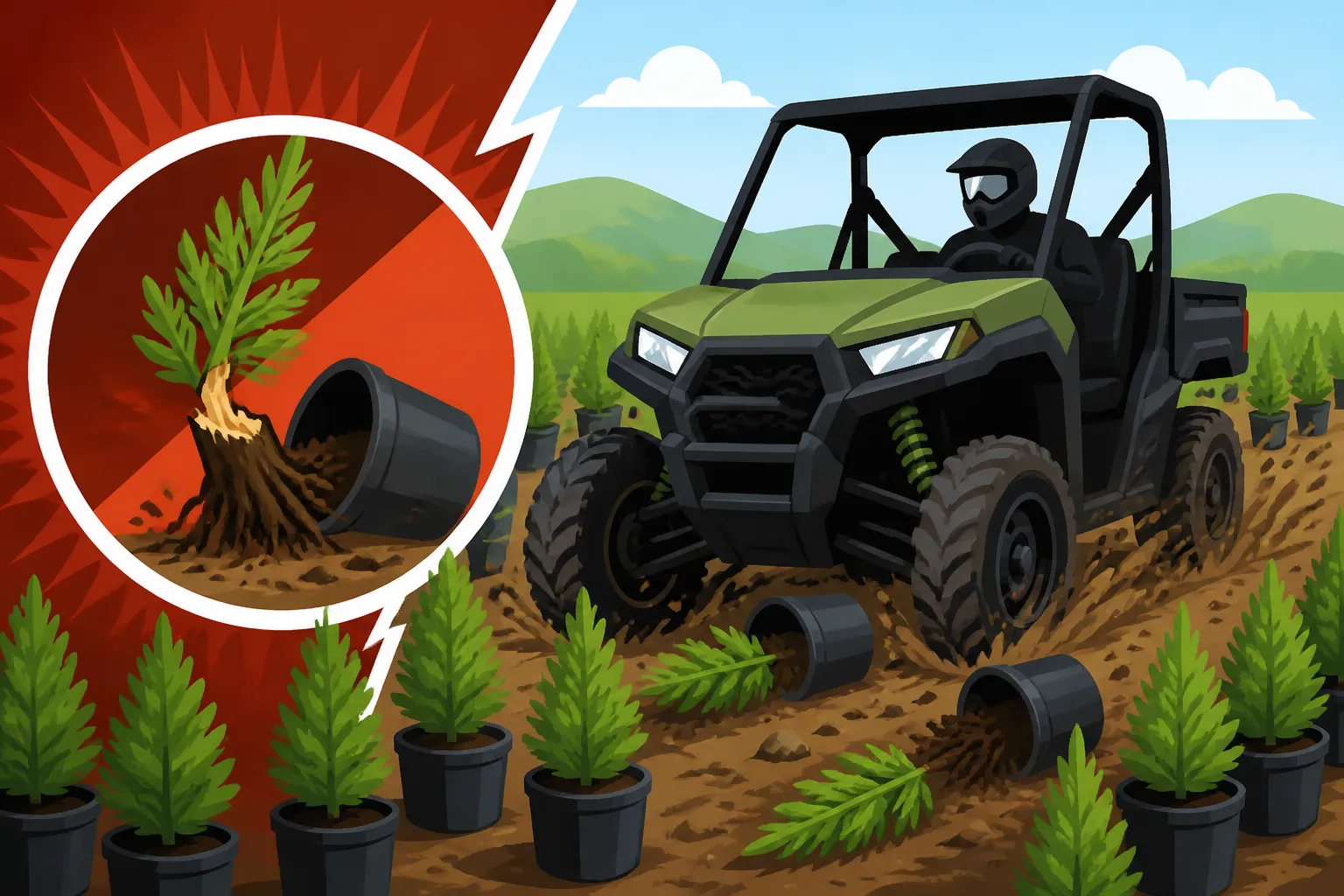
There’s nothing quite like the feeling of hitting the trails or open country on your ATV or UTV in North Dakota. The vast landscapes, the winding paths – it’s pure freedom. But along with that freedom comes a very real responsibility, and sometimes, even the most careful riders can find themselves in a tough spot if they aren't fully aware of the landscape around them. One specific concern that can lead to significant headaches, both legally and financially, is damaging what’s known as "growing stock" in a nursery. It's a situation no one wants to be in, and this guide is here to walk you through what that means, the potential repercussions, and how to ensure your ride stays on the right side of the law and avoids harming valuable agricultural resources.
Understanding "Growing Stock" and Its Importance in North Dakota
When we talk about "growing stock" in the context of nurseries and agricultural land, we’re not just talking about any old weed or patch of grass. This term refers to plants, trees, shrubs, or saplings that are actively being cultivated for sale, reforestation, or other commercial purposes. Think Christmas tree farms, fruit orchards, shelterbelt nurseries, or even specialized plant farms that grow ornamentals. These aren’t just random plants; they represent a significant investment of time, labor, and money for the landowner or business.
The plants are literally the livelihood of these operations. A tiny sapling might look insignificant, but it could be a decade-long project with a specific market value once it matures. Damaging even a few of these plants can lead to a substantial financial loss for the nursery owner, not just in the immediate replacement cost, but in the future revenue that plant would have generated. North Dakota has a strong agricultural backbone, and protecting these cultivated resources is paramount, reflected in state laws designed to deter and penalize such damage. It's not just about a plant; it's about a farmer's income, a business's sustainability, and the local economy.
The Legal Ramifications: Penalties for Damaging Growing Stock with Your OHV
This is where things can get very serious, very quickly. Accidentally or intentionally driving your ATV or UTV through a nursery and damaging growing stock isn't just a simple mistake; it's a violation of North Dakota law. The state takes property damage, especially to agricultural resources, very seriously. While no one wants to envision themselves in this scenario, understanding the potential consequences is a crucial part of being a responsible rider.
First and foremost, damaging growing stock can fall under general property damage laws, and potentially [North Dakota Tree Nursery Damage Rules]. This can lead to criminal charges, often ranging from a misdemeanor to a felony depending on the extent of the damage and the estimated value of the destroyed property. Beyond criminal penalties like fines and possibly even jail time, you will almost certainly face civil liabilities. The nursery owner can sue you for restitution, which means you'd be legally obligated to pay for the damages. This isn't just the cost of replacing the immediate plant; it can also include the projected lost income the plant would have brought in over its lifetime, which can accumulate to thousands, or even tens of thousands, of dollars. Imagine wiping out a row of young trees that were set to be harvested in a few years – the lost profit would be substantial.
Furthermore, if your actions are deemed reckless or malicious, punitive damages might also be assessed, intended to punish the offender and deter similar behavior in the future. Your personal assets, and potentially your insurance, could be on the line. It’s not a situation where you can just shrug it off. The state also has strict [North Dakota Trespass Law for Riders], which means simply being on private land without permission, regardless of damage, can already land you in hot water. Add property destruction to that, and the legal burden increases significantly.
Here's a simplified look at potential consequences:
| Type of Consequence | Description | Impact on Rider |
|---|---|---|
| Criminal Penalties | Fines, potential jail time, community service, or probation, depending on the severity and value of damage. | Can result in a criminal record, significant financial penalties, and loss of freedom. |
| Civil Liability | Legal requirement to pay the landowner for all damages, including replacement costs and lost future income. | Can lead to substantial financial debt, forced asset liquidation, wage garnishments, and a long-term impact on financial well-being. |
| Punitive Damages | Additional fines levied to punish egregious behavior and deter others. | Adds to the financial burden beyond actual losses, serving as a harsh lesson for particularly reckless or malicious acts. |
| Insurance Impact | Your OHV insurance might not cover intentional acts or trespass. Higher premiums or policy cancellation. | Even if it covers accidental damage, your rates will likely skyrocket, making future coverage more expensive or difficult to obtain. Your general liability insurance might also be affected. |
| Loss of Riding Privileges | In some severe cases, authorities might suspend or revoke your OHV registration or riding privileges. | Takes away your ability to legally enjoy your machine on public lands or trails. |
The takeaway here is stark: always know where you're riding, and if you're unsure about property boundaries, err on the side of caution.
Preventing Accidental Damage: Best Practices for Responsible OHV Riding
Nobody sets out to destroy someone else's livelihood. Most incidents of damage to growing stock are accidental, stemming from a lack of awareness or poor judgment. The good news is that with a little foresight and adherence to best practices, you can drastically reduce your risk of ever encountering this nightmare scenario.
Knowing Your Route and Respecting Boundaries
The first line of defense against accidental damage is thorough route planning. Before you even fire up your engine, know where you're going and what kind of land you'll be traversing. Use GPS, mapping apps, and even old-fashioned paper maps to understand property lines. Private property is just that – private. Even if it looks like an open field, it could be someone's valuable agricultural land. Pay close attention to [North Dakota Posted Land Signs and Riders]. Signs are there for a reason, often placed at intervals like [North Dakota Posted Sign Spacing at 880 Yards] to clearly delineate private property. Don't assume an absence of fences means an invitation to ride. Sometimes landowners use [North Dakota Electronic Posting and Riders] to indicate boundaries, so it’s always wise to check with local resources or apps that might show land ownership.
When you're out riding, stick to designated OHV trails and public access areas. While North Dakota allows some ditch riding as part of its informal trail system, always be aware of what lies beyond the ditch, especially in agricultural areas. [North Dakota Ditch Riding as the Real Trail System] is a great resource, but it comes with responsibilities. A ditch might run adjacent to a nursery, and one wrong turn or a moment of inattention could put you directly in harm's way of valuable plants.
Seeking Landowner Permission
This cannot be stressed enough: if there’s any doubt about whether you’re on private land, get explicit, written permission from the landowner. A simple conversation can save you a world of trouble. Many farmers and landowners are reasonable people, and if you approach them respectfully, they might grant you permission to ride on certain parts of their property, perhaps even along field edges that are far from their nursery stock. A formal [Landowner Permission in Writing] provides clarity for everyone involved and protects you legally. Without it, even if you meant no harm, you're trespassing, and any damage you cause is compounded by that initial violation.
Equipping Your Machine and Riding Responsibly
Your machine itself plays a role. While SuperATV offers fantastic aftermarket parts for enhancing performance and protecting your ride, such as robust skid plates and heavy-duty bumpers, these accessories also help you navigate varied terrain responsibly. For instance, having the right tires for the conditions can prevent excessive rutting, which itself can damage fragile ground cover or young plants near your path. If you're riding a wider side-by-side, be acutely aware of your machine's dimensions. Many areas, including some trails and designated riding spots, have width restrictions. Knowing your machine's limits and respecting those of the environment around you is paramount.
Visibility is also key. Make sure your headlights and taillights are in good working order, especially if there's any chance you'll be riding near dawn or dusk. A well-maintained machine is a safer machine, and a safer machine is less likely to accidentally veer off course or lose control, putting you at risk of damaging someone's valuable "growing stock." Regular checks of your steering, brakes, and tires are not just about your safety, but about the safety of the environment you're riding in.
What to Do If You've Caused Damage (Accidentally or Otherwise)
Let’s face it, mistakes happen. Even the most careful riders can find themselves in an unfortunate situation. If, despite your best efforts, you accidentally cause damage to growing stock in a nursery or on agricultural land, how you react in those crucial moments can significantly influence the outcome. Panicking or attempting to flee will only make things worse.
First, stop immediately and assess the situation. Do not try to cover up the damage or leave the scene. This will almost certainly escalate any legal consequences from an accidental misstep to a deliberate act of property destruction or hit-and-run, which carries much harsher penalties. Make a mental note or take photos of the exact location and the extent of the damage.
Second, seek out the landowner. This can be daunting, but it’s the most responsible course of action. Explain what happened calmly and honestly. Offer to make amends and work with them to determine the cost of the damage. This proactive approach can often lead to a more amicable resolution, potentially avoiding legal action. If you can't immediately find the landowner, try to leave a note with your contact information (name, phone number) in a visible, secure place, and then contact local law enforcement to report the incident yourself. This shows good faith and takes the initiative.
Third, cooperate fully with any authorities or insurance adjusters. If the landowner decides to involve law enforcement, be honest and transparent about what occurred. Your [North Dakota Insurance Requirements at Registration] might include liability coverage that could help cover the costs of the damage. Contact your insurance provider as soon as possible to report the incident. Understanding your policy's [Liability Limits a North Dakota Rider Carries] is essential, as these limits will dictate how much your insurance company might cover for property damage. Keep detailed records of all communication with the landowner, law enforcement, and your insurance company. This includes dates, times, names, and summaries of conversations.
Remember, taking responsibility, even for an accident, is the path to the least severe outcome. It demonstrates integrity and a commitment to resolving the situation fairly. It's never easy, but it’s always the right thing to do.
Disclaimer
This article is for general informational purposes only and does not constitute professional advice. Laws, prices and regulations vary by location and change over time. Consult a qualified professional for guidance on your specific situation.