What Counts as a Public Nuisance on an OHV
The thrill of off-roading across North Dakota's diverse landscapes is undeniable, but it comes with responsibilities. All too often, a few riders can sour public opinion by engaging in behaviors that are not just annoying, but legally defined as a 'public nuisance.' Understanding what constitutes a public nuisance when operating your ATV or UTV is crucial for avoiding penalties and preserving trail access.
Understanding "Public Nuisance" in the OHV World
When we talk about a "public nuisance" in North Dakota, especially concerning off-highway vehicles (OHVs) like ATVs and UTVs, we're really talking about any activity that unreasonably interferes with the public's right to peace, comfort, safety, or the reasonable use of their property. It's a broad term, and while it might sound like something only big industrial operations deal with, it absolutely applies to how we ride our machines. The law is designed to protect everyone's right to enjoy their surroundings without undue disturbance.
Think about it this way: what one person considers a fun afternoon joyride, another might see as a loud, dusty, and potentially dangerous disruption to their quiet property or a peaceful natural area. The key here isn't necessarily malice or intent on the rider's part, but rather the impact of their actions on others and the environment. North Dakota's statutes aim to balance the enjoyment of OHV recreation with the rights and well-being of its citizens and the preservation of its natural beauty. It’s about being a good neighbor and a responsible steward of the land.
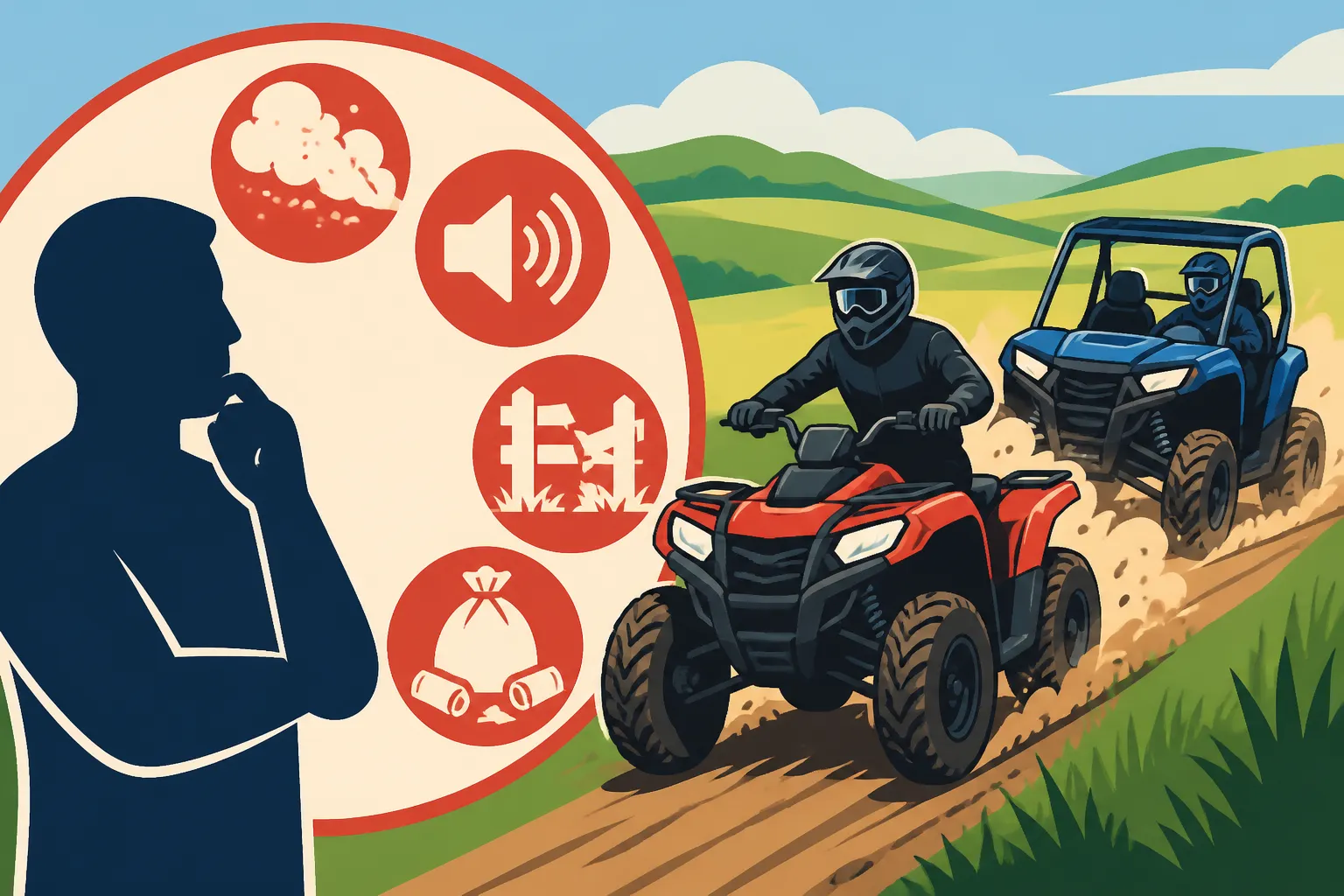
The concept of nuisance behavior extends far beyond just excessive noise. It encompasses a range of actions that can degrade the quality of life for residents, disturb wildlife, or damage public and private property. From tearing up a farmer's field to constantly revving an engine near a quiet campground, these actions erode public trust and can lead to stricter regulations, or even the closure of cherished riding areas. It's a collective responsibility for all of us who love to ride to understand and avoid these pitfalls.
Common OHV Behaviors That Can Lead to Nuisance Complaints
So, what exactly are these behaviors that can land an OHV rider in hot water for creating a public nuisance? It’s not always obvious, and sometimes, even experienced riders can inadvertently cross the line. Let's break down some of the most common issues that spark complaints from landowners, residents, and other recreational users. Avoiding these actions is step one in being a responsible rider.
Excessive Noise and Disruptions
Noise is probably the most frequent complaint related to OHV use, and for good reason. The powerful engines and often modified exhaust systems on ATVs and UTVs can produce significant sound levels. While that rumble might sound great to you on the trail, it can be incredibly disruptive to others.
Loud aftermarket exhausts, for instance, are a prime culprit. Many stock mufflers are designed to keep sound within certain limits, but some aftermarket options are built for performance without much thought to acoustics. If you're constantly revving that machine with a non-compliant exhaust, especially in areas where people live, camp, or are simply trying to enjoy nature, you're inviting trouble. Imagine trying to have a peaceful family barbecue only to have a quad drone by every few minutes. That's a classic nuisance scenario. Riding late at night or early in the morning in residential areas or near campgrounds is another big one. People need their sleep, and the roar of an engine at 1 AM is not just annoying; it's a direct interference with their peace and quiet. Even continuous or repetitive noise in one location, like doing donuts in a field visible from a road or residential area, can be deeply aggravating. North Dakota has specific rules about exhaust systems, so ensuring your machine meets [North Dakota Muffler Requirements] is crucial. We’ve all seen posts on local forums or heard whispers about [North Dakota Noise Complaints About Quads] – let's not be the reason for the next one.
Reckless Operation and Safety Concerns
Beyond noise, the way you operate your OHV can also constitute a nuisance, particularly if it creates safety hazards or a sense of unease. Reckless operation isn't just about breaking traffic laws; it's about putting others at risk or making them feel unsafe.
Speeding in inappropriate areas, such as residential streets, gravel roads with homes, or even within designated campgrounds, is a major issue. Even if you're technically on a legal roadway, excessive speed can kick up dust, throw gravel, and make people feel endangered, especially if children or pets are present. Performing stunts, like wheelies, or engaging in "mudding" in areas not designated for it can also be a nuisance. Tearing up a roadside ditch, a vacant lot, or someone's private property to splash through mud isn't just disrespectful; it can cause damage and generate complaints. Driving too close to people, livestock, or homes is another act of poor judgment that can quickly escalate into a nuisance report. No one wants an OHV roaring by their fence line when their horses are grazing, or zooming past their yard where kids are playing. These actions fall squarely under what might be considered [Reckless Operation as a Misdemeanor] and carry serious consequences.
Property Damage and Environmental Impact
Few things anger landowners and environmentalists more than property damage or blatant disregard for natural spaces. Riding where you shouldn't be, or riding in a way that destroys the land, is a surefire way to create a public nuisance.
Riding on private land without permission is not only trespassing but can cause significant damage. Ruts left by tires can make fields difficult to farm, damage crops, or break fences. Imagine a farmer discovering their winter wheat field torn up by a joyride – that's a direct financial loss and a massive nuisance. Understanding and respecting [North Dakota Posted Land Rules for Riders] is paramount. Similarly, damaging natural resources, sensitive habitats, or planted areas like tree nurseries can have long-lasting environmental consequences. [North Dakota Tree Nursery Damage Rules] are in place for a reason – destroying young trees can take years to recover. Littering or leaving behind debris on trails or public lands is another form of environmental nuisance. Pack it in, pack it out – it’s a simple rule that many OHV enthusiasts, armed with practical storage solutions from brands like SuperATV, adhere to. Creating excessive dust in dry conditions near homes, roads, or other public areas can also be a nuisance. This dust can impair visibility, affect air quality, and simply be a persistent annoyance to those living nearby. Such actions can lead to complaints and even legal action under broader nuisance laws.
Consequences of Creating an OHV Public Nuisance in North Dakota
So, you've crossed the line, intentionally or not, and someone has filed a complaint about your OHV behavior. What happens next? The consequences of creating an OHV public nuisance in North Dakota can range from immediate financial penalties to long-term impacts on your riding privileges and the reputation of the entire OHV community. It's crucial to understand that these aren't minor infractions; they are taken seriously by law enforcement and local communities.
Fines and Legal Penalties
The most immediate consequence of being cited for a public nuisance related to OHV operation is often a fine. The specific amount can vary depending on the nature and severity of the offense, as well as whether it's a first-time offense or a repeat issue. However, these aren't just slaps on the wrist; they can be substantial and can quickly add up. For more egregious acts, especially those involving property damage or reckless endangerment, the charges can escalate.
In some cases, reckless operation or severe property damage caused by an OHV can lead to charges that fall under more serious categories, such as a Class B misdemeanor. This isn't just a traffic ticket; a misdemeanor can result in significant fines and even potential jail time, depending on the circumstances. [What a Class B Misdemeanor Means in North Dakota] indicates a serious legal matter. Furthermore, if alcohol or drugs are involved, you're not just looking at a nuisance charge but potentially much more severe penalties under [North Dakota DUI Penalties on an OHV], which can impact your driving record and freedom. It's not just about the state laws either; many [North Dakota County and City ATV Ordinances] have their own penalties for nuisance behaviors within their jurisdictions, which can add another layer of fines.
Loss of Riding Privileges and Access
Beyond the financial and legal penalties, nuisance behavior has a ripple effect that can impact all OHV riders. When individuals repeatedly cause problems, communities and landowners often react by restricting or outright closing areas to OHV use. This means that everyone loses access, even those who ride responsibly.
Think about a popular riding area that suddenly gets a "No Trespassing" sign or a local ordinance prohibiting OHVs on certain roads. This often happens because of a pattern of nuisance complaints – excessive noise, littering, property damage, or reckless driving. The actions of a few bad apples can ruin it for everyone else. This loss of access is a profound consequence, limiting where you and your friends can enjoy your machines. It's a direct result of failing to be good stewards of the land and good neighbors to those living nearby. Maintaining good community relations is vital to preserving our riding freedoms, and nuisance behaviors directly undermine those relationships.
Community Relations and Long-Term Impact
Perhaps the most insidious consequence of OHV public nuisance is the erosion of positive community relations and the long-term impact on the perception of the sport itself. When residents constantly deal with noise, dust, or property damage from OHVs, it fosters resentment and negative stereotypes about all riders.
This negative perception makes it incredibly difficult to advocate for new trails, secure permissions for organized rides, or even maintain existing access. It creates an adversarial atmosphere where any proposal for OHV use is met with immediate opposition. The ongoing effort to educate the public about responsible riding and to highlight the economic benefits of OHV tourism is constantly set back by isolated incidents of nuisance behavior. It means future generations of riders may have fewer opportunities because past actions closed off potential areas. As a community, we need to recognize that every time we ride, we are ambassadors for the sport. Failing to do so responsibly can have lasting, detrimental effects on our ability to enjoy North Dakota's beautiful landscapes on our machines.
Here's a quick overview of potential nuisance types and their general consequences:
| Nuisance Type | Common Examples | Potential Consequences |
|---|---|---|
| Noise | Loud exhaust, late-night riding, excessive revving | Fines, warnings, community complaints, stricter local ordinances, loss of access |
| Reckless Operation | Speeding in populated areas, stunts, dangerous driving | Fines, Class B Misdemeanor charges, increased insurance, loss of riding privileges |
| Property Damage | Trespassing, rutting fields, fence damage, littering | Fines, civil lawsuits for damages, criminal trespass, loss of access to private land |
| Environmental Harm | Disturbing wildlife, damaging sensitive areas, littering | Fines, environmental citations, public outcry, closure of natural areas |
| Impaired Operation | Riding under the influence of alcohol or drugs | Fines, DUI charges (misdemeanor/felony), license suspension, vehicle impoundment |
Tips for Responsible Riding to Avoid Nuisance Complaints
Being a responsible OHV rider in North Dakota isn't just about following the law; it's about being a considerate member of the community and a steward of our beautiful state. By adopting a proactive and respectful approach to your riding, you can easily avoid most nuisance complaints and help ensure that OHV recreation remains a positive experience for everyone.
Know and Follow the Rules
This might sound obvious, but it's the foundation of responsible riding. Before you even fire up your engine, make sure you're up to speed on all the relevant regulations. This includes state statutes governing OHV use, but also local ordinances specific to counties and cities you plan to ride in. Many communities have unique rules regarding hours of operation, designated routes, and noise limits. A quick call to the local sheriff's department or city office can save you a lot of headache. Always respect [North Dakota Posted Land Signs and Riders] and understand that if land isn't explicitly marked as open, it's generally considered private and off-limits without direct permission. Sticking to designated trails and approved riding areas is crucial. Don’t assume that because a patch of ground looks like fun, it’s fair game. That’s a fast track to a trespassing complaint.
Be Mindful of Your Surroundings
Awareness is key. Your riding style needs to adapt to your environment. If you're near homes, campgrounds, or popular hiking trails, it's time to slow down and quiet down. This means adjusting your speed, avoiding excessive revving, and being extra cautious about dust and noise. Think about the time of day, too. Blasting through a quiet area at dawn or dusk, when wildlife is most active or people are trying to relax, is a recipe for a nuisance complaint. Consider how accessories from a reputable brand like SuperATV can enhance your awareness, such as high-quality mirrors for better visibility or improved lighting for safer night riding if allowed. Being attentive to things like [North Dakota's 30 mph Capability Rule] on paved roads (for Class I and II machines) also plays into being mindful, ensuring you're not lagging or creating a hazard. You might also want to avoid riding during sensitive times like hunting season in areas where hunters are present, to prevent disturbing game or creating conflict.
Maintain Your Machine
A well-maintained OHV is not only safer but also less likely to cause a nuisance. Your exhaust system is a primary factor in noise levels. Ensure it's stock or a compliant aftermarket system that meets [North Dakota Muffler Requirements]. Modifying your exhaust purely for loudness can be a quick way to draw unwanted attention and citations. Beyond noise, keeping your machine in good repair prevents breakdowns, which can leave you stranded and potentially create an obstruction or litter hazard. Regularly check for leaks of oil or other fluids that could harm the environment. A machine that runs smoothly and quietly is a testament to responsible ownership and reduces the chances of attracting negative attention. You want to focus on the ride, not on worrying about a leaking part or an overly loud exhaust.
Communicate and Be Respectful
Finally, one of the most powerful tools in avoiding nuisance complaints is simply good communication and respect. If you encounter a landowner or a concerned citizen, be polite and willing to listen. A friendly conversation can often de-escalate a situation faster than defensiveness. Engage positively with others and demonstrate that the vast majority of OHV riders are responsible and courteous. Consider joining local [North Dakota OHV Clubs Worth Joining]. These groups often promote responsible riding, participate in trail maintenance, and work with local authorities and landowners to ensure continued access. Being part of a group that advocates for responsible OHV use reinforces a positive image and helps mitigate the actions of those who might not follow the rules. It's about building bridges, not burning them.
Ultimately, being an OHV rider in North Dakota is a privilege, and with that privilege comes the responsibility to operate your machine in a way that respects the land, the wildlife, and your fellow citizens. By understanding what constitutes a public nuisance and actively working to avoid those behaviors, you'll not only protect your own ability to ride but contribute to the overall health and future of OHV recreation in our state. Happy trails, and ride safe!
Disclaimer
This article is for general informational purposes only and does not constitute professional advice. Laws, prices and regulations vary by location and change over time. Consult a qualified professional for guidance on your specific situation.