Under Eighteen and the Helmet Rule
Riding an ATV or UTV with family and friends across North Dakota's vast landscapes is a cherished pastime for many, but when it comes to younger riders, the rules around safety gear, especially helmets, can feel like a maze. It’s frustrating trying to keep up with what's required, what's recommended, and how to keep our kids safe while still letting them enjoy the thrill of the ride. This guide is here to untangle the specifics of North Dakota's helmet law for riders under eighteen, giving you clear, actionable information so you can ride with confidence and peace of mind.
The Foundation of North Dakota's Helmet Law for Young Riders
When you're out exploring the trails and ditches of North Dakota, safety is paramount, especially for our youngest adventurers. The state has specific regulations designed to protect riders, and the helmet law for those under 18 is a cornerstone of this effort. It’s not just a suggestion; it’s a legal requirement with a very clear purpose: to prevent severe head injuries, which are tragically common in off-highway vehicle accidents. Understanding the letter of the law and its spirit is crucial for every parent and guardian.
Who the Law Applies To: Age and Machine Type
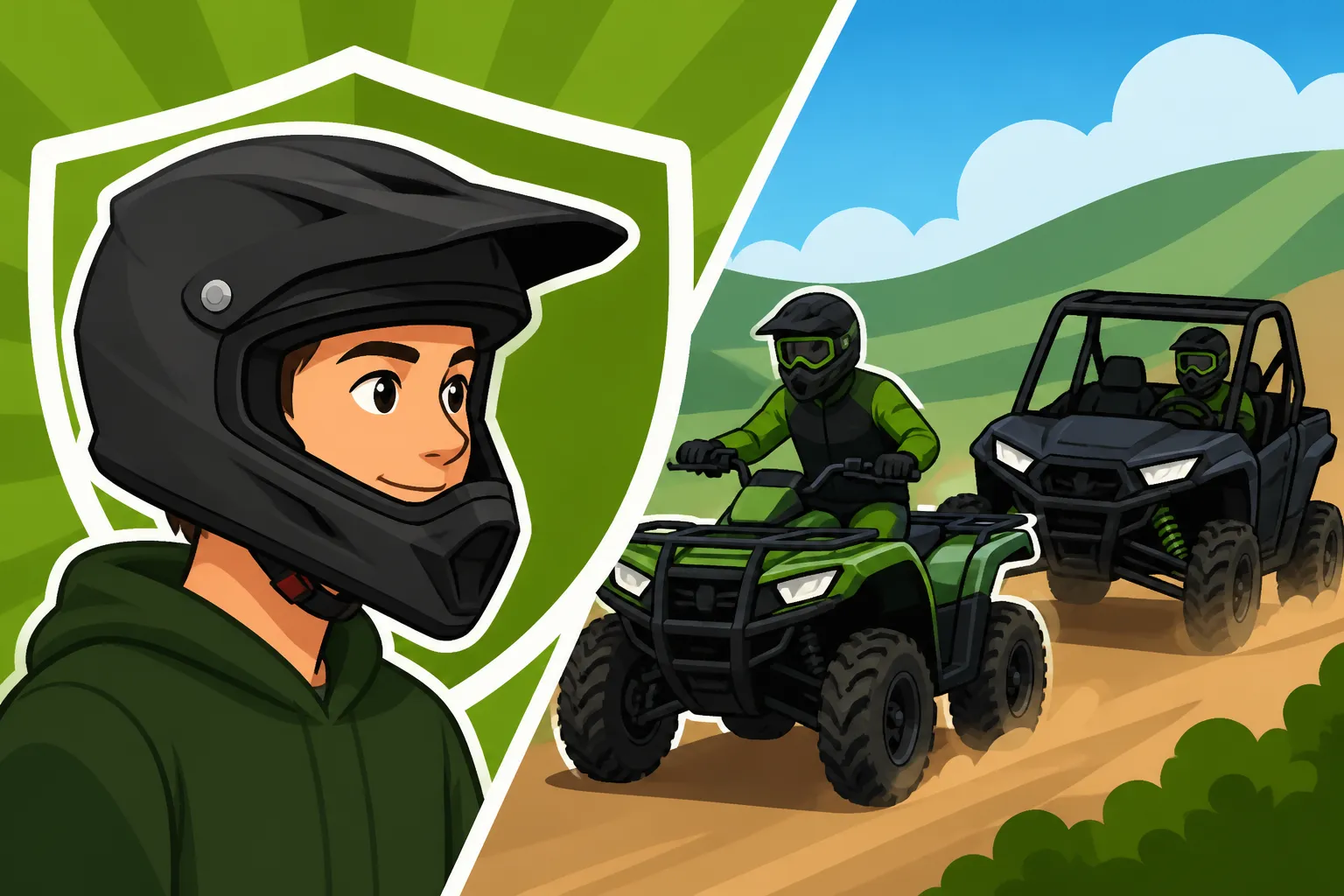
North Dakota's statute is quite clear: any person under the age of eighteen operating or riding as a passenger on an off-highway vehicle (OHV) must wear a safety helmet. This isn't limited to just ATVs; it encompasses a broad range of OHVs, including dirt bikes, utility vehicles (UTVs, or side-by-sides), and even mini-bikes, whenever they are operated on public lands, public trails, or public rights-of-way. The law casts a wide net to ensure comprehensive protection for minors, regardless of the specific type of machine they're on.
This age-specific rule acknowledges that younger riders, while often quick learners, may lack the judgment, experience, or physical strength of an adult to react optimally in sudden or challenging situations. Their developing bodies are also more susceptible to serious injury. Imagine a thirteen-year-old on a youth ATV, maybe zipping along a gravel access road near a farm, suddenly hitting an unexpected rut or rock. Without a helmet, even a seemingly minor tumble can lead to a devastating head injury, impacting their life and your family's forever. The law is there to create a non-negotiable layer of protection.
Understanding the DOT Standard for Helmets
It's not enough to just wear any helmet; North Dakota's law, like most states, specifies that the helmet must meet the safety standards established by the United States Department of Transportation (DOT). This isn't just some bureaucratic acronym; it’s a critical designation that means the helmet has been rigorously tested to ensure it can withstand impacts and provide reliable protection. A DOT-certified helmet will have a sticker on the back, usually a white label, clearly indicating its compliance.
Choosing a helmet without this certification is a serious risk. Think of those novelty helmets or bicycle helmets; while they might offer some minimal protection, they are not designed or tested to protect against the types of impacts common in an OHV accident. A DOT-compliant helmet features multiple layers designed to absorb and distribute impact forces: a sturdy outer shell, an impact-absorbing liner (often EPS foam), and a comfortable inner padding. When a child falls from an ATV, especially if they hit their head on the ground or a hard object, the difference between a DOT-certified helmet and a non-certified one can literally be life or death. Always look for that DOT sticker.
Scenarios and Exceptions: When and Where the Rule Applies (and Doesn't)
Navigating the specifics of North Dakota's helmet law can sometimes feel like trying to find your way through a prairie blizzard – you know the general direction, but the details can get obscured. It’s common for riders and parents to wonder if the helmet rule applies everywhere, all the time, or if there are specific situations where it might not be enforced. Let's clear up some of those common questions, as the distinction between public and private land, for instance, can be a real head-scratcher.
Riding on Public vs. Private Land
Here's where many people get tripped up. The North Dakota helmet law for riders under 18 primarily applies when operating an OHV on public land, public trails, or public rights-of-way. This includes state parks like Pembina Gorge, designated OHV trails, county roads, section lines, and even the ditches alongside public roadways where riding is permitted. If your child is riding on property that is accessible to the public or falls under public jurisdiction, that helmet needs to be securely fastened.
However, the law generally does not apply when operating on private land that is entirely owned or leased by the rider or the rider's parent or guardian, and which is not generally open to public access. So, if your twelve-year-old is tearing it up in a designated riding area on your family’s sprawling farm, the state helmet law per se wouldn't typically apply there. This distinction is often misunderstood, but it's important to remember that even on private land, common sense and a commitment to safety dictate that a helmet is still the best protection. A fall on your own property can be just as dangerous as a fall on a public trail. Many families choose to enforce a "helmet on always" rule, regardless of the land type, because safety shouldn't have boundaries. [North Dakota Private Land Only Exemption] further details how certain operations are handled on private ground.
Organized Events and Competitive Riding
What about events like local poker runs, charity rides, or even competitive track racing? Generally, if these events take place on public land or involve use of public rights-of-way, the standard North Dakota helmet law for minors still applies. However, competitive events held on private, closed courses often operate under their own specific rules set by the event organizers and sanctioning bodies, which usually exceed state minimums. These events often mandate full-face helmets, additional protective gear, and strict safety checks for all participants, regardless of age.
For example, a youth motocross race held at a private track in the state will likely have very stringent helmet requirements, often demanding Snell or ECE certifications in addition to DOT, due to the higher speeds and increased risks involved. It's vital for parents to check with the specific event organizers for their detailed safety rules before their child participates. Never assume; always verify. The spirit of these events is to provide a safe, controlled environment for competition, and that always includes top-tier safety gear. You can find more information about [North Dakota Organized Sporting Event Exception] for certain activities.
Passenger Rules and Helmets
The North Dakota statute covers not just the operator but also any passenger under the age of eighteen on an OHV. This means if your fifteen-year-old is riding shotgun in your side-by-side on a public trail, they absolutely must be wearing a DOT-compliant helmet. This rule is particularly important for UTVs, where passengers might feel less exposed but are still vulnerable to impacts in the event of a rollover or collision. Many UTVs, while offering a roll cage, don't fully protect against head injuries, especially if a limb or head extends outside the cage during a dynamic event.
Think about a family outing, maybe exploring the open areas of Kimball Bottoms: if you've got younger kids as passengers, ensuring they have properly fitted, DOT-approved helmets is non-negotiable. Even if they're just cruising slowly, an unexpected bump or sudden stop can cause them to hit their head on the vehicle's frame or roll bar. It's a simple, effective measure to double down on safety for everyone in the machine. Be sure to understand all [North Dakota Passenger Rules on an OHV] to keep everyone safe.
Ensuring Compliance and Safety Beyond the Helmet
While the helmet law is a critical piece of the safety puzzle for young OHV riders in North Dakota, it's really just the starting point. True safety comes from a comprehensive approach that includes proper training, diligent parental supervision, and a commitment to understanding and following all regulations. It's about instilling a culture of safety that goes far beyond simply strapping on a helmet. This proactive stance ensures that every ride is as safe as it is enjoyable.
The Role of Parental Supervision and Safety Training
As parents or guardians, we are the primary enforcers of safety. Our responsibility extends beyond just making sure a helmet is worn; it means actively supervising young riders and ensuring they receive proper safety training. North Dakota requires all OHV operators under the age of 16 to possess an OHV Safety Certificate when riding off their private land. This certificate is earned by completing a state-approved safety course, which covers everything from machine operation and maintenance to safe riding practices, environmental awareness, and specific state laws.
These courses are invaluable. Imagine your child learning about proper braking techniques, how to handle different terrain, or the importance of maintaining a safe speed, all from certified instructors. This knowledge can dramatically reduce the risk of accidents. For a twelve-year-old, obtaining an [North Dakota OHV Safety Certificates at Age 12] is a crucial step. The [North Dakota Safety Course Minimum Age] is also twelve, making it a perfect time for them to gain this essential knowledge. It's not just about compliance; it's about empowering them with the skills to make safe decisions on the trail, even when you're not right beside them.
What an Officer Can Ask and Penalties for Non-Compliance
It's important for both young riders and their parents to understand that North Dakota law enforcement officers take OHV safety seriously. If an officer encounters a rider under 18 on public land or a public right-of-way without a DOT-compliant helmet, they can issue a citation. This isn't just a slap on the wrist; fines and other penalties can be imposed. An officer may ask to see proof of age or safety certification, and of course, will observe whether the helmet meets the necessary standards and is properly worn.
A basic OHV violation in North Dakota can carry a fine, and it's worth noting that [North Dakota Fine Increase in 2025] legislation means these penalties are only set to become more substantial. The [North Dakota Ticket Cost for a Road Violation] for an unregistered machine or an un-helmeted minor can add up quickly. Beyond the immediate financial penalty, there's the potential for court costs and, more importantly, the stress and disruption that such a citation can bring. The goal of enforcement isn't to punish, but to ensure safety and compliance, preventing potential tragedies before they happen.
Beyond Helmets: Other Essential Safety Gear
While the helmet is undeniably the most critical piece of safety gear, it’s far from the only one you should consider for young riders. A complete safety ensemble provides comprehensive protection against various types of injuries. Think about eye protection, like goggles, which prevent dust, debris, and insects from impairing vision – a sudden blind spot can lead to an accident. Sturdy, over-the-ankle boots protect feet and ankles from impacts and provide better grip on footpegs. Gloves shield hands from blisters, abrasions, and offer better control of the handlebars.
Long-sleeved shirts and pants, ideally made from durable materials, protect against scrapes, cuts, and sunburn. Chest protectors, knee pads, and elbow pads are also excellent investments, especially for more aggressive riding or for younger, less experienced operators. You might even consider products like those from SuperATV, which makes durable windshields, roofs, and door enclosures for UTVs, adding another layer of protection from the elements and debris. Equipping your child with a full range of protective gear significantly enhances their safety and comfort, allowing them to focus on the ride rather than potential hazards. When riding, always consider a full [North Dakota Equipment Checks at a Stop] before hitting the trail.
Practical Advice for North Dakota Families
Getting out on an ATV or UTV in North Dakota should be a fantastic experience for the whole family, filled with adventure and lasting memories. But to truly enjoy it, you need to be prepared, especially when it comes to the safety of younger riders. Beyond just knowing the rules, applying practical strategies for helmet selection, ride preparation, and staying informed can make all the difference.
Choosing the Right Helmet for Your Child
Selecting a helmet isn't just about picking one that looks cool; it's about finding the right fit, the right type, and ensuring it meets the crucial DOT safety standards. A helmet that's too large will wobble and can shift during an impact, compromising its protective ability. One that's too small will be uncomfortable and could cause headaches. When trying on a helmet, it should fit snugly without being painful, and it shouldn't move easily when your child shakes their head.
Consider a full-face helmet for maximum protection, especially for dirt bike riders or more aggressive ATV use, as it protects the chin and face. For UTV passengers, an open-face helmet with goggles might be suitable, but a full-face is always superior. Always check for that DOT sticker, usually on the back of the helmet. Brands often make youth-specific helmets that are lighter and sized appropriately for smaller heads. Investing in a good quality helmet is an investment in your child's future. For accessories or parts that enhance overall vehicle safety, companies like SuperATV offer a range of products from harnesses to roll cage components that can indirectly complement helmet use.
Preparing for a Safe Ride: Checklists and Routines
Before every ride, establish a routine that includes a comprehensive safety checklist. This isn't just for long trips; even a quick spin around the property deserves attention. Start with the basics: Is the OHV in good working order? Are the tires properly inflated? Is there enough fuel? For the rider, this checklist should absolutely include confirming all safety gear is present and properly worn.
A quick walk-around of the machine, a check of all control levers, and a discussion of the day’s riding plan can prevent many issues. For instance, if you're planning to ride through an area with tall grass, remind your child about potential hidden obstacles. If crossing a road is part of the route, review [North Dakota Rules for Crossing a Highway] safely. Encourage your children to speak up if anything feels off with their gear or the machine. Establishing these routines builds good habits and reinforces the importance of safety.
Staying Informed About Rule Changes
Laws and regulations, even those concerning OHV operation, are not set in stone. They can and do change over time, often in response to new safety data, technological advancements in machines, or shifts in public land management. What was acceptable last year might have new restrictions this year. It's your responsibility as an OHV owner and parent to stay informed about these changes.
The North Dakota Department of Transportation (NDDOT) and the North Dakota Parks and Recreation Department are the primary sources for current OHV laws and safety information. Regularly checking their websites or subscribing to their newsletters can keep you updated. Local OHV clubs are also excellent resources for information on local ordinances and changes to trail access or rules. By staying informed, you ensure that your family remains compliant with the law and, most importantly, continues to ride safely for years to come. Remember, [What North Dakota's OHV Law Requires of Owners] is subject to change, so periodic review is always wise.
Disclaimer
This article is for general informational purposes only and does not constitute professional advice. Laws, prices and regulations vary by location and change over time. Consult a qualified professional for guidance on your specific situation.