North Dakota Accident Reporting for an OHV
Nobody ever wants to think about it, but the reality is, accidents happen, especially when you're out enjoying the thrill of off-highway vehicles in North Dakota. One minute you're having the time of your life exploring a trail or cruising a gravel road, and the next, something goes wrong – maybe a tip-over, a collision with another rider, or an unexpected encounter with wildlife. When that happens, knowing precisely what to do and your legal obligations for reporting an OHV accident in North Dakota can feel overwhelming, adding stress to an already difficult situation. This guide is here to walk you through the specifics, helping you understand when and how you need to report an incident, so you're prepared if the unthinkable occurs.
The Unexpected Reality: What Constitutes an OHV Accident in North Dakota?
When you’re out riding your ATV or UTV, the last thing on your mind is usually paperwork and legal definitions. Most of us just want to enjoy the freedom and adventure that these machines offer. But sometimes, despite our best efforts, things go sideways. It’s crucial to understand that not every bump, scrape, or minor slide-out necessarily qualifies as a reportable "accident" in the eyes of North Dakota law, but knowing the difference can save you a lot of grief down the line.
Defining "Accident" Beyond a Fender Bender
For many OHV enthusiasts, an "accident" might conjure images of a dramatic crash, sirens, and flashing lights. However, the legal definition can be much broader and more nuanced than what we typically imagine. In North Dakota, an OHV accident isn't just about severe injuries or wrecked machines. It can involve property damage, even if it's not your own machine that's damaged, or any incident resulting in personal injury that requires more than basic first aid. Think about a scenario where you're navigating a tight turn on a rocky trail and your side-by-side clips a fence post, causing significant damage. Or perhaps you misjudge a muddy rut and your ATV rolls, injuring a passenger who then needs to visit an urgent care clinic. These aren't just minor incidents; they cross into the territory of reportable accidents. It's not just about a collision with another vehicle; it can be a single-vehicle incident if it meets certain criteria. The key is to look beyond the immediate adrenaline and consider the broader impact on people and property.
When a "Mishap" Becomes a "Reportable Incident"
The line between a simple "mishap" and a "reportable incident" in North Dakota often comes down to two main factors: injury and property damage. If a rider or passenger sustains an injury that requires professional medical attention – anything beyond a simple bandage or a cold pack – you’re likely looking at a reportable event. This isn't just about broken bones; it could be a concussion, a deep laceration, or any condition that a medical professional would treat. Similarly, if the incident causes a certain amount of property damage, it also triggers the reporting requirement. This damage could be to your own OHV, another person's machine, or even to fixed objects like fences, signs, or trees on public land. Even if it feels minor at the moment, the cumulative cost of repairs can quickly add up. For example, if your UTV, perhaps equipped with heavy-duty SuperATV components, takes a tumble and needs extensive frame repair or engine work, that cost alone could push it over the reporting threshold. It’s always better to err on the side of caution when you suspect an incident might qualify, because failing to report a legally required accident can lead to its own set of penalties. This is why having a clear head, or having a plan in place, is so important when things go wrong.
Knowing Your Obligations: When North Dakota Requires a Formal Report
It’s easy to get caught up in the excitement of riding, but understanding your responsibilities as an OHV owner in North Dakota is paramount, especially when an accident occurs. Ignorance of the law is never an excuse, and knowing when you must file a report can protect you from potential legal headaches and ensure everyone involved receives the appropriate attention.
The Dollar Threshold and Injury Severity
North Dakota law sets specific thresholds that determine when an OHV accident must be reported. Generally, you are legally required to report an OHV accident to law enforcement if:
- Any person is injured in a way that requires medical attention beyond basic first aid. This isn't just about critical injuries; if someone goes to the emergency room, an urgent care clinic, or even sees their family doctor for treatment related to the accident, it likely meets this criterion.
- The total property damage exceeds a specific dollar amount. This amount can change, so it's vital to refer to current North Dakota transportation department guidelines. This includes damage to your OHV, other vehicles, or property like fences, signs, or even structures. Even if your machine is heavily customized with aftermarket parts, like a robust lift kit or heavy-duty axles from SuperATV, and the damage seems cosmetic, those repairs can quickly add up. A good rule of thumb is to consider the estimated cost to fix all damaged items involved. If there's any doubt about whether the damage will exceed the threshold, it's safer to report it.
These thresholds exist to ensure serious incidents are documented, allowing for proper investigation, insurance claims, and data collection to improve OHV safety. Trying to "handle it yourself" when these criteria are met could lead to accusations of hit-and-run or other legal troubles down the line. It's a tough pill to swallow when you're already shaken up, but it's a necessary step.
Understanding Your Role at the Scene
When an accident happens, your immediate actions at the scene are critical, not just for safety but also for fulfilling your reporting obligations. First and foremost, ensure the safety of everyone involved. Check for injuries and provide any immediate first aid you're capable of. If there are serious injuries, call 911 immediately. Don't move anyone who appears seriously hurt unless absolutely necessary for their immediate safety.
Next, you need to exchange information with any other parties involved. This includes names, contact information, OHV registration details, and insurance information. Take photos of the accident scene, the vehicles involved, and any visible injuries. Documenting the conditions—like weather, trail conditions, or time of day—can also be incredibly helpful. If there are witnesses, get their contact information too. Even if you're alone and it's a single-vehicle accident, document everything you can. This information will be crucial for the accident report and any subsequent insurance claims. Remember, even if the police are called to the scene, you may still have a personal responsibility to ensure the official accident report is filed correctly. Sometimes, law enforcement may determine a report isn't necessary for their purposes, but if the injury or damage thresholds are met, you still need to follow through with the state's reporting requirements. It's a fine distinction, but an important one for you as an OHV owner. This vigilance can help you avoid problems later on, especially if you face [North Dakota Penalties for Riding Unregistered] or similar issues related to the incident.
Navigating the Red Tape: How to File Your North Dakota OHV Accident Report
So, an accident has occurred, and you’ve determined it meets North Dakota's reporting requirements. Now comes the part that many dread: the paperwork. Filing an OHV accident report might seem daunting, but breaking it down into manageable steps can make the process clearer and less stressful. The key is to be thorough, accurate, and timely.
Gathering Information at the Scene
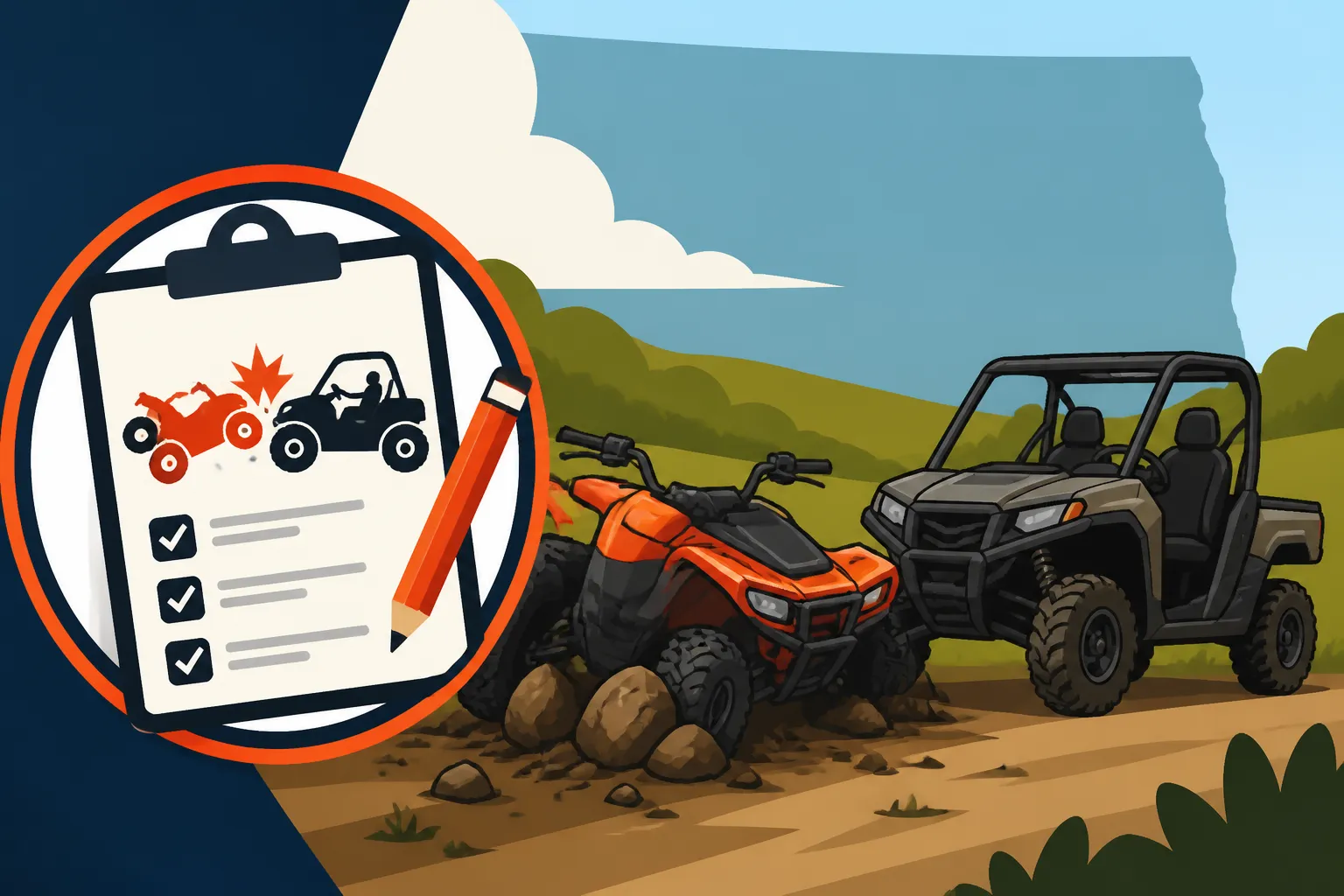
Before you even think about filling out a form, you need to have all your ducks in a row regarding the incident itself. This means diligent information gathering right there at the scene, or as soon as physically possible afterward. Don't rely solely on memory, especially if you're shaken up. Here's a checklist of what you should aim to collect:
- Date and Time of Accident: Be as precise as possible.
- Location: Specific details like mile markers, trail names, nearest intersection, or GPS coordinates are invaluable.
- Parties Involved: Full names, addresses, phone numbers, and driver's license numbers for all operators and passengers.
- Witness Information: Names and contact details of anyone who saw the incident.
- OHV Details: Make, model, year, VIN (Vehicle Identification Number), and registration number for all machines involved. This is also a good time to note any unique features, like specialized SuperATV accessories, that might have been damaged or contributed to the incident.
- Insurance Information: Company names and policy numbers for all vehicles. Remember, [North Dakota Insurance Requirements at Registration] dictate certain minimums.
- Damage Description: A detailed account of damage to all vehicles and property. Take multiple photos from different angles.
- Injury Description: Note any visible injuries, and if possible, the nature and severity of those injuries for all persons involved.
- Incident Narrative: Your best recollection of what happened leading up to, during, and immediately after the accident. Be factual and avoid assigning blame at this stage.
Having this information readily available will make completing the actual report much smoother and prevent you from having to track people down later.
The Report Form and Where to Submit It
North Dakota typically uses a standardized accident report form for OHVs, often handled by the North Dakota Department of Transportation or a similar agency. While the exact form number or title might vary, it's designed to capture all the critical details listed above. You'll likely need to provide comprehensive narratives, diagrams of the accident scene, and all the collected information.
How to get the form:
- Online: Check the official North Dakota Department of Transportation (NDDOT) website. Many forms are available for download.
- Law Enforcement: If police responded to the scene, they might provide you with the necessary forms or instruct you on how to obtain them.
- Motor Vehicle Offices: Some forms may be available at local motor vehicle branch offices.
Once completed, the report typically needs to be submitted to the NDDOT. The specific address or online portal for submission will be detailed on the form itself or on the NDDOT website. It's crucial to follow these submission instructions exactly. Make sure you keep a copy of the completed report for your own records and for your insurance company. This document is the official record of the incident and will be referred to throughout any subsequent processes.
The Importance of Timeliness
When it comes to accident reporting, procrastination is not your friend. North Dakota law specifies a timeframe within which an OHV accident report must be filed. This is usually a relatively short window – often within 10 to 15 days of the incident. Missing this deadline can have serious consequences, potentially leading to fines, suspension of your OHV registration, or complicating any insurance claims.
Consider a situation where you had a minor injury that seemed to heal quickly, but then a few weeks later, a lingering pain requires a doctor's visit. If you hadn't filed a report within the required timeframe, proving the injury was related to the OHV accident could become a significant challenge for your insurance company. It's far better to file the report promptly, even if some details are still being clarified (you can always submit amendments if absolutely necessary). The sooner the authorities have the information, the smoother the entire process will be. If you're unsure whether an incident meets the reporting criteria, it's always best to contact a local law enforcement agency or the NDDOT for clarification rather than risking non-compliance. Their guidance can prevent much bigger headaches down the road.
| Reporting Threshold Type | Condition for Reporting |
|---|---|
| Injury | Any person requires medical attention beyond basic first aid. |
| Property Damage | Total estimated damage (to all vehicles/property) exceeds a specific dollar amount. |
| Fatalities | Any death resulting from the accident (always report immediately to law enforcement). |
Beyond the Report: What Happens Next After an OHV Accident?
Filing the accident report is a significant step, but it's rarely the final one. An OHV accident can set off a chain of events involving insurance, potential legal issues, and a re-evaluation of your riding habits. Understanding these next stages can help you manage the aftermath more effectively and prepare for what's to come.
Insurance Claims and Liability Concerns
Once your accident report is filed, the next major hurdle is dealing with your insurance company. Your insurer will use the accident report, along with any other documentation you provide (photos, witness statements, medical records), to process your claim. This is where your diligent record-keeping really pays off. If you've been careful to provide all the necessary details, it can significantly expedite the claims process.
Liability is a huge factor here. North Dakota operates under a modified comparative negligence rule, meaning that if you are found to be partially at fault for an accident, your ability to recover damages may be reduced by your percentage of fault. If you are found to be more than 50% at fault, you may not be able to recover any damages from the other party. This is why a clear, factual accident report is so important. Your insurance company will investigate to determine who was at fault and to what extent. Having adequate [North Dakota ATV Insurance Requirements] is critical. Without proper coverage, you could be personally responsible for significant medical bills, repair costs, or even legal fees if you're found liable for someone else's injuries or property damage. This coverage becomes especially important if you cause damage while riding on someone else's property or collide with someone else's expensive machine, perhaps equipped with high-end accessories.
Potential Legal Ramifications and Follow-Up
Depending on the severity of the accident and the circumstances surrounding it, there could be legal ramifications beyond just insurance claims. If the accident involved serious injury or property damage, or if there's suspicion of negligence or reckless behavior (such as violating [North Dakota DUI Rules for OHV Riders]), law enforcement may conduct a more thorough investigation. This could lead to citations, fines, or even criminal charges in severe cases. For instance, if you were riding illegally on [North Dakota Posted Land Rules for Riders] or engaged in [North Dakota Cross-Country Travel Is Banned], those actions could complicate your legal standing after an accident.
Even for less severe incidents, there may be follow-up questions from investigators, insurance adjusters, or attorneys. You might be asked to provide additional statements or details. It’s always wise to consult with an attorney if you face significant legal questions or challenges after an OHV accident, especially if injuries are severe or liability is disputed. They can help you navigate the complexities of personal injury law and protect your rights. This phase can be stressful, but being prepared for potential inquiries and having your documentation in order will be invaluable.
Preventing Future Incidents
While dealing with the aftermath of an accident is tough, it also presents an invaluable opportunity for reflection and prevention. Every incident, no matter how minor, offers lessons learned. Was it a mechanical failure? Perhaps your machine, even if it has robust SuperATV components, needed better pre-ride checks or maintenance. Were you riding beyond your skill level or the machine's capabilities? Maybe you overlooked a crucial piece of [North Dakota Equipment Required on a Roadway] or underestimated the conditions.
Consider enrolling in an OHV safety course, even if you’re an experienced rider. Many states, including North Dakota, offer or endorse such courses. For younger riders, completing [North Dakota Safety Certificates at Age 12] is often mandatory and always a good idea. Regularly inspect your machine for wear and tear, paying special attention to tires, brakes, and steering. Always wear appropriate safety gear, including a DOT-approved helmet, eye protection, and sturdy clothing. And critically, always respect posted signs, trail rules, and private property boundaries. Reviewing [What North Dakota's OHV Law Requires of Owners] can remind you of lesser-known regulations. By proactively addressing safety, maintaining your machine, and riding responsibly, you can significantly reduce the risk of another accident and ensure your future adventures are safe and enjoyable.
Disclaimer
This article is for general informational purposes only and does not constitute professional advice. Laws, prices and regulations vary by location and change over time. Consult a qualified professional for guidance on your specific situation.