A Basic OHV Violation Now Costs $50
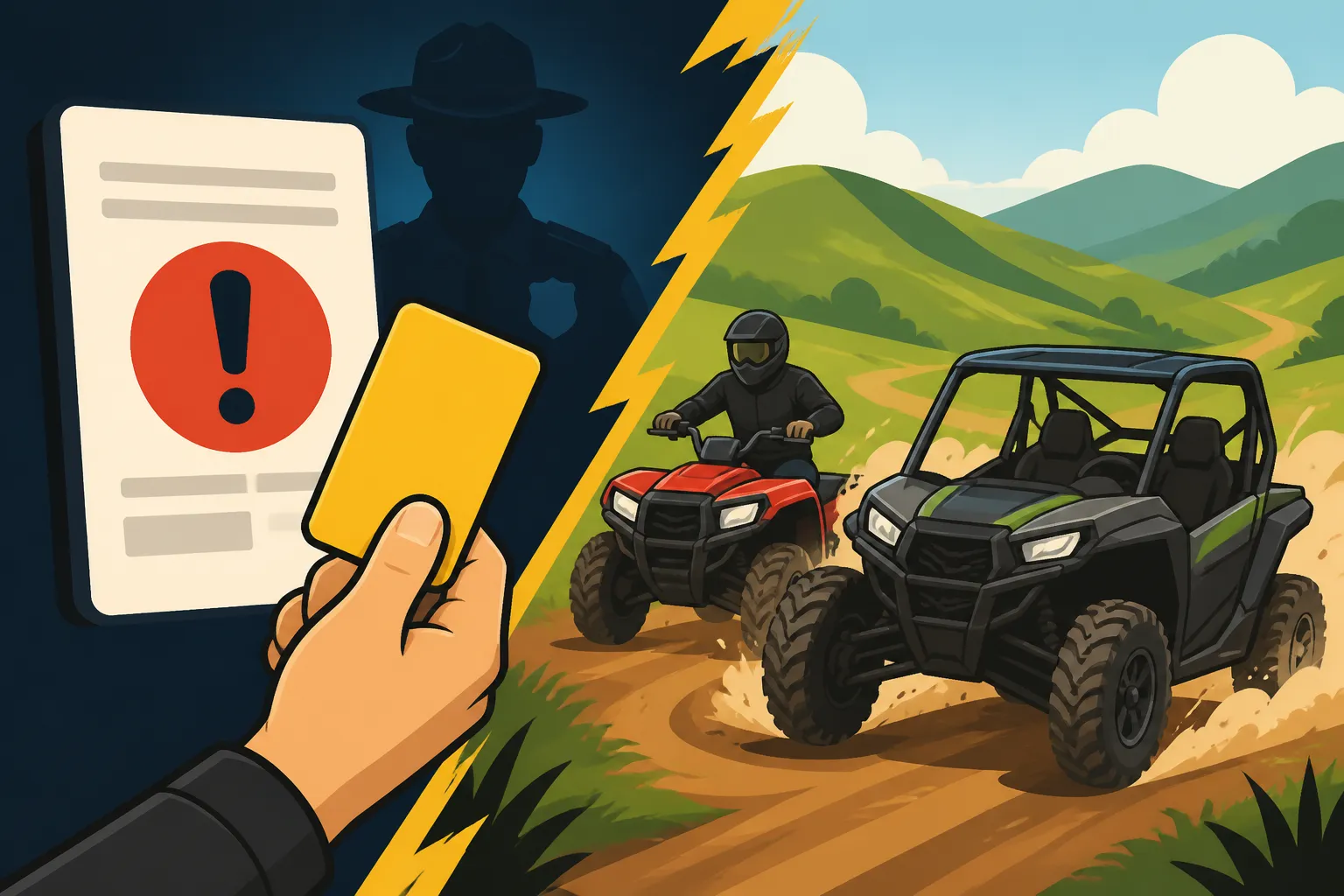
Getting pulled over on your ATV or UTV can be a confusing, frustrating experience, especially if you're not entirely sure what you did wrong. With recent changes in North Dakota law, those minor slip-ups can now hit your wallet harder than ever, transforming what might have been a warning or a smaller fine into a mandatory $50 penalty for even basic offenses. This guide will walk you through these new costs, explain the types of violations that now incur this fee, and most importantly, equip you with the knowledge to avoid them altogether, so your next ride is about adventure, not unexpected expenses.
Understanding the Recent Changes to North Dakota's OHV Violation Fines
Riding an off-highway vehicle (OHV) in North Dakota offers incredible freedom and access to some stunning landscapes, but with that freedom comes a responsibility to know and follow the rules. Over time, state lawmakers review these regulations, often making adjustments to improve safety, protect natural resources, or simply ensure the laws remain relevant. Recently, there's been a significant update to how basic OHV violations are handled, particularly concerning the financial penalties associated with them. It's a shift that every rider, from the seasoned veteran to the brand-new enthusiast, needs to understand.
These changes reflect a broader effort to underscore the importance of responsible OHV operation. While nobody wants to face a fine, the increase signals that the state is taking compliance seriously. It's not about making things harder for riders, but rather about ensuring that North Dakota's trails and legal riding areas remain safe and accessible for everyone, and that our environment is respected. Ignoring the rules, even minor ones, now has a clearer and more immediate financial consequence.
The New Baseline: $50 for a Basic Offense
In the past, some minor OHV infractions might have resulted in a lower fine, or perhaps an officer might have exercised discretion with a warning, especially if it was a first-time offense or a simple oversight. While discretion is always a possibility, the new framework establishes a firm baseline: many basic OHV violations now carry a mandatory $50 penalty. This means that certain actions, which might have seemed inconsequential, are now definitively ticketable at this amount.
What kind of actions are we talking about? Think about instances like accidentally venturing onto a prohibited section of a road for a short distance, a minor lapse in equipment maintenance that makes your machine non-compliant for public travel, or even the initial infraction of riding an unregistered machine on public land. These aren't necessarily reckless or dangerous acts, but they are deviations from established law. The $50 fine serves as a clear signal that even these less severe violations will incur a financial penalty, rather than just a slap on the wrist. It’s a way to standardize enforcement and ensure consistent application of the rules across the state.
Why the Legislature Increased Penalties
The decision to increase penalties for OHV violations, often highlighted by legislation like [North Dakota HB 1346 and the 2025 Penalty Increase], isn't usually made lightly. There are typically several driving factors behind such legislative changes, all aimed at improving the overall OHV experience and protecting both riders and the environment. One primary reason is enhancing public safety. When riders disregard rules, even seemingly minor ones, it can contribute to accidents or hazardous conditions, particularly when OHVs share spaces with other vehicles or pedestrians. Higher fines serve as a stronger deterrent, encouraging riders to be more attentive to safety regulations and operational requirements.
Another crucial aspect is environmental protection and resource management. North Dakota's natural beauty, from its grasslands to its river bottoms, attracts countless outdoor enthusiasts. Illegal riding off designated trails or in sensitive areas can cause significant damage to fragile ecosystems, disrupt wildlife, and erode public lands. Increased penalties aim to discourage such behavior, ensuring that the state's natural resources are preserved for future generations. Furthermore, these changes can also be linked to the costs associated with managing OHV recreation, including enforcement, trail maintenance, and education programs. Stricter penalties contribute to the framework that supports a well-regulated and enjoyable OHV system, often bolstering the funding for the very programs that benefit riders.
Common OHV Violations That Now Carry the $50 Fine
It's easy to assume that unless you're doing something truly egregious, you're probably in the clear. However, many common situations can quickly lead to that $50 basic violation. Understanding these everyday scenarios is key to avoiding an unwanted ticket and keeping your riding experience stress-free. From making sure your paperwork is in order to ensuring your machine is properly equipped, many of these infractions stem from simple oversights rather than intentional wrongdoing.
Knowing what an officer is looking for and the specific points of law that apply to your machine and where you're riding is paramount. It's not just about avoiding trouble; it's about being a responsible member of the OHV community. These violations often catch riders off guard because they might seem minor, but in the eyes of the law, they are clear breaches of the rules designed to keep everyone safe and preserve access for future enjoyment.
Riding an Unregistered Machine (Initial Offense)
Perhaps one of the most straightforward and easily avoidable violations is riding an unregistered OHV on public land. In North Dakota, just like with cars, your ATV or UTV needs to be properly registered if you plan to operate it anywhere beyond your own private property. While there are some [North Dakota Registration Exemptions Explained], for most riders accessing trails, ditches, or approved road shoulders, registration is a must. Getting caught without it, even for the first time, can now lead to that $50 basic fine.
The good news is that if you happen to get cited for this, North Dakota offers a bit of a reprieve: you might be eligible for [Half Price If You Register Afterward]. This incentive encourages riders to quickly correct their oversight and get on the right side of the law. Still, it's far better to handle this proactively. Make sure you understand [How to Register an ATV in North Dakota] and keep your registration current. The process involves a nominal fee for a two-year cycle, as detailed in [North Dakota's Two-Year OHV Registration], and is a small price to pay for peace of mind and legal riding. Without it, you’re essentially inviting an officer to write you a ticket for what could have been a simple trip to the DMV or online form.
Minor Equipment Non-Compliance
Many riders focus heavily on engine performance or suspension upgrades, but the state has specific requirements for essential safety equipment, especially if you plan to operate your OHV on public roads or rights-of-way. Things like mirrors, horns, and proper lighting aren't just suggestions; they're legal mandates. If your machine is missing a required piece of equipment, or if that equipment isn't functioning correctly or doesn't meet specifications, it can result in a $50 fine. For example, [North Dakota Mirror and Horn Requirements] specify that if your OHV is capable of operating on a highway, it needs at least one mirror providing a view 200 feet to the rear, and a horn audible at 200 feet.
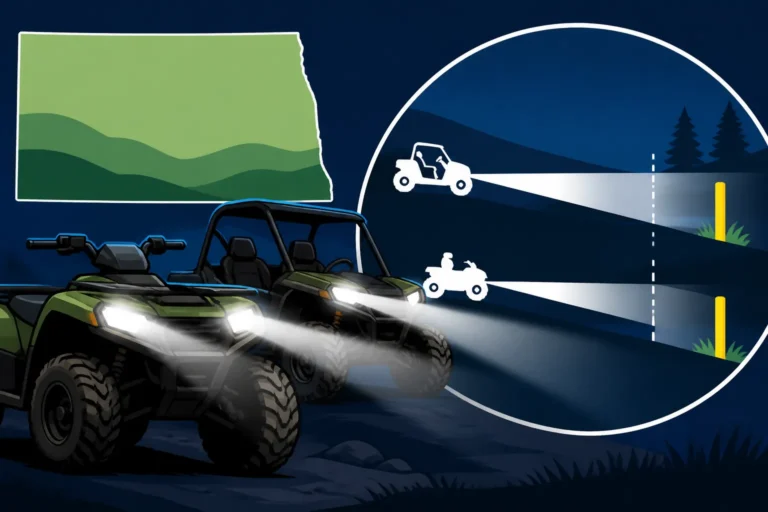
Similarly, ensuring your lighting is up to par is critical, particularly for night riding. [North Dakota Headlamp Distance Standards] require a headlamp visible from at least 300 feet. It's worth checking these details on your machine before heading out. Some riders even opt for aftermarket accessories, like those from SuperATV, to ensure their machines are fully compliant and enhanced for safety. It's not just about avoiding a ticket; it's about being visible and aware on the trail or road, protecting yourself and others. Regularly inspect your machine's lights, horn, and mirrors. A quick pre-ride check can save you a fine and ensure you meet [North Dakota Equipment Required on a Roadway].
Unauthorized Use on Specific Road Types
North Dakota has very specific rules about where OHVs can and cannot be operated. While many sections of [North Dakota Gravel Roads Open to Registered Machines] are accessible, and certain ditches allow for riding, there are numerous areas that remain off-limits. Accidentally straying onto a prohibited paved road, an interstate right-of-way, or a section of a township road where OHVs are explicitly banned can lead to a $50 basic violation. These situations often arise from a lack of awareness rather than malicious intent.
It's common for riders to have questions about these nuances. As clerks at motor vehicle branches often hear, many inquiries revolve around "Can I ride my ATV on this road?" (See [North Dakota Registration Questions Clerks Hear] for examples). The key is to know your route and understand the specific regulations for each type of surface. For example, while riding a ditch bottom is often permitted, moving onto the shoulder or inslope for an extended period might not be, unless passing an obstruction, as specified in the law. Always consult local ordinances and state statutes, and when in doubt, choose the safest, most clearly legal route. The $50 fine is a reminder that ignorance of the law is generally not a valid defense.
Beyond the Basic $50: Escalated Penalties and Serious Offenses
While the $50 basic violation serves as an important deterrent for minor infractions, it's crucial for every OHV rider in North Dakota to understand that not all violations are created equal. The state's legal framework includes a graduated system of penalties, meaning that certain behaviors or repeated offenses can quickly escalate beyond a simple fine. These more serious violations not only come with significantly higher monetary costs but can also lead to legal charges, suspension of privileges, and even incarceration in extreme cases.
It's a stark reminder that responsible OHV operation extends far beyond just knowing the basic rules. It involves exercising good judgment, respecting property, and ensuring you are in full control of your machine and yourself at all times. Being aware of these more severe consequences can help reinforce the importance of safe and lawful riding practices, protecting both your freedom to ride and your personal well-being.
Misdemeanors and Higher Fines
When an OHV violation goes beyond a simple administrative oversight or minor equipment issue, it can quickly escalate into a misdemeanor. North Dakota law defines various levels of misdemeanors, with Class B often being the designation for many OHV-related criminal offenses. For instance, reckless operation of an OHV, which might involve excessive speed, dangerous maneuvers, or disregarding the safety of others, can be classified as [What a Class B Misdemeanor Means in North Dakota]. The penalties for a Class B misdemeanor are substantially more severe than a $50 fine, potentially including significant fines (hundreds to thousands of dollars), jail time (up to 30 days), or both.
Repeated offenses for minor infractions can also accumulate, leading to more serious charges. For example, persistent trespass on [North Dakota Posted Land Rules for Riders] after being warned, or continuously operating an unregistered machine without rectifying the issue, could eventually be viewed as a more serious disregard for the law. These actions carry a much heavier burden than the initial basic violation. Moreover, any damage caused during reckless or illegal operation could lead to additional civil charges for restitution, compounding the financial and legal fallout.
Impaired Operation and DUI Charges
Of all the violations an OHV rider can commit, operating a machine while under the influence of alcohol or drugs is arguably the most serious. North Dakota takes impaired driving incredibly seriously, and these laws apply equally to OHVs as they do to cars and trucks. [North Dakota DUI Rules for OHV Riders] make it clear that if you're caught operating an ATV or UTV while impaired, you face the same severe penalties as if you were driving a passenger vehicle. This is not a "basic" violation; it's a criminal offense with far-reaching consequences.
A first-offense DUI can result in substantial fines, suspension of your driving privileges (for all vehicles, not just OHVs), mandatory alcohol education, and even jail time. Subsequent offenses carry progressively harsher penalties, including longer jail sentences, higher fines, and extended license suspensions. Beyond the legal consequences, impaired operation poses an extreme danger to the rider, passengers, and anyone else on or near the trails or roads. It's a risk that is simply never worth taking, and the legal system reflects that with stringent penalties designed to deter such behavior.
Other Costs: Court Fees and Property Damage
Beyond the immediate fine or potential criminal penalties, there are often numerous hidden costs associated with OHV violations that can quickly add up. When a citation requires a court appearance or involves more complex legal proceedings, you're likely to incur [North Dakota Court Costs for an OHV Citation]. These fees can include administrative charges, filing fees, and other judicial expenses that can easily double or triple the initial fine amount, even for what might seem like a minor issue.
Furthermore, if your violation involves any form of property damage – whether it's tearing up private land, damaging crops, or impacting infrastructure – you could face civil lawsuits for restitution. This means you'd be legally obligated to pay for the repairs or replacement of damaged property, which can amount to thousands of dollars depending on the extent of the harm. Even if you have insurance, certain types of reckless or illegal activity might not be covered. So, while the initial $50 fine might seem manageable, the broader financial implications of an OHV violation can become incredibly burdensome, making prevention always the most cost-effective strategy.
Here's a quick look at how OHV violations can escalate in North Dakota:
| Violation Type | Initial Cost (Typical) | Potential Escalation | Additional Consequences (Beyond Fines) |
|---|---|---|---|
| Basic Infraction | $50 | Repeat offenses, additional specific violations | Court costs, corrective action (e.g., registration) |
| Unregistered OHV | $50 (can be $25 if registered quickly) | Higher fines for repeat offenses, impoundment | Forced registration, court costs |
| Minor Equipment Failure | $50 | Higher fines if uncorrected, safety risks | Forced repair, court costs |
| Trespass (minor, unintentional) | $50 | Class B Misdemeanor for intentional or repeated trespass, property damage | Civil lawsuit for damages, criminal record |
| Reckless Operation | Class B Misdemeanor | Higher fines, possible jail time | Driving privilege suspension, criminal record |
| Operating Under Influence (DUI) | Criminal Offense | Significant fines, mandatory jail time, license suspension for all vehicles | Criminal record, mandatory education/treatment |
How to Avoid OHV Violations in North Dakota
Navigating the rules and regulations for OHVs in North Dakota might seem daunting, but it doesn't have to be. The best defense against fines and legal trouble is a solid offense of knowledge and preparation. By taking a proactive approach to understanding the laws and maintaining your machine, you can significantly reduce your chances of encountering issues with law enforcement. It's all about being a responsible rider, not just for your wallet's sake, but for the safety of yourself and others, and for the preservation of access to North Dakota's beautiful outdoor spaces.
Think of it as part of your pre-ride ritual: just like you check your tire pressure and fuel levels, you should also "check" your legal compliance. This mindset helps integrate safe and legal practices into every adventure, ensuring that your time on the trails and roads is spent enjoying the ride, not worrying about what might go wrong. A little effort upfront can prevent a lot of headaches down the line.
Know Before You Go: Researching Laws and Regulations
The single most effective way to avoid OHV violations is to be thoroughly informed about the rules governing where and how you can ride. This means doing your homework before you even load your machine onto the trailer. Laws can vary significantly not just by state, but also by county and even city within North Dakota. For example, [North Dakota County and City ATV Ordinances] can impose specific restrictions on riding within their jurisdictions, even if state law allows it. What's legal in one township might be prohibited just a few miles down the road.
Always consult official sources such as the North Dakota Department of Transportation (NDDOT) for registration rules and the North Dakota Parks and Recreation Department for trail-specific regulations. If you plan to ride on private land, you absolutely must secure [North Dakota Posted Land Rules for Riders] and get explicit permission from the landowner, preferably in writing. Resources like the OuterSpatial app for trail maps can also be invaluable, showing designated routes and potential restrictions. A few minutes of research can prevent an accidental trespass or a ride on a prohibited surface, saving you a $50 fine and a lot of frustration.
Proper Registration and Equipment Maintenance
Ensuring your OHV is properly registered and equipped is foundational to legal riding in North Dakota. As we discussed, operating an unregistered machine on public land is a direct path to a $50 fine, but it’s easily remedied. The state requires OHVs to be registered with the NDDOT, a process that results in a plate or decal and is valid for a [North Dakota's Two-Year OHV Registration] cycle. Make sure your registration is current and clearly displayed.
Beyond registration, your machine's equipment needs to be in tip-top shape and meet legal standards, especially if you plan to operate it anywhere near public roads or rights-of-way. This includes functional headlights and taillights, an audible horn, and at least one rearview mirror, particularly if your machine is capable of highway speeds. Brands like SuperATV offer a range of aftermarket accessories that not only enhance performance but can also help ensure your machine meets North Dakota's specific equipment requirements. Regularly check your lights, brakes, and tires. A pre-ride inspection is not just good practice; it's a critical step to ensure you comply with all [North Dakota Equipment Required on a Roadway] and avoid unnecessary fines. Don't overlook these details—they're often the first things an officer will check.
Riding on Designated Trails and Permitted Areas
One of the most common reasons riders encounter violations is simply riding in areas where OHVs are not permitted. It's tempting to explore, but venturing off designated trails or onto private property without permission is a direct violation of state law. North Dakota has a growing number of designated OHV riding areas, including [North Dakota OHV Trails: All Four Riding Areas], like Pembina Gorge, Roughrider Trail, and Turtle Mountain. These areas are specifically managed for OHV use and offer legal, safe, and often exhilarating riding experiences.
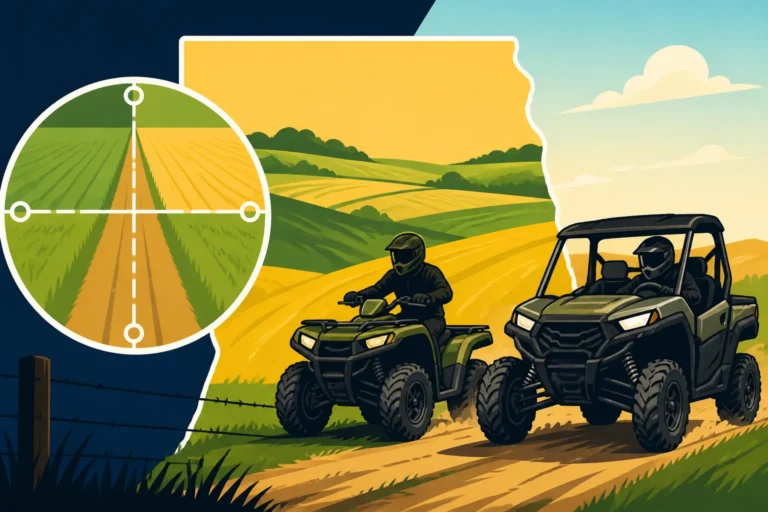
Stick to these known areas and obey all posted signs and regulations within them. Understand that many other public lands, such as state parks or wildlife management areas, often have restrictions or outright bans on OHV use, as do federal lands like the Maah Daah Hey Trail. Furthermore, always respect private property boundaries. [North Dakota Trespass Law for Riders] is strictly enforced, and landowners have the right to press charges. If you're unsure about a specific area, it's always best to err on the side of caution and find a clearly designated legal riding spot. Planning your route and knowing the boundaries before you leave home will prevent an accidental and costly excursion into restricted territory.
The Impact on the North Dakota OHV Community
Changes in OHV regulations, especially those involving increased penalties, aren't just about individual riders and their wallets. They have a ripple effect that touches the entire OHV community in North Dakota. From how riders perceive their responsibilities to the resources available for trail maintenance and education, these shifts in law play a significant role in shaping the future of off-highway vehicle recreation in the state. Understanding these broader implications can help foster a more cohesive and responsible riding culture.
Ultimately, the goal of such legislative adjustments is to create a more sustainable and enjoyable environment for everyone involved. It's about balancing the freedom of outdoor recreation with the necessity of preserving natural resources and ensuring public safety. When the community embraces these changes, the positive outcomes can be far-reaching, benefiting riders, landowners, and the environment alike.
Promoting Responsible Riding
The increase to a $50 basic violation fee is a clear signal from the state that responsible riding isn't just a suggestion; it's an expectation with financial consequences if unmet. This move aims to instill a greater sense of accountability among OHV operators. When even minor infractions carry a tangible cost, riders are more likely to double-check their registration, ensure their equipment is compliant, and pay closer attention to where they are riding. This isn't about discouraging riding, but rather about encouraging a higher standard of conduct.
Over time, this emphasis on responsibility can lead to a safer and more harmonious riding environment. Fewer accidents, less property damage, and greater respect for designated areas translate into a better experience for everyone. It also helps improve the public perception of OHV riders, which is crucial for maintaining and expanding access to riding areas. When the community demonstrates a commitment to following the rules, it builds trust and goodwill, paving the way for continued growth and enjoyment of the sport.
Funding for Trails and Enforcement
While fines are primarily a deterrent, they also contribute, albeit indirectly, to the broader system that supports OHV recreation and enforcement. Revenue generated from fines typically goes into the state's general fund. However, the philosophy behind these fines, alongside dedicated user fees like the [North Dakota's Off-Highway Trail Tax] that you pay with your registration, contributes to a more robust system. The trail tax, for example, directly funds trail development, maintenance, and administrative costs for OHV programs across the state.
Increased penalties can signal a greater commitment to enforcing existing laws, which in turn helps ensure that the investments made through trail taxes are protected. When rules are consistently enforced, it reduces illegal activity that could damage trails or lead to closures, thereby safeguarding the riding opportunities that the OHV community values. It’s a cyclical relationship: responsible riders, clear laws, and consistent enforcement all work together to maintain and improve North Dakota's OHV infrastructure.
The Role of Advocacy and Education
In the face of changing laws and increased penalties, the role of OHV clubs and educational resources becomes more vital than ever. Organizations like [North Dakota OHV Clubs Worth Joining] play a crucial part in disseminating information, advocating for riders' rights, and fostering a culture of safety and responsibility. These clubs often organize group rides, educational events, and work closely with state agencies to ensure that rider concerns are heard and that new regulations are effectively communicated.
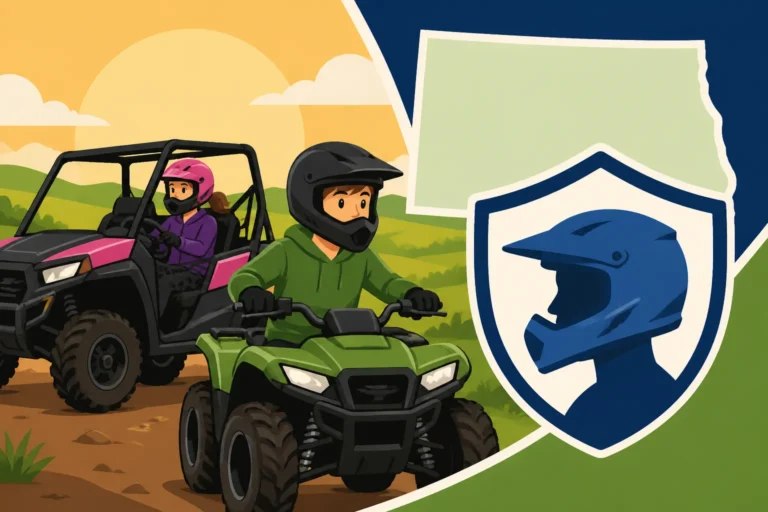
Furthermore, educational programs, such as [North Dakota OHV Safety Certificates at Age 12], are instrumental in teaching new and young riders the intricacies of safe and legal operation. By actively participating in these programs and staying informed through club communications or official channels, riders can equip themselves with the knowledge needed to navigate the evolving legal landscape. This collective effort ensures that the OHV community remains well-informed, responsible, and unified in its pursuit of safe and enjoyable riding experiences throughout North Dakota.
Disclaimer
This article is for general informational purposes only and does not constitute professional advice. Laws, prices and regulations vary by location and change over time. Consult a qualified professional for guidance on your specific situation.