North Dakota Posted Sign Spacing at 880 Yards
Riding an ATV or UTV across the vast, open landscapes of North Dakota offers an incredible sense of freedom, but it also comes with a serious responsibility: knowing exactly where you're allowed to ride. Nothing kills the joy of a good prairie run faster than the sinking feeling that you might have just trespassed, or worse, finding yourself face-to-face with an upset landowner because you inadvertently crossed a property line. This guide is all about demystifying North Dakota's specific rules for posted land, especially the critical 880-yard sign spacing, so you can ride with confidence and respect.
The Importance of Posted Land for North Dakota Riders
When you're out on your quad or side-by-side, it's easy to feel like the land stretches on forever. But beneath that open sky, property lines are everywhere, often invisible until you've already crossed them. Understanding posted land isn't just about avoiding trouble; it's about being a responsible member of the riding community and respecting the rights of others.
Why Landowners Post: Protecting Property and Privacy
For landowners in North Dakota, posting their property isn't usually about being unwelcoming. It's fundamentally about protecting their interests and privacy. Think about it: a farmer needs to protect their crops from damage that an errant ATV might cause, or livestock from being spooked or injured. They might have sensitive wildlife habitat they are trying to preserve, or simply want to ensure their family's privacy away from public access. There's also the very real concern of legal liability; landowners don't want to be held responsible if someone gets hurt on their property without permission.
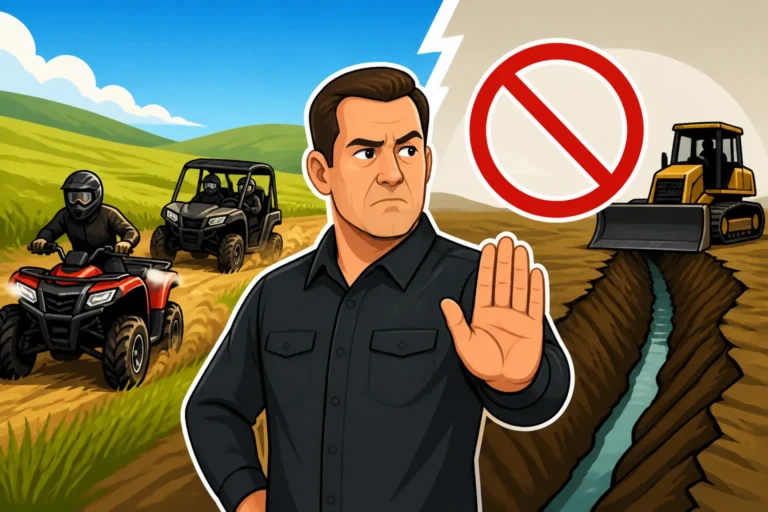
The frustrations for landowners are real when machines rip up fields, leave gates open, or disturb their peace. When they put up "No Trespassing" signs, it’s a clear legal statement of their intent to control who is on their land. For a rider, this means every piece of land you encounter must be considered private unless explicitly designated as public access or if you have direct permission. It can be a challenge in a state known for its wide-open spaces, where a fence line might be the only visible demarcation for miles.
The Rider's Responsibility: Knowing Before You Go
As an ATV or UTV enthusiast, the onus is always on you to know where you're riding. Ignorance of the law or of property lines isn't an excuse if you're caught trespassing. Your responsibility starts long before your tires hit the dirt. It means taking the time to plan your route, consulting maps, and understanding the local terrain and property ownership. This proactive approach helps build a positive image for the entire off-highway vehicle (OHV) community.
Imagine you're out exploring a new area, the wind in your hair, enjoying the vastness of the prairie. Suddenly, you come upon a field that looks like prime riding territory, but a quick check of your map, or a mental note from your pre-ride planning, tells you it's private. Knowing this before you enter prevents an awkward, or even legally problematic, encounter. It's particularly important in North Dakota where vast stretches of land can often look unmaintained or simply "open," but are actually someone's private farm or ranch. Being a responsible rider means respecting these boundaries, even if they aren't immediately obvious.
Decoding North Dakota's 880-Yard Sign Spacing Rule
North Dakota law is quite specific about how landowners must post their property to legally restrict access. This isn't just a suggestion; it's a critical legal framework that protects both the landowner and informs the rider. The most notable rule relates to the spacing of signs, particularly the 880-yard standard.
What "880 Yards Apart" Really Means for Signs
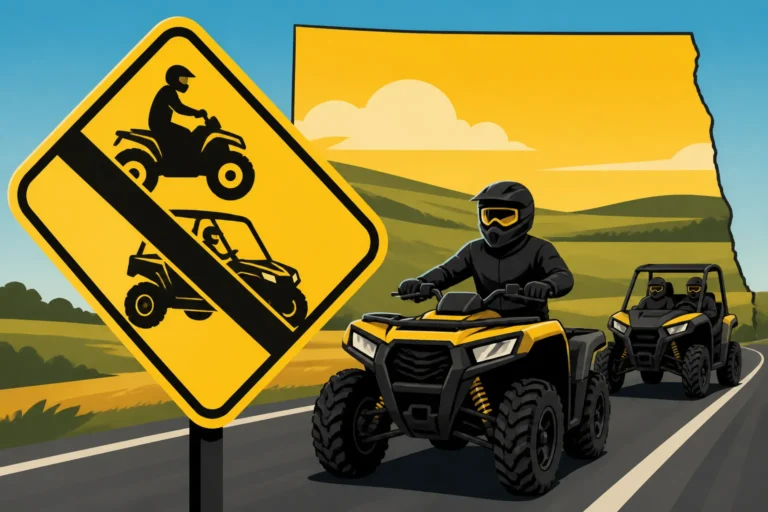
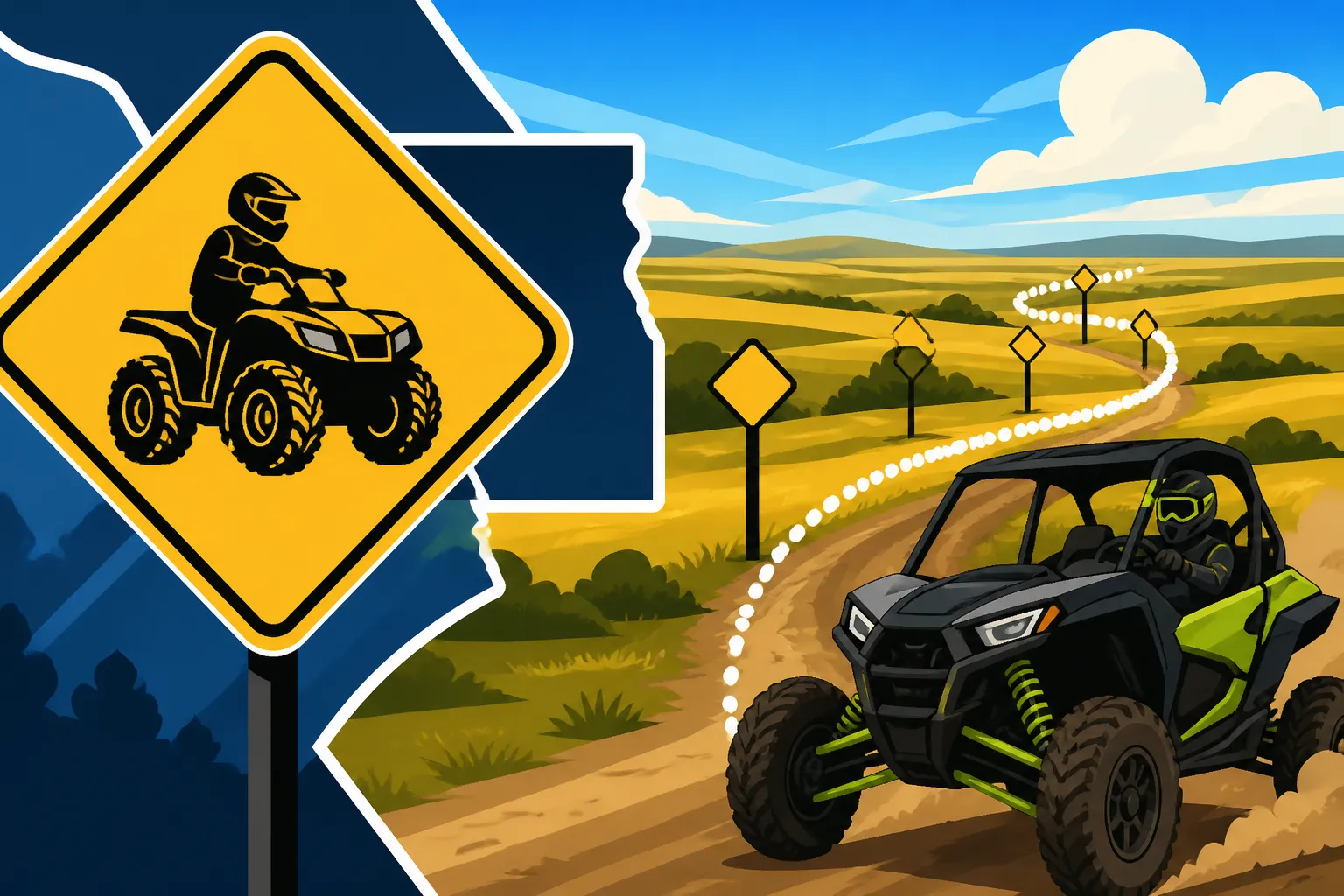
In North Dakota, for land to be legally "posted," signs must be placed conspicuously along the property boundary, no more than 880 yards apart. To put that into perspective, 880 yards is exactly half a mile. This isn't just an arbitrary number; it’s designed to ensure that if a landowner wants to prevent trespassing, there should be a visible sign within a reasonable distance no matter where a person might approach the property line.
This rule is a double-edged sword. For landowners, it means a significant effort in installing and maintaining signs over potentially many miles of property line. For riders, it means that if you are riding along a fence line or property boundary, you should expect to see a "No Trespassing" sign roughly every half-mile if the land is indeed posted. If you ride for a mile and don't see a single sign, it might indicate the land isn't legally posted, but it doesn't automatically mean it's open for public access. It primarily means the landowner hasn't fulfilled the specific legal requirement for posting. Always err on the side of caution. Remember, just because it isn't posted doesn't mean it's not private property, and you still need permission to be there.
The Content and Appearance of a Valid Posted Sign
It's not enough for a landowner to just slap up any old sign. North Dakota law also specifies what a posted sign needs to communicate to be legally effective. The signs must clearly state a prohibition on trespass. Typically, these signs will say something like "Posted," "No Trespassing," or "Private Property." While there aren't specific mandates on font size or color, the sign must be "conspicuous" – meaning it needs to be easily seen and understood by a reasonable person approaching the property.
Imagine trying to read a faded, tiny sign tucked into tall grass while you're moving on your UTV. It wouldn't be very conspicuous, would it? A landowner who genuinely wants to prevent trespassing will typically use durable, brightly colored signs (often yellow, red, or white with contrasting lettering) that are large enough to be seen from a distance, even by someone in a moving vehicle. They'll be placed at eye level or higher, usually on fence posts, trees, or dedicated stakes. If you're unsure about what makes a sign legally binding, you can always refer to [What a Posted-Land Sign Must Show in North Dakota] for more specifics. Using durable components, perhaps from a brand like SuperATV for aftermarket accessories, can also help ensure the longevity of any signage you might be erecting on your own property to meet these requirements.
Placement Challenges and Best Practices for Landowners
Maintaining proper sign spacing along property boundaries can be a real headache for landowners, especially on large North Dakota farms and ranches. Weather takes its toll, with wind and snow often damaging or burying signs. Some signs might even be vandalized or stolen, creating gaps in the posting that could unintentionally invite trespassers. To combat this, best practices for landowners often include using robust, weather-resistant materials for their signs and checking them regularly, especially after major storms or before common riding seasons.
From a rider's perspective, this means you can't always assume that a lack of signs in one spot means the entire boundary is unposted. There might be a gap due to a lost sign. Always look for other indicators like fence lines, changes in vegetation, or even tire tracks that suddenly stop at what appears to be a boundary. The ultimate goal for both landowner and rider is clarity, and consistent, well-maintained signage along the 880-yard rule goes a long way towards achieving that. Remember, the law is designed to give clear notice, and if that notice is broken due to poor maintenance, it can create ambiguity for everyone.
Beyond Physical Signs: Other Forms of Posting in North Dakota
While the 880-yard sign spacing rule is a cornerstone of North Dakota's posting laws, it's not the only way property can be off-limits to riders. In our increasingly digital world, new methods of posting are emerging, and traditional physical barriers still hold significant weight.
Electronic Posting: A Modern Approach to Property Lines
North Dakota has embraced a modern approach to property posting through electronic means. This allows landowners to register their property as "posted" with a state agency, and this information can then be accessed by the public, often through mobile apps or online mapping tools. This system can be incredibly helpful for riders because it provides a clear, digital overlay of posted land, reducing guesswork. It's a fantastic example of technology helping to bridge the gap between landowner rights and public access for outdoor enthusiasts.
For ATV and UTV riders, utilizing electronic posting resources is an absolute game-changer for pre-ride planning. Before heading out, you can check these digital maps to clearly identify private property boundaries. This is especially useful in areas where physical signs might be sparse, obscured by vegetation, or simply haven't been maintained according to the 880-yard rule. Think of it as having a detailed, real-time "no-go" zone marked on your phone or GPS. It's a proactive way to ensure you're respecting property rights and avoiding accidental trespassing. To learn more about how to use these digital tools, you can refer to [North Dakota Electronic Posting and Riders].
Gates, Fences, and Natural Barriers as Indicators
Even without a single "No Trespassing" sign, certain physical features on the landscape serve as strong indicators of private property. A well-maintained fence line, especially one with a locked gate, should always be interpreted as a boundary you should not cross without explicit permission. These aren't just decorative elements; they're functional barriers that define ownership and control access. Imagine a sturdy ranch gate across a dirt track – even if there's no sign, it's a pretty clear signal that you're entering private land.
Beyond man-made structures, natural barriers can also serve as implicit boundary markers. A dense shelterbelt, a significant change in terrain like a deep coulee, or a distinct change in land use (e.g., from wild prairie to cultivated field) can all suggest a property line. While these don't necessarily constitute "legally posted" land in the same way signs or electronic registration do, they absolutely demand your respect. Err on the side of caution. If it looks like someone's private space, it probably is. Understanding these cues is part of being a savvy and respectful rider in North Dakota. For more details on gated parcels, check out [Gates on a Fully Enclosed Parcel].
Verbal Permission and Implied Consent: A Risky Business
When it comes to accessing private land, always, always aim for written permission. While a friendly chat with a landowner might grant you verbal permission, relying solely on it can be a risky business. Memories fade, people move, and a verbal agreement can be easily misunderstood or disputed later, especially if a new landowner takes over or if a property boundary is ambiguous. What you thought was permission for "that field" might have been interpreted by the landowner as "the pasture, but stay out of the crops." This kind of miscommunication can lead to uncomfortable situations or even legal trouble.
A clear, written permission slip, specifying the dates, areas, and conditions of your access, is the gold standard. It protects both you and the landowner by documenting the agreement. This is particularly crucial if you plan on riding repeatedly on someone's land or if you're taking a group. Never assume implied consent just because a gate is open or because you've seen others ride there before. Always seek direct, preferably written, permission from the current landowner. It builds trust and ensures clarity for everyone involved. For a deeper dive into this, read [Landowner Permission in Writing].
Navigating Private Property: Rules, Respect, and Legalities
Even with all the best intentions, accidental trespass can happen. However, understanding what constitutes trespass and the potential consequences can help you avoid it and act appropriately if you find yourself in an unclear situation.
What Constitutes Trespass for OHV Riders
In North Dakota, trespass generally occurs when a person enters or remains on another's private property without permission. For OHV riders, this can be particularly problematic because a few wrong turns or a moment of inattention can easily take you onto someone else's land. The key element is often whether the land was "posted" according to legal requirements (like the 880-yard sign spacing or electronic posting) or if there were clear physical indicators of private property. Even if you didn't intend to trespass, you can still be held accountable.
Imagine you're following a scenic trail that suddenly veers off what you thought was public land onto a field marked with "No Trespassing" signs that were just out of view around a bend. Even if you immediately turn around, the act of entering without permission constitutes trespass. This is why vigilance is crucial. Always assume land is private unless you have explicit knowledge or signage indicating otherwise. Understanding the specific definition of trespass in North Dakota is vital for all riders. You can get more information on this by reading [North Dakota Trespass Law for Riders].
Consequences of Ignoring Posted Land: Fines and Other Penalties
Ignoring posted land signs or other clear indicators of private property can lead to serious consequences in North Dakota. At the very least, you might receive a verbal warning from a landowner or law enforcement officer, which can be an incredibly uncomfortable experience. However, repeated offenses or significant damage to property can escalate quickly. Penalties for trespassing can range from fines to much more severe legal repercussions.
In North Dakota, criminal trespass can be classified as a Class B misdemeanor, especially if it involves damage to property or repeated offenses. A Class B misdemeanor carries potential penalties that include monetary fines and even jail time, though jail time is often reserved for more egregious cases. Furthermore, your OHV could potentially be impounded, and you might be required to pay for any damages you caused. These are not minor inconveniences; they can significantly impact your wallet and your freedom. Always remember that respecting property lines is not just good etiquette; it's a legal obligation with real teeth. For a clearer picture of potential legal consequences, refer to [What a Class B Misdemeanor Means in North Dakota].
The Importance of Communication and Local Ordinances
One of the best ways to navigate the complexities of private land is through open communication. If you're genuinely unsure about a piece of property, try to locate the landowner and ask for permission. A polite inquiry can often open doors, whereas an assumption of access can quickly close them. Many landowners are reasonable and might grant access for a specific purpose or route, especially if you approach them with respect.
Beyond state laws, it's also crucial to remember that county and city ordinances in North Dakota can add additional layers of restriction. What might be perfectly legal for OHVs in one rural county could be strictly prohibited within the city limits or even in specific townships. These local rules can cover everything from noise restrictions to specific hours of operation or even outright bans on OHV riding in certain areas. Always check with local law enforcement or county offices before riding in an unfamiliar area. This due diligence ensures you're compliant with all rules, state and local, and helps prevent any unpleasant surprises. Discover more about local restrictions by reading [North Dakota Counties That Restrict Riding].
Responsible Riding Practices on the North Dakota Prairie
Being a responsible rider in North Dakota goes beyond just understanding the laws; it's about adopting practices that ensure safety, respect, and sustainability for everyone who shares the land.
Pre-Ride Planning: Maps, Apps, and Local Knowledge
Before you even load your machine onto the trailer, effective pre-ride planning is your best defense against accidental trespassing and ensures a much more enjoyable experience. Start with detailed maps, both physical and digital. Many apps, like OuterSpatial or specific land management agency apps, offer overlays showing public land boundaries, private property, and designated trails. These are invaluable tools for identifying where you can legally ride and where you need to steer clear. [North Dakota OHV Trail Map Downloads] can be a great starting point for finding official maps.
Don't underestimate the power of local knowledge. Talk to seasoned riders, local outfitters, or even folks at the county sheriff's office. They can offer insights into informal access points, areas to avoid, and local quirks not found on any map. For instance, knowing that a particular landowner is sensitive about their property line or that a certain area frequently has missing signs can save you a lot of grief. Equipping your machine with a reliable GPS unit, perhaps one from a brand like SuperATV, can provide precise location data, making it easier to stay on approved routes and avoid those hidden boundaries.
Respecting Property and Leaving No Trace
The "Leave No Trace" principles are paramount for OHV riders in North Dakota. This means staying on designated trails or roads, not creating new tracks, and certainly not riding through cultivated fields or sensitive natural areas. Remember, your tires can cause significant damage to crops, disturb delicate ecosystems, and erode soil, especially in North Dakota's unique "gumbo" mud after a rain. [Rutting at Pembina Gorge] is a perfect example of why this is so important—it protects the trails we all want to enjoy.
When riding near private property, be extra vigilant about your speed and dust. Kicking up a massive dust cloud near someone's home or livestock is disrespectful and can be a nuisance. Always treat fences, gates, and other property with care. If you open a gate, close it behind you. If you encounter livestock, slow down, give them a wide berth, and don't harass them. Your actions reflect on the entire OHV community, and responsible behavior helps foster a positive relationship with landowners.
Equipment and Awareness for Boundary Riding
Being well-equipped and maintaining a high level of awareness while riding can significantly reduce the risk of unintentional trespass. For instance, if you're riding in areas with tall prairie grass, a safety flag mounted on your ATV or UTV can make you more visible to others and also help you spot potential boundary markers or signs that might otherwise be obscured. Brands like SuperATV offer a variety of sturdy flag mounts and flags that stand up to tough prairie conditions.
Always keep your head on a swivel, constantly scanning the horizon and your immediate surroundings for signs, fences, or changes in the landscape that might indicate a property line. Ride at a speed that allows you to react safely and stop if you see something ambiguous. If you have any doubt about whether you're on public or private land, it's always best to stop, consult your map or GPS, and if still unsure, turn around. It's far better to backtrack a bit than to risk an unpleasant encounter or a legal penalty. Carrying the landowner's contact information (if you have permission) can also be useful in case of an emergency or an accidental boundary crossing.
Here's a quick overview of North Dakota's posting methods:
| Posting Method | Description | Key Requirements | Rider Implications |
|---|---|---|---|
| Physical Signs | Conspicuous signs placed along property boundaries. | Spaced no more than 880 yards (1/2 mile) apart; must clearly state "Posted," "No Trespassing," or "Private Property." | Look for clear, visible signs. Assume land is private if signs are present. |
| Electronic Posting | Landowner registers property as posted with the North Dakota Game and Fish Department (or similar agency), accessible via digital maps/apps. | Registration with the state; requires an annual renewal. | Utilize mapping apps and online resources for pre-ride planning to identify digitally posted land. |
| Physical Barriers | Fences, gates, and significant natural features like dense tree lines or deep ravines that clearly delineate property. | No specific legal posting requirements for these as barriers, but they serve as strong implicit indicators of private land. | Exercise common sense; treat well-defined barriers as private property boundaries, even without explicit signs. |
| Verbal/Written | Direct permission from the landowner to access their property. | Best if in writing, specifying dates, areas, and conditions of access. Verbal is risky. | Always seek permission. Written permission is highly recommended to avoid misunderstandings. |
Disclaimer
This article is for general informational purposes only and does not constitute professional advice. Laws, prices and regulations vary by location and change over time. Consult a qualified professional for guidance on your specific situation.