North Dakota Class II Width and Weight Limits
It can be incredibly frustrating to try and understand all the different rules and regulations that come with owning and operating an off-highway vehicle (OHV) in North Dakota. You just want to hit the trails or get some work done on the farm, but you're constantly second-guessing if your machine even fits the legal definition for where you want to ride. This guide will cut through the confusion, focusing specifically on North Dakota's Class II OHV classification, particularly its width and weight limits, so you can ride with confidence and avoid unnecessary headaches.
Demystifying North Dakota's OHV Classification System
When you're looking at buying a new machine or just trying to figure out if your current side-by-side or ATV is compliant, the first hurdle is often understanding how North Dakota categorizes these vehicles. It's not just "an ATV" or "a UTV" in the eyes of the law; there are specific classes that dictate everything from where you can ride to what kind of safety gear might be required for passengers. This system is designed to help manage safety and environmental impact, but for the average rider, it can feel like navigating a maze of technical jargon.
The Purpose of OHV Classes
North Dakota's classification system exists for a few crucial reasons. Primarily, it's about public safety. By defining machines based on their size, weight, and design, the state can set appropriate rules for road access, trail use, and even who can operate them. Imagine trying to navigate a narrow forest trail on a massive, heavy utility vehicle designed for farm work – it wouldn't be safe or practical. Similarly, larger, more stable machines might have different requirements for carrying passengers on public roads.
Beyond safety, these classifications also help manage the types of machines allowed on designated trails and public lands. Some trails, for instance, have width restrictions to protect the natural environment and prevent wider vehicles from causing excessive damage or becoming stuck. It also helps with the administrative side of things, like [Titling an ATV in North Dakota] or understanding your [North Dakota OHV Registration Cost], as the class can sometimes influence specific paperwork or fees, though often not directly.
An Overview of North Dakota's OHV Categories
Before diving deep into Class II, it’s helpful to quickly glance at the entire landscape of OHV classifications in North Dakota. Generally speaking, the state groups off-highway vehicles into three main classes, plus some special categories for things like tracked dirt bikes. Each class has distinct characteristics related to its design, intended use, and most importantly for our discussion, its physical dimensions. Understanding this broader context will make the specifics of Class II much clearer. For a full breakdown, you can check out [North Dakota's Class I, II and III Machines].
- Class I Machines: These are typically what most people think of as traditional ATVs. They are designed to be ridden straddled by the operator, often with a handlebar for steering. Think quad bikes or four-wheelers.
- Class II Machines: This is where UTVs (Utility Task Vehicles) or side-by-sides often fall. They are designed to carry multiple passengers side-by-side, usually with a steering wheel and foot pedals, much like a small car.
- Class III Machines: This class is a bit broader and includes a variety of other off-road vehicles that might not fit neatly into Class I or II, such as larger, heavier utility vehicles, specialized off-road buggies, or even larger amphibious machines.
Each of these classes comes with its own set of rules, and knowing which one your machine belongs to is the first step to being a compliant and responsible rider in North Dakota.
Defining Class II Machines: The Legal Specifics
Now, let's zero in on North Dakota's Class II definition. This is the category that most side-by-side owners will find themselves in, and it's crucial to understand the exact parameters to ensure your vehicle is compliant for registration, road use, and trail access. Misunderstanding these limits can lead to unexpected fines or restrictions on your riding adventures.
The Core Definition: Seating, Steering, and Usage
At its heart, a Class II OHV in North Dakota is defined by how you sit and steer, and its general purpose. Unlike a Class I ATV where you straddle the engine and use handlebars, a Class II machine typically features:
- Side-by-Side Seating: The operator and any passengers sit side-by-side, just like in a car or truck, rather than straddling the machine. This is a key differentiator.
- Steering Wheel: Instead of handlebars, Class II OHVs are equipped with a steering wheel for control. This often gives them a more car-like feel to operate.
- Foot Controls: Gas and brake pedals are operated by foot, again, similar to a traditional automobile.
- Intended Use: While many are used for recreation, utility task vehicles (UTVs) are often employed for work purposes on farms, ranches, or construction sites, though they still fall under the same classification for road and trail rules.
These foundational characteristics separate Class II machines from their Class I and Class III counterparts, setting the stage for the more specific dimensions we're about to discuss.
North Dakota's Standard Width and Weight Limits
Here's where the rubber meets the road, quite literally. North Dakota law specifies clear maximums for the width and weight of Class II OHVs. These aren't just arbitrary numbers; they are put in place to ensure machines can safely share public roads (where permitted) and access trails without causing undue impact or getting stuck in tight spots.
By default, a Class II off-highway vehicle must not exceed:
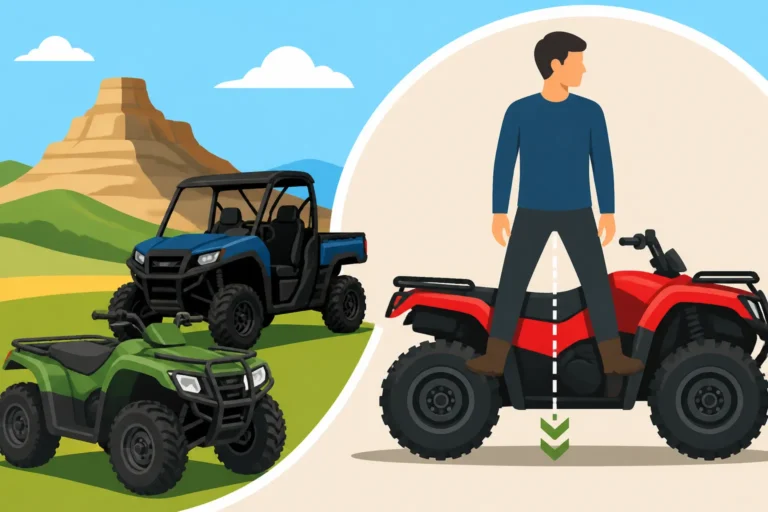
- 65 inches in width: This measurement is taken from the widest point of the vehicle, excluding mirrors. It's a critical number to remember, especially if you're eyeing a wider model or adding aftermarket accessories that increase its overall footprint.
- 2,000 pounds in dry weight: This refers to the vehicle's weight without fuel, fluids, or passengers. This limit is less often a concern for new, standard models, but can become relevant if you're looking at heavily customized machines, older models, or larger utility-focused side-by-sides.
These two numbers are your baseline for Class II compliance. If your machine is wider or heavier than these figures, it either doesn't fit the standard Class II definition or falls into a special exception that we'll cover next.
The 65-Inch Class II Alternative: Wider Machines Explained
North Dakota's OHV laws acknowledge that not all side-by-sides fit neatly into the 65-inch width limit. Many popular utility and sport models are manufactured wider than this, and the state has a provision for these machines, offering what's often referred to as [The 65-Inch Class II Alternative]. This alternative allows for wider machines under certain conditions, primarily related to their weight and the number of wheels.
For a Class II OHV to exceed the standard 65-inch width, it must meet these criteria:
- No more than 80 inches in width: This is the absolute maximum for any machine to be considered a Class II OHV, even under the alternative rule. Many four-seat UTVs or larger utility models fall into this range.
- No more than 4,000 pounds in dry weight: Again, this refers to the vehicle's dry weight, without passengers or cargo. This higher weight limit accommodates the larger, wider machines.
- Not less than four wheels: This specifically addresses the common four-wheel configuration of most side-by-sides. Machines with fewer than four wheels (like three-wheel ATVs) have different classifications and rules.
This alternative is a lifesaver for many riders, as it means they aren't automatically excluded if their machine is a bit wider than 65 inches. However, it's crucial to know that while your wider side-by-side might still be a Class II OHV under this alternative, specific trails or riding areas might still enforce their own width restrictions, often adhering to the narrower 60-inch or 65-inch standards. Always check local rules for any specific trail system before you head out, like those found at [Pembina Gorge's 60-Inch Trail Width Cap].
Practical Implications for North Dakota Riders
Understanding these width and weight limits isn't just about passing a quiz; it has very real consequences for how and where you can enjoy your Class II OHV in North Dakota. From purchasing decisions to daily riding routes, these legal specifics directly impact your experience.
Road and Highway Access
One of the most common areas of confusion for OHV riders revolves around road access. Can you take your side-by-side down the county road to get to a fishing spot, or even across town to grab some supplies? For Class II machines, the width and weight limits play a significant role in determining what's permissible under [North Dakota ATV Road Rules by Surface Type].
Generally, a Class II machine meeting the standard or alternative width and weight limits may be allowed on certain public roads, especially gravel or township roads, provided it meets other equipment requirements (like mirrors, lights, etc.) and the local jurisdiction hasn't banned it. However, if your machine is excessively wide or heavy, exceeding even the 80-inch/4,000-pound alternative, it may be deemed unsuitable for public road travel altogether. Interstate highways, for example, are almost universally off-limits to OHVs, regardless of their class or dimensions. Always remember to check with local law enforcement or county ordinances, as [North Dakota County and City ATV Ordinances] can vary widely and add layers of complexity.
Trail Access and Restrictions
North Dakota boasts some fantastic riding opportunities, from designated OHV parks to the extensive network of ditches and section lines. But just because you own a side-by-side doesn't mean it can go everywhere. Trail systems, especially those managed by state parks or federal agencies, often have their own specific rules, and width is frequently the most important factor.
Many of North Dakota's dedicated OHV trails, such as those within Pembina Gorge, have specific width limitations, often capping machines at 60 or 65 inches. If your Class II side-by-side falls into the wider "alternative" category (up to 80 inches), you might find yourself restricted from some of these trails, even if your machine is legally a Class II OHV. This is a common frustration for owners of larger four-seat UTVs. Before you load up the trailer, always check the specific trail's regulations, which are often available through state park websites or apps like OuterSpatial, to avoid a wasted trip. [North Dakota OHV Trails: All Four Riding Areas] provides a good starting point for exploring options.
Purchasing Decisions and Aftermarket Modifications
When you're shopping for a new or used Class II OHV, keeping these limits in mind can save you a lot of grief down the road. That super-wide, lifted side-by-side might look amazing, but if it pushes you beyond the legal width or weight for Class II, it could severely limit where you can ride.
Think about:
- Stock Dimensions: Always verify the manufacturer's stated width and dry weight. Many dealers will be upfront about these figures, but it's wise to double-check.
- Aftermarket Additions: Accessories like wider tires, wheel spacers, fender flares, or even custom suspension can easily push your machine past the 65-inch or even 80-inch mark. Be aware of how these modifications impact your overall width and weight. It's often easy to forget how seemingly small changes add up.
- Legal Documentation: When buying, especially from a private seller, you'll need documentation like a [North Dakota Bill of Sale Form SFN 2888]. If there are any questions about the machine's classification or modifications, ensuring you have clear paperwork is key. Reputable sources like LawDepot can provide templates for these essential documents, giving you peace of mind during a private transaction.
By being informed before you buy or modify, you can ensure your Class II machine remains compliant with North Dakota law and meets your riding needs without running into unexpected restrictions.
Navigating Paperwork and Enforcement
Beyond the physical dimensions of your Class II OHV, there's the administrative side of ownership. Registration, titling, and understanding how these limits might come into play during an interaction with law enforcement are all part of responsible ownership in North Dakota.
Registration and Titling Your Class II OHV
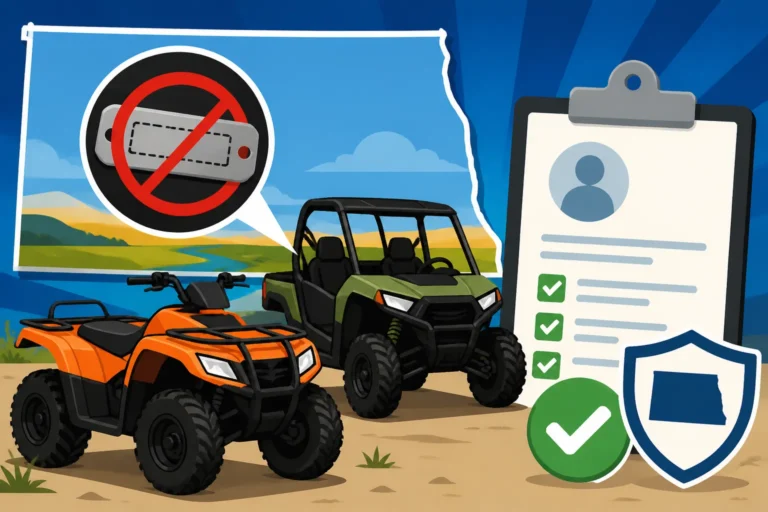
Registering your Class II side-by-side is a non-negotiable step if you plan to ride anywhere off your own private land. The state requires almost all OHVs operated on public lands or roads to be registered. When you go to register your machine, the classification (Class I, II, or III) is an important piece of information, even if it doesn't directly change the registration fee itself. The North Dakota Department of Transportation (NDDOT) processes these registrations, and they'll want to know the make, model, and type of vehicle.
Here’s what to keep in mind:
- Proof of Ownership: You'll typically need a title or, in some cases, a [North Dakota Statement of Ownership Form SFN 2903] along with a bill of sale, especially if you're buying a used machine with no prior title. This is where a clear record of your machine's make and model is vital.
- Application Forms: Forms like [North Dakota Form SFN 2872 Explained] are used for titling, and accurate information about your machine's type and basic dimensions can prevent delays.
- [North Dakota's Two-Year OHV Registration]: North Dakota operates on a two-year registration cycle, so once you're on the books, you're good for a while. However, ensuring your machine correctly fits the Class II definition from the start is important, as issues could arise if its dimensions are later found to be misrepresented.
The process of [Registering a Side-by-Side in North Dakota] is generally straightforward, but knowing your vehicle's exact class and dimensions helps the NDDOT ensure everything is correctly recorded.
How Width and Weight Impact Enforcement
When you're out riding, especially on roads or trails where OHV use is regulated, law enforcement officers may occasionally perform equipment checks. While they're primarily looking for things like proper registration, headlights, taillights, and mufflers, they can also verify your machine's classification if there's any doubt about its legality for a specific area.
Consider these scenarios:
- Trail Checks: If you're on a trail with a strict 60-inch width limit and your side-by-side is clearly wider, an officer could issue a citation or ask you to leave the trail. Ignorance of the rule isn't an excuse.
- Roadside Stops: On a public road where OHVs are permitted, an officer might question if a particularly wide or modified machine still falls within the legal definition of a Class II OHV for that road. If your machine exceeds even the alternative 80-inch width, it could be deemed an unregistered or illegal vehicle for that thoroughfare, leading to [North Dakota Penalties for Riding Unregistered] or other fines.
- Accident Investigations: In the unfortunate event of an accident, especially on a public road or trail, the legal classification and compliance of your OHV will be thoroughly investigated. If your machine was operating outside its legal parameters (e.g., too wide for a specific trail, or exceeding weight limits for a particular road), it could impact liability and insurance claims.
Being prepared means carrying your registration and, if you're a newer rider, having completed the necessary safety training required for riders under 16, which often means an [North Dakota OHV Safety Certificates at Age 12]. Always respect an officer's request for information and understand that these rules are in place for everyone's safety.
Choosing the Right Class II Machine for Your North Dakota Adventures
Selecting a Class II OHV that aligns with North Dakota's regulations and your intended use is key to a rewarding experience. It’s not just about what looks cool or has the most horsepower; it's about practical compliance.
Matching Your Machine to Your Riding Style
Before you even start looking at models, think about where and how you primarily plan to ride in North Dakota. This often dictates whether the standard 65-inch width or the wider alternative is more suitable for your needs.
- Tight Trails and Technical Riding: If your heart is set on exploring tighter, designated OHV trails in areas like Pembina Gorge or Turtle Mountain, you'll likely want a Class II machine that fits within the 60-inch or 65-inch width. Many sport side-by-sides are designed with these narrower dimensions in mind specifically for trail access. Choosing a machine over 65 inches in width will inevitably limit your trail options, a reality that can be frustrating if you've invested in a larger vehicle only to find it's restricted.
- Utility and Farm Work: For those using their Class II OHV primarily for work on the farm, ranch, or large private property, the wider, heavier utility-focused models that often fall under the 80-inch alternative might be ideal. These machines offer more cargo capacity, greater stability, and often have more powerful engines suited for towing or hauling. While they may not fit on all recreational trails, their primary purpose isn't trail riding anyway. If you anticipate any need to cross public roads for farm work, ensure it still meets the necessary equipment standards for limited road travel.
- General Recreation and Ditch Riding: Many North Dakotans enjoy exploring the vast network of section lines and ditches. For this type of riding, which is often considered [North Dakota Ditch Riding: The Legal Right Explained], the width limits are less about a specific trail and more about safely navigating the terrain and respecting private property. A machine that fits the 65-inch or 80-inch Class II definition should be suitable, assuming you adhere to all other ditch riding rules and landowner permissions.
Understanding your primary use case will help you make a more informed decision and avoid purchasing a machine that's technically legal but practically limited for your preferred activities.
Considering Future Modifications
It's tempting to dream of all the cool upgrades you'll add to your new Class II OHV. However, it's crucial to factor in how these future modifications might affect your machine's compliance with North Dakota's width and weight limits.
Here are a few things to consider:
- Tire and Wheel Upgrades: Swapping out stock tires for larger, wider, or more aggressive treads can easily add several inches to your overall width, pushing you beyond a critical limit. Similarly, wheels with different offsets can also significantly increase your stance. Always measure after any wheel/tire changes.
- Lift Kits and Suspension: While primarily affecting height and ground clearance, some suspension modifications can also subtly alter the track width of your vehicle.
- Accessories: Even seemingly innocuous additions like extra-wide fender flares, brush guards, or even certain types of storage racks can add to the overall width. Pay attention to how these items are measured, as the 65-inch or 80-inch rule is typically measured at the widest point, excluding mirrors.
- Weight Additions: Winches, heavy-duty bumpers, extra fuel tanks, toolboxes, and even full cabs with heaters can add significant weight to your machine. Keep the 2,000-pound and 4,000-pound dry weight limits in mind, particularly for older models or those close to the threshold.
It's a good practice to measure your machine's width and weigh it (if possible) after any significant modifications to ensure it still fits within the legal Class II parameters for North Dakota. If you're modifying a machine you plan to sell, ensuring all legal paperwork is in order, perhaps using a template from LawDepot, will protect both you and the buyer. This careful approach ensures your North Dakota adventures remain compliant and enjoyable.
Conclusion: Riding Smart and Staying Legal
Navigating the world of OHV regulations in North Dakota doesn't have to be a source of constant stress. By taking the time to understand the specifics of Class II width and weight limits, you're empowering yourself to make smart decisions, whether you're buying a new machine, planning a weekend ride, or simply heading out to work on the farm. North Dakota's rules are designed to keep everyone safe and preserve the incredible natural beauty of our state for all to enjoy.
Remember, the standard Class II machine is generally limited to 65 inches in width and 2,000 pounds dry weight, but there's a vital alternative that allows for machines up to 80 inches wide and 4,000 pounds dry weight, provided they have at least four wheels. Knowing where your machine stands within these parameters is the first step to unlocking all the legal riding opportunities North Dakota has to offer. Always double-check local ordinances and trail-specific rules, as these can add additional layers of restriction. With a little diligence, you'll be able to focus less on the legalities and more on the pure joy of riding your Class II OHV across the beautiful North Dakota landscape.
Disclaimer
This article is for general informational purposes only and does not constitute professional advice. Laws, prices and regulations vary by location and change over time. Consult a qualified professional for guidance on your specific situation.