Why Your Truck Needs a $7 Daily Park Permit
A truck hauling an ATV or UTV can need its own permit when it enters a North Dakota state park, even if the machine has a separate registration or visitor permit. That can feel like paying twice for one ride, but the permits cover different things. Here’s what the daily park permit is for, when it applies, and what to check before you arrive.
What the daily park permit covers
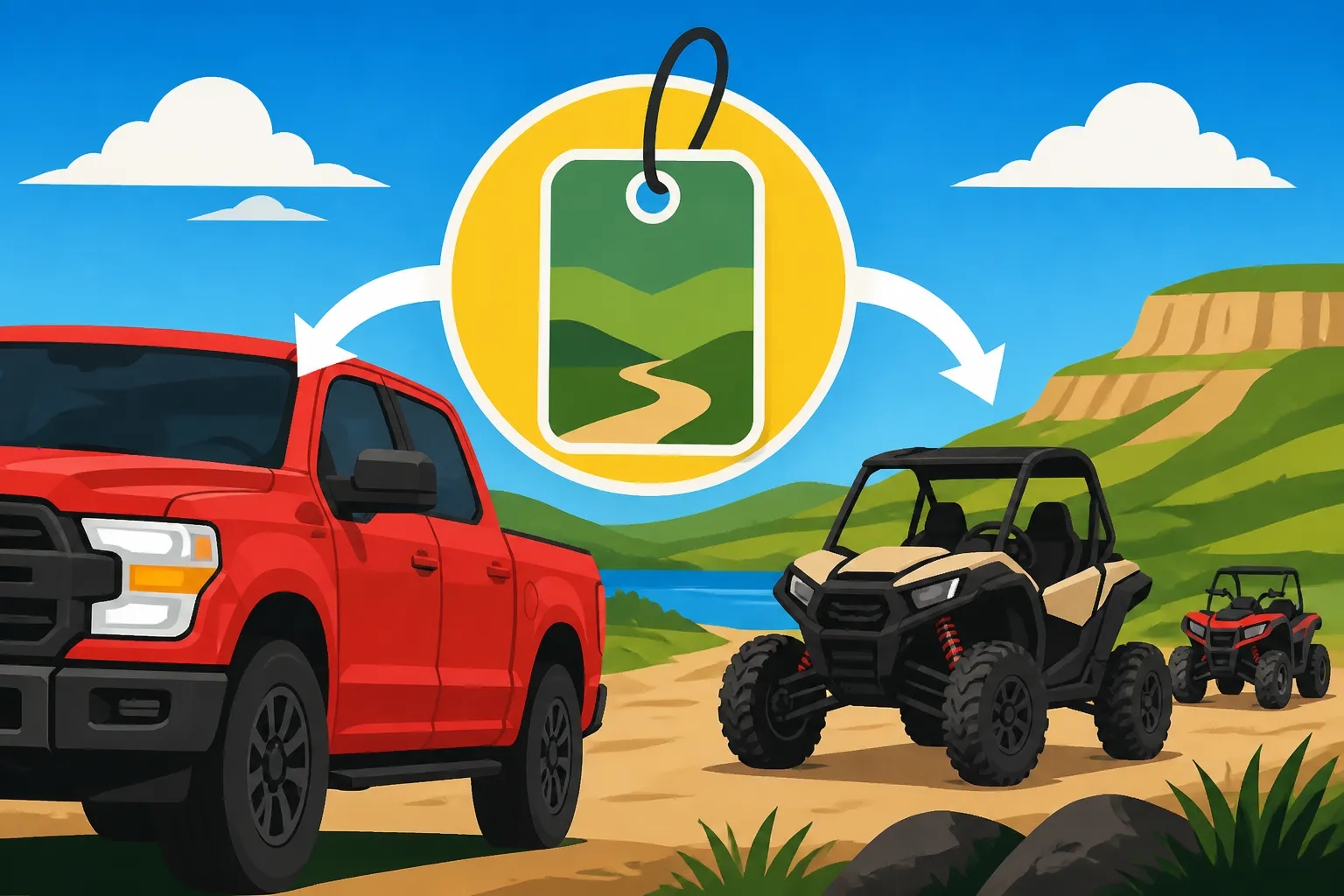
The daily park permit is an entrance permit for the motor vehicle entering a North Dakota state park. If you drive your truck into a park to reach a trailhead, campground or other park facility, the truck may need a permit even when it is only carrying an ATV or UTV.
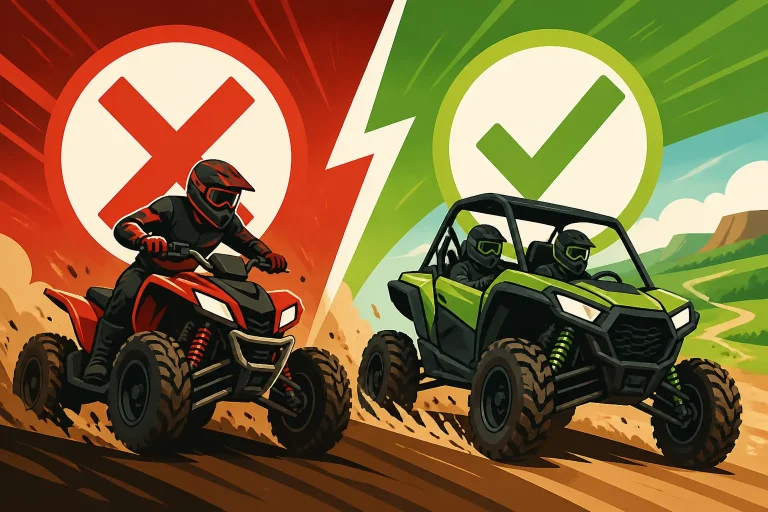
The permit is not an ATV or UTV registration. It does not register the machine for riding, and it does not replace a permit that may be required for a visiting rider. Instead, it covers the truck’s entry into the park. Think of it as two separate questions:
- Is the truck allowed to enter the state park under the park’s vehicle-entry rules?
- Is the ATV or UTV properly registered or permitted for the riding you plan to do?
The answer to one does not automatically answer the other. A truck with a daily park permit does not make an unregistered machine legal to ride. Likewise, a properly registered ATV does not necessarily cover the truck that brought it to a state park.
The distinction matters most when your destination is a state park with a riding area. For example, the truck and trailer may enter the park to unload at an approved trailhead, while the ATV or UTV has separate requirements for riding on the trails. Park Entrance Versus Trail Access explains that difference in more detail.
The daily amount named in the title is $7. Fees and permit procedures can change, so check the park or the official state park information before traveling rather than relying on an old receipt, screenshot or online discussion. The daily permit is generally the practical option for a short visit, while a longer stay or several park visits may make another permit option worth checking. For current permit types and conditions, see North Dakota State Park Entrance Permits.
| What you bring or do | What to check |
|---|---|
| Truck entering a state park | Whether the truck needs a daily or other park entrance permit |
| ATV or UTV riding on a trail | Whether the machine is registered or needs a visitor permit |
| Trailer entering with the truck | Whether the park has any separate parking, trailer or access rules |
| Riding outside a state park | The registration, land-access and local rules for that location |
| Multiple park visits | Whether another park permit option is more suitable |
When your truck may need one
The key detail is usually where the truck goes, not whether the truck itself is being used for recreation. If you drive it into a state park, the park’s vehicle-entry rules may apply even if the truck is simply transporting your riding equipment.
That can include a visit where you plan to unload the ATV and leave the truck parked while you ride. It can also include a truck towing a trailer into the park. The ATV’s paperwork does not ordinarily transfer to the truck: the park permit question concerns the vehicle entering the park.
Before heading out, confirm the access point and the property boundary. A trailhead near a park is not necessarily inside the park, and not every riding area operates under the same rules. Check whether your planned parking area is on state park property and whether the route to it requires entering the park. If you are using an off-site staging area, verify its own parking and access rules instead of assuming the state park permit applies.
Do not assume that a state park permit is required every time you ride in North Dakota. The relevant question is whether your truck is entering a state park subject to an entrance permit. Other public land and trail systems may have different access rules. For an overview of riding areas and their settings, see North Dakota OHV Trails: All Four Riding Areas.
It is also worth separating a park entrance permit from the documents for the machine. North Dakota residents generally need to follow the state’s OHV registration rules, while visitors may have a different permit requirement. North Dakota Has No Trail Permit for Residents covers the resident side, and North Dakota’s Non-Resident OHV Permit explains the visitor permit issue. Those requirements concern the machine and rider, not the truck’s park entry.
If your trip includes both park and non-park riding, make a short checklist for each location. One trailhead might involve a state park entrance permit for the truck; another might involve a different land manager or access system. Getting the truck into one property does not give you permission to ride on every nearby trail or parcel.
Why an ATV permit does not cover the truck
It is easy to see why the permit feels duplicative: the truck is there only because you want to ride the ATV or UTV. But the permits address different vehicles and different activities. A park entrance permit relates to the truck entering the park. OHV registration or a visitor permit relates to the off-highway machine and its authorized use.
For example, a visitor could have the required North Dakota permit for the ATV and still need to address the truck’s entrance into a state park. A North Dakota resident could have the machine properly registered and still need a park entrance permit for the truck. In either case, having one type of paperwork does not automatically satisfy the other.
The same logic applies if you ride a side-by-side. The truck carrying it is still a separate vehicle for park-entry purposes. The UTV’s classification, registration and riding permissions do not determine the truck’s entrance requirement. If you are unsure which machine rules apply, North Dakota’s Class I, II and III Machines provides a starting point for understanding how North Dakota defines different OHVs.
Permits also do not grant permission to ride wherever a truck can drive. Park entrance permission is not a trail map, landowner authorization or guarantee that a route is open. Check posted signs, trail closures and the rules for the land manager before unloading. The park may limit where OHVs can operate, and some areas close when conditions make riding unsuitable. North Dakota Trail Closures After Rain is useful if your plans depend on recent weather.
A simple way to plan the paperwork
Before leaving, check each part of the trip separately:
- Confirm where the truck will enter and park. Identify whether the lot or trailhead is inside a North Dakota state park.
- Check the park entrance requirement for the truck. Confirm the current daily permit amount, purchasing options and any display instructions with the park or official state park information.
- Check the ATV or UTV requirement. Make sure the machine’s registration or visitor permit is appropriate for its owner and planned use.
- Confirm that the riding area is open to your machine. Review width limits, trail notices and the rules for the land you plan to ride.
- Keep the relevant proof accessible. Store the truck’s park permit information separately from the machine’s registration or visitor permit.
This quick check can prevent a common mix-up at the trailhead: having the ATV paperwork ready while overlooking the truck’s entrance requirement. If you want to buy a visitor permit before the trip, Buying a Permit Online Before You Travel covers that separate process. If you prefer to handle it at a park, see Buying a Permit at a Park Office and verify that the location you plan to use offers the permit you need.
How to avoid paying for the wrong permit
Start with the location, not the price. A permit that sounds like a “trail permit” may not cover park entry, and a park entrance permit may not authorize OHV use. Read the permit description carefully and match it to the vehicle and purpose it covers.
When checking current details, use the official information for the specific park or contact the park before traveling. Confirm whether the daily permit is required for your truck, whether a trailer changes anything, how the permit must be displayed, and whether another option fits a longer visit. If information from an older page conflicts with current park instructions, follow the current official instructions.
Keep the confirmation or receipt where you can retrieve it. If the permit is electronic, make sure you know what proof is accepted and whether you need to display anything on the vehicle. If it is a physical permit, follow the stated placement instructions rather than guessing. The important thing is to be able to show that the truck has met the park’s entry requirement.
Do not buy a park permit simply because you plan to ride somewhere in North Dakota. First establish that your route or parking area is within a park that requires one. On the other hand, do not skip it on the assumption that your ATV registration covers the entire trip. The truck and the machine have separate roles, and their requirements can be separate too.
For a short trip, the daily permit may be the clearest choice if the park requires it. If you expect to visit several state parks, compare the available park permit options using current official information. The calculation depends on your itinerary and the current rules, so it is better to check than to assume a daily permit or annual option is automatically best.
The practical takeaway is simple: the truck needs a park entrance permit because it enters the park, while the ATV or UTV needs its own valid paperwork for riding. Confirm both before you leave, and check the current fee and conditions directly with the park.
Disclaimer
This article is for general informational purposes only and does not constitute professional advice. Laws, prices and regulations vary by location and change over time. Consult a qualified professional for guidance on your specific situation.