When a North Dakota OHV Registration Expires
It's incredibly frustrating when you're trying to do the right thing and keep your off-highway vehicle (OHV) legal, but the rules around registration expiration feel like a puzzle. Many riders find themselves scratching their heads, wondering if their ATV or UTV registration lasts two full years from the purchase date or if there's some other system at play. This guide is here to untangle the confusion and clearly explain exactly when your North Dakota OHV registration expires, so you can ride with confidence and avoid unexpected penalties.
Understanding North Dakota's Two-Year Registration Cycle
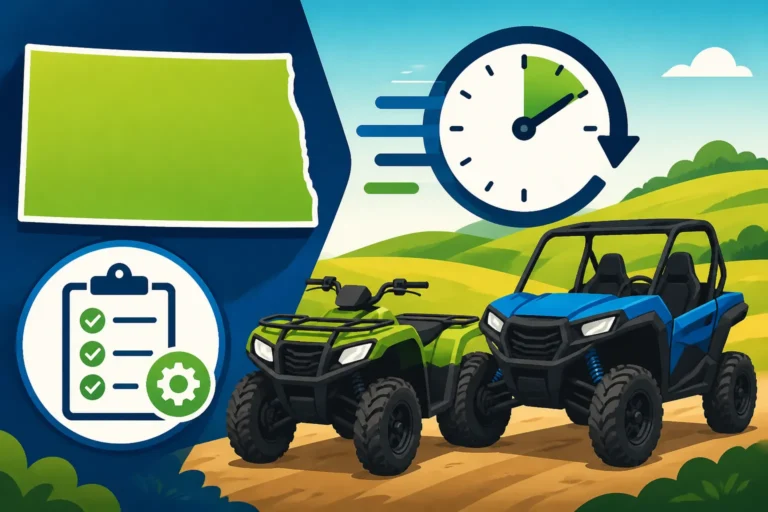
North Dakota has a very specific system for OHV registrations, and it’s one that often catches new owners or those unfamiliar with the regulations off guard. Unlike some other states where your registration might be valid for a year or two from the exact date you register, North Dakota operates on a fixed, statewide, biennial (two-year) cycle. This means that all OHV registrations across the entire state follow the same schedule, regardless of when you bought your machine or processed the initial paperwork.
This centralized approach, while perhaps simplifying things for the state's Motor Vehicle Division, can certainly lead to a lot of head-scratching for us riders. You might think, "I just bought my side-by-side in July, so it should be good until July two years from now, right?" Unfortunately, that’s not how it works here. The cycle is a set period, and your registration fits into that period, rather than the period adapting to your purchase date. It’s a common point of confusion, and frankly, a source of frustration for many.
The intent behind this system is to streamline administrative processes, but for the individual owner, it often means a bit of mental arithmetic and sometimes a shorter effective registration period than anticipated. It’s crucial to understand this fundamental difference from the outset, as it impacts everything from when you need to renew to the actual [North Dakota OHV Registration Cost] you might feel like you're paying for a partial period. Understanding [North Dakota's Two-Year OHV Registration] is the first step to avoiding any unwelcome surprises down the road.
The Foundation of the Cycle
At its core, North Dakota's OHV registration cycle is designed to have every machine's registration expire on the same date, biannually. This is a system that focuses on uniformity across the state's entire OHV fleet, rather than individual registration anniversary dates. For the state, it means less variation in processing and enforcement, allowing for more predictable administrative tasks. However, for you, the rider, it means that the exact date you register your machine isn't the primary factor in determining its expiration.
Think of it like a subscription service where everyone's membership ends on a specific day, regardless of when they joined during the cycle. If you sign up three months before the universal renewal date, you get three months of service, and then you renew for the full upcoming period. This isn't exactly a pro-rated fee structure for the initial sign-up, but rather a fixed fee that covers you for whatever portion of the cycle remains until the next universal expiration. It's a system that takes some getting used to.
This foundational cycle helps the state manage its records more efficiently, but it places the onus on the owner to understand this fixed timeline. It's not intuitive for many, especially if you've owned OHVs in other states with different registration models. The good news is, once you grasp this core concept, managing your North Dakota OHV registration becomes much clearer.
The Importance of Even-Numbered Years
A critical detail of North Dakota's OHV registration cycle is that all registrations expire at the end of even-numbered years. This means that if you're currently riding in, say, 2024, your registration, along with everyone else's, will expire on December 31st of that year. The next cycle will then begin on January 1st, 2025, and run until December 31st, 2026. This consistent pattern is a cornerstone of the state's registration framework.
This emphasis on even-numbered years for expiration points to a deliberate choice by the state to create a predictable rhythm for renewals. It’s not arbitrary; it’s a system designed for large-scale management. So, if you're looking at your calendar and wondering when you'll need to think about renewing, just remember that every other year, as the holidays approach, it's also time to ensure your OHV paperwork is in order.
Understanding [Why North Dakota Registrations End on Even Years] can help alleviate some of the confusion. It solidifies the idea that the expiration isn't tied to your personal purchase date, but to a predetermined statewide schedule. This fixed cycle simplifies planning for the Motor Vehicle Division, ensuring a predictable flow of renewals and allowing them to allocate resources accordingly.
What Your Registration Period Actually Means
Given the fixed biennial cycle, your "registration period" isn't necessarily a full 24 months from the day you sign the papers. Instead, it refers to the period between your registration date and the next universal expiration date, which, as we've established, is December 31st of an even-numbered year. If you register your OHV in an odd-numbered year, your initial registration will cover a shorter period, but you'll still pay the standard fee for that cycle.
This can be a tough pill to swallow for some riders. Imagine buying a new UTV in January of an odd-numbered year. You might assume you're set for two full years, but in reality, that initial registration will only be valid until December 31st of the next even-numbered year – essentially less than two full years. The fee covers you for the remainder of that specific cycle, not a personal 24-month window.
It's vital to grasp that this isn't a flaw in the system or an error on your part. It's simply how North Dakota structures its OHV registration. So, while it might not feel entirely fair to pay for a "two-year" registration that effectively lasts, say, 12 or 18 months in your first go-around, it's the standard procedure. The subsequent renewals will then align perfectly with the full two-year cycle.
Why All Registrations Expire on the Same Date
The uniformity of North Dakota's OHV registration expiration date, specifically December 31st of even-numbered years, isn't a random choice. It's a strategic decision made to benefit the state's administrative processes, law enforcement, and even potentially trail management. While it might feel a bit rigid from a rider's perspective, there are practical reasons behind this standardized approach. It creates a rhythm that simplifies compliance checking and data management for multiple agencies.
For instance, consider the sheer volume of OHVs across North Dakota. If every single machine had its own unique expiration date based on its purchase or registration day, tracking renewals, sending out notices, and verifying compliance in the field would become an incredibly complex and resource-intensive task for the Motor Vehicle Division and local authorities. A single, universal expiration date provides a clear, unmistakable target for everyone involved.
This consistency also helps to ensure that when it's time for enforcement or review, there are no ambiguities. An officer stopping an OHV can quickly determine its registration status against a single, known statewide deadline, rather than needing to verify an individual date that might be harder to track in real-time. It's all about making the system as straightforward as possible from a regulatory standpoint, even if it adds a layer of initial understanding for the public.
Streamlining for the State
One of the primary reasons for a universal expiration date is to streamline operations for the North Dakota Motor Vehicle Division. Imagine the administrative nightmare if thousands of OHV registrations expired on different days throughout the year. The workload would be constantly fluctuating, making it difficult to staff appropriately and manage the flow of renewals. By having a single expiration date, the state can anticipate a surge in activity during a specific period, allowing them to prepare their systems and personnel accordingly.
This streamlining isn't just about managing paperwork; it extends to financial planning and budgeting as well. The state can predict revenue from registration fees more accurately when renewals happen in a concentrated window. This predictability helps in allocating funds for things like trail maintenance, safety programs, and other OHV-related initiatives that benefit the riding community. It's a system designed for efficiency at a large scale.
Furthermore, a streamlined process can potentially lead to fewer errors and a more consistent experience for riders. While you might initially be perplexed by the fixed date, the state aims for an efficient, repeatable process for everyone. This way, whether you're renewing online, by mail, or in person, the process should be relatively consistent year after year during the renewal period.
The December 31st Deadline
The specific choice of December 31st as the expiration date for all OHV registrations is notable. This end-of-year timing means that the new registration cycle always kicks off with the calendar year, on January 1st. This aligns the OHV registration cycle with the broader annual administrative and fiscal cycles that many government agencies follow, making coordination and reporting simpler.
This deadline also neatly ties into the seasonal nature of OHV riding in North Dakota. While many enthusiasts enjoy year-round activities, the most intense riding seasons are typically spring, summer, and fall. Having the renewal happen at the close of the year, potentially during a slower riding period for some, gives owners ample time to process their renewals before the next major riding push in the spring.
It also means that when you receive your renewal notice, you're looking at a clear, unmistakable date. No need to calculate 24 months from a random day; it's simply the end of the calendar year. This clarity, despite the initial confusion over the fixed cycle, is a benefit for ensuring compliance and keeping your machine legally ready for the trails and ditches when the weather warms up.
Avoiding Staggered Expirations
The alternative to North Dakota's system would be staggered expirations, where each OHV registration would expire on a date unique to that vehicle, usually based on the original registration or purchase date. While this might seem more intuitive to some, it presents significant challenges for both the state and law enforcement. Imagine an officer needing to verify an expiration date that could be any day of the year, for thousands of vehicles.
For enforcement, a universal expiration date simplifies things immensely. An officer knows that any OHV displaying an expired decal from a previous cycle (e.g., a 2024 decal still visible in 2025) is immediately out of compliance. There's no gray area of "oh, but I just bought it last month, it should be good." The date is the date for everyone. This clarity aids in quick and efficient enforcement, ensuring that all riders are playing by the same rules.
Furthermore, avoiding staggered expirations helps the state maintain a cleaner, more accurate database. With a fixed renewal window, the opportunity to update records for a large segment of the OHV population occurs simultaneously. This reduces the chances of outdated information lingering in the system and ensures that the state has the most current data on registered OHVs, which is vital for planning, safety, and managing public lands.
The Impact of Buying a Machine Mid-Cycle
This is where the rubber meets the road, and where many North Dakota OHV owners experience that familiar pang of frustration. Because the state operates on a fixed two-year registration cycle that culminates on December 31st of even-numbered years, buying an OHV in an odd-numbered year—or even early in an even-numbered year—means your initial registration won't cover a full 24 months. You're essentially buying into the current cycle, whatever portion of it remains.
It’s a common scenario: you finally found that perfect side-by-side in the spring of an odd-numbered year. You're excited, you go through all the steps to [How to Register an ATV in North Dakota], pay your fees, and get your new [North Dakota OHV Plate or Decal: Your Choice]. Then, you might notice the expiration date on your paperwork, and it's less than two years away. You might feel a bit cheated, wondering why you're paying for a "two-year" registration that isn't quite two years long for you.
This isn't an oversight or a mistake; it's simply how the system is structured. The registration fee covers your machine for the remainder of the current two-year cycle. While it might feel like you're paying full price for a partial period, the fee is consistent for everyone entering that specific cycle. The key takeaway is to be aware of this dynamic when you make your purchase, so you can adjust your expectations and budget accordingly.
The Pro-Rated Reality
Despite what might feel like a "pro-rated" situation in terms of time, the fee itself for that initial registration isn't usually pro-rated by the state. You'll typically pay the full amount for the current cycle, even if you’re only benefiting from a few months of it. This is a common point of contention and confusion for riders, especially if they’ve moved from a state with a different system. It feels counterintuitive to pay the same fee for 6 months of coverage as someone who gets 24 months.
This fee structure reinforces the idea that the payment is for access to the current registration cycle, not a direct monthly cost. It ensures uniformity in state revenue collection, but it also means that the timing of your purchase can significantly impact the value you perceive from that initial registration fee. It's important to remember that subsequent renewals will then put you squarely into the full two-year cycle.
So, while the time you get might be shorter, the initial [North Dakota Charges $5 Registration Plus $15 Trail Tax] is usually a fixed amount for that current cycle. Being prepared for this reality can save you from unnecessary frustration at the Motor Vehicle Division office. It's just one of those quirks of the North Dakota system that we, as riders, need to understand and work within.
When Your Registration Period Is Shorter
Let’s illustrate this with a hypothetical example. Say you purchase and register your OHV in March of 2023. You might intuitively expect your registration to be valid until March 2025. However, because all North Dakota OHV registrations expire on December 31st of even-numbered years, your registration would actually expire on December 31st, 2024. That’s an effective registration period of just under two years, even though you paid for a "two-year" registration.
If you were to purchase your OHV much later in an odd-numbered year, say November 2023, your registration would still expire on December 31st, 2024. In this scenario, you'd only get about 14 months of validity before needing to renew. The difference in effective duration based on your purchase date can be substantial, and it’s a crucial detail that often gets overlooked until the expiration date looms.
This shortened period isn't limited to brand new purchases either. It can also apply to [North Dakota Registration for an Imported Machine] or a machine that has simply been unregistered for a long time and is now being brought back into compliance. The rule is consistent: your initial registration plugs you into the current statewide cycle, which always ends on December 31st of an even-numbered year.
Calculating Your Effective Registration Period
To help visualize this, let's look at a simple breakdown of when your registration would effectively expire based on the year you first registered your OHV in North Dakota. This isn't about the month you registered, but purely the year within the cycle.
| Year of First Registration | Effective Expiration Date | Full Months of Coverage (Approx.) |
|---|---|---|
| January 1, 2023 – Dec 31, 2023 | December 31, 2024 | 12-24 (depending on month of 2023) |
| January 1, 2024 – Dec 31, 2024 | December 31, 2026 | 24-36 (depending on month of 2024) |
| January 1, 2025 – Dec 31, 2025 | December 31, 2026 | 12-24 (depending on month of 2025) |
| January 1, 2026 – Dec 31, 2026 | December 31, 2028 | 24-36 (depending on month of 2026) |
As you can see from the table, if you register your OHV in an odd-numbered year (like 2023 or 2025), your initial registration will typically cover a period shorter than 24 months. The full two-year period truly begins for everyone at the start of an even-numbered year, running until the end of the next even-numbered year. This pattern repeats, ensuring that all OHVs remain synchronized.
This table highlights the "pro-rated" reality for time, even if the fee isn't. It's a critical piece of information to be aware of, especially when planning a purchase or bringing a new-to-you machine into the state. Knowing this helps you manage your expectations and budget for renewals, ensuring you're never caught off guard when the time comes.
How to Determine Your OHV's Expiration Date
Knowing when your OHV registration expires is crucial for staying legal and avoiding unnecessary headaches. While we've discussed the general cycle, the specific expiration date for your machine is clearly stated on your official documents. This isn't something you have to guess or calculate from memory once you have your paperwork in hand. The North Dakota Motor Vehicle Division makes this information readily available to you, primarily through your registration card and the physical plate or decal on your machine.
It’s always a good practice to periodically check these sources, especially as the end of an even-numbered year approaches. Life gets busy, and it's easy for things like registration renewals to slip your mind. A quick glance at your documents can provide peace of mind or serve as a timely reminder that it's time to take action. Having this information at your fingertips helps you plan your rides and ensure you’re always in compliance.
If, for some reason, you can't locate your physical documents or the information isn't clear, don't fret. The state provides avenues for official verification. It's better to confirm your status than to risk riding with an expired registration, which, as we'll discuss, can lead to some unpleasant consequences. Being proactive about knowing your expiration date is a key responsibility of every OHV owner in North Dakota.
Checking Your Registration Card
The most reliable place to find your OHV's exact expiration date is on the official registration card issued by the North Dakota Motor Vehicle Division. This card is a vital document, and you should always keep it with you when operating your OHV, or at least have a copy readily accessible. Much like your driver's license or vehicle insurance card, it’s a primary piece of identification for your machine.
On the registration card, you'll typically find details like your OHV's VIN, make, model, and year, along with your name and address as the registered owner. Crucially, there will be a clearly labeled field for the expiration date. This date will always align with the December 31st of an even-numbered year, as discussed. Take a moment to locate this information and commit it to memory or make a note in your calendar.
If your registration card is lost, damaged, or unreadable, you'll want to take steps to get a duplicate. Riding without access to this document can be problematic if you're stopped by law enforcement. It’s part of your responsibility as an OHV owner to maintain current and accessible records for your machine.
Looking at Your Plate or Decal
In North Dakota, you have the option of displaying either a license plate or a decal on your OHV to show it's registered. Whichever option you choose, it will typically bear information that indicates the current registration period or expiration. For many riders, the visual cue of the decal or plate is the most immediate way to confirm their registration status, even without pulling out the registration card.
The decal, which is usually affixed to a visible part of the OHV (like the fender), often has the year of expiration prominently displayed. This allows law enforcement officers and fellow riders to quickly identify if a machine is currently registered. Similarly, a plate will have a sticker or stamping indicating the current validity. [North Dakota OHV Plate or Decal: Your Choice] is something you decided on when registering, and it serves as a public declaration of your compliance.
While these visual cues are handy, they don’t always provide the exact day and month. For the full date, your registration card remains the definitive source. However, if you see an outdated year on your decal or plate, it’s a clear signal that your registration has expired or is about to. This is a crucial visual check to perform regularly, especially after a new even-numbered year begins.
Contacting the North Dakota Motor Vehicle Division
Sometimes, despite your best efforts, you might still be unsure about your OHV's registration status or simply need official verification. Perhaps you bought a used machine and the previous owner's paperwork is incomplete, or you've misplaced your own documents and need to confirm the expiration date before applying for renewal. In such cases, the North Dakota Motor Vehicle Division (MVD) is your go-to resource.
You can typically contact the MVD through their official channels, whether by phone, email, or by visiting a local office in person. Be prepared to provide identifying information about your OHV, such as the VIN, your name, and any other details that can help them locate your records. They can look up your registration status and provide you with the exact expiration date, or even guide you through the process of obtaining a duplicate registration card.
Don't hesitate to reach out if you're in doubt. It's far better to clarify your registration status proactively than to face the repercussions of riding an unregistered machine. The MVD staff are there to help you navigate the process and ensure you remain compliant with state regulations.
Consequences of Riding with an Expired Registration
Riding your OHV with an expired registration in North Dakota isn't just a minor administrative oversight; it's a violation of state law, and it comes with real, potentially costly, consequences. Many riders might unknowingly let their registration lapse, or perhaps they underestimate the severity of riding an unregistered machine. However, law enforcement takes these regulations seriously, and ignorance of the law is rarely an acceptable excuse.
The penalties can range from financial fines to more severe actions like impoundment of your machine, depending on the circumstances and the discretion of the enforcing officer. Beyond the immediate legal troubles, an expired registration can also complicate matters significantly if you're involved in an accident, potentially impacting your insurance coverage and increasing your personal liability. It’s simply not worth the risk.
Understanding these consequences is not meant to scare you, but to reinforce the importance of staying current with your registration. It's about protecting yourself, your investment, and ensuring that you're contributing to the system that helps maintain trails and riding areas for everyone. Let's delve into what you might face if you're caught riding with an expired North Dakota OHV registration.
The Risk of Fines and Penalties
If you're stopped by law enforcement and your OHV registration is found to be expired, you can expect to face fines and penalties. The specific amount of the fine can vary, but it's important to remember that these are statutory violations, meaning they carry a set cost. These fines are designed to act as a deterrent and to encourage compliance with registration requirements.
Beyond the initial fine, there might also be additional court costs or administrative fees that stack up, making the total financial hit much greater than the cost of simply renewing your registration on time. These financial penalties can quickly outweigh any perceived savings from "forgetting" to renew. It's truly a scenario where an ounce of prevention (or a timely renewal) is worth a pound of cure.
The state has clear guidelines regarding these violations. For example, [North Dakota Penalties for Riding Unregistered] outlines the financial repercussions you could face. It's not just a slap on the wrist; these can be significant fines that put a dent in your riding budget, making that missed renewal notice sting even more.
Impoundment and Other Troubles
In more severe cases, or if you're found to be a repeat offender, riding with an expired registration could lead to your OHV being impounded. This is a scenario no rider ever wants to encounter. Impoundment means your machine is seized by authorities and transported to a designated impound lot, where it will remain until you've resolved the legal issues and paid all associated fees.
Getting an impounded OHV back is often a costly and time-consuming process. You'll not only be responsible for the original fines and court costs, but also for towing fees, daily storage fees at the impound lot, and any administrative release fees. These charges can add up very quickly, sometimes even exceeding the value of an older machine. It’s an enormous headache and a substantial financial burden that is entirely avoidable.
Furthermore, an expired registration can lead to other troubles, such as increased scrutiny from law enforcement, or even complications if you need to perform certain transactions with the Motor Vehicle Division later on. It marks you as non-compliant, and while it might seem minor, it can create a ripple effect of inconvenience and expense.
Insurance Implications
Beyond the direct legal and financial penalties from the state, riding an OHV with an expired registration can have serious implications for your insurance coverage. Most insurance policies have clauses that require the insured vehicle to be legally registered and operated. If you're involved in an accident while your OHV's registration is lapsed, your insurance provider might deny coverage.
Imagine a scenario where you're involved in a collision, and your registration expired a month ago. If your insurance company finds out, they could argue that you were operating the vehicle illegally, thereby voiding your policy's coverage for that incident. This could leave you personally liable for damages to your own OHV, medical bills, and any damages or injuries sustained by others. The costs in such a situation could be astronomical.
While [North Dakota Insurance Requirements at Registration] aren't always mandated just for registration, having proper liability and comprehensive coverage is smart for any OHV owner, especially if you ride off your own property. But that coverage is predicated on legal operation. An expired registration compromises your standing with your insurer, making it a critical aspect to keep current for your financial protection.
Renewing Your North Dakota OHV Registration
So, you've checked your registration card or decal, and you see that dreaded December 31st of an even-numbered year looming large. Or perhaps it's already passed! Don't panic. Renewing your North Dakota OHV registration is a fairly straightforward process, designed to be accessible to most owners. The state typically provides several options to get your paperwork in order, making it easier to stay compliant.
The key is to act promptly. Ignoring a renewal notice or simply forgetting can lead to the unpleasant consequences we just discussed. Thankfully, North Dakota has established a system that aims to remind you and offers convenient ways to complete the renewal, so there's really no good reason to let it lapse. Let's walk through the typical steps and requirements for getting your OHV legally renewed for the next two-year cycle.
Staying on top of this task ensures that your OHV is ready for legal operation on public lands, designated trails, and any areas where registration is required. It's a small investment of time and money that protects you from significant hassle and expense down the line. [North Dakota ATV Registration Renewal] is a periodic but essential part of OHV ownership.
Receiving Your Renewal Notice
The North Dakota Motor Vehicle Division (MVD) usually sends out renewal notices to registered OHV owners as a courtesy. These notices are typically mailed to the address on file a few months before the December 31st expiration date, giving you ample time to complete the renewal process. This is the state's way of reminding you and ensuring you don't inadvertently let your registration lapse.
It’s crucial to ensure that the MVD has your current mailing address on file. If you've moved since your last registration or renewal, you'll need to notify the MVD of your address change. Otherwise, your renewal notice might go to an old address, and you'll miss out on this important reminder. Missing the notice isn't an excuse for an expired registration, so keep your contact information updated.
The renewal notice itself will usually contain pre-filled information about your OHV, details about the renewal fee, and instructions on how to complete the renewal. It's designed to make the process as simple as possible, often including a return envelope if you choose to renew by mail. Keep an eye out for this important piece of mail as the end of an even-numbered year approaches.
Online, Mail, or In-Person Options
North Dakota understands that riders have busy lives, which is why they generally offer multiple convenient ways to renew your OHV registration. You can typically choose the method that best fits your schedule and preferences:
- Online Renewal: This is often the quickest and easiest option for many. The MVD usually provides an online portal where you can enter your vehicle information, confirm your details, and pay the renewal fee securely with a credit or debit card. This option is available 24/7, making it incredibly flexible.
- Mail-In Renewal: If you prefer traditional methods, you can often complete the renewal form included with your mailed notice and send it back with a check or money order. This option requires allowing ample time for mail delivery and processing, especially if you're close to the deadline.
- In-Person Renewal: For those who prefer face-to-face interaction or need assistance, you can usually visit a Motor Vehicle Division office or an authorized registration agent. Bringing your renewal notice and necessary identification can help expedite the process.
Each method has its advantages, but for sheer convenience, online renewal is often the preferred choice. It's designed to be user-friendly and ensures your renewal is processed quickly, giving you peace of mind that your OHV is legally registered for the next cycle.
What You Need for Renewal
When you're ready to renew your North Dakota OHV registration, having the correct documentation and information at hand will make the process smooth and hassle-free. While the exact requirements can sometimes vary slightly, here's a general list of what you'll typically need:
- Your Renewal Notice: This is often the easiest way to start, as it contains most of your OHV's pre-filled information.
- Your Current Registration Card: Even if you have the notice, it's good to have the card for reference, especially if you're renewing in person.
- Proof of Identity: A valid driver's license or state-issued ID is usually required, especially for in-person transactions.
- Payment for Fees: Be prepared to pay the [North Dakota Charges $5 Registration Plus $15 Trail Tax] for the two-year cycle. This can typically be done with a credit/debit card online, a check or money order by mail, or cash/card in person.
- Updated Information: If there have been any changes, such as your mailing address, be ready to provide the updated details.
Having these items organized beforehand will save you time and potential frustration, ensuring that your OHV is legally back on the books for another two years of adventure in North Dakota.
Special Cases: New Residents, Gifts, and Out-of-State Purchases
While the general two-year, even-numbered year expiration rule applies to most North Dakota OHV owners, there are always unique situations that require a bit of extra clarification. What happens if you're brand new to the state and bringing your trusted ATV with you? Or if you've received a side-by-side as a thoughtful gift? And how does an out-of-state purchase fit into North Dakota's specific registration cycle? These scenarios often raise questions about initial registration timing and how they align with the statewide expiration dates.
It’s easy to assume that the rules for these special cases might be entirely different, adding another layer of complexity. However, while the initial registration process might have some unique steps, the expiration date of the registration you obtain will still fall into the established North Dakota cycle. The state aims for uniformity in its OHV fleet's registration status, so everyone eventually ends up on the same renewal schedule.
Understanding these special considerations upfront can save you a lot of guesswork and ensure a smoother transition for your OHV. Whether you're moving across state lines or acquiring a machine through non-traditional means, knowing how to approach registration in North Dakota is key to legal and enjoyable riding.
New to North Dakota
Welcome to North Dakota! If you're a new resident bringing an OHV from another state, you'll need to register it with the North Dakota Motor Vehicle Division. The process is similar to registering any other OHV, but with the added step of establishing its presence in the state. Just like any other North Dakota OHV, your new registration will align with the existing biennial cycle, expiring on December 31st of the next even-numbered year.
This means that even if your OHV had a current registration in your previous state that extended well into the future, North Dakota's system will take precedence once you become a resident and register it here. You won't get to carry over the expiration date from your old state; you'll be integrated into the North Dakota system. This is a common point of adjustment for new residents, as different states have varying rules.
To complete your [North Dakota Registration for a New Resident], you'll typically need to provide proof of ownership (like a title from your previous state), proof of residency, and complete the necessary registration forms. Once processed, you'll receive your North Dakota registration card and either a plate or decal, with the expiration date clearly marked.
Gifting an OHV
Receiving an OHV as a gift is exciting, but it also comes with the responsibility of getting it properly registered in your name. When an OHV is gifted, the new owner (the recipient) is responsible for titling and registering the machine. The registration for a gifted OHV will then follow the standard North Dakota biennial cycle, expiring on December 31st of the next even-numbered year.
Even if the previous owner (the giver) had the OHV registered and its expiration was still some time away, once the ownership transfers to you, the registration process effectively resets to fit the current North Dakota cycle. You’ll be responsible for the full registration fee for the remainder of the current cycle, regardless of how much time is left.
To register a gifted OHV, you'll typically need a [North Dakota Bill of Sale Form SFN 2888] or a similar document from the giver, clearly stating it was a gift and providing the OHV's details. You'll also need to complete a title application and pay any applicable fees, including the registration cost. Companies like LawDepot offer templates for bills of sale that can be incredibly helpful for documenting such transactions properly, ensuring all necessary information is captured for the MVD.
Buying an OHV from Out of State
Purchasing an OHV from a seller outside of North Dakota, whether from a dealer or a private party, involves a similar integration into North Dakota's registration system. When you bring that machine into North Dakota, you'll need to title and register it according to state laws. And, yes, its registration will fall into the same December 31st, even-numbered year expiration cycle.
This means that any existing registration from the previous state of origin will not transfer or extend. Your North Dakota registration will be brand new and aligned with the state's cycle. For instance, if you bought a UTV from Minnesota in May of an odd-numbered year, and it had a Minnesota registration valid for another year and a half, your new North Dakota registration would still expire on December 31st of the next even-numbered year.
The process for [North Dakota Registration for an Imported Machine] often involves submitting proof of ownership from the previous state (like the out-of-state title), a bill of sale, and completing North Dakota's title and registration applications. Be prepared for potentially different documentation requirements compared to an in-state purchase. Having a well-documented bill of sale, perhaps using a template from a service like LawDepot, can be invaluable for proving ownership and purchase details to the MVD.
Tracking Your Expiration: Tips and Tools
With all the ins and outs of North Dakota’s fixed OHV registration cycle, it’s easy to feel a bit overwhelmed and worry about missing a renewal. But don’t fret! There are plenty of practical, straightforward ways to keep tabs on your OHV’s expiration date and ensure you’re always riding legally. Proactive tracking is your best defense against fines, penalties, and the hassle of an expired registration.
The goal is to integrate a reminder system into your daily or annual routine, making it difficult for that December 31st deadline to sneak up on you. Whether you're a tech-savvy individual who prefers digital alerts or someone who appreciates a good old-fashioned paper reminder, there's a solution that fits your style. Taking a few moments to set up these tracking methods now can save you a significant amount of stress and expense down the road.
Beyond just knowing the date, good tracking helps you plan for the renewal process, gather necessary documents, and budget for the [North Dakota OHV Registration Cost]. It's all about being a responsible and prepared OHV owner, so you can focus on enjoying the great riding North Dakota has to offer, rather than worrying about paperwork.
Setting Digital Reminders
In today's digital age, one of the easiest and most effective ways to track your OHV registration expiration is by leveraging technology. Your smartphone, computer, or smart home devices all offer excellent tools for setting up reminders that are hard to miss:
- Calendar Alerts: Use your phone's calendar (Google Calendar, Apple Calendar, Outlook Calendar, etc.) to set recurring annual reminders for December 31st of even-numbered years. Set an initial alert a month or two beforehand, and then a follow-up alert closer to the date. You can even add notes about what you need to do (e.g., "Renew OHV registration for Quad A and UTV B").
- Reminder Apps: Dedicated reminder apps, often built into operating systems or available for download, can be customized with specific tasks and notification frequencies. Set a task like "Renew OHV Registration" with a due date of December 31st and priority alerts.
- Email Reminders: If you use a web-based email service, many allow you to schedule emails to yourself in the future. Send yourself an email reminder that will pop into your inbox at a crucial time.
These digital tools offer flexibility and persistence, ensuring you get nudged when it's time to act. It's often the simplest way to stay on top of those critical dates without adding clutter to your physical space.
Physical Reminders and Visual Cues
For those who prefer tangible reminders or want a backup to digital alerts, old-school methods are still incredibly effective. Sometimes, seeing something written down or in a prominent location can make a bigger impact than a fleeting digital notification:
- Garage Wall Calendar: Hang a calendar in your garage or shop, right where you keep your OHV. Mark the renewal date prominently with a bright marker. You'll see it every time you go to use your machine or even just walk past it.
- Refrigerator Note: A classic method for a reason! Write a clear note about your OHV registration expiration and stick it to your refrigerator. It’s a high-traffic area in most homes, guaranteeing regular visibility.
- Document Organizer: Keep all your OHV-related documents—title, registration card, bill of sale, insurance—in a dedicated folder. Place a brightly colored sticky note on the outside of the folder, reminding you of the renewal date. When you pull out any document related to your OHV, you’ll see the reminder.
Visual cues on the machine itself, like the registration decal, also serve as a constant reminder. If you notice the year on your decal is nearing its expiration, it’s a clear sign that action is needed. These physical methods provide a solid backup and can be especially helpful if you're someone who might accidentally dismiss a digital alert without fully processing it.
The Role of a Bill of Sale or Statement of Ownership
Beyond simply tracking the expiration date, having a well-organized set of initial purchase documents can be helpful for understanding when your OHV first entered the North Dakota registration system, especially if you bought it used. A [North Dakota Bill of Sale Form SFN 2888] or a [North Dakota Statement of Ownership Form SFN 2903] can serve as a valuable reference point.
While these documents don't directly tell you the expiration date, they provide the start date of your ownership, which can indirectly help you understand where you fall in the current registration cycle. For example, if your bill of sale is dated in an odd-numbered year, you'll immediately know that your initial registration period was shorter than two full years before the next December 31st expiration.
These forms are also critical for any disputes or questions that might arise about ownership, and reputable services like LawDepot offer templates that ensure you capture all the necessary information for a clear and legally sound record. Keeping these documents organized alongside your current registration card provides a comprehensive history for your OHV, making it easier to manage its legal status from purchase through all renewals.
Disclaimer
This article is for general informational purposes only and does not constitute professional advice. Laws, prices and regulations vary by location and change over time. Consult a qualified professional for guidance on your specific situation.