Why Local Sales Tax Does Not Stack
One common concern I hear from folks looking to jump into the awesome world of ATV and UTV riding in North Dakota is the worry about getting hit with a bunch of unexpected taxes. Specifically, there's often confusion about local sales taxes piling up on top of everything else. This guide is here to clear the air and explain precisely why, in North Dakota, you generally won't find yourself paying local sales tax on the actual purchase price of your off-highway vehicle (OHV) in addition to the state's motor vehicle excise tax.
Understanding North Dakota's Vehicle Tax System for OHVs
Buying a new or used ATV or UTV in North Dakota involves a few distinct costs, and understanding the tax structure is key to avoiding surprises. It's not like buying a sweater or a new appliance at a store; vehicles, especially those that need to be registered and titled, operate under a different set of rules when it comes to taxes.
The North Dakota Motor Vehicle Excise Tax: The Primary Player
When you purchase an off-highway vehicle in North Dakota, whether it's a shiny new side-by-side from a dealer in Fargo or a well-loved quad from a private seller outside Bismarck, the primary tax you'll encounter on the vehicle itself is the state's motor vehicle excise tax. This isn't your everyday sales tax. Instead, it's a specific levy applied to the purchase of motor vehicles, including ATVs and UTVs. Currently, this tax is a straight percentage of the purchase price, or the fair market value if the price seems too low or isn't clearly stated.
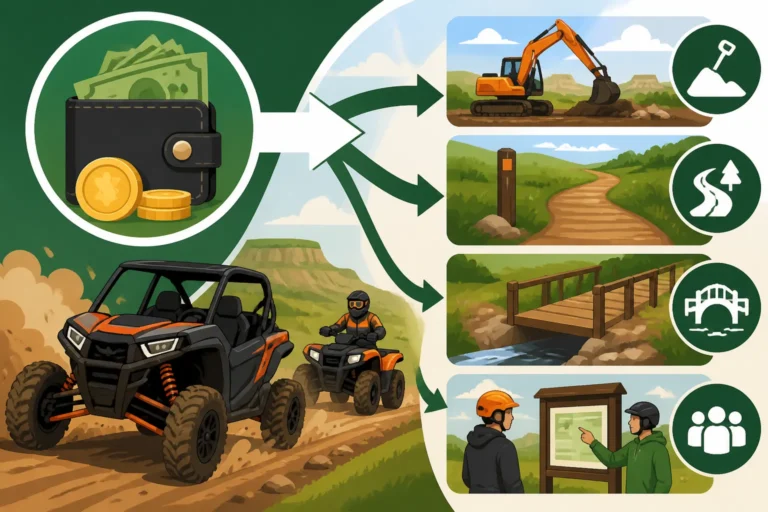
Think of the excise tax as a one-time fee to the state for the privilege of ownership and to contribute to the overall infrastructure that supports these vehicles. It's collected at the time you title your machine. This means whether you buy it from a dealership or directly from another individual, you'll be responsible for ensuring this tax is paid. For a deep dive into this, you might want to read up on [North Dakota Excise Tax on an ATV Purchase]. This excise tax revenue often goes towards funding things like trail development, administration of registration and titling, and other state services that benefit OHV riders.
Why OHVs Are Treated Differently from Other Retail Purchases
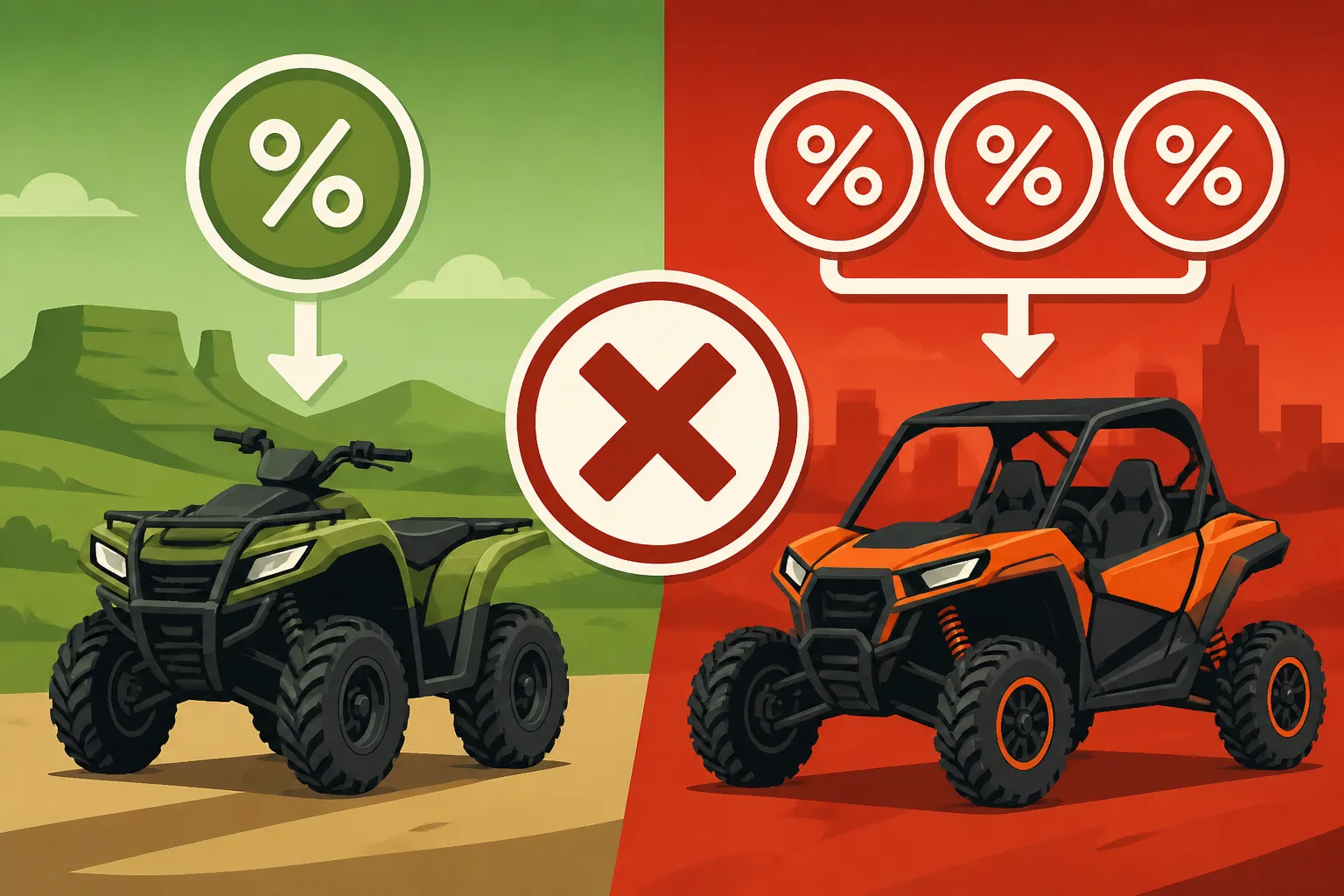
The reason local sales tax doesn't "stack" on your OHV purchase comes down to how North Dakota law categorizes and taxes motor vehicles. Unlike most retail goods, which are subject to general sales tax (and potentially local sales tax in certain municipalities), titled vehicles like ATVs and UTVs are specifically exempted from general sales tax. In its place, the state imposes the motor vehicle excise tax.
This distinction is important because it centralizes the taxation process. Instead of navigating varying local sales tax rates that might change from one town to the next, you deal with a consistent statewide excise tax rate on your vehicle purchase. This simplifies things immensely for both buyers and sellers. It acknowledges that these machines are more than just consumer goods; they're investments that require registration and sometimes titling, and thus have their own dedicated tax structure. It’s part of the reason why the state has specific forms and processes for vehicle transactions, rather than just a general sales receipt. This also ties into why you generally pay a [North Dakota Title Fee of $5] once, at the time of titling.
Unpacking Local Sales Taxes: Where They Apply and Where They Don't
While the main OHV purchase might be exempt from local sales tax, it’s not to say that local sales taxes don’t exist or won’t apply to other related purchases you might make. Understanding this nuance is key to truly grasping your overall costs.
The Nature of Local Sales Taxes in North Dakota
North Dakota does indeed have areas where local sales taxes are collected. Many cities, for example, have their own sales tax rates that apply to general retail purchases made within their municipal boundaries. These local taxes contribute to city services, infrastructure, and other local projects. So, if you walk into a sporting goods store in Fargo or Bismarck and buy a pair of shoes, you'll likely pay the state sales tax plus any applicable city sales tax.
However, the crucial point for OHV owners is that these local sales taxes are typically applied to things like general merchandise, food, clothing, and other consumer goods that are not motor vehicles subject to state excise tax and titling requirements. This means that while you might pay a local sales tax on some items at a dealership's parts counter, you won't on the ATV or UTV itself. It’s a distinct difference that often catches first-time buyers off guard, but ultimately, it’s designed to simplify the vehicle purchasing process.
Why This Exclusion Benefits OHV Buyers
The fact that local sales tax doesn't "stack" on your OHV purchase is actually a benefit to you, the consumer. Imagine if every city and county had its own sales tax that applied to vehicle purchases – buying an ATV could become a complex calculation depending on where you made the transaction. By having a single, statewide [North Dakota's 5 Percent Motor Vehicle Excise Tax] that replaces general sales tax (both state and local) on the vehicle itself, the process is streamlined and predictable.
This means you can focus on the purchase price of your machine, knowing that the tax on the vehicle itself will be a consistent rate across North Dakota. This clarity helps with budgeting and ensures that you're not paying different amounts for the same machine just because you crossed a city limit. It’s a simpler system that avoids unnecessary complexity, which is always a win in my book when it comes to paperwork and fees.
Practical Implications for Your ATV or UTV Purchase
So, what does this all mean for your wallet when you're ready to bring home that new machine? It means you'll pay certain fees and taxes, but local sales tax on the vehicle itself won't be one of them.
What You Will Pay When Buying an OHV
When you purchase an ATV or UTV in North Dakota, you can expect to encounter several costs beyond the sticker price. Here’s a breakdown of the typical financial components:
- The Purchase Price: This is the agreed-upon cost of the ATV or UTV itself.
- North Dakota Motor Vehicle Excise Tax: As we've discussed, this is the main tax on the vehicle. It's a percentage of the purchase price or fair market value.
- Title Fee: A flat fee to get your machine titled in your name. This is usually a nominal amount, like the [North Dakota Title Fee of $5].
- Registration Fee: You'll need to register your OHV, typically for a two-year cycle. You can learn more about this in [North Dakota's Two-Year OHV Registration]. This fee often includes a portion dedicated to a trail tax.
- Dealer Fees (if applicable): If you buy from a dealership, they might have charges for freight, setup, documentation (sometimes called a "doc fee"), and a [North Dakota Dealer Safety Fee of $5]. These fees are separate from the vehicle's purchase price and are generally subject to state sales tax if they are for services rendered, but again, the vehicle purchase itself is subject to excise tax.
- Plate/Decal Fee: There's usually a small charge for the actual plate or decal you'll display on your machine.
It's crucial to get a clear breakdown of all these costs from your seller, especially if you're buying from a dealership. For a good overview of the total cost, check out [North Dakota Out-the-Door Cost on a Side-by-Side].
Other Purchases Where Local Sales Tax Might Apply
While the ATV or UTV itself is exempt from local sales tax, remember that many other items you purchase for your riding adventures are not. Here's where local sales tax can come into play:
- Accessories and Parts: Things like helmets, riding gear, gloves, goggles, winches, plows, cargo boxes, aftermarket tires, light bars, and specific replacement parts are generally considered retail goods. If you buy these from a local store or a dealership's parts department, you will likely pay both state and any applicable local sales taxes on them.
- Service and Labor: If you take your OHV in for maintenance or repairs, the labor charges might be subject to state and local sales taxes, depending on the specific service and local regulations.
- Non-OHV Related Items: If you happen to buy other general merchandise at a store that also sells OHVs, those items would be subject to regular sales tax, including local rates.
Understanding this distinction helps you budget accurately. It's not about avoiding all sales tax, but rather understanding which type of tax applies to which part of your purchase. When drafting a bill of sale for a private transaction, make sure it clearly itemizes the machine and any included accessories. Services like LawDepot offer templates that can help create clear, legally sound documents for such transactions.
Navigating the Paperwork and Avoiding Surprises
The key to a smooth transaction and understanding your tax obligations is thorough documentation. Don't be afraid to ask questions and always ensure you have a clear record of your purchase.
The Role of a Bill of Sale in Tax Calculation
A well-drafted bill of sale is your best friend in any vehicle purchase, especially private sales. It serves as legal proof of the transaction, clearly stating the purchase price, buyer, seller, and vehicle details like the VIN. This document is absolutely critical because the purchase price listed on it is what the North Dakota Department of Transportation will use to calculate your motor vehicle excise tax.
If you're buying from a private party, a comprehensive bill of sale, perhaps one you've found through resources like LawDepot, can make all the difference. It should clearly define the agreed-upon value of the ATV or UTV. The state even provides its own form, [North Dakota Bill of Sale Form SFN 2888], which is a great template to ensure you're covering all the bases. Without a clear and honest bill of sale, the state might rely on its own fair market value assessment, which could sometimes be higher or lower than what you actually paid. A good bill of sale itemizes everything clearly, leaving no room for ambiguity about the vehicle's price versus any additional items like accessories.
Verifying Your Out-the-Door Costs
Whether you’re dealing with a dealership or a private seller, always ask for a detailed breakdown of all costs. Dealerships should provide an itemized invoice that clearly separates the vehicle's price, excise tax, title fees, registration, and any additional dealer charges. If you see a line item for "local sales tax" on the vehicle itself, that would be a red flag, as it typically shouldn't apply in North Dakota for OHV purchases. Always compare this to what you know about [North Dakota Sales Tax Versus Excise Tax].
For private sales, you'll need to calculate the excise tax yourself based on the purchase price on your bill of sale. Then, factor in the title and registration fees. Being proactive and verifying these costs upfront will save you from potential headaches down the road. Remember, the goal is to enjoy your new machine, not to get bogged down in unexpected financial surprises! Tools from LawDepot, like their bill of sale templates, are excellent for ensuring both parties are clear on the terms and the financial implications of the sale.
| Cost Type | Applies to OHV Purchase Price? | Applies to Accessories/Parts? | Applies to Labor/Services? | How It's Applied |
|---|---|---|---|---|
| North Dakota Motor Vehicle Excise Tax | Yes | No | No | Percentage of OHV purchase price/fair market value |
| North Dakota State Sales Tax | No (excise tax applies) | Yes | Yes | Percentage of item/service cost |
| Local City/County Sales Tax | No (excise tax applies) | Yes | Yes | Percentage of item/service cost (varies by location) |
| Title Fee | Flat Fee | No | No | One-time flat fee for titling |
| Registration Fee | Flat Fee | No | No | Flat fee for two-year registration cycle |
Disclaimer
This article is for general informational purposes only and does not constitute professional advice. Laws, prices and regulations vary by location and change over time. Consult a qualified professional for guidance on your specific situation.