Fifteen Days to Report a Sale
Selling an off-highway vehicle (OHV) in North Dakota can feel straightforward at first glance – you find a buyer, agree on a price, shake hands, and they ride off into the sunset. But many sellers don't realize there's a crucial legal step they need to take within a very specific timeframe to protect themselves: reporting the sale to the state. Failing to do so can leave you on the hook for accidents, tickets, or even abandoned vehicle fees long after you thought you washed your hands of the machine. This guide will walk you through North Dakota's 15-day rule for reporting an OHV sale, outlining exactly what you need to do and why it matters so much.
Understanding North Dakota's 15-Day Rule for OHV Sales
When you sell an ATV, UTV, or any other off-highway vehicle in North Dakota, the transaction isn't truly complete the moment the money changes hands. The state has a vested interest in knowing who owns what, especially when it comes to registered vehicles that can operate on public lands or even certain roadways. This is where the "15-day rule" comes into play – it's a critical, often overlooked, legal obligation for sellers.
Why This Rule Exists: Protecting the Seller
Imagine this: you sell your old quad to a neighbor. A month later, they get a speeding ticket while riding it on a gravel road, or worse, they're involved in an accident where someone is injured. If you haven't officially notified the North Dakota Department of Transportation (NDDOT) that you're no longer the owner, those tickets or liability claims could still come back to haunt you. The state still has you on record as the owner, and proving otherwise after the fact can be a massive headache and potentially costly. The 15-day rule acts as a crucial line of defense for sellers, effectively transferring legal responsibility for the OHV from you to the new owner in the eyes of the state. It clears your name, so to speak, and ensures that any future incidents involving the vehicle are directed toward the rightful new owner. It’s not just a bureaucratic hoop; it’s personal liability insurance in action.
The Definition of "Reporting a Sale" in North Dakota
So, what does it mean to "report a sale" to the state? It's more than just telling your friends you sold it. In North Dakota, reporting an OHV sale involves a specific process of notifying the NDDOT that the ownership of your machine has officially transferred. This is usually done through the proper submission of paperwork, primarily the assignment of title. When you complete the sale, you'll physically sign over the title to the buyer. This signed-over title, along with other documents, is what the buyer will then use to register the machine in their name. The "reporting" aspect largely comes from this official transfer of the title document. While there isn't a separate form you submit as the seller to explicitly "report" the sale, your crucial role is making sure the buyer has everything they need, and that you understand your responsibilities regarding the title and potentially any lien releases. This helps to facilitate the [North Dakota Ownership Transfer in 15 Days] for the buyer.
The Critical Steps to Report Your OHV Sale in North Dakota
Successfully reporting your OHV sale is primarily about completing the title transfer correctly and ensuring the new owner has all the necessary documentation to register the machine in their name. This process directly removes your liability.
Completing the Title Assignment Properly
The North Dakota OHV title document is the cornerstone of ownership transfer. When you sell your machine, you, as the seller, are responsible for accurately completing the "Assignment of Title" section on the back of the physical title. This means filling in the buyer's full legal name and address, the exact date of the sale, and the selling price. Crucially, you must sign the title exactly as your name appears on the front of the title. If there are multiple owners listed on the title with "and/or," typically only one signature is required. However, if it says "and," then all listed owners must sign. Any errors or omissions here can hold up the buyer's ability to title and register the machine, which in turn means the state still considers you the owner. Double-check everything before handing it over. Many sellers overlook the importance of writing clearly and ensuring all fields are filled out. This meticulousness is key to a smooth transition. The buyer will then be responsible for paying the [North Dakota Title Fee of $5] and submitting the paperwork.
Providing a Bill of Sale
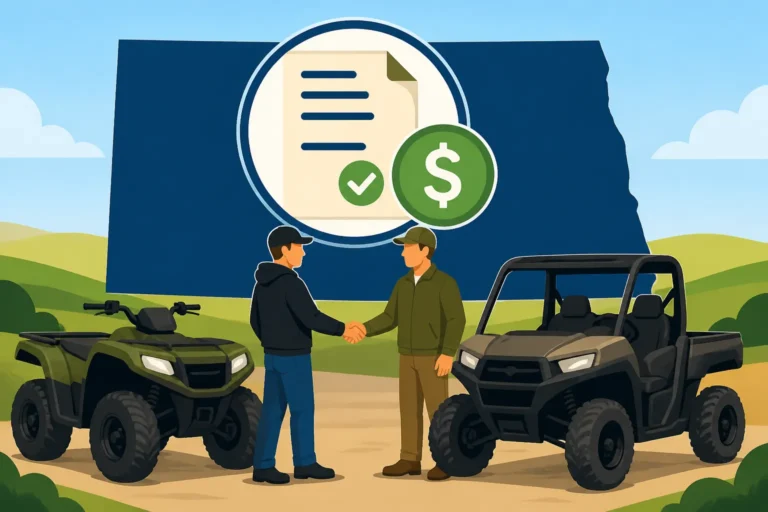
While signing over the title is paramount, a well-documented Bill of Sale is your best friend when selling an OHV, especially in a private transaction. The North Dakota Department of Transportation provides a [North Dakota Bill of Sale Form SFN 2888] which is highly recommended. This document serves as a receipt and a clear record of the transaction between you and the buyer. It should include:
- Your name and address (seller)
- The buyer's name and address
- The date of the sale
- The purchase price
- A detailed description of the OHV (make, model, year, VIN)
- A statement that the vehicle is sold "as-is" (if applicable)
- Signatures of both the buyer and the seller
Even if the state doesn't require a separate bill of sale for the title transfer itself, having one provides undeniable proof of the sale date and terms. Keep a copy for your records! This document can be invaluable if any questions arise later regarding the sale, ownership, or even the [North Dakota Excise Tax on a Private Sale]. If you need a more robust, legally-reviewed document, services like LawDepot can help you generate a comprehensive bill of sale that includes all necessary clauses to protect both parties. A clear, explicit bill of sale can prevent misunderstandings and provide legal backing should a dispute arise.
Notifying the State: What the Buyer Does
After you've done your part by signing over the title and providing a bill of sale, the onus largely falls on the buyer to complete the process. They must take the signed-over title and bill of sale to an NDDOT motor vehicle branch office within the 15-day window to apply for a new title and register the OHV in their name. When they do this, they'll also pay the applicable fees, including the [North Dakota's 5 Percent Motor Vehicle Excise Tax] on the purchase price. By submitting these documents, the buyer officially notifies the state that they are the new owner, and your name is removed from the vehicle's record. This is why accurately completing your part of the title is so crucial; you're setting the buyer up for success in fulfilling their part of the reporting process. You're effectively putting the ball in their court to finalize the transfer.
What Happens If You Don't Report Your OHV Sale on Time?
The 15-day rule isn't just a suggestion; it's a legal expectation. While the immediate consequences might not always be obvious, neglecting this step can open you up to a world of potential legal and financial headaches down the road. It's a risk that's simply not worth taking when a few careful steps can protect you entirely.
Continuing Liability for the Seller
This is perhaps the biggest and most frightening consequence. If the title transfer isn't completed by the buyer and you haven't removed your name from the OHV's registration records, the state still considers you the legal owner. This means:
- Accident Liability: If the new owner gets into an accident, especially one involving property damage or injury, you could potentially be held liable. Imagine getting a letter from an attorney or a bill for damages caused by a machine you no longer own. Proving you sold it after the fact can be challenging without proper documentation and timely reporting.
- Tickets and Fines: Parking tickets, speeding tickets (if on a public road), or even violations for riding in restricted areas could be mailed to your address. Even if you can eventually prove you sold the vehicle, dealing with these issues requires time, effort, and potentially legal assistance. [North Dakota Penalties for Riding Unregistered] could still be an issue that lands on your desk if the buyer fails to register it and an officer pulls them over.
- Abandoned Vehicle Issues: If the new owner abandons the OHV, you could be held responsible for towing and storage fees. This happens more often than you'd think, especially with older, less expensive machines.
These scenarios illustrate why correctly processing [Selling a Registered OHV in North Dakota] is so vital for your peace of mind. Without official notification, the responsibility for whatever happens next largely stays with you.
Potential Fines or Penalties
While North Dakota's statutes primarily focus on the buyer's responsibility to title and register within 15 days, there can be indirect consequences for sellers who don't facilitate this process correctly. For instance, if you fail to accurately complete the title assignment or lose important paperwork, it delays the buyer's ability to register. If the buyer then faces penalties for late registration, it could lead to disputes between you and the buyer, potentially escalating into small claims court. While less common, the state can impose administrative fees or fines if it determines you willfully neglected your responsibility in the transfer process, especially if it leads to prolonged legal ambiguities or public safety issues.
The Hassle of Proving You Aren't the Owner
Let's say the worst happens: the new owner racks up a hefty fine or gets into a serious accident. If you haven't properly reported the sale, you'll be faced with the burden of proving that you are no longer the owner. This often involves:
- Retrieving your copy of the Bill of Sale (if you made one).
- Tracking down the buyer, who might be uncooperative or have moved.
- Potentially involving attorneys or law enforcement.
- Spending countless hours on phone calls, paperwork, and possibly court appearances.
This entire ordeal is a massive drain on your time, energy, and finances, all of which could have been avoided by simply following the correct procedures within those initial 15 days. It underscores the importance of a clean, complete transaction right from the start.
Common Questions and Best Practices for Selling Your OHV in North Dakota
Selling an OHV is often a significant transaction, and anticipating potential issues can save you a lot of grief. Here are some common questions and best practices to ensure a smooth, worry-free sale in North Dakota.
What if the Buyer Doesn't Register the OHV?
This is a common concern for sellers. You've done everything right: signed the title, provided a bill of sale, and sent them on their way. But what if they never go to the NDDOT to complete the registration? Unfortunately, this is where the liability for you can linger. While there isn't a direct "seller notification" form for OHVs like there might be for cars in some other states, your best defense is a meticulously documented sale. Keep your copy of the signed Bill of Sale (the [North Dakota Bill of Sale Form SFN 2888] is perfect for this) and a copy of the front and back of the signed-over title. Some sellers even take a photo of the buyer holding the signed title. If issues arise later, this documentation is your proof that you transferred ownership. You might also send a certified letter to the NDDOT, detailing the sale, date, and buyer's information, even if it's not a required step. This creates an additional paper trail for your protection.
Dealing with Lost or Missing Titles
Sometimes, you might want to sell an OHV but discover the title is lost, damaged, or was never issued. This complicates things considerably. In North Dakota, you generally cannot sell an OHV without a valid, properly assigned title. If your title is lost, you'll need to apply for a duplicate title through the NDDOT before you can sell the machine. This involves completing a Duplicate Certificate of Title application and paying a fee. Don't try to sell a machine without a title, even if the buyer says they don't care. It leaves both of you in a precarious legal position and can lead to the machine being classified under [North Dakota Machines With No Paperwork], which is a headache for everyone involved. If you're buying, you should always insist on a valid title.
Documentation for Out-of-State Buyers
If your buyer is from out of state, the process of them registering the OHV will be governed by their state's laws. However, your responsibility as the North Dakota seller remains the same: accurately assign the North Dakota title to them and provide a comprehensive Bill of Sale. The buyer will then take these documents back to their home state to title and register the OHV there. It's crucial that the North Dakota title is correctly completed because it's their proof of ownership for their home state's DMV. Again, keeping a detailed record of the sale, including a copy of the signed title and bill of sale, is paramount for your protection, regardless of where the buyer lives. Consider using a template from a service like LawDepot to ensure your Bill of Sale is robust enough for an interstate transaction.
How to Ensure the Buyer Takes Action
While you can't physically force a buyer to register the OHV, you can encourage them and make the process as easy as possible.
- Educate the Buyer: Briefly explain to them the 15-day requirement for them to title and register the machine. Let them know about the [North Dakota Excise Tax on a Private Sale] and the [Titling an ATV in North Dakota] process.
- Provide All Necessary Paperwork: Hand over the original, properly signed title and the original Bill of Sale. Make sure you've also released any liens if applicable.
- Offer Assistance (Within Reason): Suggest they visit the NDDOT website for forms like [What the Title Application SFN 2872 Asks For] or to locate their nearest motor vehicle branch.
- Keep Your Records: As mentioned, your best defense against future liability is your own meticulous records. This includes your copy of the Bill of Sale and photos of the signed title.
- Remove Your Plate/Decal: If your OHV had a physical [North Dakota OHV Plate or Decal: Your Choice], remove it. The registration is tied to you, not the machine, so that plate or decal should not transfer to the new owner.
By following these best practices and understanding the intricacies of the 15-day rule, you can navigate the sale of your North Dakota OHV with confidence, protecting yourself from potential future liabilities and ensuring a clean break from your old machine.
Disclaimer
This article is for general informational purposes only and does not constitute professional advice. Laws, prices and regulations vary by location and change over time. Consult a qualified professional for guidance on your specific situation.